Battle of Carillon
The Battle of Carillon, fought on July 8, 1758, was a major engagement of the French and Indian War, the North American theatre of the global Seven Years' War. It took place near Fort Carillon, later renamed Fort Ticonderoga, on the strategic frontier between Lake Champlain and Lake George. In a stunning tactical upset, a French army of about 4,000 men under General Louis-Joseph de Montcalm decisively defeated a British force of approximately 16,000 commanded by General James Abercromby. The battle, the bloodiest of the war in North America, resulted in catastrophic British casualties and represents France's greatest victory in the conflict, a moment that secured Fort Ticonderoga's legendary reputation.
Strategic Context and Prelude to Battle
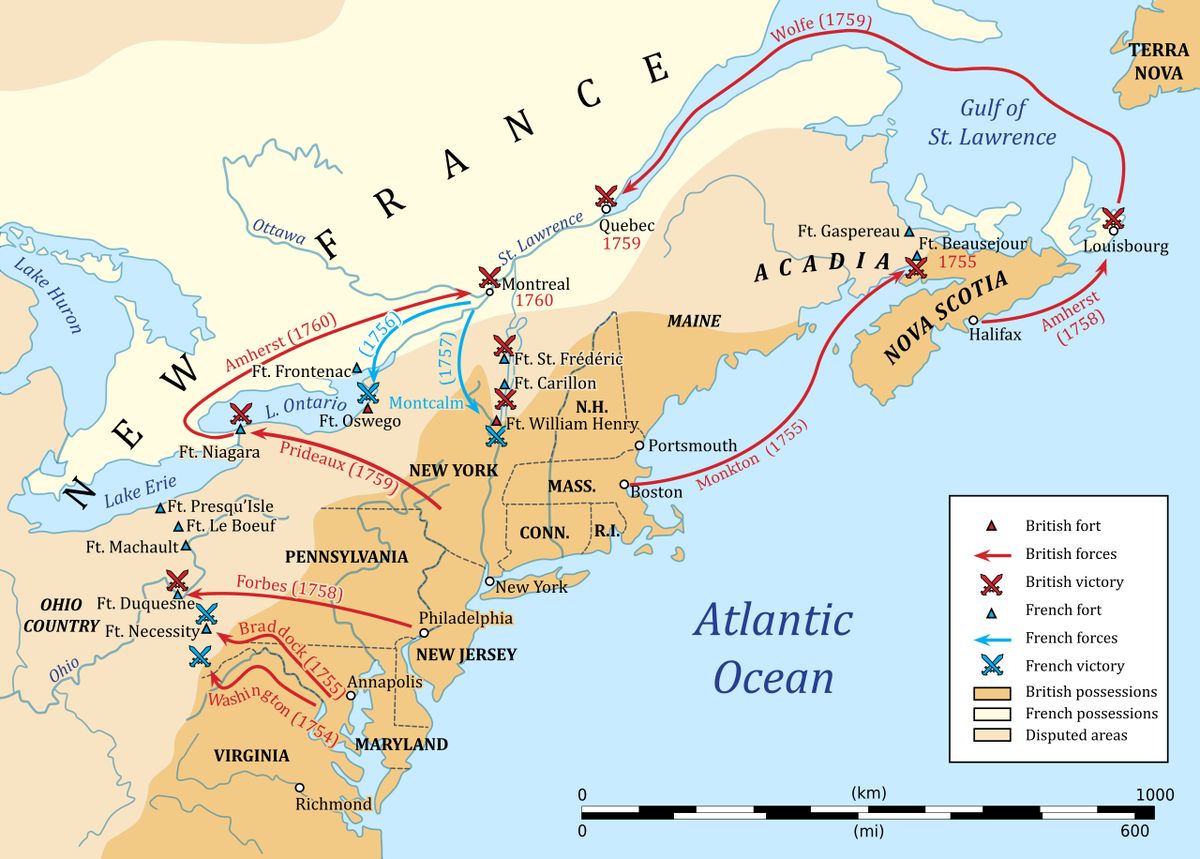
The year 1758 marked a critical juncture in the French and Indian War, with British Prime Minister William Pitt committing vast resources to a major offensive in North America. The British plan involved a three-pronged attack on New France, with General James Abercromby tasked with leading the largest army yet assembled on the continent through the Champlain Valley. His force of 16,000 men, including 6,000 British regulars from regiments like the 42nd Highlanders and the 60th Royal Americans, alongside provincial militia from colonies including New York, Massachusetts, and Connecticut, began their journey from the ruins of Fort William Henry at the southern end of Lake George on July 5. The French position was precarious, suffering from food shortages due to a poor harvest and a naval blockade that limited reinforcements from France. Governor Pierre de Rigaud de Vaudreuil and General Montcalm, who often disagreed on strategy, had fewer than 5,000 regular troops available across all of New France. Montcalm arrived at the undermanned Fort Carillon on June 30 to find only 3,500 men and provisions for just nine days, facing intelligence reports of a British army numbering in the tens of thousands.
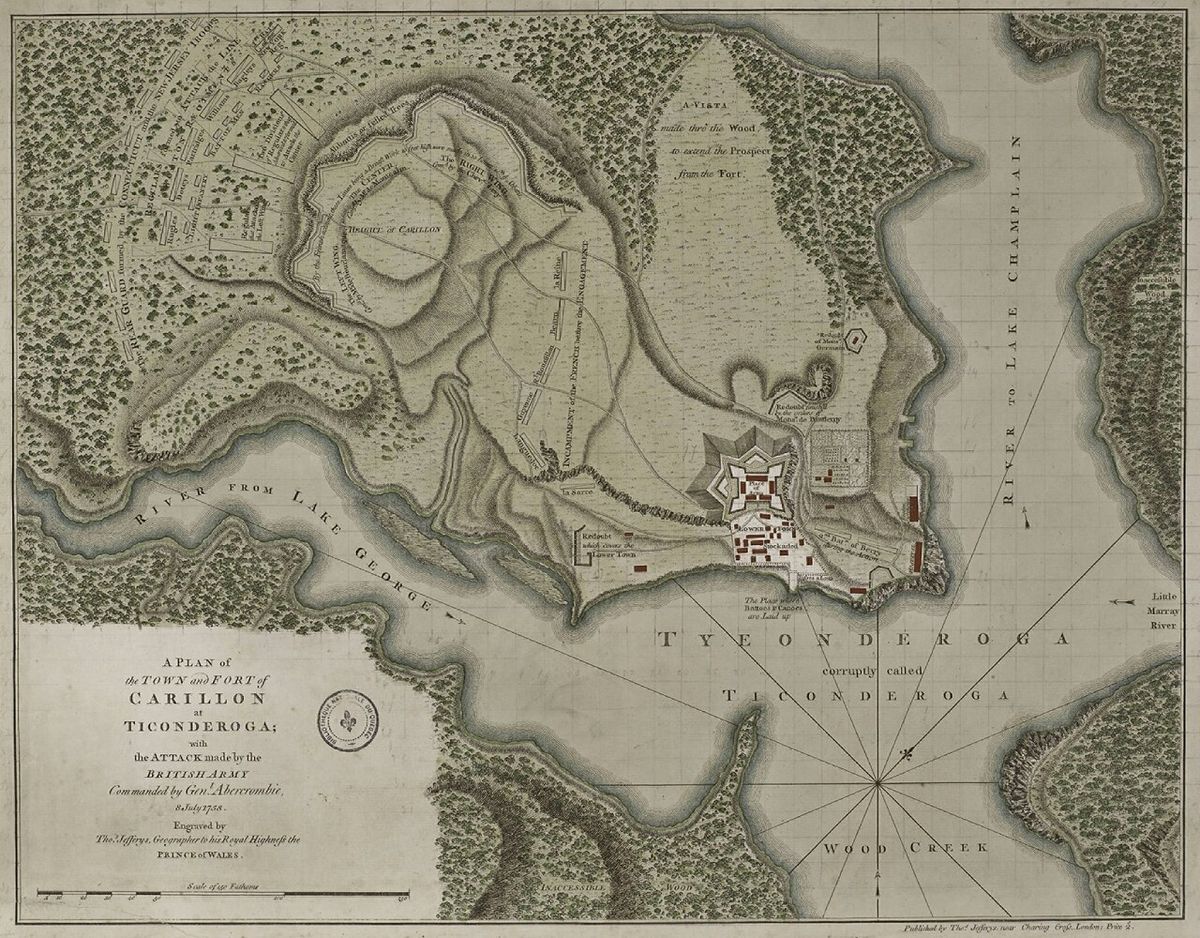
Montcalm immediately began preparing defences, opting not to risk a siege within the fort itself, which was vulnerable to cannon fire from the nearby height known as Rattlesnake Hill, later called Mount Defiance. Instead, he ordered the construction of extensive field fortifications on a rise about three-quarters of a mile northwest of the fort. From July 6 to 8, French soldiers and engineers, including Nicolas Sarrebource de Pontleroy, worked feverishly to create a formidable defensive line. This line consisted of a wooden breastwork fronted by a deep trench and a sprawling abatis, a barrier of felled trees with sharpened branches pointed toward the expected British advance. The French army was organized into three brigades under Montcalm in the centre, the Chevalier de Lévis on the right, and Colonel François-Charles de Bourlamaque on the left, with each battalion assigned a section of the entrenchments. A preliminary skirmish at Bernetz Brook on July 6 resulted in the death of the highly regarded British second-in-command, General George Howe, which demoralized the British army and gave the French an additional day to complete their defences.
Abercromby's Flawed Reconnaissance and Plan
Following the skirmish and Howe's death, the British army regrouped and advanced to the sawmill near the La Chute River by July 7. General Abercromby, confident and eager to attack before rumoured French reinforcements could arrive, ordered a reconnaissance of the French lines. His engineer, Lieutenant Matthew Clerk, and an aide, Captain James Abercromby, surveyed the position from Rattlesnake Hill. They reported that the French works appeared incomplete and could be easily forced, even without cannon, failing to detect that the French had camouflaged their nearly finished defences with foliage. Clerk's report included the prudent recommendation to fortify Rattlesnake Hill, which dominated the battlefield, but Abercromby dismissed this advice. That evening, Abercromby held a war council where he presented only a narrow tactical question about the depth of the assault formation, effectively deciding on a direct frontal attack without utilizing his artillery. His plan called for the main assault by regular infantry columns, supported by provincial troops, with a secondary effort to float four six-pounder cannons and a howitzer down the river to support the attack from the base of Rattlesnake Hill. This decision to forgo a siege or a flanking manoeuvre and to attack head-on against entrenched positions without preparatory artillery bombardment has been widely condemned by historians as a grave tactical error.
The Assault on the French Lines
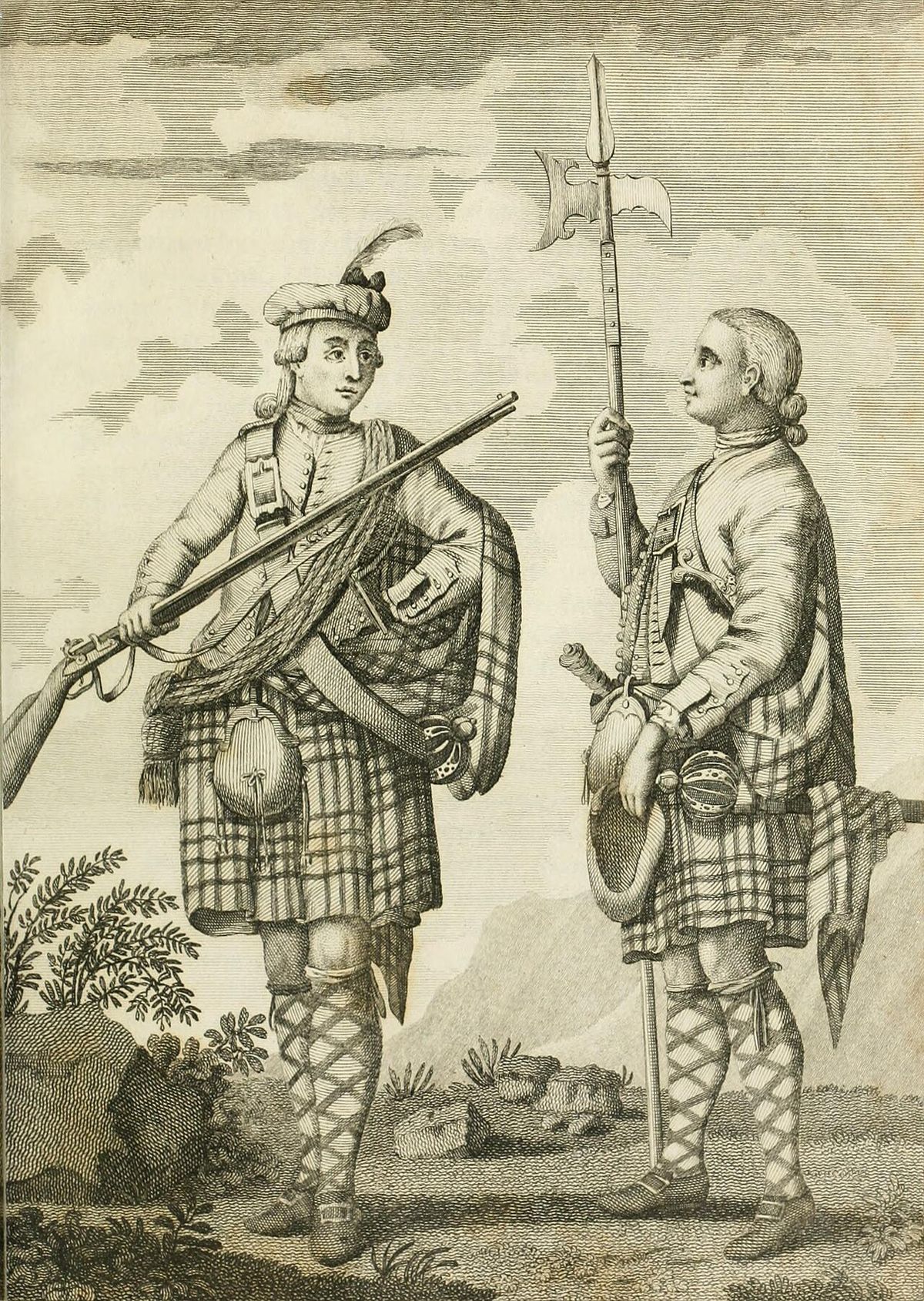
The battle commenced on the morning of July 8, with British light infantry and Rogers' Rangers driving in the French outposts. The main British assault force was organized into three columns of regulars. The right column consisted of the 27th (Inniskilling) and 60th Regiments under Lieutenant Colonel William Haviland, the centre column of the 44th and 55th under Lieutenant Colonel John Donaldson, and the left column of the famous 42nd (Highland) and 46th Regiments under Lieutenant Colonel Francis Grant. Provincial regiments from Connecticut and New Jersey were held in reserve. The assault quickly became uncoordinated. By 12:30 PM, before all units were fully in position and without a unified order from Abercromby, elements of the New York provincials on the left began engaging the French, prompting Haviland's right column to advance prematurely. This triggered a piecemeal, regiment-by-regiment advance into the killing zone in front of the French entrenchments.
The British regulars, displaying remarkable courage, advanced in orderly lines across rough, wooded terrain strewn with the abatis. As they struggled through this obstacle, they were subjected to devastating volleys of musket fire from the protected French lines, which were three ranks deep. The 42nd Highlanders, initially held in reserve, insisted on joining the fray and charged repeatedly at the French centre, suffering horrific casualties. The secondary British effort to bring artillery to bear from Rattlesnake Hill failed when French cannon fire from the fort sank two of the barges, forcing a retreat. For hours, the British launched successive waves of attacks against the unshaken French position. The French defenders, including the battalions of Royal Roussillon, Berry, Béarn, and La Sarre, maintained disciplined fire. Montcalm moved calmly along the lines, directing reserves to reinforce threatened points. By late afternoon, after at least five major assaults, the British attack had completely foundered. The battlefield was littered with British dead and wounded, with some units having lost over half their men. A disorganized retreat began back toward the landing site on Lake George.
Aftermath and Casualties
The Battle of Carillon resulted in a lopsided and bloody victory for the French. British casualties were catastrophic, exceeding 2,000 men killed, wounded, or captured from the approximately 16,000 engaged. French losses were comparatively light, estimated at about 400 men from their force of 4,000. The retreating British army, thoroughly demoralized, withdrew all the way back to the southern end of Lake George, abandoning the campaign against Fort Carillon for that year. The victory provided a massive boost to French morale in New France at a time when the colony was under severe pressure on multiple fronts. For the British, the defeat was a deep shock and a major setback, though their campaigns elsewhere in 1758, such as the capture of Louisbourg, ultimately proved successful. General Abercromby was recalled to England the following year, his reputation irreparably damaged by the debacle. The battle cemented the defensive reputation of the location, though the fort itself, renamed Fort Ticonderoga after its capture by the British in 1759, would change hands several times during the American Revolutionary War. The Carillon battlefield today preserves the largest series of untouched 18th-century earthworks in North America.
Historical Significance and Legacy
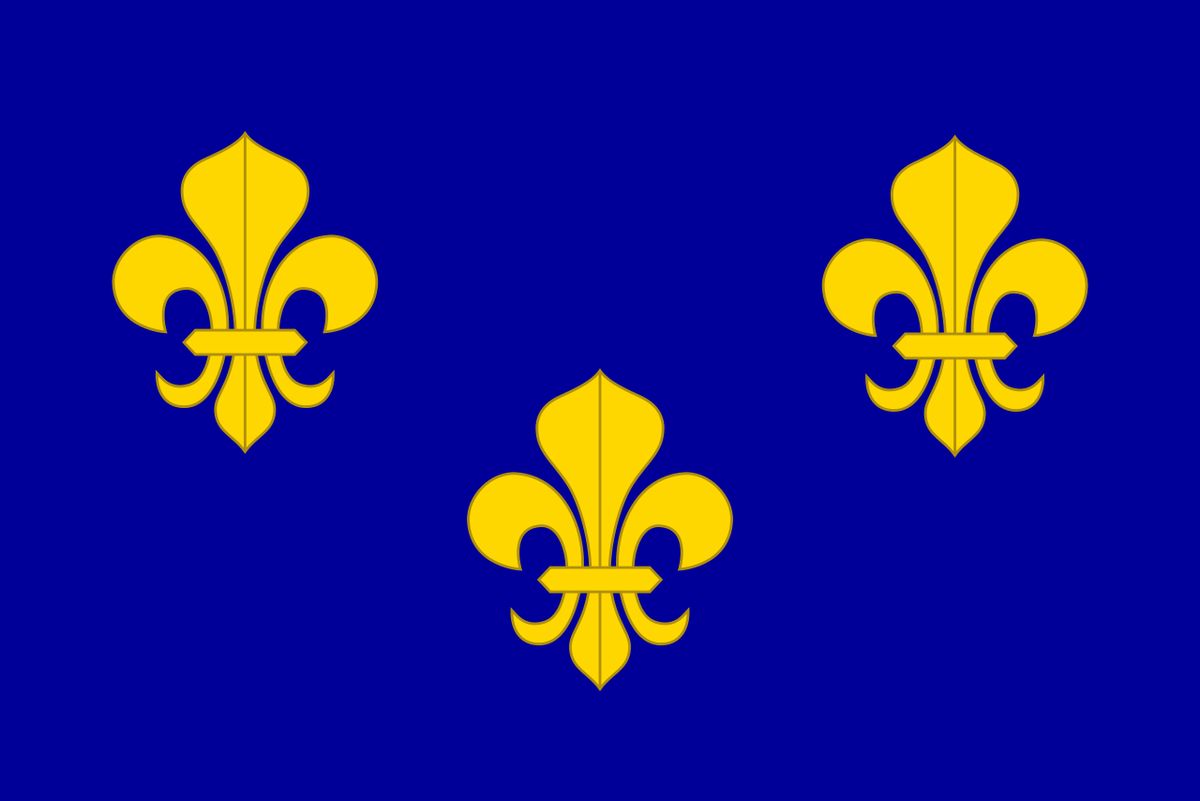
The Battle of Carillon holds a significant place in military history as a classic example of the futility of frontal assaults against prepared defences without adequate artillery support. Historians, including Lawrence Henry Gipson, have characterized Abercromby's campaign as riddled with errors of judgment. The battle demonstrated the effectiveness of field fortifications and the importance of reconnaissance and flexible command. For Quebec and French Canadian memory, the victory at Carillon is remembered as a moment of heroic defiance against overwhelming odds, a last great triumph before the eventual fall of New France. The modern flag of Quebec is based on a 17th-century banner known as the Flag of Carillon, though its presence at the battle is considered a 19th-century fabrication. The site's legacy is actively preserved and interpreted at Fort Ticonderoga, a National Historic Landmark in New York State.
Commemoration and Reenactment
The story of the Battle of Carillon is kept alive through historical programming and reenactments at Fort Ticonderoga. These events educate the public and commemorate the soldiers who fought there. Key annual events include the Battle of Carillon Commemoration, typically held on a Sunday near the July 8 anniversary, which features a march to the battlefield and wreath-laying ceremonies. Major living history weekends, such as the Montcalm's Cross Battle of Carillon Reenactment, recreate the 1758 battle with hundreds of participants. Fort Ticonderoga's programming offers visitors a deep dive into the battle's history through guided tours, demonstrations, and special exhibits. The fort's museum and historic site include the original earthworks from the 1758 battle. The location between Lake Champlain and Lake George provides a strategic view of the important frontier route. The fort's collection includes artifacts from the French and Indian War and the American Revolution. Educational programs focus on 18th-century military life, engineering, and the experiences of soldiers from all sides of the conflict.
- Guided tours of the Carillon Battlefield and the fort's earthworks.
- Musket and artillery demonstrations explaining the weapons used in 1758.
- Battle reenactments on specially designated battlefield areas.
- Tours aboard the tour boat Carillon on Lake Champlain.
- Living history camps with reenactors portraying British regulars, provincial militia, French soldiers, and allied Indigenous warriors.
Order of Battle and Key Regiments
The forces at Carillon comprised some of the most notable military units of the mid-18th century. The British army's regular core included several regiments that would see service throughout the Seven Years' War and beyond. The French army was composed of veteran battalions from the French metropolitan army sent to defend New France. The following table outlines the major regular units engaged on both sides during the main assault on July 8, 1758. In addition to these regulars, the British force included thousands of provincial militia from New England and New York, while the French had supporting companies of the Troupes de la Marine, Canadian militia, and a small number of Indigenous allies. The courage of the 42nd Highlanders, who suffered devastating losses in repeated charges against the French centre, became particularly legendary, cementing the regiment's fearsome reputation.
| British Regular Regiments | French Regular Battalions |
|---|---|
| 27th (Inniskilling) Regiment of Foot | Battalion of Royal Roussillon |
| 42nd (Highland) Regiment of Foot (Black Watch) | Battalion of Berry |
| 44th Regiment of Foot | Battalion of Béarn |
| 46th Regiment of Foot | Battalion of Guyenne |
| 55th Regiment of Foot | Battalion of La Reine |
| 1st & 4th Bns., 60th (Royal American) Regiment | Battalion of La Sarre |
| Gage's Light Infantry (80th Regiment of Light-Armed Foot) | Battalion of Languedoc |
Questions about Battle of Carillon
Why did the British lose the Battle of Carillon?
The British loss is primarily attributed to the flawed decisions of General James Abercromby. He ordered a direct frontal assault on heavily entrenched French positions without first using his artillery to soften the defences. Abercromby also ignored crucial reconnaissance advice to secure the dominating height of Rattlesnake Hill (Mount Defiance). The piecemeal, uncoordinated nature of the attacks and the formidable French abatis, which slowed and channeled the British advance into killing zones, resulted in catastrophic casualties. Abercromby failed to consider siege operations or flanking maneuvers.
How many people died in the Battle of Carillon?
The Battle of Carillon was the bloodiest engagement of the French and Indian War in North America. Total casualties exceeded 3,000. The British suffered over 2,000 men killed, wounded, or captured from their force of about 16,000. The French, fighting from defensive works, sustained significantly fewer losses, estimated at about 400 men from their army of roughly 4,000. The 42nd Highlanders alone lost more than 300 men killed.
What is the connection between the Battle of Carillon and Fort Ticonderoga?
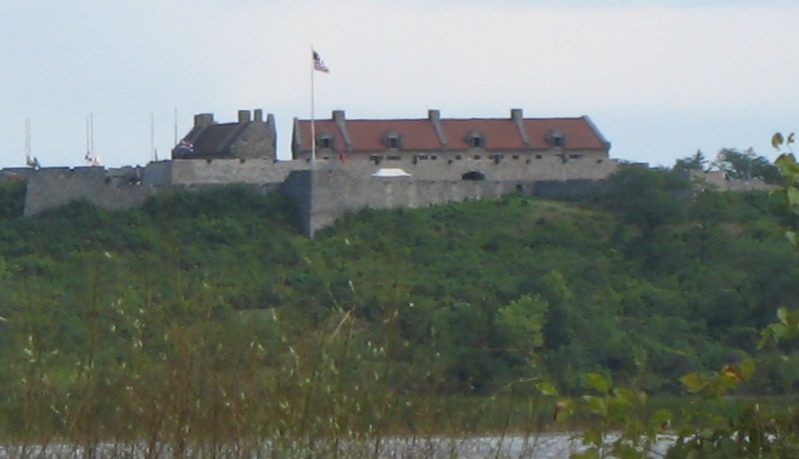
Fort Carillon was the original name of the fortification built by the French between 1755 and 1757. The Battle of Carillon in 1758 was fought to defend it. The following year, in 1759, the British returned, and the French abandoned and blew up the fort. The British rebuilt it and renamed it Fort Ticonderoga, after its location. The fort and the 1758 battle are thus inextricably linked, with the battle securing the site's early reputation for impregnability.
Where was the Battle of Carillon fought?
The Battle of Carillon was fought near Fort Carillon on the shore of Lake Champlain in the frontier area between the British colony of New York and the French colony of New France. The battle took place primarily on a rise about three quarters of a mile from the fort itself. Fort Carillon is situated on a point of land between Lake Champlain and Lake George. This location was a natural point of conflict on the route between the St Lawrence River Valley and the Hudson Valley.
Why is the Battle of Carillon significant to Quebec?
The Battle of Carillon is significant as France's greatest victory of the French and Indian War. A French army of about 4,000 men under General Montcalm defeated a much larger British force. This complete victory temporarily halted a major British invasion aimed at Canada through the Champlain Valley. The battle secured the frontier of New France for another year, preserving French control in Quebec. The victory was a remarkable defensive success against overwhelming odds and is a point of pride in Québécois historical memory.
Can you visit the battlefield today?
Yes, the battlefield can be visited as it is part of the Fort Ticonderoga historic site. The fort, originally named Carillon, was captured by the British the following year and renamed Fort Ticonderoga. The location has been preserved and is now a museum. The site includes the historic fort and the nearby rise where the main battle entrenchments were built. It is a significant historical landmark from the French and Indian War and features the largest series of untouched 18th-century earthworks in North America.
Sources and further reading
- Battle of Carillon (Wikipedia)
- Events, Battle of Carillon Commemoration (fortticonderoga.org)
- Battle of Carillon (thecanadianencyclopedia.ca)
- 2019 Montcalms Cross Battle of Carillon Reenactment at ... (crazycrow.com)
Checked by the Nosy Mag desk. Last updated 2026-10-26.