SNC-Lavalin affair
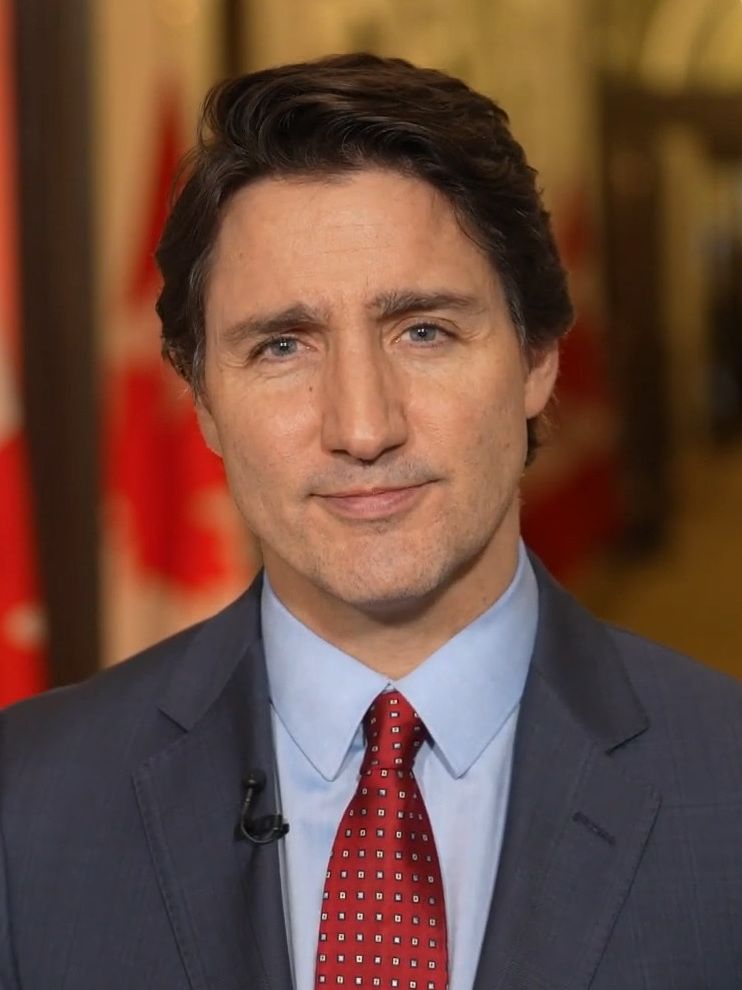
The SNC-Lavalin affair is a political scandal in Canada involving attempted political interference with the justice system by Prime Minister Justin Trudeau and the Prime Minister's Office. The controversy centres on efforts to pressure then Minister of Justice and Attorney General Jody Wilson-Raybould to intervene in a criminal prosecution against the Quebec-based engineering firm SNC-Lavalin by offering it a deferred prosecution agreement. The affair became public in February 2019, triggered multiple high-profile resignations, a parliamentary ethics investigation, and intense scrutiny of prosecutorial independence. Ethics Commissioner Mario Dion found Trudeau contravened the Conflict of Interest Act.
Background: SNC-Lavalin's Legal Troubles
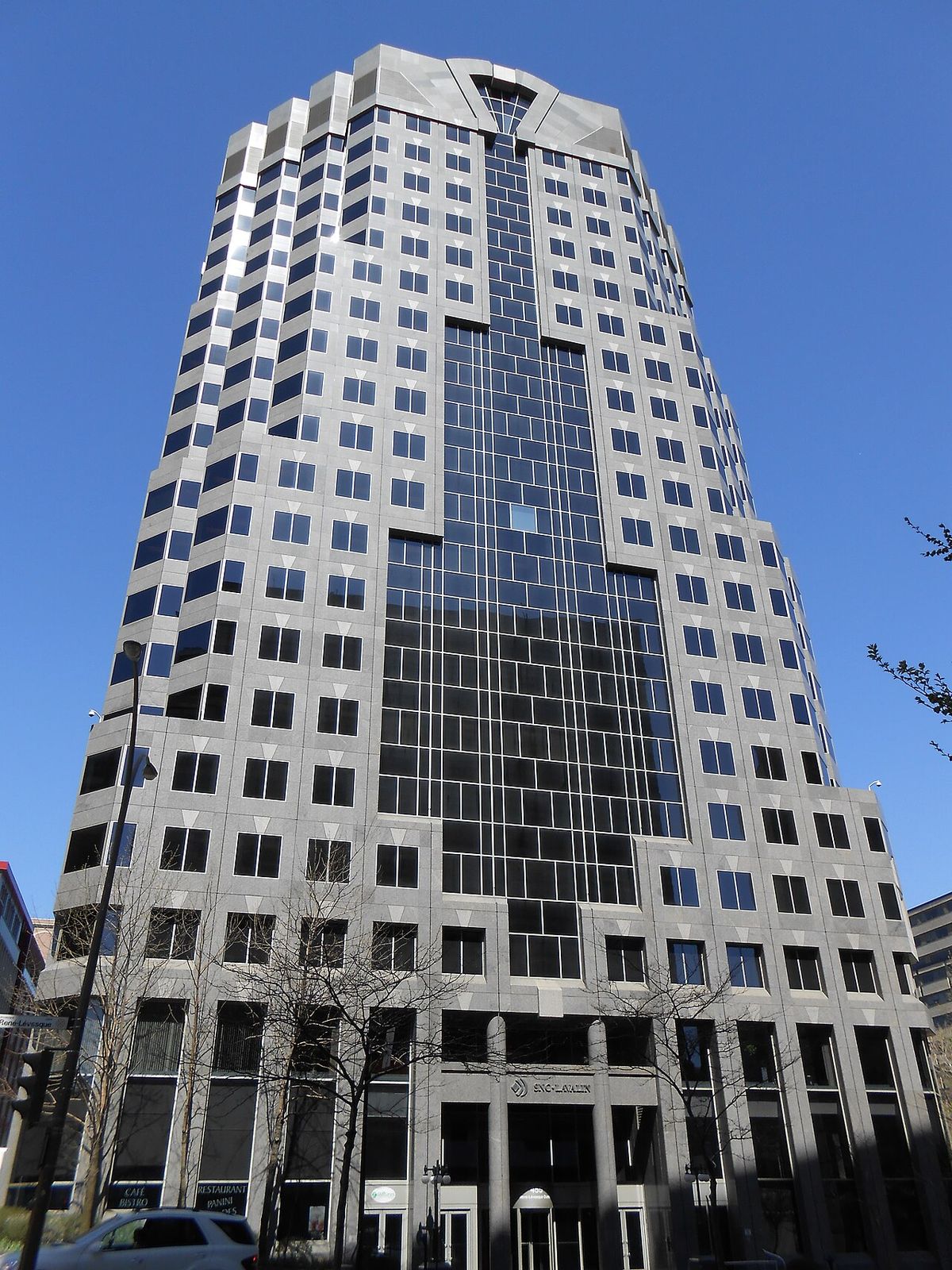
The origins of the affair lie in long-standing allegations of corruption against the multinational engineering firm SNC-Lavalin. The company's board became aware of financial irregularities concerning its activities in Libya by early 2009, including concerns over a CA$1.9 million trip for Al-Saadi Gaddafi paid by the company. On 19 February 2015, the Royal Canadian Mounted Police and the Public Prosecution Service of Canada laid criminal charges against SNC-Lavalin Group Inc. and two subsidiaries, SNC-Lavalin International Inc. and SNC-Lavalin Construction Inc. The charges included one count of fraud and one count of corruption under the Corruption of Foreign Public Officials Act. The allegations stated that between 2001 and 2011, the company paid CA$48 million in bribes to officials in Muammar Gaddafi's Libyan government and defrauded Libyan organizations of CA$130 million. A criminal conviction would have made the company ineligible for federal government contracts for up to ten years under Canada's Integrity Regime, posing an existential threat to its business.
Following the 2015 election of Justin Trudeau's Liberal government, SNC-Lavalin engaged in an extensive twenty-month lobbying campaign involving fifty-one meetings. The company sought changes to the Criminal Code to introduce a new legal mechanism known as a deferred prosecution agreement. The government passed legislation introducing DPAs in an omnibus budget bill in June 2018. The inclusion of these amendments in budget legislation raised concerns from some MPs, including Liberal MP Greg Fergus. On 9 October 2018, the Director of Public Prosecutions, Kathleen Roussel, informed SNC-Lavalin in a letter that she would not invite the company to negotiate a DPA, citing the gravity of the case and the involvement of senior officers. In May 2018, former SNC-Lavalin executive Normand Morin was charged with making illegal political donations totalling about CA$110,000 to the Liberal Party and CA$8,000 to the Conservatives from 2004 to 2011.

The Allegations and Initial Revelations
On 7 February 2019, The Globe and Mail published a report based on unnamed sources alleging that from October 2018, the Prime Minister's Office had pressured then Minister of Justice and Attorney General Jody Wilson-Raybould to intervene in the prosecution and overturn the DPP's decision. The article stated that Wilson-Raybould had refused to intervene because she trusted the DPP's judgment and wished to avoid any perception of political interference. This reporting followed Wilson-Raybould's reassignment from the justice portfolio to Minister of Veterans Affairs in a cabinet shuffle on 14 January 2019, a move widely interpreted as a demotion. Prime Minister Trudeau immediately denied the allegations, telling reporters they were false. In the days following, opposition politicians questioned whether Wilson-Raybould's removal was linked to her stance on the SNC-Lavalin prosecution.
On 11 February 2019, the Conflict of Interest and Ethics Commissioner, Mario Dion, announced he would open an investigation into the allegations, citing reason to believe a contravention of Section 9 of the Conflict of Interest Act may have occurred. This section prohibits public office holders from using their position to influence a decision to improperly further another person's private interests. The announcement came after a complaint was filed by the advocacy group Democracy Watch. In a press conference that day, Trudeau expressed full confidence in Wilson-Raybould and stated he had told her previously that decisions regarding the DPP were hers alone. Wilson-Raybould would not comment on the article, citing solicitor-client privilege.
Key Resignations and Parliamentary Hearings
The affair prompted a series of dramatic resignations from the Liberal government. Jody Wilson-Raybould resigned from the cabinet on 12 February 2019, the day after the ethics investigation was announced. In her resignation letter, she stated she had retained former Supreme Court Justice Thomas Cromwell for advice on what she could legally discuss. Gerald Butts, Trudeau's Principal Secretary and close friend, resigned on 18 February 2019. Fellow Liberal cabinet minister Jane Philpott, then President of the Treasury Board, resigned on 4 March 2019 over the government's handling of the affair, stating she had lost confidence in it. The House of Commons Justice Committee held multiple hearings to investigate the matter.
Key witnesses included Wilson-Raybould, Gerald Butts, and Michael Wernick, the Clerk of the Privy Council. Wilson-Raybould testified on 27 February that she experienced consistent and sustained pressure from the Prime Minister's Office and other officials to intervene in the prosecution, which she viewed as an inappropriate breach of prosecutorial independence. She named eleven people involved including Trudeau, Wernick, Butts, Katie Telford, and Bill Morneau. Butts and Wernick testified that their communications were aimed at finding a political solution after the DPP's decision and were not improper pressure. Wilson-Raybould controversially revealed she had secretly recorded a conversation with Wernick from 19 December 2018. Following the hearings, Wernick announced his early retirement from the Privy Council. The Justice Committee held eleven meetings over five weeks with thirteen hours of testimony from ten witnesses before Liberal members voted to end the probe on 19 March.
- 12 February 2019: Jody Wilson-Raybould resigns from cabinet.
- 18 February 2019: Principal Secretary Gerald Butts resigns.
- 4 March 2019: Treasury Board President Jane Philpott resigns from cabinet.
- 27 February 2019: Wilson-Raybould testifies before the Justice Committee.
- 6 March 2019: Gerald Butts and Michael Wernick testify.
- 19 March 2019: Justice Committee votes to end its investigation.
- 18 April 2019: Michael Wernick retires as Clerk of the Privy Council.
Ethics Commissioner's Report and Findings
After a six-month investigation, Ethics Commissioner Mario Dion issued his report on 14 August 2019. The report concluded that Prime Minister Justin Trudeau had contravened Section 9 of the Conflict of Interest Act by improperly pressuring Jody Wilson-Raybould. Commissioner Dion found that the authority of the Prime Minister and his office was used to circumvent, undermine and ultimately attempt to discredit the decision of the Director of Public Prosecutions. He wrote that while Wilson-Raybould was never officially directed to interfere, the influence exerted by the PMO was tantamount to political direction. The commissioner reported that he did not find evidence that actual political interference in the prosecution occurred, but he also noted he did not have access to all potential evidence, such as cabinet confidences.
The report stated that Trudeau's actions were motivated by a desire to secure a DPA for SNC-Lavalin to protect Canadian jobs and the company's continued viability, which aligned with the company's private interests. Under the Conflict of Interest Act, no specific sanctions are prescribed for such a violation. In response to the report's release, Prime Minister Trudeau issued a statement taking responsibility for the events but also defending his actions. Opposition leaders rejected this defence and called for further investigations. In April 2019, prior to the report's release, Trudeau had expelled both Jody Wilson-Raybould and Jane Philpott from the Liberal caucus. Democracy Watch filed a lawsuit challenging the report for not finding other officials guilty.
Legal and Constitutional Principles at Stake
The scandal placed a spotlight on the foundational constitutional principle of prosecutorial independence in Canada. This principle, affirmed by the Supreme Court of Canada in cases like Miazga v Kvello Estate and Krieger v Law Society of Alberta, holds that the Attorney General must act independently of partisan political pressure when exercising authority over prosecutions. This independence is considered constitutionally entrenched to ensure the integrity of the justice system. The role is further guided by the Shawcross principle, which states that while the Attorney General may consult cabinet colleagues, the responsibility for the decision is theirs alone, and the government must not exert pressure.
Institutional safeguards exist to protect this independence. The Public Prosecution Service of Canada was established as an independent agency in 2006 under the Director of Public Prosecutions Act. The DPP, Kathleen Roussel in this case, is responsible for federal prosecutions. While the Attorney General retains the authority to issue a directive to the DPP or take over a prosecution, any such directive must be provided in writing and published in the Canada Gazette to ensure transparency. The central allegation in the affair was that the PMO sought to influence the Attorney General's discretion regarding such a directive. In a Federal Court decision on 8 March 2019, the court rejected SNC-Lavalin's application to compel a DPA, reaffirming prosecutorial independence.
Political and Public Opinion Impact
The SNC-Lavalin affair had a significant and immediate impact on political dynamics and public opinion. Polling conducted in February 2019 by the Angus Reid Institute revealed the scandal was taking a toll on the Trudeau government. The institute's Engagement Index showed public attention to the story was well above average. A majority of Canadians, 66 percent, believed there was a deeper scandal to be uncovered in the Prime Minister's Office, while 63 percent said SNC-Lavalin should be fully prosecuted rather than offered a DPA. The poll also found 60 percent held an unfavourable view of Prime Minister Trudeau, with 59 percent saying their opinion of him had worsened over the previous month.
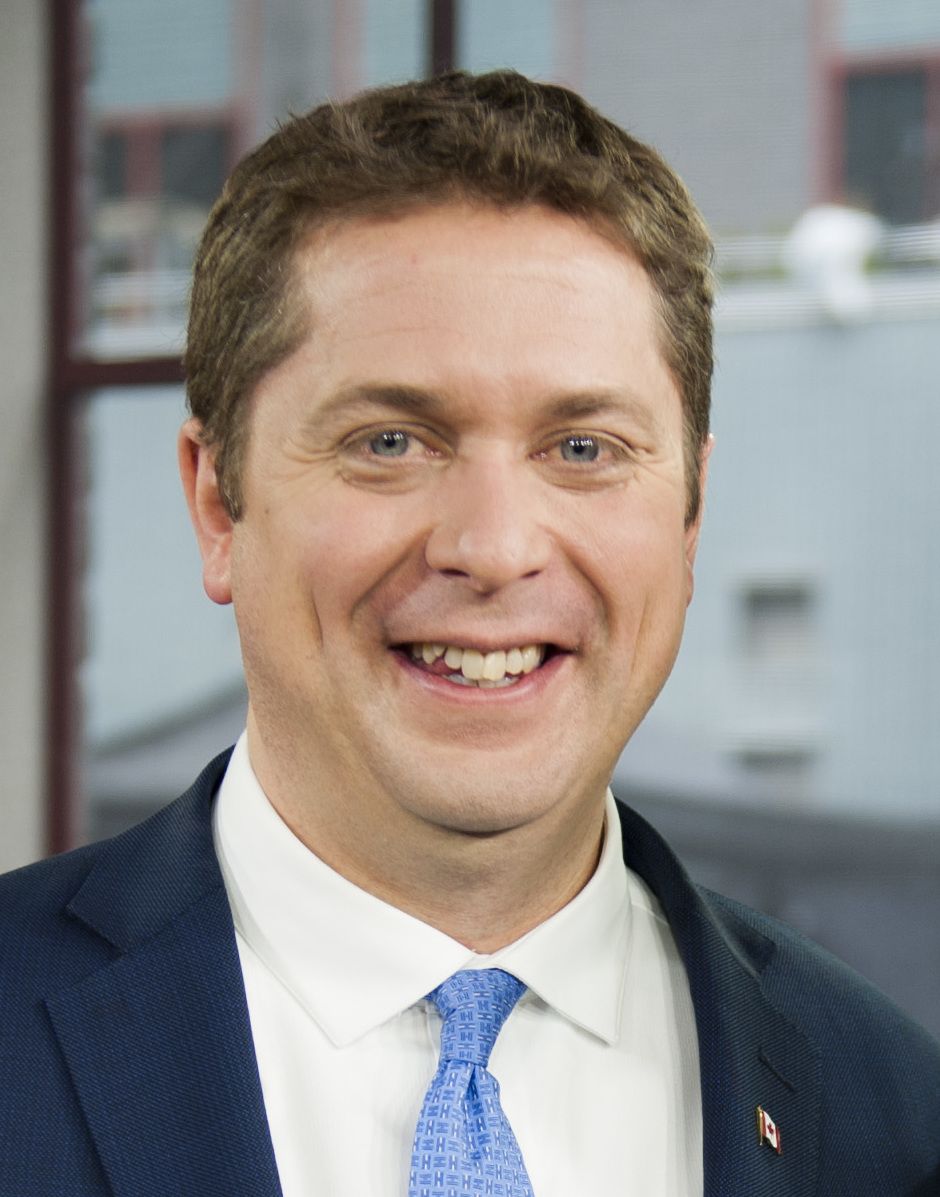
This shift in sentiment translated into electoral projections. The same poll indicated that if an election were held at that time, the Conservative Party under Andrew Scheer would lead the Liberals by seven percentage points. The scandal dominated the political news cycle for weeks, contributing to a narrative of government misconduct in the lead-up to the 2019 federal election. The affair also sparked a broader debate about diversity and party discipline, given that Wilson-Raybould was the first Indigenous person to serve as Canada's Minister of Justice and Attorney General. On 2 April 2019, Trudeau expelled Wilson-Raybould and Philpott from the Liberal caucus and removed them as party candidates for the upcoming election.
| Poll Finding (Feb 2019) | Percentage |
|---|---|
| Believed deeper scandal existed | 66% |
| Believed SNC-Lavalin should be fully prosecuted | 63% |
| Unfavourable view of Prime Minister Trudeau | 60% |
| Opinion of Trudeau worsened over previous month | 59% |
| Projected Conservative vote share | 38% |
| Projected Liberal vote share | 31% |
Aftermath and Lasting Significance
In the years following the ethics report, the affair continued to be a reference point in Canadian politics. SNC-Lavalin itself continued its legal battles. In a decision issued on 8 March 2019, the Federal Court rejected the company's application to compel a DPA, affirming that the decision not to offer a DPA was within the prosecutor's discretion. On 18 December 2019, SNC-Lavalin Construction Inc. pleaded guilty to fraud and was fined $280 million as part of a plea agreement. The company admitted to paying over $47.5 million in bribes to Al-Saadi Gaddafi between 2001 and 2011. The company later rebranded as AtkinsRéalis in 2023.
The SNC-Lavalin affair is considered one of the most significant cases of ministerial resignations and party discipline in Canadian political history. It showed the tension between political considerations and the constitutional imperative of an independent justice system. The scandal led to a rare finding of an ethics violation by a sitting prime minister. Former Deputy Prime Minister Anne McLellan was appointed as a Special Advisor and her report, released on 14 August 2019, recommended keeping the roles of Minister of Justice and Attorney General combined but called for new protocols to govern consultations. Opposition Leader Andrew Scheer called for an RCMP investigation into potential obstruction of justice, and the RCMP reviewed the matter.
Questions about SNC-Lavalin affair
What was the SNC-Lavalin affair about?
The SNC-Lavalin affair was a political scandal involving allegations that Prime Minister Justin Trudeau and his office improperly pressured then Minister of Justice and Attorney General Jody Wilson-Raybould to intervene in a criminal prosecution. They sought to have her overturn a decision by the Director of Public Prosecutions and offer the engineering firm SNC-Lavalin a deferred prosecution agreement instead of pursuing a criminal trial. The allegations centred on attempts to influence the attorney general's independent decision-making power, which is protected by the constitutional principle of prosecutorial independence. The Ethics Commissioner later found Trudeau had contravened the Conflict of Interest Act by improperly pressuring Wilson-Raybould.
What did the Ethics Commissioner conclude?
On 14 August 2019, Ethics Commissioner Mario Dion concluded that Prime Minister Justin Trudeau contravened Section 9 of the Conflict of Interest Act. The commissioner found Trudeau improperly used his position of authority to influence Jody Wilson-Raybould, with the goal of furthering SNC-Lavalin's private interests. The report stated the pressure from the Prime Minister's Office was tantamount to political direction. Commissioner Dion did not find evidence that actual political interference in the prosecution occurred but noted his investigation did not have access to all evidence, including nine witnesses withheld by the Privy Council. No specific sanctions are prescribed under the Act for such a violation.
Why was SNC-Lavalin being prosecuted?
SNC-Lavalin was charged with fraud and corruption on 19 February 2015. The Royal Canadian Mounted Police and the Public Prosecution Service alleged the company paid CA$48 million in bribes to officials in Muammar Gaddafi's Libyan government between 2001 and 2011. They also alleged the company defrauded Libyan organizations of CA$130 million during the same period. A criminal conviction would have resulted in the company being barred from bidding on federal government contracts for up to ten years under Canada's Integrity Regime. The company pleaded guilty to fraud in December 2019 and was fined $280 million.
What is a deferred prosecution agreement (DPA)?
A deferred prosecution agreement is a legal mechanism introduced into Canada's Criminal Code in June 2018. It allows a corporation charged with an offence like fraud or corruption to negotiate an agreement with federal prosecutors, under the supervision of a judge. If the company meets specified terms, such as paying a fine or implementing compliance reforms, it can apply for a judicial stay of proceedings, thereby avoiding a criminal trial, conviction, and associated penalties. The DPA legislation was passed in an omnibus budget bill. SNC-Lavalin lobbied extensively for its creation over twenty months through fifty-one meetings with officials.
Who resigned because of the scandal?
The scandal led to several high-profile resignations. Jody Wilson-Raybould resigned from her cabinet position as Minister of Veterans Affairs on 12 February 2019. Gerald Butts, Prime Minister Trudeau's Principal Secretary, resigned on 18 February 2019. Jane Philpott, the President of the Treasury Board, resigned from cabinet on 4 March 2019, stating she had lost confidence in the government's handling of the affair. Michael Wernick, the Clerk of the Privy Council, announced his early retirement on 18 March and retired on 18 April. Later, in April 2019, both Wilson-Raybould and Philpott were expelled from the Liberal caucus by Prime Minister Trudeau.
What was the political fallout?
The affair significantly damaged the Trudeau government's standing. Polls in February 2019 showed 66 percent of Canadians believed there was a deeper scandal and 63 percent thought SNC-Lavalin should be fully prosecuted. Conservative support led Liberal support by seven points. Opposition Leader Andrew Scheer called for Trudeau's resignation and an RCMP investigation into obstruction of justice. The OECD Working Group on Bribery expressed concerns and monitored the Canadian investigations. The scandal contributed to a narrative of government misconduct ahead of the 2019 election. It also raised debates about the treatment of Indigenous and female ministers within the Liberal Party after Wilson-Raybould and Philpott were expelled.
Sources and further reading
- SNC-Lavalin affair (Wikipedia)
- SNC-Lavalin Scandal Impact (angusreid.org)
- What does the SNC-Lavalin affair tell us about diversity? (policyoptions.irpp.org)
- Is the SNC-Lavalin controversy truly a scandal? (carleton.ca)
Checked by the Nosy Mag desk. Last updated 2026-10-27.