Gin rummy
Gin rummy is a classic two-player card game of skill and strategy, derived from the broader rummy family. The objective is to be the first player to reach a target score, typically 100 points, by forming melds (sets or runs) from a ten-card hand and minimizing deadwood (unmatched cards). Created in 1909, the game surged in popularity during the mid-20th century and remains a staple of social and online card gaming. For Canadian players, gin rummy offers a compelling blend of accessible rules and deep tactical play, available in countless digital formats and as a timeless physical pastime.
History and Origins
The game of gin rummy was invented in 1909 by Elwood T. Baker and his son, C. Graham Baker. It remained a local game in New York until 1941, when it was publicized throughout the United States after becoming a Hollywood fad. The game's popularity exploded during the Second World War, with a 1947 survey by an association of U.S. playing card manufacturers finding the number of people who learned gin rummy during the war equalled those who learned pinochle, cribbage, poker, and bridge combined. Magician John Scarne theorized it evolved from 19th-century whiskey poker, while card game historian David Parlett finds that theory implausible and considers Conquian the likely forerunner.
Game Objective and Setup
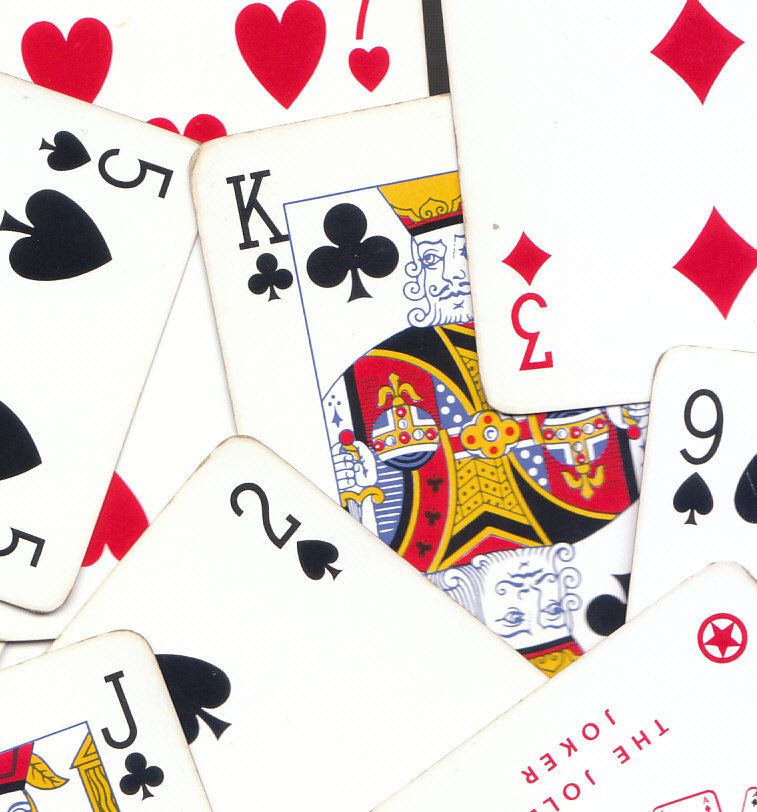
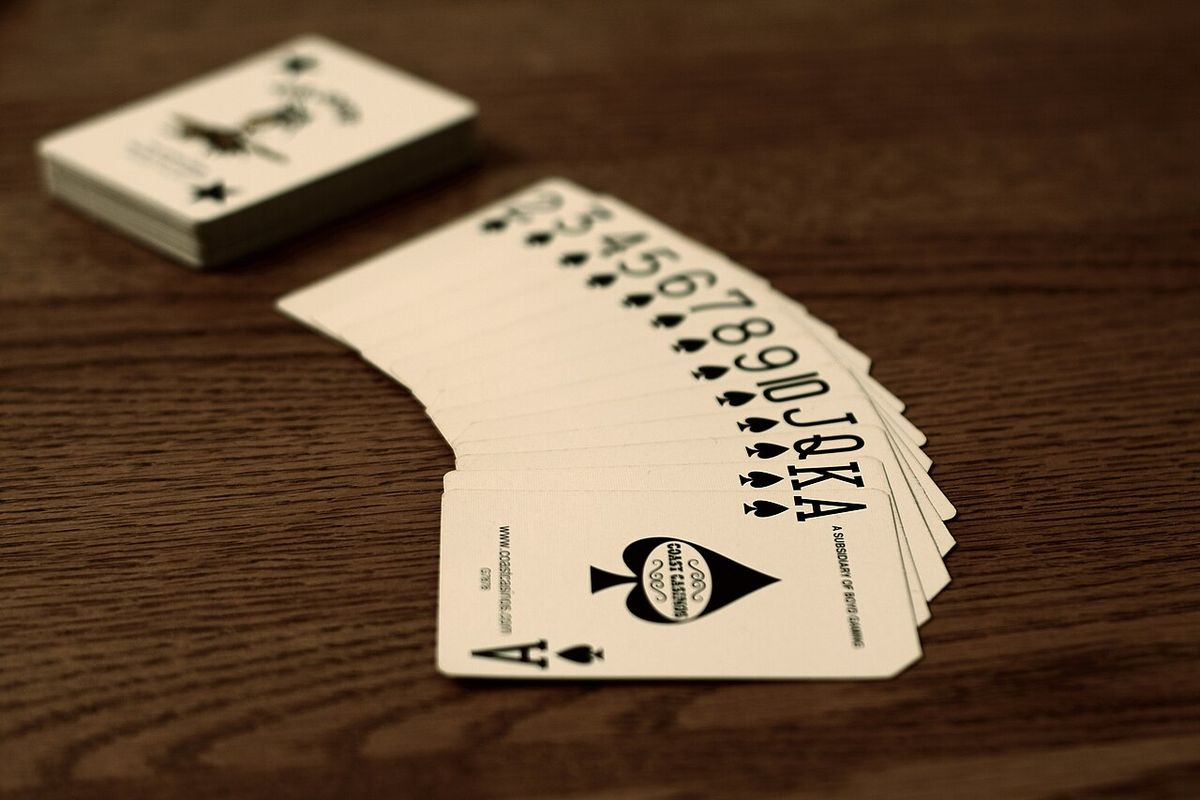
The primary goal in gin rummy is to be the first player to reach a predetermined score, most commonly 100 points. Players achieve this by winning individual hands, where the winner scores points based on the quality of their card combinations. The game uses a standard 52-card deck, with the ranking from highest to lowest being King, Queen, Jack, 10, 9, 8, 7, 6, 5, 4, 3, 2, Ace. Aces are low, valued at one point, and can only form the low end of a sequence such as A-2-3. A run like Q-K-A is not permitted. The dealer, chosen randomly for the first hand and alternating thereafter, deals ten cards to each player one at a time starting with the opponent. The next card is placed face up to start the discard pile, and the remaining deck is placed face down as the stock pile.
Core Rules and Gameplay
Gin rummy is played in a series of turns where players draw and discard cards to improve their hand. A turn consists of drawing one card from either the face-up discard pile or the face-down stock pile, then discarding one card from the hand to the discard pile. A key restriction is that if a player draws the top card from the discard pile, they cannot discard that same card back on the same turn. The non-dealer has the first option to take the initial face-up card or pass. If they pass, the dealer may take it. If both pass, the non-dealer must draw the top card from the stock pile. Play continues with players alternating turns.
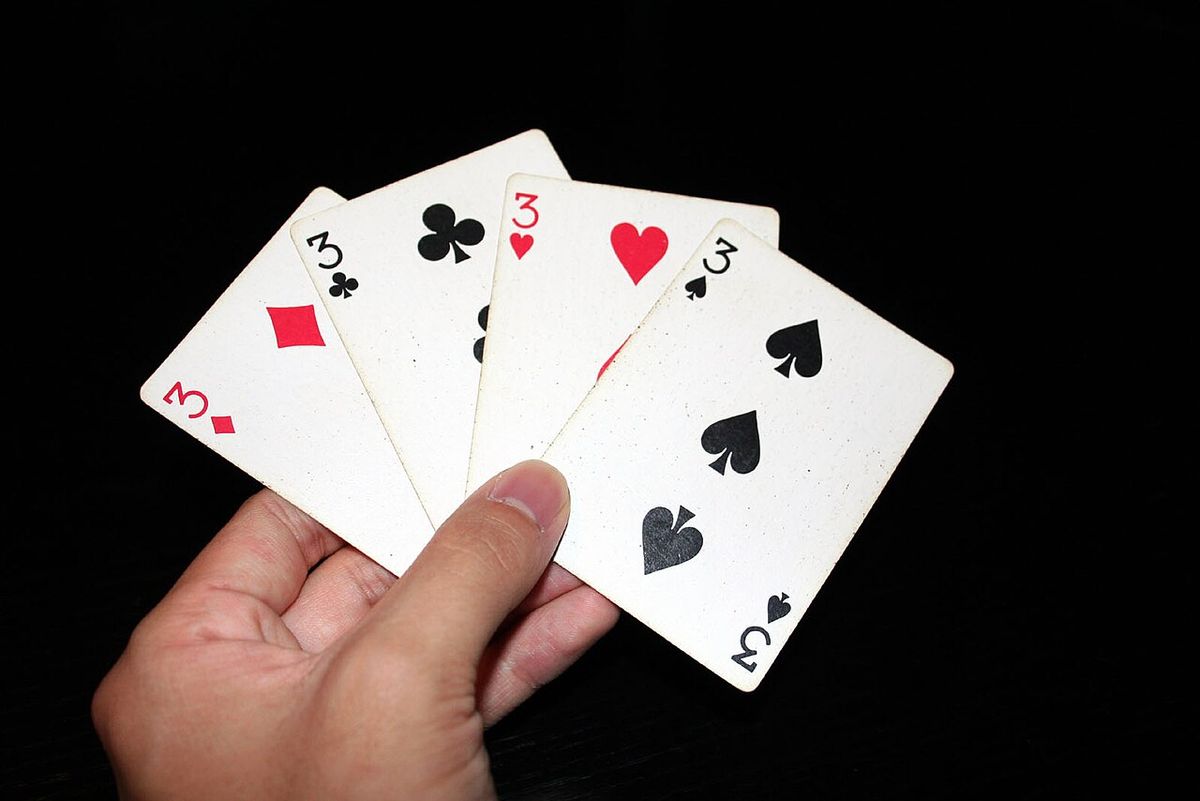
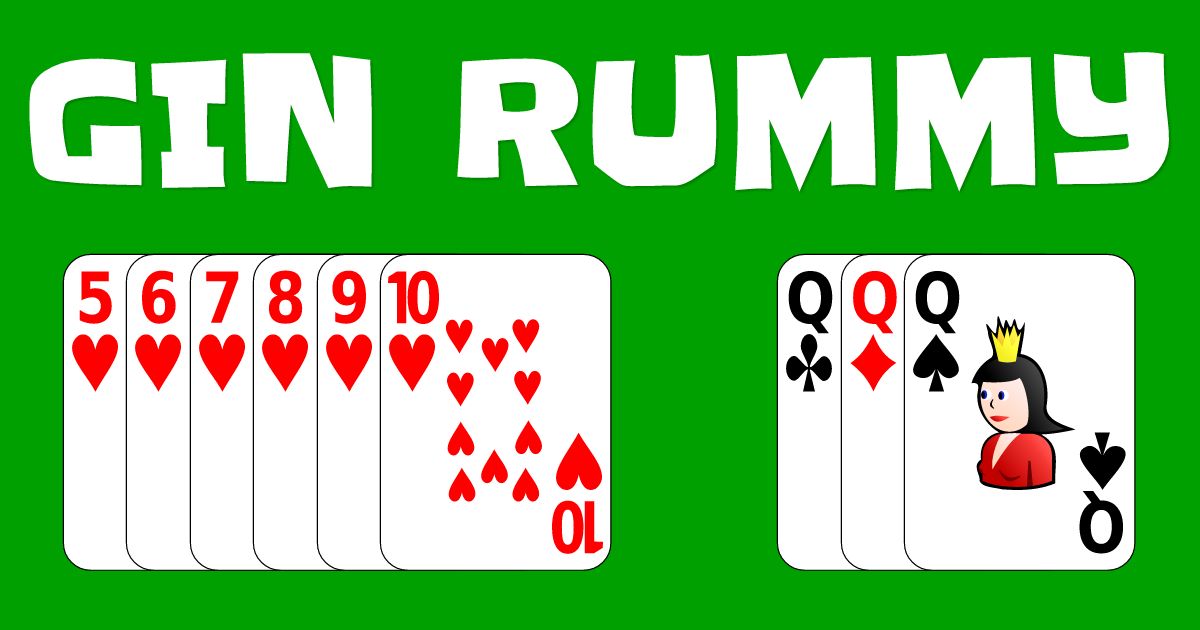
The hand continues until a player knocks or until only two cards remain in the stock pile, which results in a draw with no points awarded and the same dealer dealing again. Players aim to form their ten cards into melds, which are either sets of three or four cards of the same rank or runs of three or more consecutive cards of the same suit. Cards not part of any meld are called deadwood, and their point values are summed. Face cards (King, Queen, Jack) are worth 10 points each, aces are worth 1 point, and all other cards are worth their pip value. Intersecting melds are not allowed. A card cannot be part of both a set and a run simultaneously.
Key Actions During Play- Draw: Choose to take the top card of the discard pile or the stock pile.
- Discard: End your turn by placing one card from your hand onto the discard pile.
- Knock: End the hand after discarding if your deadwood total is 10 points or less, indicated by laying the discard face down or a verbal declaration.
- Going Gin: Knock with zero deadwood points, meaning all ten cards are in melds.
- Big Gin: If holding a gin hand, a player may continue to draw an eleventh card that fits their melds, declare Big Gin, and score a 31-point bonus.
- Lay Off: After a knock (but not after a gin), the opponent may add their deadwood cards to the knocker's melds to reduce their own deadwood count.
Detailed Scoring System
Scoring in gin rummy involves comparing deadwood counts after a hand ends with a knock. The player with the lower deadwood count scores points equal to the difference. If the knocking player has the lower count, they score the difference. If the defending player ties or has a lower count (an undercut), they score the difference plus an undercut bonus. Several bonus points are also awarded throughout a game. Early official rules used a 20-point gin bonus and a 10-point undercut bonus, but modern common values are higher.
Common bonus point values include 25 points for going gin, 25 points for an undercut, and a 100-point game bonus for being the first to reach the target score. A line or box bonus of 25 points is often added at the game's end for each hand a player won. In a shutout where one player wins every hand, points for each hand may be doubled before adding the line bonus. Some rule sets feature a Big Gin bonus of 31 points if a player forms an 11-card gin hand before knocking. In tournament rules the game is played in best of five with 250 points per game.
| Scoring Event | Points Awarded (Common) | Notes |
|---|---|---|
| Winning a hand (difference) | Difference value | Knocker wins if they have lower deadwood. |
| Going Gin bonus | 25 | Plus all opponent's deadwood. No layoffs allowed. |
| Undercut bonus | 25 | Plus difference. Awarded to defender. |
| Game bonus (reaching target) | 100 | Awarded to player who reaches 100 points first. |
| Line/Box bonus (per hand won) | 25 | Added at game end, does not count toward 100-point target. |
| Big Gin bonus | 31 | Plus all opponent's deadwood. |
| Shutout bonus | Double hand points | If winner won every hand. |
Common Variations and Rule Sets
Several popular variations of gin rummy modify the standard rules to alter strategy or scoring. Straight gin requires players to play until one can go gin, disallowing knocks with deadwood entirely. Oklahoma gin uses the value of the first face-up card to set the maximum deadwood count for knocking. If that card is a 4, you may only knock with 4 or fewer deadwood points. If the card is a spade, the hand's score is doubled. In match play, a second deck is sometimes used to determine this knock value card.
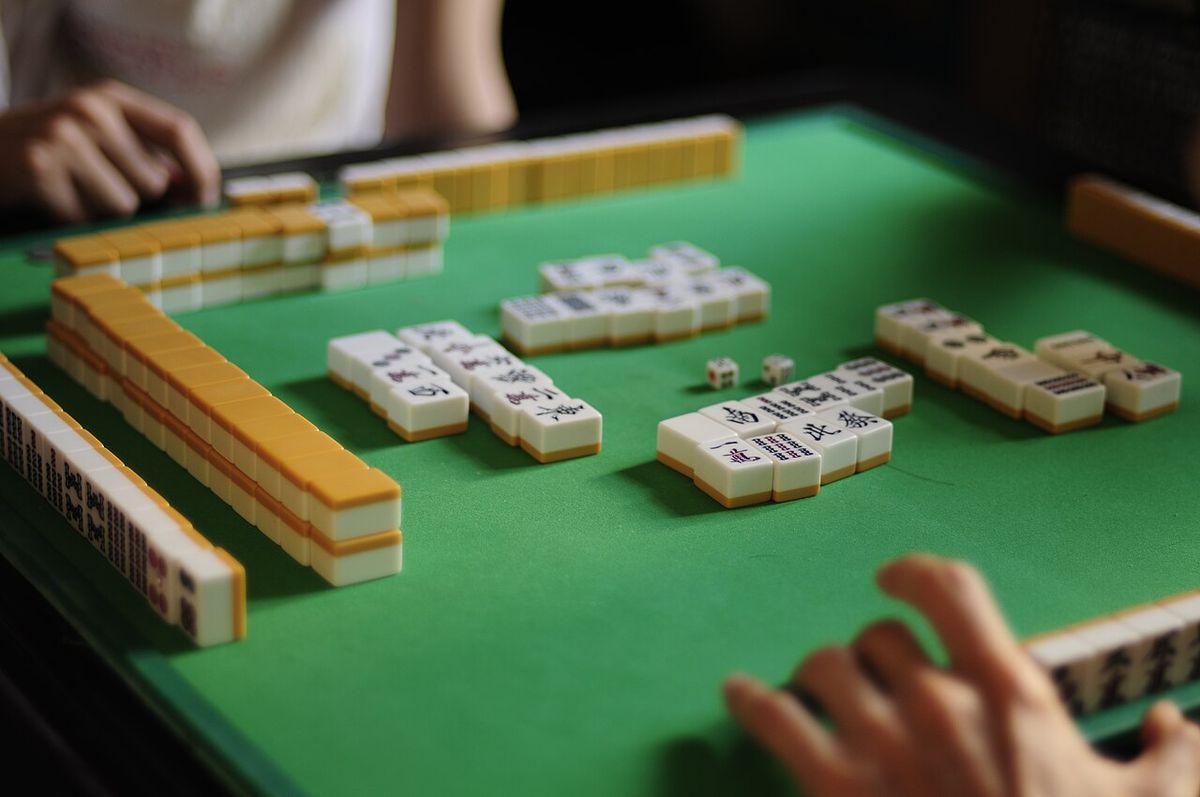
Hollywood gin is a scoring method where three simultaneous games are tracked on a scoresheet. A player's first win is recorded in Game One, their second win in Game One and Game Two, and their third and subsequent wins in all three games. Games are played until all three columns are finished, then totals are summed. Tedesco gin allows aces to be high or low and runs to wrap around the corner, but penalizes unmelded aces with 15 points. Mahjong gin prohibits knocking and allows multiple cards to be taken in order from the discard pile, with complex table scoring where cards on the table are added and cards in hand are subtracted.
Summary of Key Variations- Straight Gin: Knocking is not allowed. Play continues until a player goes gin.
- Oklahoma Gin: Knock value set by first upcard. Spades double the hand score.
- Hollywood Gin: Scoring format tracking three simultaneous games.
- Tedesco Gin: Aces high/low, corner runs, heavy penalty for unmelded aces.
- Mahjong Gin: No knocking, multiple cards can be taken from discard pile.
- Single Match: Standard play to 100 points.
- Multi-Match: Match scores reset to zero each match, game scores accumulate to 500+.
Playing Gin Rummy Online and Digitally
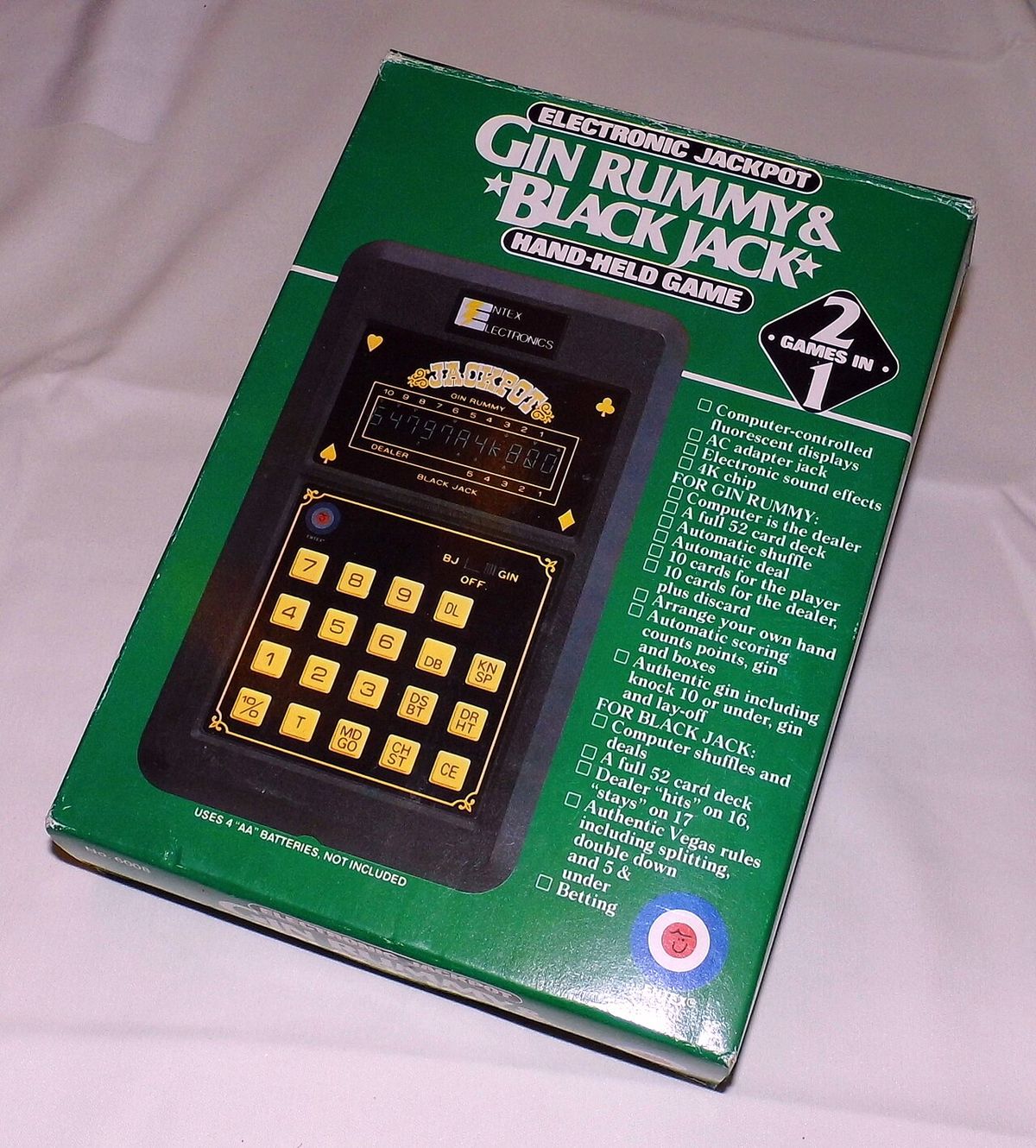
The digital era has made gin rummy more accessible than ever, with numerous platforms offering free online play against computers or human opponents. These online versions faithfully replicate the standard rules, allowing players to join public tables or create private games with friends. A notable app is Card World: Rummy 500 & Gin, which focuses on turn-based multiplayer matches with friends or global opponents. This app emphasizes accessibility, featuring built-in support for VoiceOver, TalkBack, Switch Control, external keyboard navigation, Dynamic Type, and colour-blind-friendly cards from its initial design.
The core appeal of online gin rummy is the convenience of playing a strategic two-player game anytime, without the need for physical cards or a partner present. Many sites and apps are free to download and play, with in-app purchases available. They often include interactive tutorials, real-time statistics, and the ability to play at one's own pace in turn-based format. The developer behind Card World also created the popular Dice World app, indicating a committed development path for digital card games.
Features and Trends in Digital Gin Rummy- Free-to-play models with optional in-app purchases for enhancements.
- Play against adjustable AI difficulty or real human opponents worldwide.
- Public lobbies and private table creation for invited players.
- Interactive tutorials and rule guides for learning the game step-by-step.
- Comprehensive accessibility features integrated from the start.
- Turn-based gameplay allowing matches to proceed at each player's pace.
- Real-time game statistics and tracking of totals from every game played on the platform.
- Development focused on social, multiplayer experiences rather than solo play.
Strategy, Skill, and Notable Figures
Success in gin rummy hinges on three core skills: drawing cards without revealing your strategy, discarding safely to avoid helping your opponent, and knowing the optimal moment to knock. Players must constantly evaluate the risk of holding high deadwood versus the potential reward of drawing into a gin or improving melds. Discard strategy is critical, as experienced opponents will track discards to deduce your hand. Knowing when to knock early with a low count versus playing for gin is a fundamental strategic decision that varies with the score and the perceived state of the opponent's hand.
The game's most legendary figure is Stu Ungar, widely considered the greatest gin rummy player of all time. His near-total dominance in high-stakes games during the 1970s and 1980s, attributed to a near-clairvoyant ability to read opponents, is thought to have contributed to the decline of gin rummy as a tournament game in Las Vegas, as opponents became scarce. Other notable figures include champion games player Oswald Jacoby, a master of contract bridge and backgammon who also played high-stakes gin and wrote on the subject. Comedian and television pioneer Ernie Kovacs published a book titled 'How to Talk at Gin' in 1962. The game has a rich cultural presence, featuring in films like The Apartment and Goldfinger, where Auric Goldfinger cheats at gin, and in television series such as The Golden Girls and Downton Abbey.
Gin Rummy in Canadian Context
Gin rummy holds a familiar place in Canadian homes and game nights, sharing the appeal of other classic card games like cribbage. Its straightforward rules make it easy for newcomers to learn, while the strategic depth provides lasting engagement for seasoned players. The game's popularity is sustained by its digital availability, allowing Canadians to play across vast distances, a particular benefit in a large, geographically dispersed country. The emphasis on accessibility in modern apps like Card World, with features supporting diverse needs, aligns with broader Canadian values of inclusivity.
The game's scoring and tournament structures, such as multi-match games to 500 points or Hollywood scoring, are commonly adopted in casual and club play. The existence of specific variations like Oklahoma gin, where the knock value is determined by a single card, adds a layer of chance that can appeal to a wide range of players. As a two-player game, it fits perfectly into the dynamic of partners or friends seeking a direct, head-to-head challenge without the need for a larger group, making it a versatile choice for social entertainment. The game's depiction in popular media, from classic films to contemporary apps, ensures its continued relevance and introduction to new generations of players across Canada.
Questions about Gin rummy
How do you play gin rummy?
Gin rummy is played by two people with a standard 52-card deck. Each player is dealt ten cards. The goal is to form melds (sets of three or four of a kind, or runs of three or more in the same suit) and minimize deadwood (unmatched cards). Players take turns drawing one card from either the discard pile or stock pile and then discarding one. A player can knock to end the hand when their deadwood totals 10 points or less. The player with the lower deadwood count after layoffs scores the difference. The game ends when a player reaches 100 points.
What are the basic gin rummy rules?
The basic rules involve dealing ten cards each, drawing and discarding each turn, and forming melds. Aces are low, worth one point, and can only be used in runs like A-2-3. Face cards are worth 10 points, number cards their pip value. You may knock with 10 or fewer deadwood points. After a knock, the opponent may lay off cards onto your melds. Scoring involves the difference in deadwood, with bonuses for gin (25 points), undercut (25 points), and winning the game (100 points). The game ends when a player reaches 100 points.
Can you play gin rummy online for free?
Yes, many websites and mobile apps offer free online gin rummy. You can play against computer opponents or other people in real time. Platforms often feature public tables and the ability to create private games to invite friends. Notable apps like Card World: Rummy 500 & Gin provide turn-based multiplayer matches. These digital versions typically require no registration or payment to start playing, making the classic game highly accessible.
What is the difference between gin rummy and rummy?
Gin rummy is a specific two-player variant of the larger rummy family. Key differences include the number of players (gin is exclusively for two), the number of cards dealt (ten in gin versus seven or more in other rummy games), and the knocking mechanism. In gin, you knock to end the hand when your deadwood is low, whereas in many other rummy games, you lay down your melds during play. Gin also features unique scoring with bonuses for gin and undercuts, and does not use wild cards.
What does 'going gin' mean?
Going gin means a player knocks with zero points of deadwood, meaning all ten cards in their hand form valid melds. When a player goes gin, the opponent is not allowed to lay off any of their deadwood cards onto the gin hand. The player who goes gin scores a bonus (typically 25 points) plus the total count of all the deadwood in their opponent's hand. In early official rules, the gin bonus was 20 points.
Who invented gin rummy?
Gin rummy was invented in 1909 by Elwood T. Baker and his son, C. Graham Baker. The game remained local to New York until 1941 when it was publicized throughout the United States after becoming a Hollywood fad. Magician John Scarne believed it evolved from 19th century whiskey poker, while historian David Parlett considers Conquian its forerunner. A 1947 survey found the number of people who learned gin rummy during World War II equalled those who learned pinochle, cribbage, poker, and bridge combined.
Sources and further reading
- Gin rummy (Wikipedia)
- Gin Rummy, Online & Free | Play Classic Card Games (worldofcardgames.com)
- Announcing AnonyMouse's App Pick of the Month for April 2026: Card World (applevis.com)
- Gin Rummy (bicyclecards.com)
Checked by the Nosy Mag desk. Last updated 2026-11-10.