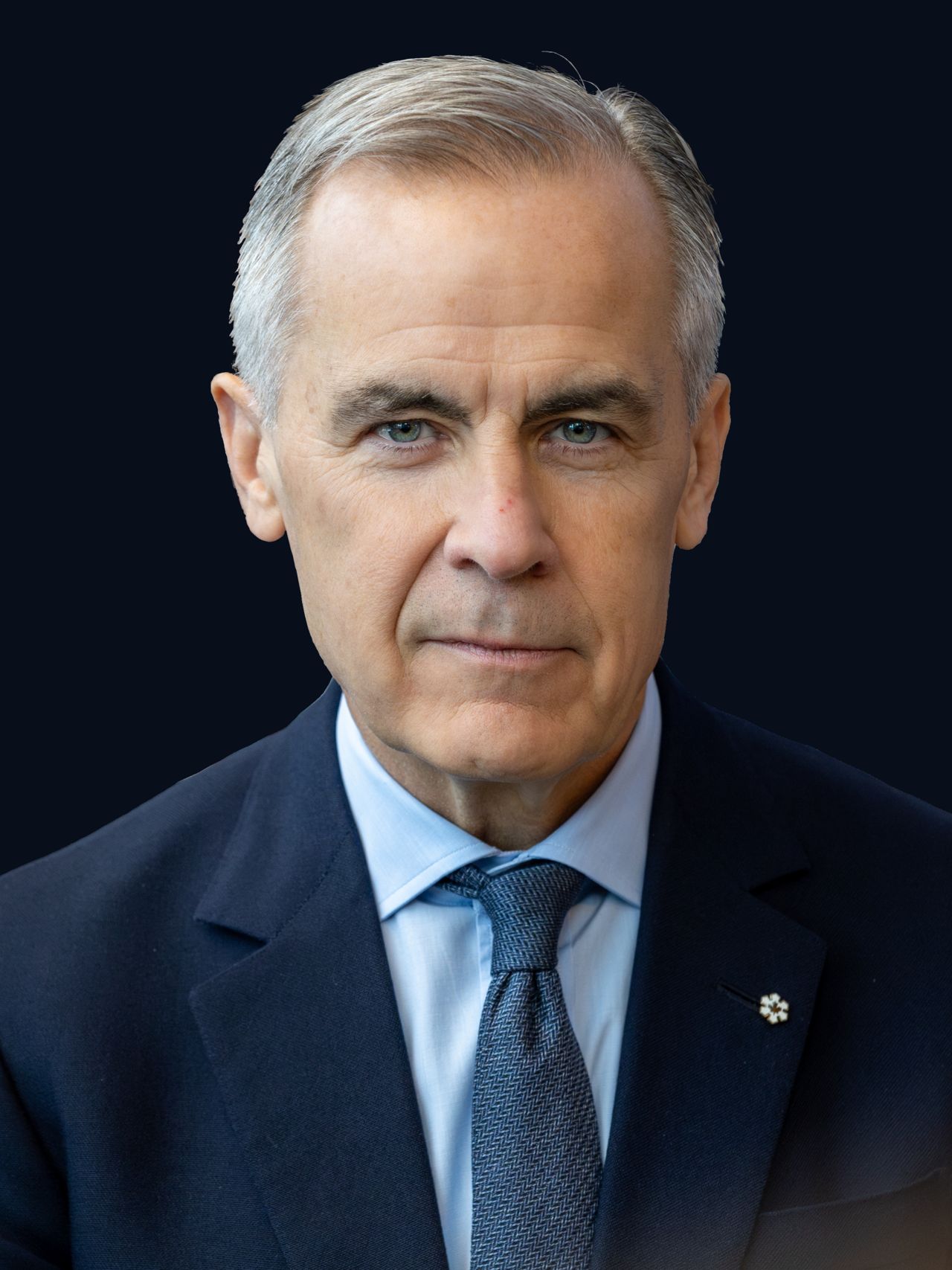
Carney says review of Indian Act has no fixed conclusion
The prime minister responded to calls from Manitoba Premier Wab Kinew to repeal the 1876 law.
Explainer
Prime Minister Mark Carney stated that a new review of the Indian Act does not guarantee the law will be abolished. He made the comment on Tuesday following a meeting with premiers and First Nations leaders where the idea of ending the 1876 legislation was discussed. Carney said the federal government is open to a co-developed process to examine the act and potential alternatives. He noted the process would involve First Nations, provinces and territories and would have no predetermined outcome.
Carney responded to a public call from Manitoba Premier Wab Kinew, who said repealing the act was long overdue. "The suggestion of reforming, potentially abolishing and fully modernizing governance, is that a process, co-developed, needs to be put in place, and the federal government is open to that process," Carney said Monday. He added that the topic was raised by several participants during the closed-door meeting. "Not everybody, but other participants raised the desirability. So it's already starting from the right place in that it's not the federal government deciding something should be done. It's responding to a request," Carney said.
READ MORE: Prime minister commits to process to move beyond Indian Act
READ MORE: Carney and Smith share stage in final push to keep Alberta in Canada
What did Manitoba Premier Wab Kinew say?
Manitoba Premier Wab Kinew, who is Anishinaabe, publicly advocated for the Indian Act's repeal during the Ottawa gathering. A member of Ojibways of Onigaming First Nation, Kinew displayed his status card to reporters and said the move should be a national priority. He reported that his proposal was received with an open mind by other leaders in the private session. Kinew said abolishing the act was a necessary step that has been delayed for too long.
What is the Indian Act?
The Indian Act is a 19th century law that grants the federal government extensive control over First Nations communities and individuals. It authorizes Ottawa to define who holds Indian status and to regulate activities on reserves. The legislation historically suppressed traditional governance systems and banned cultural ceremonies. It also extends federal oversight to wills written by individuals living on reserve, which the Indigenous Services minister can approve or nullify.
There is broad agreement among First Nations leaders that the act is obsolete and imposes restrictions. However, there is no unified vision for what a replacement system should entail. A recent focus of debate has been the act's rules for determining status, with many advocating for a shift to a one-parent lineage rule. Indigenous Services Minister Mandy Gull-Masty has indicated her government will not adopt that approach.
What are the historical precedents for change?
Past federal governments have attempted to dismantle or amend the Indian Act without success. In 1969, then Indian Affairs Minister Jean Chrétien proposed the "White Paper," which sought to abolish the act and treaties and convert reserve lands to private ownership. First Nations leaders, including Harold Cardinal of the Indian Association of Alberta, strongly opposed the plan as an assimilationist policy. Prime Minister Pierre Trudeau later reflected that the proposal was too theoretical and lacked understanding.
What are the concerns about the current process?
Some activists warn that renewed talk of abolishing the act could repeat past mistakes. Lawyer and Idle No More organizer Janice Makokis cautioned that modernization language might mask efforts to diminish Indigenous authority and enable resource development. "Our rights existed before the Indian Act, they do not depend on the Indian Act. But abolishing it without a process directed by First Nations themselves risks another era of paternalism, of Canada deciding what our freedom should look like then writing the rules for us," she said.
Assembly of First Nations National Chief Cindy Woodhouse Nepinak said the diverse nations across the country would need to determine their own path. The Ottawa meeting also touched on economic proposals, including a First Nations Sovereign Wealth Fund. Carney said he asked Finance Minister François-Philippe Champagne to explore the fund and other ways for First Nations to benefit from major projects. Nosy Mag reported earlier that Carney had directed his ministers to work with First Nations on a process to move beyond the Indian Act.
With files from The Canadian Press, CityNews and National Post