Minimum Wage Increases Coming to Several Canadian Provinces in 2023
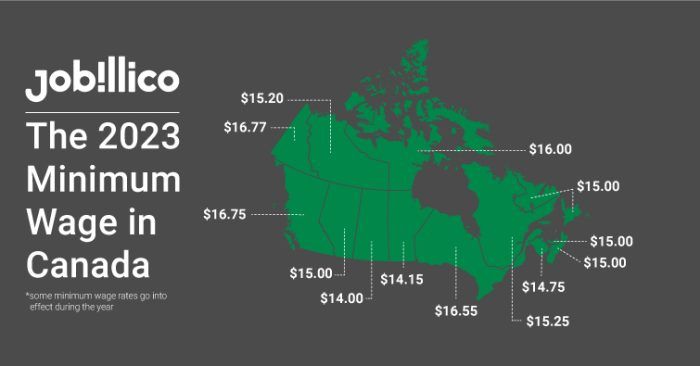
Multiple Canadian provinces are set to raise minimum wages this year to combat inflation, with five jurisdictions implementing hikes on April 1 and others planning increases later in 2023, while major provinces like Ontario and Alberta hold rates steady.
As Canadian households continue facing economic pressures from persistent inflation, provincial and territorial governments are implementing varied minimum wage policies across the country in 2023. This creates a patchwork of wage adjustments that will provide uneven relief for low-income workers depending on where they live.
April Minimum Wage Increases
Five Canadian jurisdictions will implement minimum wage increases on April 1, 2023. Manitoba, New Brunswick, Nova Scotia, Newfoundland and Labrador, and Yukon are all scheduled for wage hikes at the start of the second quarter. Several of these provinces have structured their increases as part of multi-phase adjustments, with additional raises planned later in the year.
This approach reflects governments' attempts to provide more frequent relief as inflation persists, rather than implementing a single annual adjustment. The staggered increases allow for responsiveness to changing economic conditions while giving businesses time to adapt to higher labor costs.
Additional Increases Planned for 2023
Beyond the April 1 adjustments, Quebec, Saskatchewan and Prince Edward Island have also announced minimum wage increases coming later in 2023. While specific dates and dollar amounts weren't detailed in the Narcity report, these planned hikes indicate continued efforts to address affordability concerns across multiple provinces.
The Northwest Territories is taking a different approach by revising its minimum wage calculation methodology rather than announcing a specific rate increase. This change could lead to more regular, formula-driven adjustments tied to economic indicators like inflation or average wage growth, potentially creating more predictability for both workers and employers.
Major Provinces Holding Steady
Three of Canada's most populous provinces - Ontario, British Columbia and Alberta - won't implement minimum wage increases in 2023. Ontario and B.C. both raised their minimum wages last year, with Ontario's increase to $15.50 taking effect October 1, 2022 and B.C.'s to $15.65 coming June 1, 2022.
Alberta hasn't adjusted its $15 per hour minimum since 2019, representing the longest freeze among provinces. This four-year stretch without an increase means Alberta's minimum wage workers have seen their purchasing power erode significantly amid high inflation.
Nunavut also won't increase its $16 per hour minimum wage this year. The territory had implemented a $1 increase in April 2022, representing one of Canada's highest minimum wages. The lack of movement in these jurisdictions means workers in some of Canada's most expensive housing markets won't see additional income support through minimum wage adjustments.
Skilled Trades Offer Alternative Pathways
While minimum wage policies generate significant debate, the Narcity report highlights that skilled trades represent a pathway to substantially higher earnings without requiring extensive post-secondary education. Ontario faces particular shortages in trades like electrical work, plumbing and welding.
Electricians in Ontario earn average salaries over $91,000 according to the report, while painters and decorators can yield average salaries around $76,000. These figures suggest vocational careers may offer better long-term earning potential than jobs paying slightly above minimum wage in retail or food service.
The article notes that becoming licensed in these fields requires varying training periods, highlighting how different trades offer different timelines for entering the workforce at full earning capacity. This information provides valuable context for workers considering career changes amid economic uncertainty.
British Columbia's Distinctive Culture
The newsletter also examines aspects of British Columbia life that long-term residents might overlook, particularly regarding sustainability practices. A Maritime transplant's perspective reveals how environmental consciousness permeates west coast culture more deeply than in other regions.
From recycling norms to transportation choices, these ingrained practices represent cultural adaptations to B.C.'s unique geographic and environmental context. The sustainability focus noted in the article may influence both quality of life and economic opportunities in the province, though locals may take these aspects for granted.
Economic Context for Wage Adjustments
The minimum wage increases reflect ongoing efforts to address Canada's affordability crisis. With inflation remaining raised in early 2023 - particularly for essentials like food and housing - provincial governments are using wage policy as one tool to support low-income workers.
The April 1 timing for multiple jurisdictions suggests some coordination among provinces, though specific increase amounts vary. The implementation of multiple increases within a single year represents an unusually aggressive approach to wage policy in some jurisdictions, likely reflecting concerns about inflation's disproportionate impact on minimum wage earners.
Policy Implications and Workforce Challenges
The provincial divergence on minimum wage policy highlights how Canada's decentralized approach to labor standards creates uneven protections for low-income workers. Those in provinces implementing raises will see modest relief from inflation pressures, while workers in static-wage jurisdictions face eroding purchasing power.
The skilled trades data underscores how wage policy represents just one facet of Canada's broader workforce challenges. High-paying vocational careers continue going unfilled even as minimum wage debates persist, suggesting Canada may need multiple strategies - including both wage supports and training investments - to properly address its affordability and labor market issues.
Long-Term Economic Considerations
While minimum wage increases provide immediate relief for some workers, the report implicitly raises questions about sustainable solutions to Canada's affordability crisis. The skilled trades shortage suggests alternative pathways to economic security exist, but require investment in training and apprenticeship programs.
The data also highlights how provincial responses to inflation vary significantly, with some jurisdictions implementing multiple increases while others maintain multi-year freezes. This inconsistency may prompt broader discussions about whether Canada needs more coordinated approaches to minimum wage policy, particularly during periods of economic instability.
The contrast between stagnant minimum wages in some provinces and strong earning potential in skilled trades presents difficult questions about how best to support workers across the economic spectrum. As Canada continues grappling with affordability challenges, policymakers may need to consider both short-term relief measures and long-term workforce development strategies.