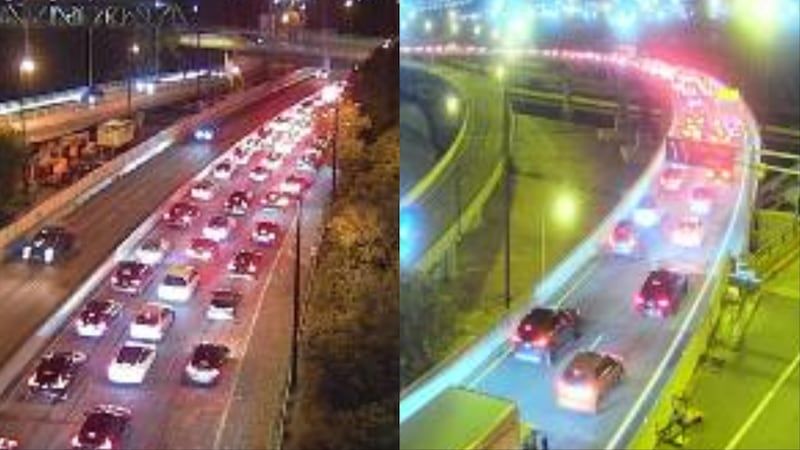
Five-vehicle collision causes major delays on DVP and Gardiner Expressway
A multi-vehicle crash near Gerrard Street East blocked three northbound DVP lanes Saturday night, causing traffic backups, hospitalizing two people, and prompting dangerous driver behavior on surrounding expressways.
A major five-vehicle collision on Toronto's Don Valley Parkway (DVP) triggered widespread traffic chaos Saturday evening, creating a domino effect that disrupted travel across the city's expressway network for hours. The crash occurred at approximately 7 p.m. near the Gerrard Street East exit, requiring an extensive emergency response and creating nightmarish conditions for weekend commuters.
Emergency response and immediate impacts
Toronto emergency services received multiple calls about the collision and immediately dispatched paramedics, fire crews, and police to the scene. First responders arrived to find a complex accident scene involving five vehicles with varying degrees of damage. Medical personnel assessed all occupants and transported at least two individuals to nearby hospitals for treatment. While the precise nature of their injuries remains undisclosed, the requirement for hospital transport suggests potentially serious trauma.
The physical impact of the crash blocked three of the four northbound lanes on this critical stretch of the DVP, effectively reducing capacity by 75% during a peak travel period. This bottleneck created immediate congestion that extended southward toward the Gardiner Expressway interchange. Traffic cameras showed vehicles at a standstill for several kilometers as the situation developed.
READ MORE: Two hospitalized after T-bone collision near Yorkdale Mall
READ MORE: Elderly Couple Found Dead in Scarborough Daylight Shooting Near Healthcare Facility
Dangerous driver behavior compounds crisis
As frustration mounted among trapped motorists, police began receiving alarming reports of hazardous driving behavior in the area. Officers confirmed multiple instances of vehicles attempting illegal U-turns on the expressway, a maneuver that poses extreme danger at any time but particularly during low-visibility evening hours. Even more concerning were reports of drivers entering the Gardiner Expressway's Yonge Street on-ramp in the wrong direction, creating head-on collision risks.
Toronto Police Service spokesperson Constable David Hopkins explained the severity of these actions:
When drivers take matters into their own hands during congestion, they're not solving the problem - they're creating new dangers for everyone. Wrong-way driving on an expressway ramp could have led to additional fatalities.Police implemented targeted enforcement in the area to deter further reckless behavior.
Transportation network effects
The collision's impact extended far beyond the immediate crash site. By 8 p.m., traffic backups stretched along both the DVP and connecting Gardiner Expressway, with delays reaching the Lakeshore Boulevard interchange. The timing proved particularly problematic as Saturday evening typically sees heavy traffic from shoppers, diners, and event attendees traveling across the city.
Surface streets in nearby neighborhoods including Riverdale and Leslieville experienced unusual congestion as drivers sought alternate routes. Traffic management centers activated dynamic message signs as far north as Highway 401 to warn approaching motorists about the closure. Transportation officials coordinated with transit agencies to adjust TTC routes affected by the spillover traffic.
Cleanup and investigation challenges
The complexity of the five-vehicle collision created significant challenges for crash investigators and cleanup crews. Forensic teams needed to document the positions of all vehicles and collect evidence from the expansive crash scene before tow trucks could begin removing wreckage. This painstaking process kept lanes closed for several hours, prolonging the traffic disruption.
Road maintenance crews worked through the night to repair damaged guardrails and remove vehicle debris from the roadway. Transportation engineers conducted structural inspections to ensure the integrity of the road surface before fully reopening all lanes. The final lane reopened around 3 a.m. Sunday, but black marks and debris remnants remained visible to morning commuters.
Safety reminders from authorities
In the incident's aftermath, police and transportation officials issued strong reminders about road safety protocols during congestion. Toronto Police Service emphasized that illegal maneuvers like expressway U-turns carry minimum fines of $110 and three demerit points under Ontario's Highway Traffic Act, while wrong-way driving charges can exceed $400. More importantly, these actions frequently cause secondary collisions that compound original incidents.
Transportation Minister's Office spokesperson Sarah Jensen stated:
This incident demonstrates why we must all maintain composure during unexpected delays. Taking dangerous shortcuts puts lives at risk and makes emergency responders' jobs more difficult.Officials encouraged drivers to use real-time traffic apps and follow official detour routes rather than improvising potentially hazardous alternatives.
Historical context of DVP safety
The Don Valley Parkway has long been recognized as one of Toronto's most challenging roadways for both drivers and safety officials. The expressway's combination of high traffic volumes, sharp curves, and limited shoulder space contributes to its above-average collision rate. The stretch near Gerrard Street East has been particularly problematic due to its proximity to entry/exit ramps that create merging conflicts.
Transportation safety analysts note that while the DVP carries approximately 120,000 vehicles daily, its 1960s-era design lacks modern safety features like continuous shoulders or wide medians. This historical infrastructure deficit means that any multi-vehicle collision is likely to cause disproportionate disruption, as witnessed in Saturday's incident.
Broader transportation implications
This collision highlights systemic vulnerabilities in Toronto's transportation network. With limited alternate routes between northern and southern sections of the city, the DVP's importance as a transportation corridor makes it particularly susceptible to cascade failures when incidents occur. Urban planners point out that Toronto's continued population growth will only increase pressure on this aging infrastructure.
The incident also raises questions about driver education regarding proper responses to unexpected delays. Safety advocates suggest incorporating more comprehensive training about congestion management in driver's education programs. Some have proposed installing additional wrong-way driving detection systems on expressway ramps to prevent similar dangerous situations.
As Toronto moves forward with various transportation infrastructure projects, this collision serves as a stark reminder of the need to balance capacity improvements with enhanced safety features and better incident management protocols. While no fatalities occurred in this instance, the potential for more severe outcomes in similar future incidents remains an ongoing concern for city officials and residents alike.