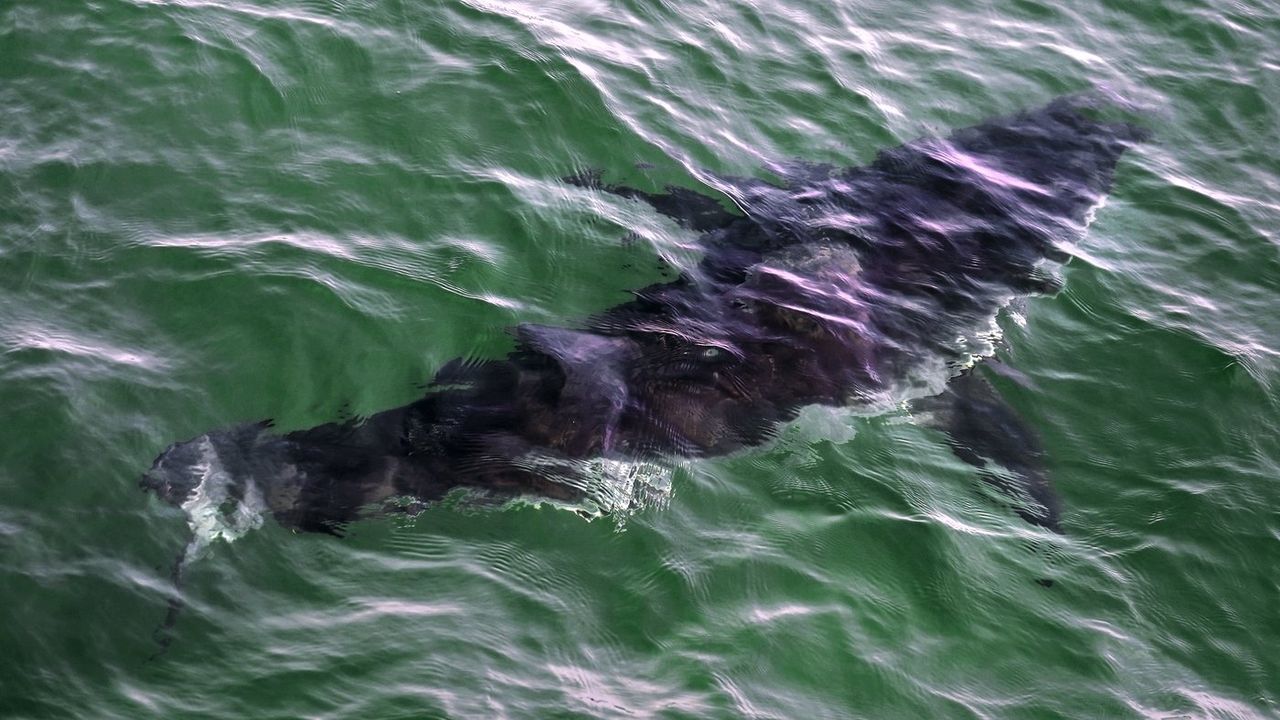
Quebec Diver in Stable Condition After Rare Great White Shark Attack in Gaspé Peninsula Waters
A divemaster trainee suffered multiple lacerations in Quebec's first recorded shark attack during a routine dive near Percé, prompting temporary suspension of local diving operations while raising questions about marine wildlife safety protocols in Canadian waters.
A diving instructor trainee remains hospitalized in stable condition after sustaining severe upper body lacerations from an unprecedented great white shark attack during a training exercise off Quebec's Gaspé Peninsula. The Wednesday incident near Percé marks the first documented case of a shark biting a human in the region, causing the local diving company to immediately suspend all operations for the remainder of the season while authorities assess the unusual event.
Unprecedented Shark Encounter Details
The attack occurred during what should have been a routine training dive organized by Plongée Percé diving center. Six divers were participating in the session, divided into two teams operating at approximately 10 meters depth. The victim, a divemaster trainee, was part of a three-person team completing a standard three-minute safety stop at five meters below the surface when the encounter occurred. Jean-François Vézina, vice-chair of the diving center's board, described the shark's approach as surprisingly stealthy, stating
"We're not shark experts, but it certainly happened in a rather sneaky way"before the animal disappeared within seconds.
According to the diving center's social media account, the supervising instructor first became aware of danger when he heard an unusual noise behind him while holding the safety stop line with another diver. Turning around, he witnessed the great white shark already making contact with the trainee. Despite the sudden violence of the attack, the injured diver maintained consciousness throughout the ordeal, demonstrating remarkable composure by removing his own equipment before receiving first aid aboard the company vessel.
READ MORE: ICE Agent Shoots Venezuelan Man in Austin, Sparking Protests and Calls for Transparency
READ MORE: Nine Islamic schools on high alert after email threatens 'slaughter' of Muslims
Emergency Coordination and Rescue Operations
The immediate aftermath saw efficient execution of emergency protocols. While the injured diver was being treated aboard the boat, the three other divers in the second team, who had been unaware of the incident during their separate dive, were safely guided to the rocks of a nearby island by their divemaster. Plongée Percé confirmed these individuals were later retrieved without incident, demonstrating effective crisis management despite the unpredictable nature of the event.
Coast Guard authorities were promptly contacted to coordinate the injured diver's medical evacuation. Vézina reported the victim remained in stable condition days after the attack, though he declined to specify the exact nature or extent of the multiple lacerations beyond confirming they affected the upper body. The swift medical response highlights the importance of emergency preparedness in remote aquatic environments, even for incidents considered highly improbable in Canadian waters.
Historical Rarity of Shark Interactions
This attack represents a significant anomaly in Quebec's marine history. While Vézina acknowledged occasional shark sightings in the region, he emphasized
"This is the first time this has happened in Percé...we've never had any encounters"prior to Wednesday's incident. Marine biologists note that great white sharks do occasionally appear in Atlantic Canadian waters during seasonal migrations, but their presence near the Gaspé Peninsula's colder currents remains uncommon compared to more temperate regions further south.
The unusual nature of this event becomes clearer when considering global shark attack statistics. According to international databases, Canada averages fewer than one shark-related incident per decade, with most occurring off British Columbia's Pacific coast. This makes Wednesday's attack not just a regional first for Quebec, but one of the easternmost shark encounters ever recorded in Canadian waters.
Industry-Wide Safety Implications
The incident has prompted immediate operational changes at Plongée Percé while raising broader questions about wildlife interaction protocols across Canada's diving industry. The company's decision to suspend all diving activities for the season reflects the seriousness with which they're treating this unprecedented event. Such precautionary measures are standard in adventure tourism following unusual wildlife incidents, allowing time for risk assessment and protocol review.
Current Canadian diving safety standards primarily focus on equipment maintenance, decompression procedures, and weather-related hazards rather than marine predator avoidance. This incident may spur discussions about whether additional training regarding wildlife encounters, typically emphasized in tropical diving destinations, should be incorporated into Canadian certification programs. However, experts caution against overreacting to statistically rare events, noting that many other marine hazards present greater daily risks to divers.
Scientific Context of Shark Behavior
Marine biologists analyzing the incident suggest the brief duration of contact, mere seconds, indicates investigative rather than predatory behavior. Great white sharks often conduct test bites to identify unfamiliar objects in their environment, which may explain the suddenness of the attack and the shark's immediate departure. This behavior differs markedly from feeding patterns observed in regions where sharks regularly interact with humans.
Researchers also note that while climate change may gradually alter marine species distributions, no direct evidence links this isolated incident to broader ecological changes. Canada's Department of Fisheries and Oceans continues monitoring shark movements through tagging programs, though real-time tracking remains challenging in remote coastal areas like the Gaspé Peninsula. The scientific community generally agrees that single encounters shouldn't be interpreted as indicators of population shifts or behavioral changes.
Psychological and Economic Impacts
Beyond the physical injuries, the attack carries significant psychological weight for Quebec's diving community and coastal residents. Such rare events often have disproportionate effects on public perception compared to more common water safety risks. The diving industry must now balance acknowledging legitimate safety concerns while preventing undue fear that could negatively impact marine tourism in the region.
Economically, the seasonal suspension of Plongée Percé's operations represents a substantial revenue loss during peak diving months. Smaller adventure tourism businesses often operate on tight margins, making unexpected closures particularly challenging. The incident may also influence insurance considerations for dive operators across Atlantic Canada as underwriters reassess wildlife interaction risks in their policies.
Broader Implications for Marine Safety
This event serves as a reminder that even in historically low-risk environments, marine professionals must maintain awareness of all potential hazards. While shark encounters remain exceptionally rare in Canadian waters, the incident demonstrates that no aquatic environment can be considered completely free of wildlife risks. It may prompt recreational and professional divers alike to refresh their emergency response training and situational awareness protocols.
Looking forward, the diving community will closely monitor the victim's recovery while analyzing the circumstances of the attack. The incident provides an opportunity to enhance collective knowledge about marine wildlife behavior in northern waters and improve safety standards without compromising access to Canada's unique underwater environments. As Vézina appropriately noted, the primary focus remains on the injured colleague's wellbeing while the industry learns from this unprecedented event.