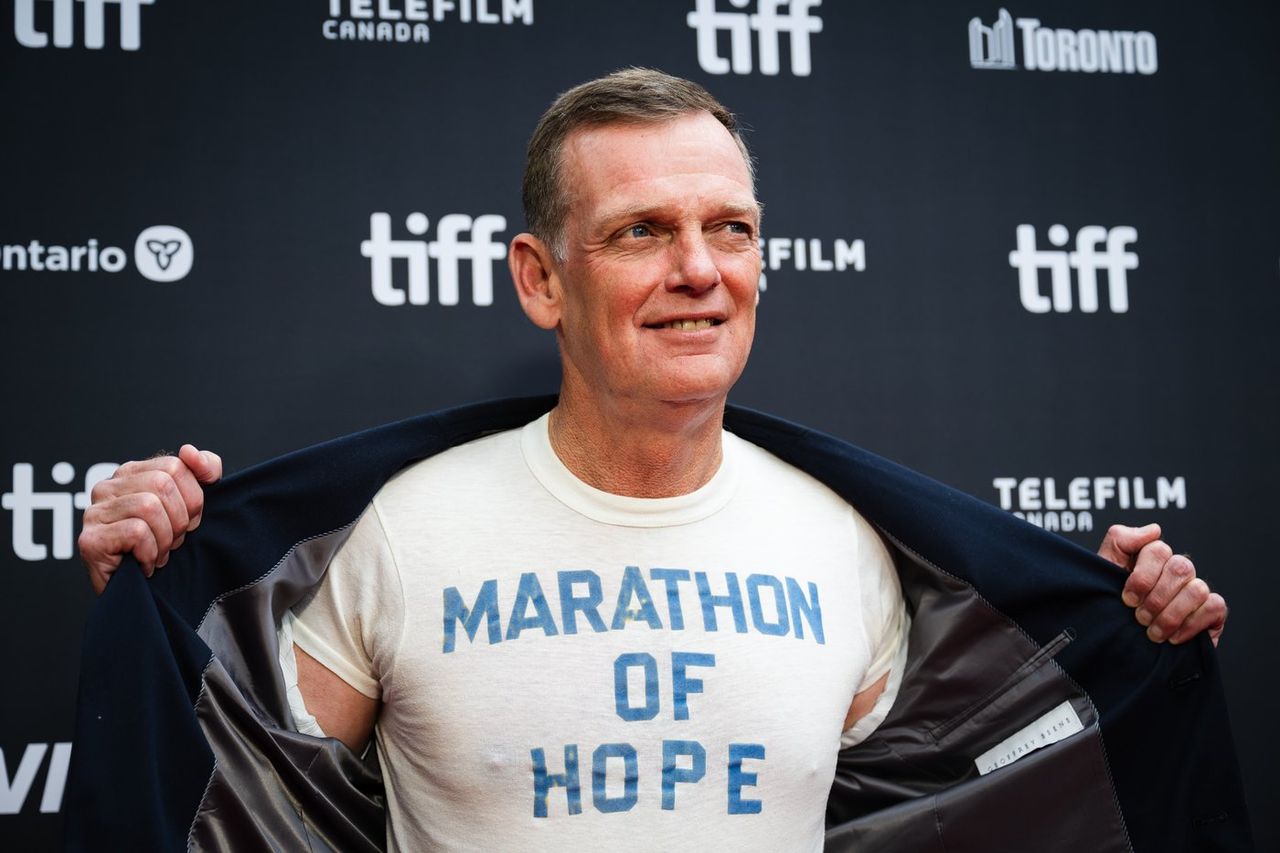
New Terry Fox Documentary Premieres at TIFF, Shedding Light on Marathon of Hope Legacy
A new three-hour documentary about Terry Fox's historic Marathon of Hope debuted at the Toronto International Film Festival, featuring never-before-seen footage and personal reflections from his brother and Canadian athletes.
A powerful new documentary offering an unprecedented intimate portrait of Canadian hero Terry Fox premiered at the Toronto International Film Festival this weekend, coinciding with the annual Terry Fox Run that continues his legacy of cancer research fundraising. Directed by Sean Menard, the comprehensive 180-minute film Run Terry Run chronicles Fox's Marathon of Hope through previously unseen footage and deeply personal accounts from those who knew him best. The timing of its release during the lead-up to the nationwide Terry Fox Run adds profound relevance to this cinematic exploration of one of Canada's most enduring stories of courage and determination.
The Marathon of Hope Revisited
The documentary provides an immersive look at Fox's remarkable journey in 1980 when, at just 21 years old and with a prosthetic leg after osteosarcoma claimed his right leg, he embarked on an ambitious attempt to run across Canada. Beginning in St. John's, Newfoundland in April that year, Fox ran the equivalent of a full marathon daily for 140 consecutive days - covering over 5,000 kilometres through varying terrain and weather conditions before cancer spreading to his lungs forced him to stop near Thunder Bay, Ontario. The film captures not just the staggering physical achievement but the complex emotional landscape of this grueling endeavor, showing how a young man with limited resources and failing health managed to unite an entire nation through sheer willpower. His death ten months later transformed him into a national symbol, but the documentary seeks to reveal the authentic person behind the legend through rare footage and candid interviews.
Family Perspectives
Darrell Fox, Terry's brother and an executive producer of the film, attended the emotional TIFF premiere alongside prominent Canadian athletes. He reflected on spending 93 consecutive days as part of his brother's support team during the marathon. "I haven't forgotten that run," Darrell said on the red carpet. "It's impossible, you know, and I cherish those memories of spending 93 days in a row with him." As part of Terry's core support system, Darrell witnessed firsthand both the extraordinary physical toll and growing national impact of the Marathon of Hope. His involvement in the documentary provides unique access to private moments between public appearances - the exhaustion, the doubts, and the quiet determination that fueled his brother's historic journey when cameras weren't rolling. These personal insights offer viewers a more nuanced understanding of Terry Fox as both an ordinary young man and an extraordinary inspiration.
READ MORE: Vladimir Guerrero Jr. apologizes for comments about $500M Blue Jays contract
Canadian Athletes Reflect on Legacy
The premiere drew prominent Paralympic athletes and Olympians including Canadian Paralympic ice hockey player Billy Bridges, who spoke powerfully about Fox's significance to disabled Canadians. "As a disabled Canadian, growing up, our heroes were few and far between," Bridges said. "There's something special about what Terry accomplished and the passion that he lit within every single Canadian." Bridges noted that Fox planted seeds for future progress in both disability representation and cancer research support that he knew he wouldn't live to see fully realized. "But without that we wouldn't be where we are today with the support that we have for Canadians and cancer research," he added. The attendance of diverse athletes like Olympic sprinter Andre De Grasse, pole vaulter Alysha Newman, and figure skaters Paul Poirier and Piper Gilles underscored how Fox's legacy continues to resonate across different sports disciplines and generations of Canadian athletes, serving as a unifying symbol of perseverance.
The Documentary's Unique Perspective
Director Sean Menard's film distinguishes itself from previous portrayals by incorporating extensive archival footage and focusing intently on Fox's personal journey rather than solely the athletic achievement. The three-hour runtime allows for thorough exploration of Fox's character, motivations, relationships, and the immense logistical challenges of the cross-country run that often go unexamined. Darrell Fox emphasized the documentary provides an unprecedented intimate view into his brother's life and the marathon that changed Canada, saying it offers perspectives even family members hadn't previously seen. By avoiding simplistic hagiography and showing the human reality behind the myth - including struggles and setbacks - the film offers a more complete and emotionally authentic understanding of what drove Fox to attempt and nearly complete such an extraordinary feat against overwhelming odds.
Timing with Annual Tradition
The TIFF premiere coincided strategically with the lead-up to the annual Terry Fox Run occurring across Canada on September 20. The event, now in its 46th year, has raised over $850 million worldwide for cancer research since its inception, becoming one of the world's largest single-day fundraising events for cancer research. The documentary's release aims to introduce Fox's story to new generations while rekindling the passion of those who remember the original Marathon of Hope, ensuring his legacy remains vibrant. This careful timing ensures the film reaches maximum impact, connecting the historical record with the living tradition that continues to benefit cancer research institutions globally, creating a bridge between past inspiration and present action.
The Cultural Impact
Fox's story represents a rare moment when Canadian national identity coalesced organically around an individual act of determination and altruism. The documentary examines how a simple run transformed into a cultural phenomenon, analyzing media coverage from the time and public reactions that shifted from initial curiosity to growing admiration to profound national mourning after his death. It shows how Fox's humility, authenticity and lack of pretense resonated particularly strongly in Canadian culture, creating an enduring symbol that transcends typical celebrity and maintains relevance decades later. The film explores how Fox's image became woven into the fabric of Canadian identity, appearing in schools, on stamps and currency, and serving as a touchstone for discussions about perseverance, disability rights, and medical research funding.
Why It Matters Today
Terry Fox's legacy represents one of Canada's most powerful narratives of determination and selfless altruism. This documentary arrives at a critical time when his Marathon of Hope risks becoming distant history to younger Canadians, while the causes he championed - cancer research and disability awareness - remain critically important in contemporary society. By combining never-before-seen footage with contemporary reflections from athletes and family, the film serves as an essential bridge between generations. It functions both as important historical record and living inspiration, reminding viewers that Fox's run wasn't just about covering geographical distance, but about demonstrating what one determined individual can set in motion to benefit others. In an era of fragmented attention spans and fleeting social media campaigns, Fox's singular focus, physical sacrifice and long-term vision stand as powerful counterpoints - qualities the documentary helps preserve meaningfully for future generations. The film ultimately challenges viewers to consider how Fox's example might apply to contemporary challenges in health research, disability rights and community engagement, ensuring his legacy remains not just memorialized but actively relevant in addressing current issues.