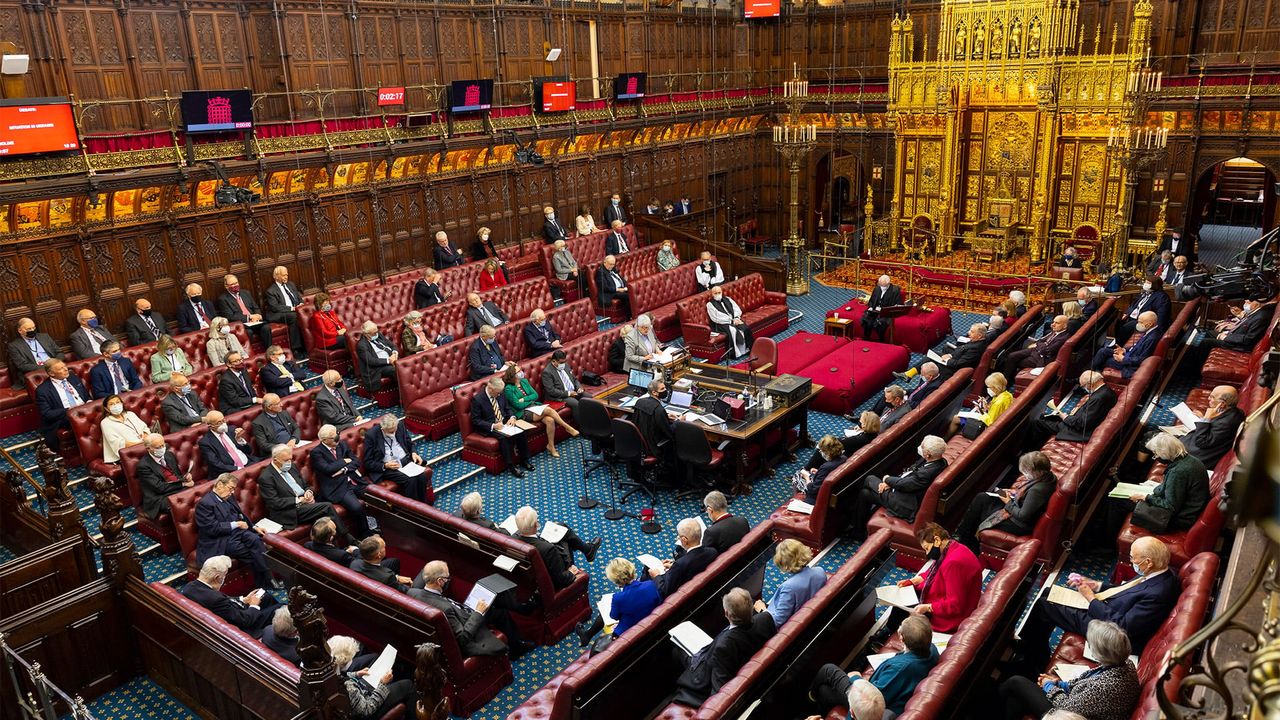
House of Lords Committee Calls for Near-Total Ban on UK Gambling Advertising Amid Public Health Concerns
A UK parliamentary committee has recommended sweeping restrictions on gambling ads, citing rising problem gambling rates and inadequate current regulations.
A cross-party House of Lords committee has issued a stark recommendation for near-comprehensive bans on gambling advertising across the UK, framing the issue as an urgent public health crisis requiring immediate government action. The 17 September follow-up report to their 2020 gambling industry inquiry presents evidence linking marketing exposure to increased gambling participation and harm.
Problem Gambling Rates Prompt Regulatory Reassessment
The committee cited Gambling Commission data from the Gambling Survey for Great Britain (GSGB) indicating between one and 1.5 million British adults now score 8 or higher on the Problem Gambling Severity Index (PGSI), classifying them as problem gamblers. The PGSI system categorizes scores of 0 or 1-3 as low-risk, 3-7 as moderate risk, and 8+ as problem gambling. While industry voices have questioned the GSGB survey methodology, the Lords maintained these figures justify drastic measures to reduce marketing exposure, particularly to children and vulnerable groups. The report underscores gambling harm as a significant public health concern requiring urgent intervention.
Current Regulatory Framework Deemed Inadequate
The report criticized the existing patchwork system of self-regulation involving the Advertising Standards Authority (ASA) codes, co-regulation for broadcasts, and industry-led voluntary measures as fundamentally ineffective. Committee Chair Lord Ponsonby noted the dramatic growth of online marketing techniques since 2020 has fundamentally changed the advertising landscape, rendering previous approaches obsolete. He stated
The time was right to reassess this crucial policy area, focusing on the topic of gambling advertising where the former committee's strong recommendations have been largely unaddressed and where substantial developments in the gambling advertising landscape since 2020 have demanded a re-evaluation of the policy options.The committee recommended shifting advertising oversight to the Gambling Commission with statutory enforcement powers, arguing this would enable proactive rule enforcement and effective restriction of problematic advertising channels.
READ MORE: TikTok Shop Tightens Gambling Rules, Restricts Card Breaks to Platform-Controlled Surprise Sets
READ MORE: Parliamentary committees examine energy security, NATO spending and natural health products
Historical Context of Gambling Advertising
The report traced the current advertising landscape to the Gambling Act 2005, which dramatically liberalized marketing rules for licensed operators. Prior to 2005, television and radio gambling advertising was limited to products like bingo, football pools and the National Lottery. Since then, annual advertising expenditure by licensed operators has grown substantially to an estimated £1-2 billion. This expansion has coincided with rising concerns about gambling-related harms, prompting the committee's call for a return to stricter advertising controls.
Targeted Marketing Tactics Face Particular Scrutiny
Several specific advertising methods were singled out as especially harmful. Direct marketing through emails, texts and push notifications faced calls for complete prohibition, with the committee citing University of Bristol research showing reduced gambling harm when such communications were restricted. Dr Philip Newall referenced an Australian study establishing causality by having participants opt-out of direct marketing offers, finding
this group then self-reported significantly lower expenditure and harms over the next two weeks.The report also recommended banning all inducements like free bets and sign-up bonuses, which it said artificially stimulated betting activity and recruited new or lapsed customers. Currently monitored by ASA under CAP 16.1 code, gambling ads continue to raise concerns, as evidenced by Midnite's recent third ASA ruling over a TikTok ad featuring young-looking characters.
Sports Sponsorships and Influencer Marketing Under Fire
Despite voluntary measures like the Premier League's front-of-shirt sponsorship ban implemented this season, the committee found sports marketing exposure remains problematic through training kits, shirt sleeves and stadium advertisements. Dr Matt Gaskell MBE's analysis showed self-regulation has failed to meaningfully reduce gambling branding across live sports broadcasts. The committee's 2020 recommendations for banning gambling ads on team shirts, training kits, stadium advertising and broadcasts (with exemptions for horse and greyhound racing) remain unfulfilled. The report also urged treating influencer promotions as advertising, prioritizing their prohibition if a full ban proves unworkable, reflecting concerns about content marketing's growing role in gambling promotion.
Government Response and Industry Implications
The recommendations arrive alongside the UK government's 2023 white paper on gambling reform, which introduced a statutory levy for funding research and treatment. While the Department for Digital, Culture, Media and Sport has appointed a research fellow to study innovations in online gambling advertising including content creators, the Lords cautioned this research should not delay necessary policy changes. The committee dismissed industry arguments about potential migration to unlicensed operators, citing weak evidence from European jurisdictions with advertising restrictions and interviews with state monopoly operators that consistently suggested no significant consumer shift to illegal sites following marketing limitations.
Broader Political Consensus Emerging
The report reflects growing cross-party consensus on treating gambling advertising as a public health issue, following similar conclusions from May's All-Party Parliamentary Group report which branded gambling advertisements as a public health concern. This political alignment suggests increasing momentum for substantial advertising reforms. With annual gambling advertising expenditure now estimated between £1-2 billion since the Gambling Act 2005 liberalized marketing rules, the committee's recommendations could fundamentally reshape the industry's commercial landscape if implemented. The report advocates applying a public health framework to gambling advertising regulation, marking a potential paradigm shift in how marketing for high-risk products is governed in the UK.