U.S. Military Kills Four in Caribbean Drug Smuggling Strike as Campaign Expands Across Latin America
The Trump administration's aggressive counter-narcotics operations continue with a lethal strike on a suspected drug smuggling vessel in the Caribbean, bringing the total death toll to at least 231 across 69 operations as the campaign expands to land operations in multiple countries.
The U.S. military conducted a lethal strike on a vessel suspected of drug smuggling in the Caribbean Sea on Saturday, killing four individuals according to U.S. Southern Command. This incident represents the latest escalation in what has become a sustained military campaign by the Trump administration targeting alleged narcotics traffickers throughout Latin American waters and increasingly on land.
The Growing Toll of Counter-Narcotics Operations
With Saturday's deadly strike, the total number of casualties from U.S. military operations against suspected drug smugglers has reached at least 231 people killed across 69 separate engagements since the Trump administration launched this offensive nearly one year ago. Military officials consistently describe these targets as "narcoterrorists" operating along established drug smuggling corridors in the eastern Pacific Ocean and Caribbean Sea regions. The frequency and lethal nature of these operations mark a significant departure from previous counter-narcotics strategies that emphasized interdiction and law enforcement cooperation.
The Pentagon's disclosure about the most recent incident followed its standard pattern of limited transparency, offering no verifiable evidence that the targeted vessel was actually transporting illegal substances. A short video clip released on social media platform X showed only a grainy image of what appeared to be a moving boat followed by a sudden flash, providing no context about the identification process or the aftermath. This lack of detailed documentation has become characteristic of the administration's approach to these strikes.
READ MORE: Trump says he will speak with Putin about suspected plague case in Russia
READ MORE: Trump announces military deal with Denmark to expand U.S. presence in Greenland
Expanding the Battlefield to Sovereign Territory
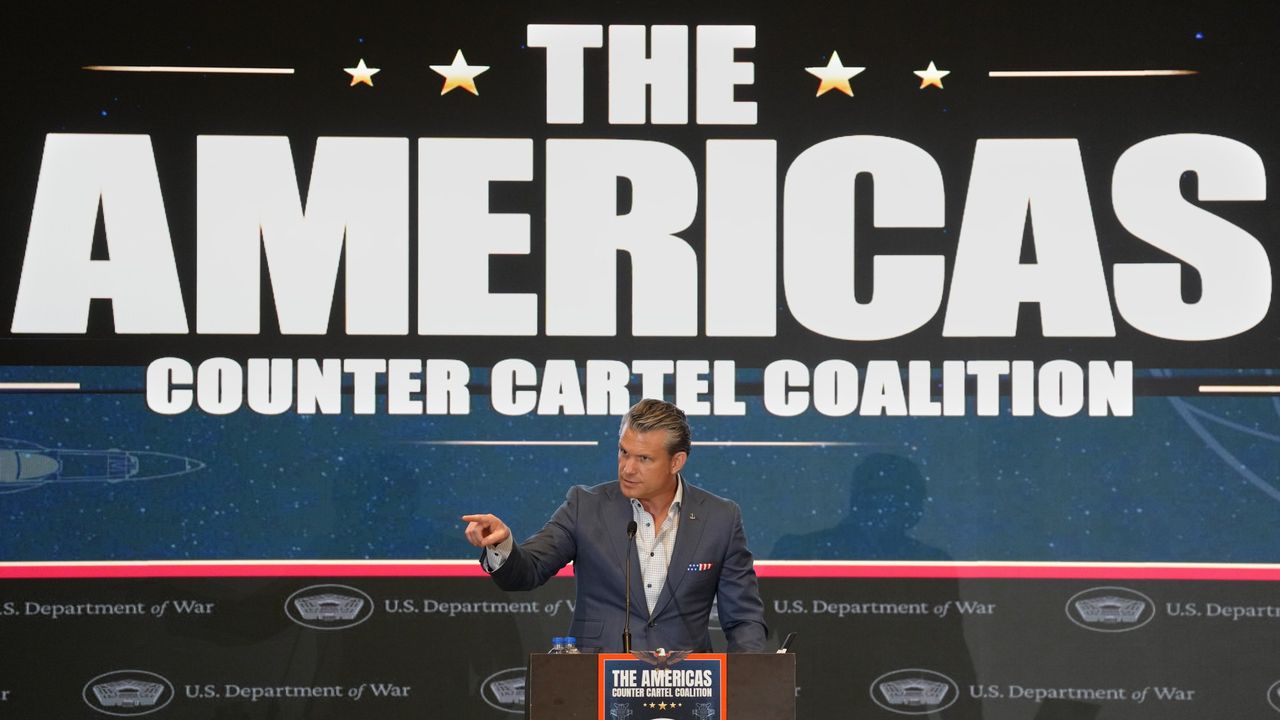
The Trump administration is actively pursuing agreements that would significantly expand the geographic scope of its counter-narcotics operations beyond maritime interdiction. During a diplomatic visit to Panama last month, Defense Secretary Pete Hegseth made a notable announcement claiming that Colombia, Guatemala and Honduras had agreed to permit joint U.S. military operations against criminal organizations operating within their national territories.
This declaration immediately encountered pushback when the Guatemalan government issued a swift denial that any such agreement had been finalized, creating confusion about the actual status of these proposed security arrangements. Currently, Ecuador stands as the only confirmed partner nation, having initiated collaborative counternarcotics missions with U.S. forces as recently as March 2020. The administration's apparent eagerness to extend military operations onto foreign soil raises complex questions about national sovereignty and the appropriate limits of international counternarcotics cooperation.
The Administration's Strategic Rationale
President Donald Trump has consistently framed these military operations as necessary components of what he describes as an ongoing "armed conflict" against powerful Latin American drug cartels. Administration officials argue that these kinetic measures represent an essential escalation to disrupt narcotics supply chains and reduce the flow of dangerous drugs into American communities. During recent public remarks, Trump emphasized the urgency of this approach, stating "We're facing an unprecedented threat that requires decisive action."
However, critics from both domestic and international circles have noted the administration's persistent failure to provide substantive evidence linking those killed in these strikes to actual drug trafficking operations. The lack of verifiable documentation has fueled skepticism about the accuracy of targeting decisions and the proportionality of responses to suspected smuggling activity. Human rights organizations have become increasingly vocal about their concerns regarding potential violations of international law governing the use of lethal force.
Regional Responses and Diplomatic Implications
The expanding U.S. military campaign has generated a spectrum of reactions across Latin America, reflecting the complex political dynamics of regional security cooperation. While some governments have cautiously welcomed the additional resources and intelligence capabilities that U.S. military involvement brings to the fight against powerful cartels, others express deepening reservations about violations of national sovereignty and the potential for civilian casualties. The Guatemalan government's public refutation of Defense Secretary Hegseth's claims illustrates the delicate diplomatic balancing act many regional partners face when negotiating security arrangements with Washington.
Human rights organizations monitoring the situation have amplified their warnings about the operations' transparency deficit. Ana Ortega of the Latin American Human Rights Watch articulated these concerns, stating "We're seeing a dangerous pattern of extrajudicial killings with no accountability. The U.S. military is essentially acting as judge, jury and executioner in these maritime zones without demonstrating adequate cause for lethal force." Such criticisms gain traction as the cumulative death toll rises without corresponding evidence that those killed were verifiably engaged in criminal activity.
Operational Complexities in Maritime Interdiction
The challenges inherent in accurately identifying illicit smuggling operations in the vast maritime regions of the Caribbean and Pacific present significant obstacles to the efficacy and legitimacy of these military strikes. Traffickers have developed sophisticated methods to conceal their activities among legitimate maritime traffic, including the use of unflagged vessels, frequent route changes, and techniques to mask their electronic signatures. These tactics create substantial risks of mistaken identity during targeting processes.
The U.S. Southern Command maintains that it employs multi-layered intelligence protocols to verify targets before authorizing strikes. Colonel Mark Reynolds, a Pentagon spokesperson, explained "We use multiple intelligence streams to verify targets, but in a fluid maritime environment, there's always an element of uncertainty." This admission underscores the inherent limitations of intelligence gathering in dynamic maritime environments where visual confirmation is often difficult and time-sensitive decisions carry life-or-death consequences.
Strategic Implications and Future Concerns
The Trump administration's escalating military campaign against suspected drug traffickers represents a fundamental shift in U.S. counter-narcotics strategy that extends well beyond traditional law enforcement cooperation. By framing the issue as an "armed conflict" rather than a criminal matter, the administration has justified the application of military force against non-state actors in a manner that tests established boundaries of international law and security policy. This approach carries significant geopolitical ramifications as it establishes precedents for military engagement in what have historically been law enforcement domains.
The consistent lack of transparency surrounding target selection criteria, verification processes, and post-strike assessments raises profound human rights concerns that could erode U.S. relationships throughout Latin America. As the death toll continues to accumulate without clear evidentiary links between casualties and criminal activity, the administration faces mounting international criticism and calls for greater oversight of these operations. The expansion of this campaign into territorial operations risks further complicating diplomatic relations with regional partners who may perceive such actions as infringements on their sovereignty, particularly when agreements appear to be announced unilaterally without mutual confirmation.
Looking ahead, the sustainability of this aggressive counter-narcotics strategy may depend on the administration's willingness to establish clearer rules of engagement, implement more robust verification protocols, and provide greater accountability for operations that result in lethal outcomes. Without these safeguards, the campaign risks becoming increasingly controversial both domestically and internationally, potentially undermining its stated objectives of reducing drug flows while creating new diplomatic challenges in America's relations with Latin American nations.