Texas Prediction Markets Face Scrutiny as Legislative and Election Outcomes Shape Future
Texas prediction markets generate high trading volumes as stakeholders await regulatory clarity amid upcoming elections and a heated Senate hearing.
The phrase 'Everything is Bigger in Texas' extends far beyond the state's 268,820 square miles of territory, second only to Alaska in size. This cultural ethos now manifests in the explosive growth of prediction markets, where Texas consistently ranks among the highest trading volume states in the nation. Recent data illustrates how football, both professional and collegiate, drives unprecedented activity in these markets while simultaneously fueling legislative debates about their legal status.
Unprecedented Trading Volumes in Football Markets
Aldrin Research data reveals the Dallas Cowboys versus New York Giants matchup on Sunday Night Football generated $208 million in trading activity across US prediction markets, with Kalshi reporting this single game surpassed the volume of any NFL regular-season contest from the previous year. This staggering figure demonstrates how Texas teams command outsized attention in these markets. The phenomenon isn't limited to professional football. When Ohio State faced the University of Texas in a September 12 Top 5 college football matchup, Odds Shopper recorded over 50.7 million contracts traded, reflecting the deep cultural significance of college sports in Texas.
Legislative Crossroads for Prediction Markets
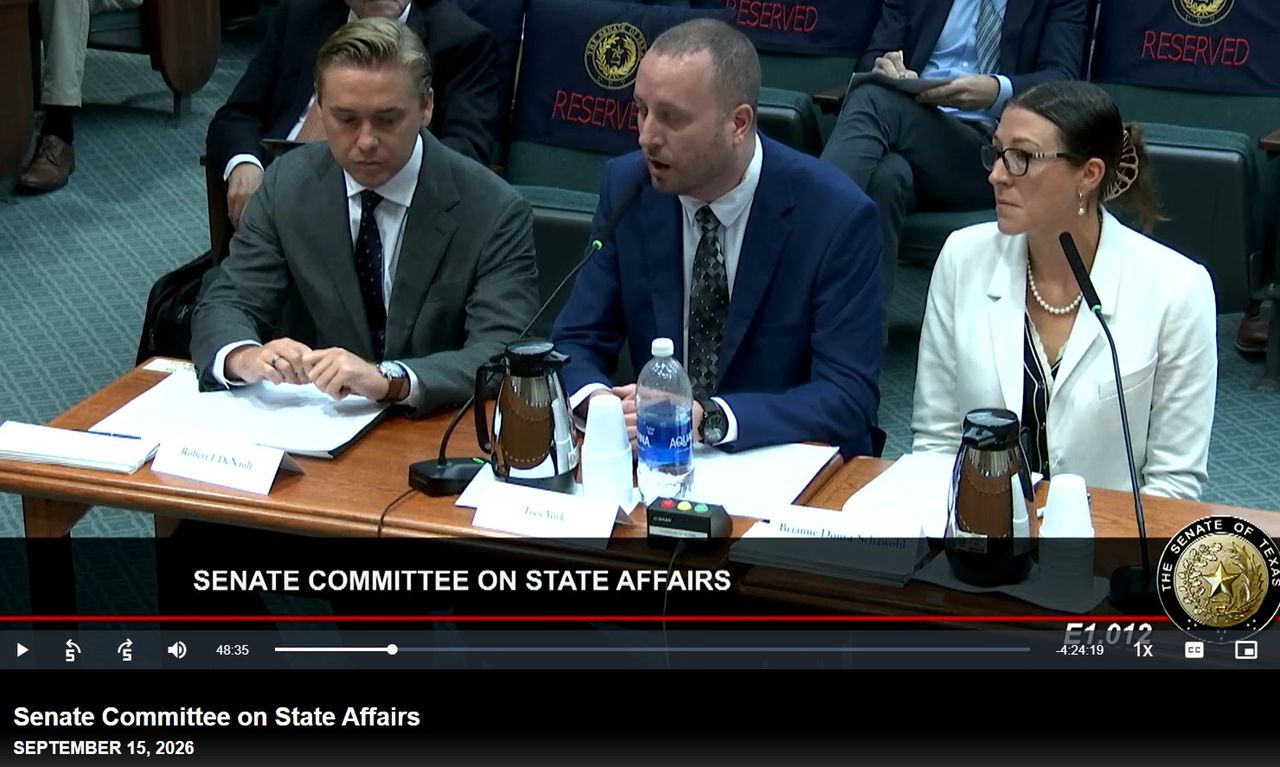
The Texas Senate Committee on State Affairs, chaired by Senator Bryan Hughes, convened a pivotal 62-minute hearing examining whether prediction markets constitute illegal gambling under state law. Eilers & Krejcik Gaming research presented during the hearing showed 43% of all US sports-event contract activity originates from just Texas and California, though Texas-specific figures remain undisclosed. This concentration of market activity in two states with strict gambling prohibitions creates a complex regulatory environment.
READ MORE: US Senate Rejects Digital Asset Market Clarity Act, Dealing Blow to Crypto Prediction Markets
READ MORE: TikTok Shop Tightens Gambling Rules, Restricts Card Breaks to Platform-Controlled Surprise Sets
American Gaming Association Vice President Tres York testified that event contracts predicting sports outcomes are fundamentally no different than sportsbook wagers, a position echoed by 84-year-old State Senator Bob Hall who dismissed prediction markets as 'gambling in different costumes.' York advocated for Texas to implement geofencing requirements and pursue state court litigation against prediction market operators, warning 'Prediction markets think they can mess with Texas. I hope you prove them wrong.'
Consumer Protection and Youth Risks
Problem gambling expert Brianne Doura-Schawohl introduced concerning data about youth engagement with these markets during the hearing. Her testimony highlighted research showing 52% of Generation Z respondents incorporate sports betting and prediction markets into their long-term financial plans. She specifically criticized a Kalshi competitor for allowing minors over 17 to link investment accounts for trading event contracts, labeling this practice 'very dangerous' for vulnerable teenagers. These concerns add another layer to the regulatory debate surrounding prediction markets.
Political Landscape and Electoral Implications
The hearing occurred against the backdrop of Texas's staunch opposition to sports betting legalization and an impending election cycle that could reshape state leadership. Governor Greg Abbott seeks a fourth term while Lieutenant Governor Dan Patrick, an outspoken opponent of sports betting who controls the Senate agenda, also faces re-election. The attorney general race between Ken Paxton and James Talarico could influence enforcement approaches, with the winner determining whether the state pursues aggressive action against prediction markets.
Kalshi's Head of Enforcement Robert DeNault cautioned against prohibition during the hearing, arguing that banning federally regulated markets would simply push Texans toward riskier offshore operators lacking consumer protections. 'You can go the combative route and ban something that's federally regulated,' DeNault said. 'But what you'll end up with is a bunch of customers in Texas just going offshore.'
Tribal Partnerships and Legal Challenges
While Texas debates prediction markets' future, Kalshi established a groundbreaking partnership with the Tunica-Biloxi Tribe of Louisiana to develop the first tribal-owned prediction market app. Tribal Chairman Marshall Pierite described the initiative as continuing their nation's tradition of economic adaptation. However, the Ninth Circuit Court simultaneously ruled that Kalshi's contracts constitute unauthorized gaming under the Indian Gaming Regulatory Act when accessed on tribal lands, creating legal complications for tribal market development.
Election Outcomes Will Shape Market Future
The November elections will prove decisive for prediction markets in Texas. With the governor, lieutenant governor, and attorney general all facing voters, plus control of the legislature at stake, the results could either maintain the status quo or create pathways for legalization. Stakeholders across the industry recognize these races will determine whether Texas continues its prohibitionist stance or potentially embraces this rapidly growing market sector. The outcome will influence whether 'Everything is Bigger in Texas' applies to the state's role in the future of prediction markets or serves as a cautionary tale about regulatory constraints.