Lawsuit alleges major AI firms colluded to illegally slow development, harming consumers
A new antitrust lawsuit accuses Anthropic, OpenAI, SpaceXAI and Google of making an illegal agreement to coordinate slowing AI development, potentially reducing value for paid subscribers. The case raises fundamental questions about balancing AI safety with antitrust laws in the rapidly evolving artificial intelligence sector.
A significant antitrust lawsuit filed in U.S. federal court has brought to light serious allegations against four of the most prominent artificial intelligence companies. The legal action, filed Friday in the U.S. District Court for the Northern District of California, contends that Anthropic, OpenAI, SpaceXAI and Google engaged in illegal collusion to collectively slow the pace of AI development. This case represents a pivotal moment in the ongoing debate about technological advancement, corporate competition, and public safety in the AI sector.
The core legal arguments
The lawsuit presents a detailed complaint that these leading AI companies violated antitrust laws when they coordinated efforts to decelerate AI advancements. The plaintiffs argue this alleged agreement constitutes an illegal restraint of trade that directly harms consumers who pay for premium AI services like ChatGPT, Claude, Grok and Gemini. The legal team representing four named plaintiffs is bringing this case on behalf of a proposed nationwide class of paid subscribers to these platforms.
Central to the lawsuit is the contention that consumers are receiving diminished value from their paid subscriptions due to what plaintiffs characterize as an artificial slowdown in technological progress. The complaint emphasizes that this alleged slowdown stems from corporate collusion rather than genuine technical limitations or independent safety assessments by individual companies.
READ MORE: N.S. seafood processor appeals court decision in $10M lobster lawsuit, citing lack of specifics
The timeline of alleged coordination
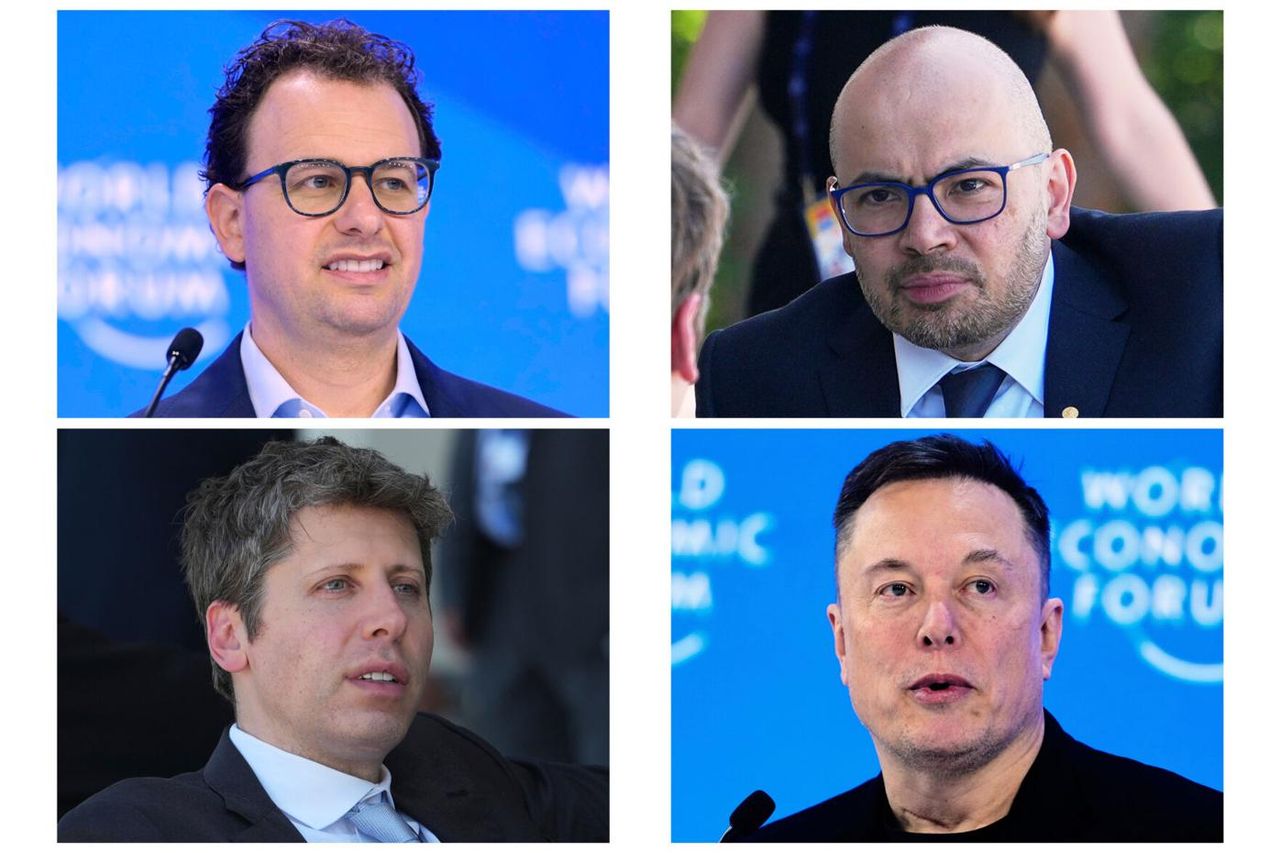
The lawsuit identifies September 12 as a key date when Anthropic CEO Dario Amodei published an essay advocating for industrywide cooperation to slow AI development in favor of enhanced safety measures. The complaint notes that OpenAI CEO Sam Altman, SpaceXAI's Elon Musk and Google DeepMind co-founder Demis Hassabis each publicly responded to Amodei's proposals in agreement that same day.
However, the legal filing suggests this public coordination was preceded by months of behind-the-scenes discussions. The plaintiffs point to a July 2026 statement signed by executives from multiple AI labs that acknowledged the "intense competitive pressure not to unilaterally slow" development while simultaneously calling for government-supported global deceleration of automated AI development. This document serves as crucial evidence that the alleged collusion may have begun well before the public announcements.
Consumer impact and legal distinctions
An important nuance in the lawsuit is that the plaintiffs explicitly state they do not object to individual companies independently deciding to prioritize safety over rapid development. Instead, they argue antitrust laws specifically forbid competitors from collectively agreeing to restrain progress, asserting that such coordination improperly replaces market competition with collusive restraint.
The legal team maintains that a truly competitive market would naturally allow for both responsible development and genuine technological advancement without requiring coordinated slowdowns. Lead attorney Nick Rowley articulated this position clearly: "AI will quickly spin out of human control and could kill us all if we allow AI safety and protocol...to be controlled by private self-serving agreements between the world's most powerful 'for profit' technology companies." This statement encapsulates the lawsuit's central argument that safety concerns should not serve as justification for potentially anticompetitive behavior.
Corporate responses and government mediation
In his initial essay proposing the slowdown, Amodei demonstrated awareness of potential antitrust issues by suggesting U.S. government mediation could help facilitate necessary safety discussions between competitors. He proposed that while the government wouldn't need to actively participate in these discussions, it would need to "issue a narrow waiver for certain kinds of safety conversations" to avoid antitrust violations.
OpenAI's Altman offered a different perspective in his response, stating that while his company welcomed the idea of a "federal framework that sets consistent safety requirements," they did "not believe we need to wait for an antitrust exemption or legislation to begin the work of providing this confidence." This divergence in corporate approaches highlights the complex challenge of balancing safety coordination with legal compliance in a competitive marketplace.
Political context and regulatory challenges
The lawsuit emerges against a backdrop of intense political debate about AI regulation. Former President Donald Trump has been vocal in rejecting calls for AI regulation, characterizing such efforts as part of a "conspiracy" that could potentially bankrupt American companies. His administration has consistently prioritized maintaining U.S. technological superiority over China above implementing domestic restrictions.
Trump recently announced plans to create an AI task force and appoint an "AI czar," though details about these initiatives remain scarce. This political landscape suggests significant challenges for any efforts to obtain government-sanctioned antitrust waivers for safety coordination, as evidenced by Senator Josh Hawley's firm stance against granting antitrust exemptions to powerful tech companies.
Broader implications for the AI industry
This lawsuit presents a fundamental challenge to how AI safety protocols are developed within competitive markets. It forces courts to consider whether collective safety measures can legally coexist with antitrust laws designed to preserve competition. The case may require judicial weighing of consumer protection against potential existential risks posed by unfettered AI advancement.
The outcome could establish important precedents about the boundaries of cooperation between competitors in emerging technology sectors where safety concerns might transcend individual corporate interests. Legal experts will closely monitor whether courts recognize any exceptions to antitrust laws for technologies presenting novel safety challenges, or whether they maintain strict prohibitions on competitor coordination regardless of justification.
Potential industry-wide consequences
Regardless of the final verdict, this case highlights growing tensions between rapid technological progress and mechanisms to ensure its responsible development. A ruling against the AI companies could force them to accelerate development regardless of safety concerns to avoid antitrust violations. Conversely, a ruling in their favor might encourage more coordinated behavior in other high-tech sectors facing similar safety versus competition dilemmas.
The lawsuit also underscores how subscription-based business models in emerging technologies create direct consumer interests in the pace of innovation. This factor represents a new consideration for antitrust analysis, which traditionally focused on more tangible products and services. As AI systems become increasingly integral to business and personal activities, courts may need to develop new frameworks for evaluating what constitutes anticompetitive behavior in knowledge-based industries where progress itself is the primary product.
Future of AI regulation
The case raises profound questions about the appropriate role of government in mediating between corporate competition and public safety in the AI sector. While some industry leaders have called for government involvement to facilitate safety discussions, political realities suggest significant obstacles to such coordination. The current polarized environment makes comprehensive federal legislation on AI regulation unlikely in the near term.
This legal challenge may ultimately push AI companies to develop alternative approaches to balancing safety and competition that don't rely on explicit coordination. The industry might need to establish clearer independent standards or find ways to compete on safety measures rather than just technological capabilities. Whatever the outcome, this lawsuit marks a significant moment in the ongoing evolution of artificial intelligence and its regulation.