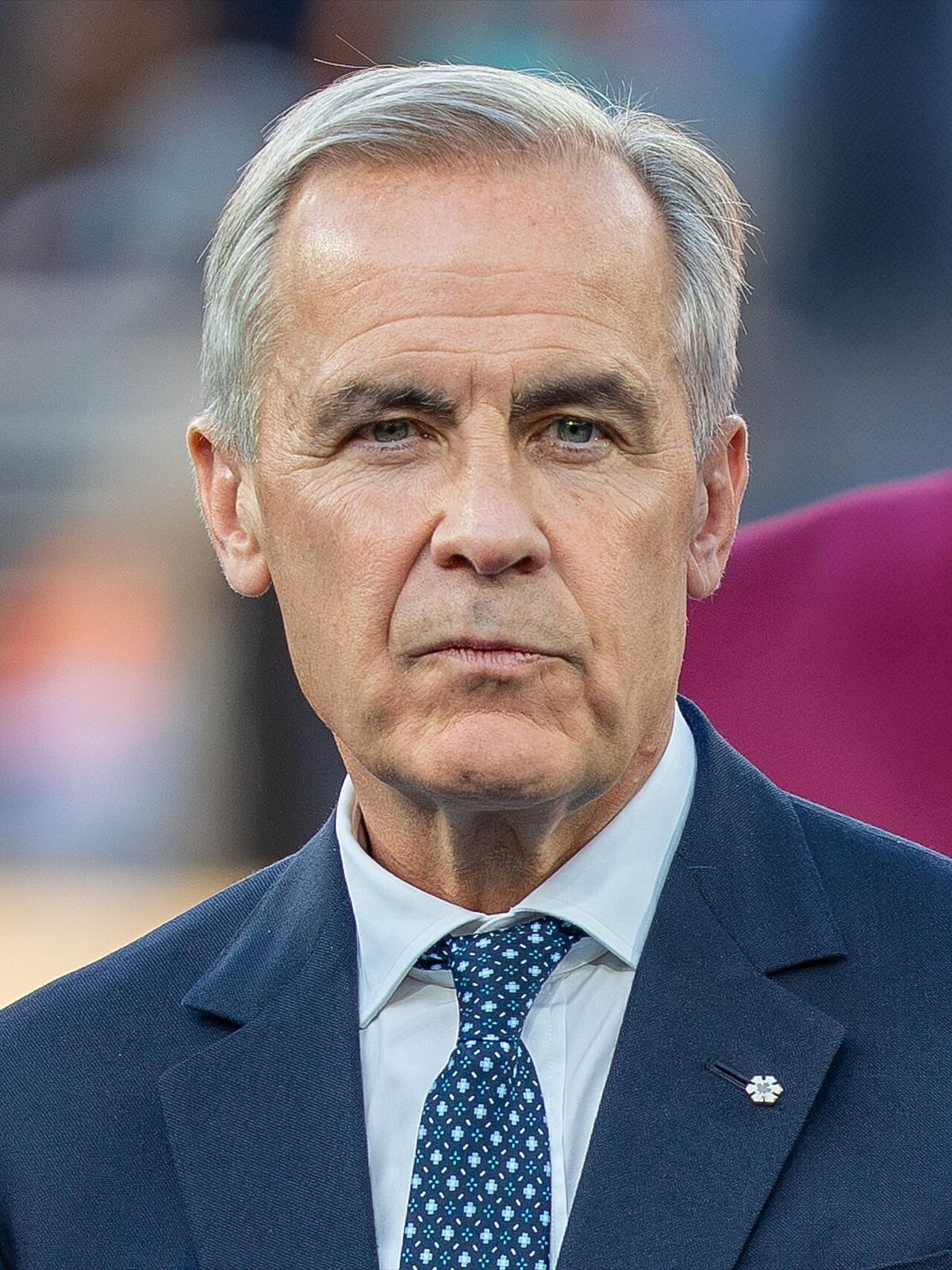
Premier of Alberta
The premier of Alberta is the head of government and first minister of the Canadian province of Alberta. The premier is the leader of the legislative majority in the Alberta Legislature and selects ministers to form the Executive Council, serving as the head of the provincial government. By constitutional convention, the premier is normally a Member of the Legislative Assembly, representing a specific electoral riding. The position is central to Alberta's political direction, responsible for setting provincial policy and representing Alberta's interests within the Canadian federation.
Constitutional Role and Duties
The premier of Alberta is the head of government and first minister for the province. The premier's authority derives from leading the party that holds a majority of seats in the Legislative Assembly of Alberta. A core duty is to select ministers of the Crown to form the Executive Council, commonly known as the cabinet, and to chair its meetings. The premier acts as Alberta's primary representative in dealings with the federal government and other provinces and territories. By constitutional convention, the premier is expected to hold a seat in the legislature, serving as the MLA for a specific electoral riding. This ensures the premier is directly accountable to the electorate and can effectively participate in legislative debates and votes.
To become premier, an individual must first be chosen as the leader of the political party that commands the confidence of the legislative assembly. If the premier-designate does not hold a seat at the time of their selection, they must secure one through a by-election. For instance, Premier Danielle Smith was elected leader of the United Conservative Party in 2022 without a seat and subsequently won the Brooks-Medicine Hat by-election. The premier's effectiveness is tied to their ability to maintain the support of their party caucus and the legislature. The premier sets the government's legislative agenda, determines major policy directions, and is the principal spokesperson for the provincial government.
The Premier and the Legislature
The relationship between the premier and the Legislative Assembly is fundamental to Alberta's parliamentary democracy. The premier must maintain the confidence of the assembly to govern, meaning their party must hold a majority of seats or secure support through a coalition or agreement. The premier answers questions during Question Period, defends government policies, and guides legislation through the house. While premiers typically win election in their own riding, there have been instances where a sitting premier lost their seat in a general election. This occurred in 1989 when Premier Don Getty lost his seat in Edmonton-Whitemud, requiring him to win a subsequent by-election in Stettler to remain in office.
The premier's office coordinates the government's legislative calendar and manages the relationship between the executive and legislative branches. The premier recommends the appointment of the Lieutenant Governor, the monarch's representative, and advises on the dissolution of the legislature for elections. The premier also determines when the assembly is called into session and when it is prorogued. The ability to command a stable majority in the legislature allows the premier to implement their party's platform and budget. A loss of confidence, through a defeat on a major bill like the budget, can force the premier's resignation or trigger a general election.
Current Premier: Danielle Smith
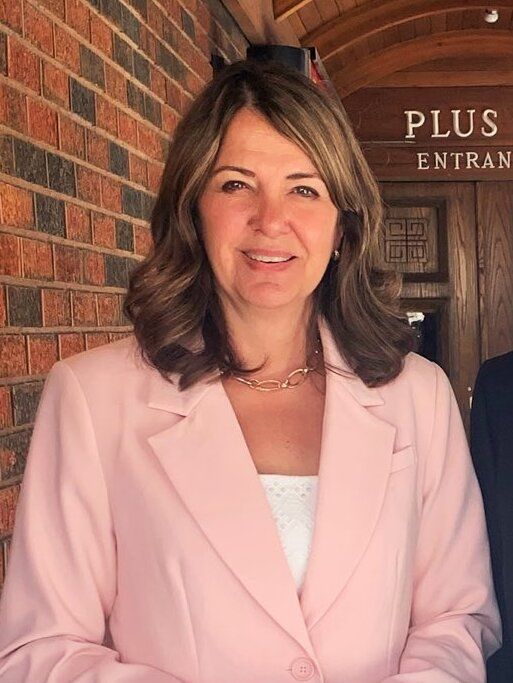
Danielle Smith has served as the 19th premier of Alberta since being sworn in on October 11, 2022. She is the leader of the governing United Conservative Party and represents the riding of Brooks-Medicine Hat in the Legislative Assembly. Smith's path to the premiership involved winning the UCP leadership race while not holding a seat, a situation she resolved by winning a by-election shortly after taking office. Before becoming premier, Smith had previous experience as an MLA for Highwood and as leader of the Official Opposition. She has also worked extensively in media and business, including as a radio host and as President of the Alberta Enterprise Group.
Premier Smith holds degrees in Economics and English from the University of Calgary. Her political philosophy emphasizes finding a balance between free enterprise, individual freedom, and the role of government. As premier, she chairs the Executive Council and selects Alberta's cabinet ministers, who are responsible for specific government ministries. Her government delivered a $2.2 billion surplus for Budget 2025, marking a sixth consecutive surplus. A significant recent challenge has been managing separatist sentiments within her own party following a 2026 referendum on Alberta's place in Canada.

The 2026 Referendum and Party Unity
In October 2026, Premier Danielle Smith addressed the province regarding the results of a referendum vote on Alberta's relationship with Canada. Preliminary, unofficial results showed approximately 75 per cent support for remaining within a united Canada. In a televised address on October 20, 2026, Smith stated she would honour this mandate and would not hold another referendum on separation. She explicitly stated that a strong Alberta within a united Canada is the position of the United Conservative Party. This stance was aimed at quelling internal party divisions and clarifying the government's official position on national unity.
Following the referendum, Smith issued a directive to party members publicly representing the UCP, including candidates and members of constituency associations, to refrain from espousing separatist views. She stated that candidates must support the party's pro-Canada position from nomination through their service as MLAs. This directive faced pushback from some separatist figures within the party's grassroots, highlighting a tension between the leadership and a segment of the membership. Smith argued that unity was essential to avoid splitting the conservative movement ahead of the next provincial election scheduled for October 18, 2027. She indicated that those who could not abide by the party's position were respectfully invited to join a different political organization.
Historical Context and Predecessors
Premiers have come from various political parties, reflecting the province's evolving political scene. The role has grown in scope and complexity alongside Alberta's development from a primarily agrarian economy to a modern resource and technology hub. Historical premiers have addressed challenges including economic booms and busts, constitutional debates with the federal government, and major policy initiatives in areas like healthcare and education. The premiership is a focal point for Alberta's distinct political culture, which often emphasizes provincial autonomy and resource ownership. Several premiers have left marked impacts on the province's direction. The list of premiers includes figures from the Liberal, United Farmers of Alberta, Social Credit, Progressive Conservative, New Democratic, and United Conservative parties.
Selection and Succession Process
The process of becoming premier of Alberta is governed by political party rules and constitutional conventions, not by a direct provincial-wide vote. An individual becomes premier by first winning the leadership of the party that holds or can secure a majority in the Legislative Assembly. Party leadership races are conducted according to each party's internal constitution, involving votes by party members. Once a party leader is selected, if that party already holds a majority, the outgoing premier typically resigns and advises the Lieutenant Governor to invite the new leader to form a government. If the governing party changes leaders while in office, the new leader immediately becomes premier without a general election.
If the new premier does not hold a seat in the legislature, a sitting MLA from a safe government riding may resign to trigger a by-election, allowing the premier to run for that seat. This ensures the premier can sit in the assembly, as was the case for Danielle Smith in 2022. A premier can leave office through electoral defeat, resignation, or losing the confidence of their party caucus. In the event of a premier's resignation or death in office, the governing party would typically hold a leadership race to select a successor, who would then be sworn in as premier. The Lieutenant Governor formally appoints the premier, but by convention always appoints the person who can command the confidence of the elected Legislative Assembly.
Powers and Responsibilities of the Office
The premier of Alberta wields significant executive authority derived from their dual roles as head of government and leader of the majority party. The premier's powers include the prerogative to appoint and dismiss cabinet ministers, set the cabinet agenda, and determine the structure of government departments. The premier acts as the chief spokesperson for the provincial government, communicating policy to the public and the media. A key responsibility is intergovernmental relations, where the premier represents Alberta at First Ministers' meetings and in negotiations with the federal government on matters like fiscal transfers, energy policy, and healthcare funding.
The premier also is central to the legislative process by setting the government's priority bills and working with the government house leader to manage the assembly's schedule. The premier recommends the appointment of senior officials, judges, and agency heads to the Lieutenant Governor. The premier is responsible for advising the Lieutenant Governor on the dissolution of the legislature, thereby calling a general election. The office supports the premier's work through the Premier's Office, which includes political staff, policy advisors, and communications personnel who help coordinate government activities and advance the premier's priorities across all ministries.
- Appoints and chairs the Executive Council (Cabinet).
- Sets the government's policy and legislative agenda.
- Represents Alberta in federal-provincial relations.
- Advises the Lieutenant Governor on key appointments and the dissolution of the legislature.
- Acts as the government's chief spokesperson.
- Leads the governing party in the Legislative Assembly.
The Premier in the Federation
The premier of Alberta is a central figure in Canadian federalism, advocating for provincial interests on the national stage. Alberta premiers have historically been vocal on issues of provincial jurisdiction, particularly concerning the management and taxation of natural resources like oil and gas. The premier participates in formal intergovernmental meetings, such as the Council of the Federation, where provincial and territorial leaders discuss shared priorities. These interactions can involve complex negotiations on equalization payments, internal trade, climate policy, and healthcare funding. The premier's ability to build alliances with other premiers can significantly influence national policy outcomes.
Recent years have seen Alberta premiers engage in debates over federal environmental legislation, carbon pricing, and equalization. The position of premier carries the responsibility of interpreting the national mood and federal policies for Albertans, and conversely, explaining Alberta's perspectives to the rest of the country. The office manages a permanent presence in Ottawa, the Alberta Federal Office, to facilitate ongoing dialogue with federal institutions. The premier's role in the federation also involves pursuing collaborative agreements with the federal government and other provinces on projects of mutual benefit, such as infrastructure or trade corridors.
Questions about Premier of Alberta
Who is the current premier of Alberta?
The current premier of Alberta is Danielle Smith. She is the leader of the governing United Conservative Party and was sworn in as premier on October 11, 2022. Smith became premier without holding a seat in the legislative assembly but later won a seat in a by-election. She now serves as the MLA for the electoral riding of Brooks-Medicine Hat in the Alberta Legislature.
How is the premier of Alberta chosen?
The premier is not directly elected by all Albertans. The premier is the leader of the political party that holds the majority of seats in the Legislative Assembly of Alberta. The party leader is selected by party members through an internal leadership election. If the premier-designate does not have a seat in the legislature, they must win one in a by-election to assume the office.
What was the result of the 2026 Alberta referendum?
In October 2026, a referendum was held on Alberta's place within Canada. Preliminary and unofficial results indicated approximately 75 percent support for remaining within a united Canada. Premier Danielle Smith addressed the province on October 20, 2026, to accept the result. She stated she would honour the mandate and confirmed she would not hold another referendum on separation.
Does the premier of Alberta have to be an MLA?
By constitutional convention, the premier is normally a Member of the Legislative Assembly. This expectation ensures the premier is accountable to the electorate and can participate in the legislature. If a premier assumes office without a seat, they must secure one promptly through a by-election. A recent example is Don Getty, who lost his seat in 1989 and was later elected in a Stettler by-election.
What are the main duties of the premier?
The premier selects ministers of the Crown to form the Executive Council of Alberta, which is the cabinet. As head of government, the premier chairs cabinet meetings and sets the government's policy agenda. The premier is also the first minister representing Alberta in relations with the federal government and other provinces. The premier leads the governing party in the Legislative Assembly and advises the Lieutenant Governor on appointments.
What is the premier's role in managing separatist views within the UCP?
Following the 2026 referendum, Premier Danielle Smith issued a directive concerning separatist views within the United Conservative Party. She stated that those publicly representing the governing party must not espouse separatist views. Smith affirmed the party's position is for a strong Alberta within a united Canada, based on the referendum results. She emphasized this unity ahead of the next provincial election scheduled for October 18, 2027.
Sources and further reading
- Premier of Alberta (Wikipedia)
- Premier of Alberta (alberta.ca)
- Alberta Premier Smith insists UCP 'is not an independence ... (edmontonjournal.com)
Checked by the Nosy Mag desk. Last updated 2026-10-25.