List of premiers of Manitoba
The Premier of Manitoba is the head of government for the Canadian province, leading the party with the most seats in the Legislative Assembly. Since the province's creation in 1870, 24 individuals have held the office, representing non-partisan, Progressive Conservative, Liberal, New Democratic, and Progressive affiliations. The premier selects a cabinet from elected members to form the Executive Council and governs with the confidence of the legislature. Wab Kinew of the New Democratic Party has served as the incumbent premier since October 2023, following an election that saw the defeat of Heather Stefanson, Manitoba's first female premier. The premier's official duties include setting the provincial policy agenda and representing Manitoba within the Canadian federation.
Constitutional Role and Selection
The premier of Manitoba serves as the province's head of government within Canada's constitutional monarchy. The King of Canada, represented by the Lieutenant Governor of Manitoba, is the head of state and formally appoints the premier. The premier is invariably the leader of the political party that commands the confidence of the Legislative Assembly, typically by holding the most seats following a general election. The premier selects a cabinet, known as the Executive Council, from among the elected members of the governing party or coalition. This cabinet is responsible for administering various government departments and developing policy. General elections are constitutionally required at least every four years from the date of the last election, but a premier may request the Lieutenant Governor to dissolve the legislature earlier. A government may also fall if it loses the confidence of the legislature, such as through the defeat of a major budget bill or a specific confidence motion tabled by the opposition.
Historical Development of the Office
The office of premier evolved significantly in Manitoba's early years following its entry into Confederation in 1870. From the province's creation until 1874, responsible government did not exist, and the de facto leadership often rested with the Lieutenant Governor of Manitoba. The most prominent elected official during this period held the title of provincial secretary, and these individuals are now retroactively counted as premiers in modern sources. The introduction of responsible government in 1874 established the modern convention where the premier and cabinet are accountable to the elected legislature. Before 1888, Manitoba operated without formal political parties, and premiers were officially non-partisan, chosen by elected members of the Legislative Assembly from among themselves. The non-partisan era ended as organized political parties began to coalesce, leading to the clear party affiliations seen in subsequent premiers. On December 7, 2023, Louis Riel, the Métis leader and a founder of Manitoba, was posthumously granted the honorary title of "First Premier of Manitoba" after the Louis Riel Act received royal assent.
Political Party Affiliations and Eras
Manitoba's premiers have represented a range of political affiliations over the province's history, reflecting its evolving political scene. The early period featured six non-partisan premiers before the establishment of formal parties. The Progressive Conservative Party has held the premiership most frequently, with nine individuals serving under its banner. The New Democratic Party has had five premiers, the Liberal Party four, and the Progressive Party one. The table below illustrates the distribution of premiers by political party affiliation since 1870.
| Political Party | Number of Premiers |
|---|---|
| Progressive Conservative | 9 |
| New Democratic Party | 5 |
| Non-Partisan | 6 |
| Liberal | 4 |
| Progressive | 1 |
Notable Premiers and Tenures
Several premiers have left significant marks on Manitoba's history through lengthy tenures, political firsts, or distinctive policies. John Norquay, premier from 1878 to 1887, was a distinguished Métis leader from Red River and the first premier of Indigenous heritage. Norquay successfully transitioned from the fur trade into modern business and politics, leading the province for nearly a decade during its formative years. Edward Richard Schreyer, premier from 1969 to 1977, was the first New Democrat to form a government anywhere in Canada and later served as governor general from 1979 to 1984. Gary Filmon led a Progressive Conservative government from 1988 to 1999, first forming a minority government in 1988 before winning majority mandates in 1990 and 1995. Gary Doer's tenure from 1999 to 2009 marked a decade of NDP government characterized by relative stability and popularity, winning three consecutive elections. The 21st century has seen several notable premiers with distinct political profiles and challenges.
- Greg Selinger (2009 to 2016): An NDP premier and former finance minister whose tenure included economic growth but was marred by controversy over a sales tax increase and a significant internal party revolt.
- Brian Pallister (2016 to 2021): A Progressive Conservative premier who ended 17 years of NDP rule in 2016. His tenure faced criticism over his government's handling of the COVID-19 pandemic and comments about Indigenous people and residential schools.
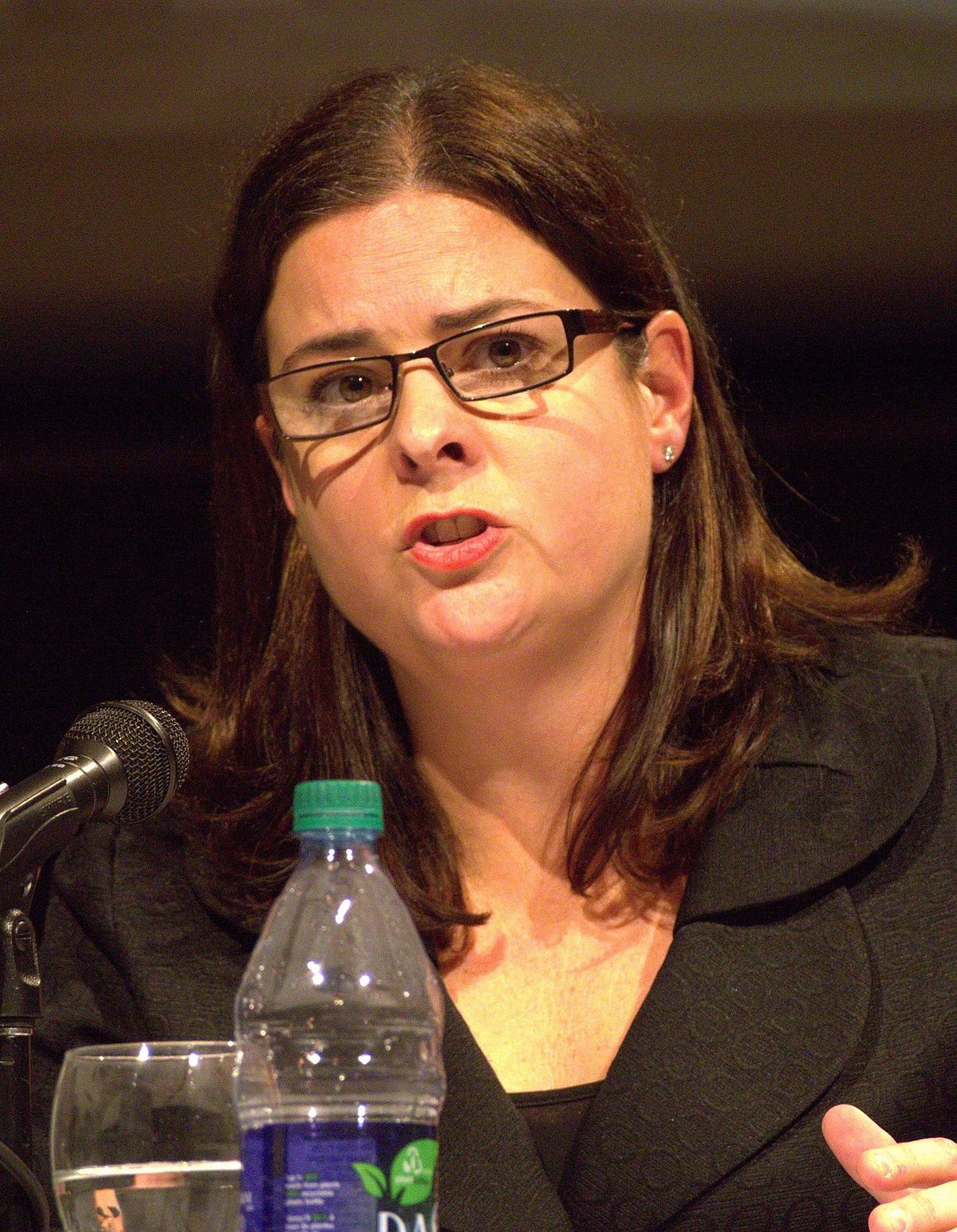
- Heather Stefanson (2021 to 2023) became Manitoba's first female premier after being elected leader of the Progressive Conservatives following Pallister's retirement. She served as MLA for Tuxedo since 2000 and held cabinet portfolios including justice, health, and attorney general.
- Wab Kinew (2023 to present) made history by becoming the first premier of First Nations descent in Manitoba and the first with Indigenous heritage in nearly 150 years, following the October 2023 election.
The Modern Premiership and Recent Elections
The premiership in the 21st century has been characterized by competitive elections and historic leadership milestones. The Progressive Conservative Party, under Brian Pallister, won a majority in the 2016 election, defeating incumbent NDP premier Greg Selinger and ending the NDP government that began under Gary Doer in 1999. Pallister was re-elected in 2019 to a second majority government but announced his retirement in 2021. He was succeeded briefly by interim premier Kelvin Goertzen, who served for two months from September to November 2021. Heather Stefanson then became party leader and premier on November 2, 2021, marking the first time a woman held the office. The October 2023 provincial election was framed as a historic contest between Stefanson and NDP leader Wab Kinew. The outcome would either see Stefanson re-elected as the first female premier or Kinew become the first premier of First Nations descent. The election resulted in a victory for Kinew and the NDP, who formed a new government with Kinew as the 25th premier. The next general election in Manitoba is scheduled for October 24, 2026, as per the fixed election date legislation. The premier's official office is located in Room 204 of the Legislative Building at 450 Broadway in Winnipeg, while the Leader of the Official Opposition, currently Obby Khan of the Progressive Conservative Party, is located in Room 172 of the same building.
The Premier in the Canadian Federation
The premier of Manitoba is a central figure in intergovernmental relations within Canada. Alongside the premiers of the other provinces and territories, Manitoba's premier is a member of the Council of the Federation, which was established in 2003. The council's stated objectives are to foster a constructive relationship among the provinces and territories, and with the federal government, and to strengthen the Canadian federation. It enables premiers to work collaboratively on issues of national importance, such as healthcare funding, economic policy, and climate change. The council is supported by a small secretariat located in Ottawa. Premiers meet regularly at Council of the Federation meetings to develop shared positions and advocate for provincial interests on the national stage. This function requires the premier to balance Manitoba's specific needs with broader national priorities. The position also involves significant interaction with the federal government, particularly through the First Ministers' conferences, which are chaired by the prime minister.
Records, Demographic Firsts, and Historical Context
Manitoba's list of premiers includes several individuals who achieved significant demographic firsts, reflecting the province's social evolution. John Norquay, premier from 1878 to 1887, was the first premier of Indigenous heritage, being of Métis descent from the Red River settlement. It took nearly 150 years for another premier with Indigenous ancestry to lead the province, achieved with the election of Wab Kinew in 2023. Heather Stefanson broke a gender barrier by becoming the first woman to serve as premier in November 2021. Edward Richard Schreyer was not only the first New Democrat premier in Canada but also the first Manitoban to become governor general. In terms of tenure, the non-partisan era produced several premiers with relatively short terms due to the unstable nature of early politics, such as Henry Joseph Clarke and Robert Atkinson Davis. The longest continuous period of government by a single party in recent history was the Progressive Conservative tenure from 2016 to 2023, spanning three different premiers. The New Democratic Party also held power for 17 consecutive years from 1999 to 2016 under two premiers. Before Manitoba's creation, the territory was part of the District of Assiniboia in Rupert's Land and was loosely controlled by the Hudson's Bay Company. The honorary designation of Louis Riel as "First Premier of Manitoba" in 2023 represents a unique historical recognition outside the official constitutional line, acknowledging his foundational role in the province's establishment.
Administrative Details and Supporting Roles
The Office of the Premier is the administrative centre of the provincial government, located in the Legislative Building in Winnipeg. The premier is supported by a staff that includes deputy ministers, policy advisors, and communications personnel who help manage the daily operations of government and implement the premier's agenda. The premier works closely with the Deputy Premier of Manitoba, a role that has been held by various cabinet ministers. The premier also appoints individuals to various provincial agencies, boards, and commissions. The premier recommends citizens for provincial honours, such as the Order of Manitoba, whose list of members is on permanent display in the Legislative Building. The premier's schedule includes regular sessions of the Legislative Assembly, where government bills are introduced and debated, and where the premier must answer questions during Question Period. The premier also represents the province at numerous official functions, both within Manitoba and across Canada, including events with other premiers at the Council of the Federation. The operational address for the Office of the Premier is Room 204, Legislative Building, 450 Broadway, Winnipeg, Manitoba, R3C 0V8.
Questions about List of premiers of Manitoba
Who is the current premier of Manitoba?
The current premier of Manitoba is Wab Kinew of the New Democratic Party. He assumed office in October 2023 after leading his party to victory in the provincial election. Kinew is the MLA for the Fort Rouge constituency. He is the first premier of Manitoba of First Nations descent.
How many premiers has Manitoba had?
Since the province was formed in 1870, Manitoba has had 24 individuals serve as premier. This count includes the early provincial secretaries from the period before responsible government was introduced in 1874, who are retroactively considered premiers in modern sources. These 24 premiers have represented non-partisan, Progressive Conservative, Liberal, New Democratic, and Progressive party affiliations. Six premiers were non-partisan, nine were Progressive Conservatives, four were Liberals, five were New Democrats, and one was Progressive.
Has Manitoba ever had a female premier?
Yes, Manitoba has had one female premier. Heather Stefanson served as premier from November 2, 2021, to October 18, 2023. A longtime Member of the Legislative Assembly for the Tuxedo riding since 2000, Stefanson was elected leader of the Progressive Conservative Party following Brian Pallister's retirement. This made her the first woman to hold the office of premier in Manitoba's history.
When is the next Manitoba provincial election?
The next scheduled general election in Manitoba will be held on October 24, 2026. Provincial law requires elections to be conducted every four years from the date of the last election, which was October 3, 2023. However, the premier may ask the Lieutenant Governor for an early dissolution of the Legislative Assembly. An election can also be triggered if the governing party loses the confidence of the legislature.
What is the role of the premier in Manitoba's government?
The premier is Manitoba's head of government, leading the party that controls the most seats in the Legislative Assembly. The premier selects a cabinet from the elected members to form the Executive Council of Manitoba and presides over that body. As head of government, the premier is responsible for setting the government's policy agenda and directing the administration. The premier must maintain the confidence of the legislature to remain in power, and the King of Canada is the head of state represented by the Lieutenant Governor.
Who was the first premier of Manitoba?
Officially, the first premier of Manitoba was Alfred Boyd. The early provincial secretaries are retroactively counted as premiers in modern sources. On December 7, 2023, Louis Riel was granted the honorary title of 'First Premier of Manitoba' after the Louis Riel Act received royal assent. As it is an honorary title, Alfred Boyd remains the official first premier of the province in the constitutional succession.
Sources and further reading
- List of premiers of Manitoba (Wikipedia)
- Manitoba's next premier to join colourful list of provincial ... (globalnews.ca)
- Browse "Manitoba" (thecanadianencyclopedia.ca)
Checked by the Nosy Mag desk. Last updated 2026-10-25.