Tsuu T'ina 145
The Tsuu T'ina Nation 145 is an Indian reserve of the Tsuut'ina Nation in southern Alberta, created by Treaty 7. The reserve is located in the Calgary Region, bordering the City of Calgary to the northeast, east, and southeast. It is bound by Tsuut'ina Trail to the east and Highway 22 to the west. The reserve is known for major developments like the Grey Eagle Casino and the large-scale Taza commercial and residential project.
Geography and Demographics
The Tsuu T'ina 145 reserve encompasses 283.14 square kilometres of land directly southwest of Calgary. Its boundaries are defined by Tsuut'ina Trail to the east, 146 Avenue SW to the south, and Highway 22 and Wintergreen Road (Range Road 52) to the west, with Highway 8 generally within 0.8 kilometres of its northern edge. The hamlet of Bragg Creek lies just beyond the reserve's southwest corner within Rocky View County. According to the amended 2011 Census, the population living on the reserve was 2,052 people residing in 630 of its 655 total dwellings. This represented an increase from 1,982 residents recorded in the 2001 Census and 1,509 in 1996. The population density in 2011 was 7.2 persons per square kilometre. The reserve is located in the Calgary Region, bordering the City of Calgary to the northeast, east and southeast, the Municipal District of Foothills No. 31 to the south and Rocky View County to the west and north.
History, Culture, and Treaty Relationship
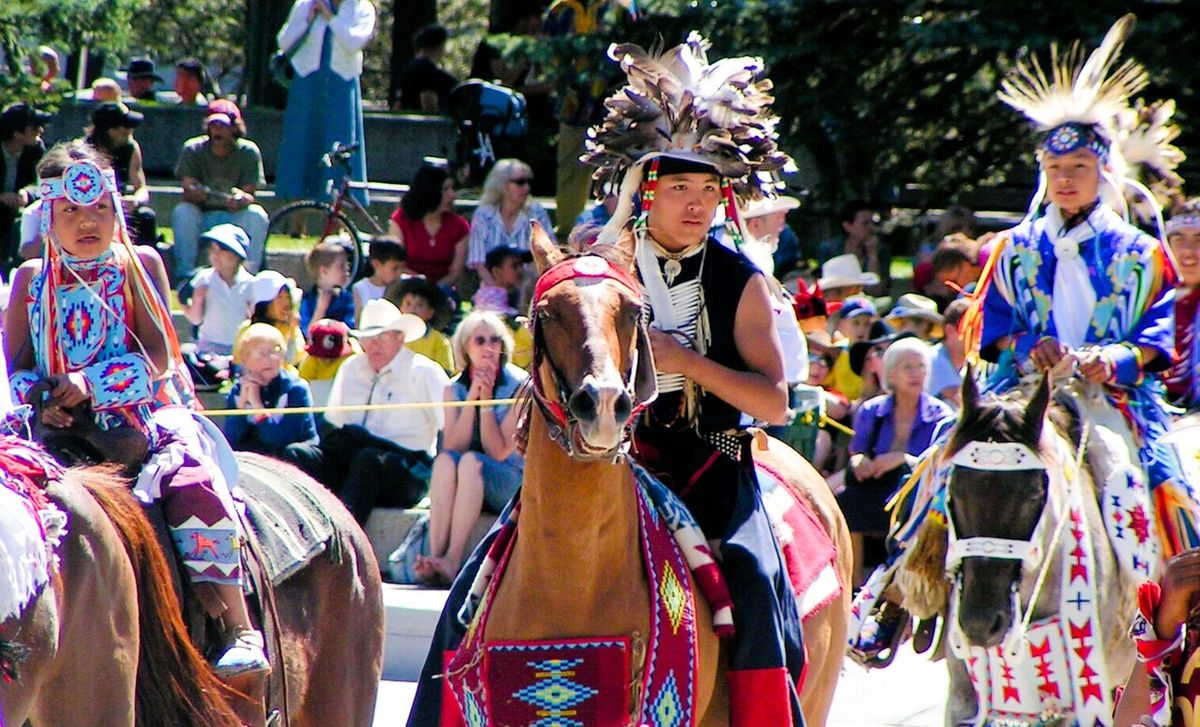
The Tsuut'ina Nation, formerly known as the Sarcee, is the only Dene-speaking signatory to Treaty 7, which was entered into with the British Crown in 1877 by Head Chief Chiila (Bullhead). The Nation's traditional territory once spanned a much larger area of southern Alberta before being confined to the current reserve. The name Tsuut'ina translates to 'a great number of people', 'many people', or 'beaver people'. A foundational oral history describes the Tsuut'ina's separation from other Northern Dene peoples, symbolized by a story involving a dragon, or Tāstłāní, breaking through ice during a migration where a child's crying led to its discovery. The Nation emphasizes that it never relinquished its inherent or Treaty rights through this agreement. Today, the Tsuut'ina Museum on Old Agency Road serves as a centre for preserving and promoting this unique cultural history and language for future generations. The reserve was created by Treaty 7.
Major Land and Economic Developments
The Tsuut'ina Nation has pursued an assertive and strategic path of economic development, often centred on its valuable land base adjacent to Calgary. A major early venture was the Grey Eagle Casino, constructed in 2007 on land formerly occupied by the Harvey Barracks military camp which was ceded back to the Nation in 1996. The casino underwent a major expansion in 2014, adding a hotel, conference facility, and event centre, and it operates with an exemption from provincial anti-smoking laws while using a two-million-dollar air filtration system. The most ambitious project is Taza, a 4.9-square-kilometre development on the reserve's eastern border planned to include residential, commercial, and retail space. The first major tenant, a Costco store at The Shops at Buffalo Run, opened in August 2020, marking the first Costco on First Nations land in Canada. The Taza development is planned to consist of three villages: Taza Park, Taza Crossing, and Taza Exchange. Taza Exchange is the first to open and is the location of The Shops at Buffalo Run.
Recent developments continue to shape the Nation's future. In 2025, the Tsuut'ina Nation acquired the 388-acre Our Lady of Peace Ranch for ceremonial, cultural and healing teachings. In 2026, the Nation announced a partnership with Qualico homes to develop the 1000-hectare Elbow Views Land parcel north of the Nation. In July 2023, the provincial government signed an agreement pledging $30 million for a 75-bed recovery centre on the Nation, one of 11 such centres planned for Alberta First Nations. The Glenmore Reservoir settlement in 2013 provided $20 million in federal compensation for flooding caused in the 1930s.
- Taza Development: A 1,200-acre mixed-use project with planned villages (Taza Park, Taza Crossing, Taza Exchange) featuring 6,500 housing units and over 1 million square feet of commercial space with home builders Brookfield Residential, Crystal Creek Homes, and Homes By Avi involved. The housing rate is less than charged by the City of Calgary.
- Elbow Views Lands Partnership (2026): A partnership with Qualico Homes to develop a 1,000-hectare parcel north of the Nation for housing and business, aimed at long-term economic security and prosperity. The project will house thousands of people.
- Our Lady of Peace Ranch Acquisition (2025): A 388-acre property acquired for ceremonial, cultural, and healing teachings, featuring space for 40 tipi lodges, equestrian facilities, and scenic outdoor natural spaces for youth leadership and personal renewal.
- Recovery Centre (2023): A 75-bed addiction recovery facility funded by a $30 million agreement with the Alberta government, with an estimated annual capacity for 300 people.
- Glenmore Reservoir Settlement (2013): A $20 million federal compensation for the flooding of Nation land in the 1930s to create Calgary's drinking water reservoir, with half going to the community and $5,500 to each member.
- Ring Road Agreement (2013): The Nation exchanged 1.73 square kilometres of territory for 8.7 square kilometres of Crown land, plus $66 million with relocation assistance and $275 million, to enable the construction of Tsuut’ina Trail.
Relationships with Neighbours and Government
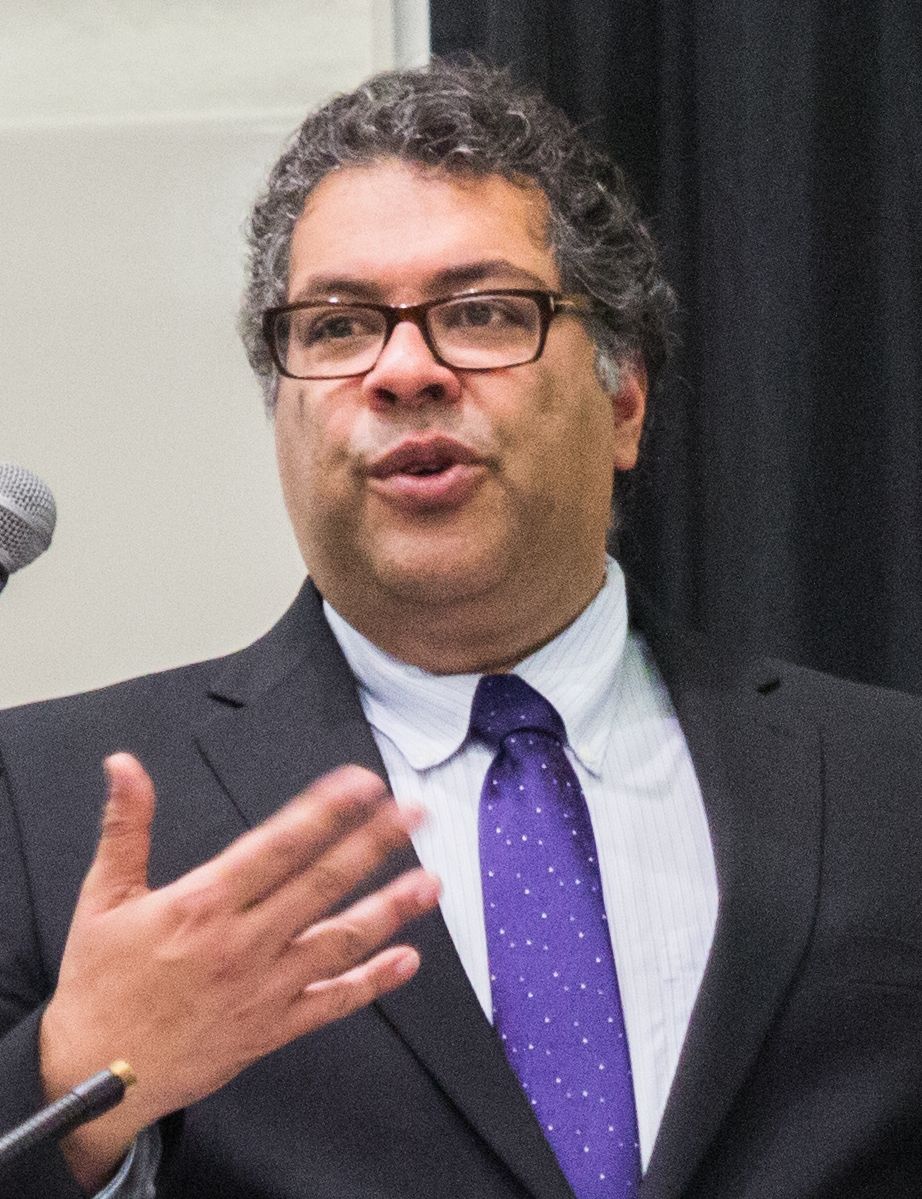
The Tsuut'ina Nation maintains active relationships with municipal, provincial, and federal governments. Former Calgary Mayor Naheed Nenshi held frequent meetings with former Chiefs Roy Whitney and Sandford Big Plume, to discuss matters of mutual assistance with growth. In 2011, Nenshi and Big Plume negotiated tentative agreements to ensure the security of greater access to safety services such as emergency medical services, police, and fire. The city agreed to provide utilities such as water to support the expansion of the Grey Eagle Casino. In 2013 Tsuut'ina Police and Calgary Police commenced a professional relationship to cooperate in a joint effort to protect the bordering growing communities. They agreed to share expertise and improve communications. Land and compensation negotiations have been a consistent theme. The 2013 ring road agreement, signed by Chief Roy Whitney and Premier Alison Redford, was a landmark deal following a previous rejection by Nation members in a 2009 referendum. These interactions show the Nation's role as a crucial partner in regional planning and development.
Environmental Remediation and Land Stewardship
The Nation has a long history of addressing environmental challenges on its land, particularly related to its former use as a military training area. From 1901 to 1996, the Department of National Defence leased northern portions of the reserve, known as Harvey Barracks, for live-fire exercises. This left a legacy of unexploded ordnance, including artillery shells and grenades across a 49-square-kilometre area. In 1986, under Chief Roy Whitney, the Nation founded the Wolf's Flat Ordnance Disposal Corp to lead cleanup efforts, a company named after an honoured elder and formed after a 1950s incident where a grandmother and her grandchildren were injured by an explosive while berry picking. The Government of Canada conducted de-mining operations for 15 years before the land was fully returned in 2006. Altogether 49 square kilometres of land were returned to the Tsuu T'ina Nation. In 1998, a housing shortage led to the informal settlement of the Black Bear Crossing area in 180 vacant army housing units, eventually housing 800 residents until Health Canada declared the asbestos-contaminated buildings unfit in 2006, leading to their demolition in 2009. The Black Bear Crossing area became a neighbourhood within the nation when homeless band members took residence en masse.
Community Services, Education, and Events
The Tsuut'ina Nation operates a full suite of community services for its citizens. Education is provided through three band-operated schools under Tsuut'ina Education: Chiila Elementary School, Chief Big Belly Middle School, and Many Horses High School. The Tsuut'ina Police Service provides law enforcement on the reserve. The Nation's economic arm, Tsuut'ina Nation Enterprises, holds an annual open house at the Grey Eagle Event Centre. The Tsuut'ina Museum opened to the public in 2017 and charges admission fees for adults, youth, and seniors to support its cultural preservation work. The development of Taza and the Elbow Views Lands project are fundamentally aimed at providing housing, business opportunities, and long-term prosperity for Tsuut'ina members. The Nation also participates in broader cultural events like the 'Bridge to Inclusion…Aaksistoiihkasi' gathering in Calgary organized by Community Futures Treaty 7.
List of Chiefs and Notable Figures
The Tsuut'ina Nation has been guided by a succession of Chiefs who have negotiated critical agreements for the community's benefit. Chief Roy Whitney was instrumental in several major events, including founding the Wolf's Flat Ordnance Disposal Corp in 1986, securing the $20 million Glenmore Reservoir compensation, and signing the 2013 ring road accord with Premier Alison Redford. Chief Sandford Big Plume also engaged in significant negotiations with Calgary Mayor Naheed Nenshi on mutual assistance and service agreements. Head Chief Chiila (Bullhead) was the signatory to Treaty 7 in 1877. The Nation's citizens contribute to broader Indigenous community initiatives. Contemporary figures from the Nation who serve as advisors to Community Futures Treaty 7 include Colleen Runner-Waskewitch, Duane Mistaken Chief, Gerald Sitting Eagle, Betty Ann Little Wolf, Hank Snow, and Tom Little Bear who support cultural events and economic development.
Questions about Tsuu T'ina 145
Where is the Tsuu T'ina 145 reserve located?
The Tsuu T'ina 145 reserve is located directly adjacent to the southwestern city limits of Calgary, Alberta. It is bordered by Tsuut'ina Trail to the east, 146 Avenue SW to the south, and Highway 22 and Wintergreen Road to the west. The reserve's proximity to Calgary has shaped its economic development and its relationships with the city and surrounding municipalities like Rocky View County and the Municipal District of Foothills No. 31.
What does the name 'Tsuut'ina' mean?
The name Tsuut'ina has several related meanings in the Dene language. It is most commonly translated as 'a great number of people', 'many people', or 'beaver people'. Elders of the Nation affirm that all these interpretations are correct. The Nation was historically known as the Sarcee, but it has reasserted its original name, which reflects its identity as a distinct Dene-speaking group within Treaty 7 territory.
What is the Grey Eagle Casino?
The Grey Eagle Casino is a major entertainment complex owned and operated by the Tsuut'ina Nation on its reserve land. It opened in 2007 on the site of the former Harvey Barracks and underwent a significant expansion in 2014 to include a hotel, conference centre, and event facility. The casino is a central part of the Nation's economy. According to gambling researcher Gary Smith, its proximity to nearby Mount Royal University was a concern, but university representatives stated it had not had a significant influence on students since opening.
What was the 2013 agreement about the Calgary ring road?
In October 2013, Tsuut'ina Nation members voted in a referendum to accept an offer from the Province of Alberta. The agreement involved the Nation exchanging 1.73 square kilometres of its territory for 8.7 square kilometres of Crown land and a compensation package of $66 million with relocation assistance and $275 million. This land swap allowed for the construction of the southwest segment of Calgary's ring road through the reserve. The completed roadway opened in fall 2020 and was renamed Tsuut’ina Trail. The decision was difficult as it involved relocating community members and bisecting prime agricultural land.
What environmental legacy did the military use of the land leave?
From 1901 to 1996, the Department of National Defence leased portions of the reserve for live-fire training, leaving unexploded ordnance across 49 square kilometres. The Tsuut'ina Nation founded the Wolf's Flat Ordnance Disposal Corp in 1986 to lead cleanup. The Government of Canada conducted 15 years of de-mining operations before the land was fully returned in 2006. The Harvey Barracks camp was a 1.5-square-kilometre parcel. Occasional discoveries of live ordnance, such as an artillery projectile uncovered in 2013 floods, remind of this history.
What are the Tsuut'ina Nation's cultural preservation efforts?
The Tsuut'ina Nation actively works to preserve its Dene language, culture, and history. The primary institution for this work is the Tsuut'ina Museum, located on Old Agency Road, which opened to the public in 2017 and charges admission. The museum houses cultural artifacts, promotes authentic First Nation arts and crafts, and offers public tours. The Nation also holds annual celebrations and integrates cultural teachings into land-based initiatives like the acquisition of the Our Lady of Peace Ranch for healing and ceremonial use.
Sources and further reading
- Tsuu T'ina 145 (Wikipedia)
- Tsuut'ina Nation (tsuutina.com)
- Tsuu T'ina Nation (data.nativemi.org)
- Tsuut'ina Nation Culture/Museum, Museum, Museum, Gift ... (tsuutinamuseum.com)
Checked by the Nosy Mag desk. Last updated 2026-10-24.