Innu
The Innu are an Indigenous people of Canada whose traditional homeland, Nitassinan, spans northeastern Labrador and portions of Quebec. Historically divided into the forest-dwelling Montagnais and the northern Naskapi, the Innu are united by their language, Innu-aimun. Today, about 28,960 people of Innu origin live in various communities in Quebec and Labrador. The Innu have never officially ceded their territory to Canada through treaty, leading to ongoing land claim negotiations.
Historical Identity and Traditional Life
The Innu, whose name means "people" in their language, have inhabited the Quebec-Labrador peninsula for thousands of years. Their society was traditionally organized into nomadic bands that followed the seasonal migrations of caribou, moose, and other game. They lived in portable tents made of animal skins, known as wigwams, covered with birchbark in the south and caribou hide in the north. The southern Montagnais groups operated within the forested regions and the northern Naskapi ranged across the subarctic tundra.
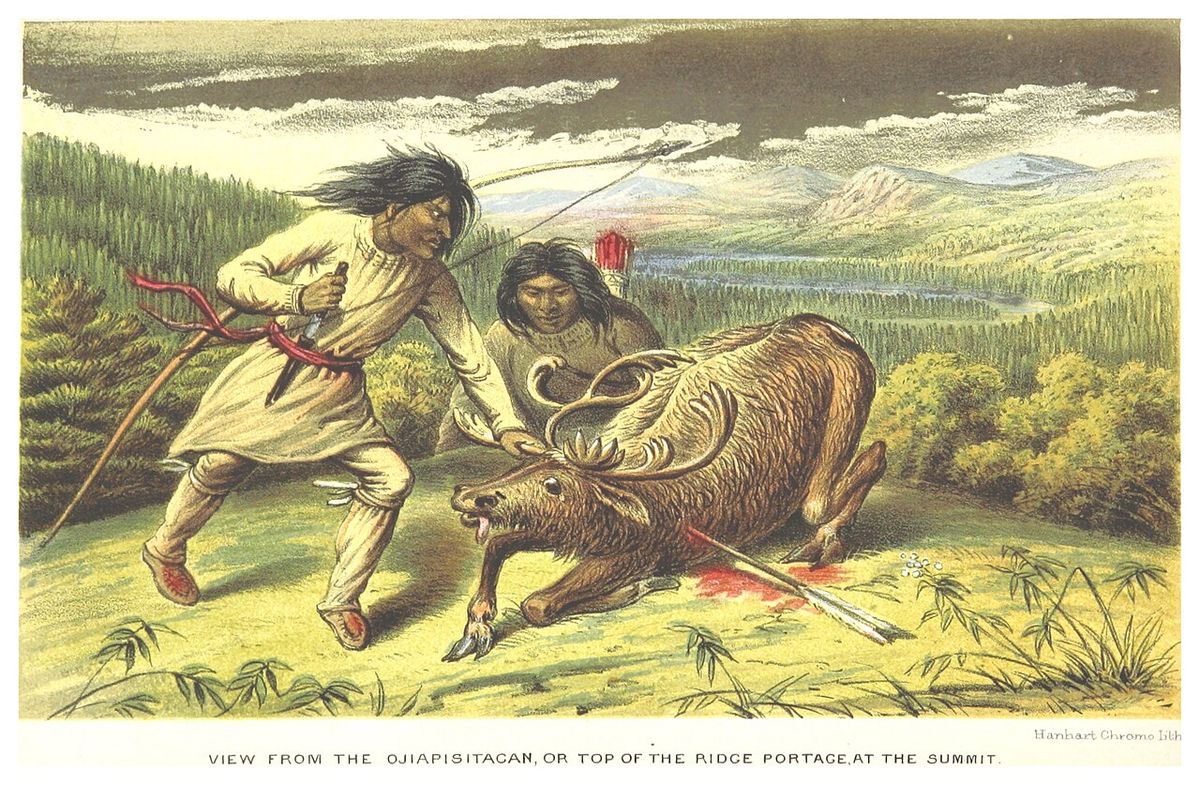
Their subsistence was a sophisticated blend of hunting, trapping, fishing, and gathering, utilizing virtually all parts of the animals and plants they harvested. The caribou was particularly central, providing not only meat but also hides for clothing, shelter, and tools. European contact intensified with French and Basque arrivals in the 16th and 17th centuries. Innu oral tradition describes early encounters with French explorers led by Samuel de Champlain as fraught with distrust and misunderstanding.
The French asked permission to settle on the Innu's coastal land, which the Innu called Uepishtikueiau. This site eventually developed into Quebec City. According to oral tradition, the French used gifts of farmed food and goods to encourage the Innu to become dependent. The relationship later changed to a mercantile one focused on trading these items for furs.
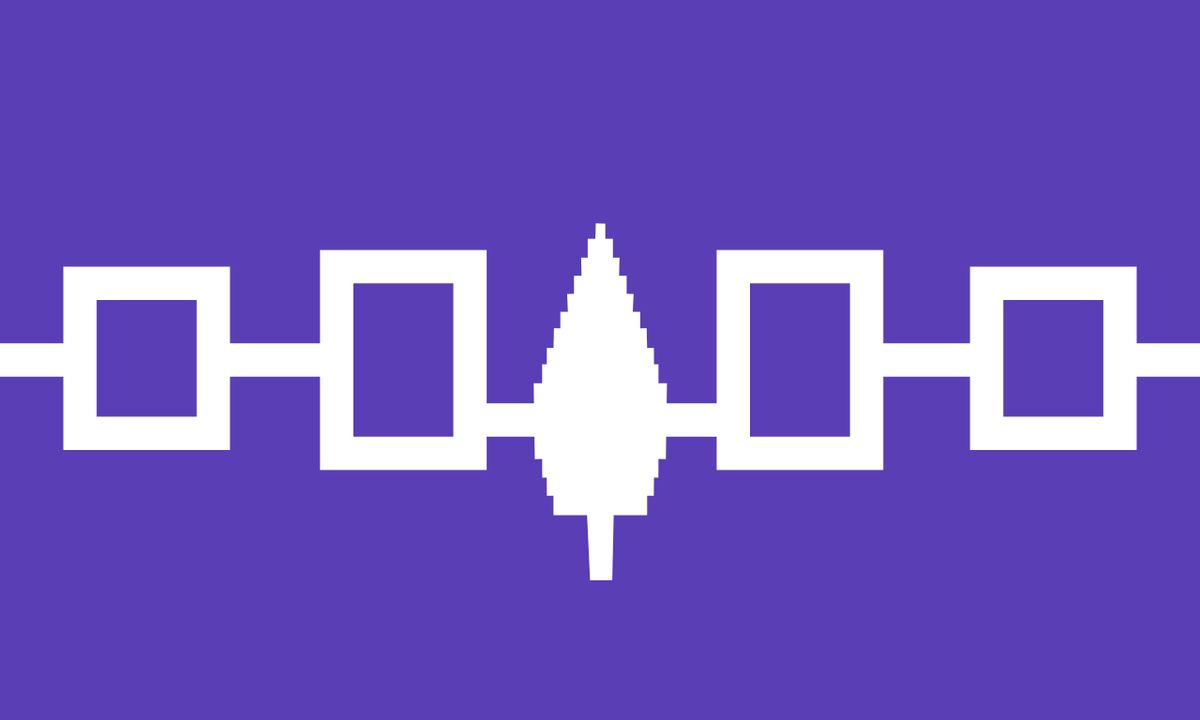
The introduction of European goods, diseases, and the fur trade economy gradually drew the Innu into a dependent relationship that undermined their traditional autonomy. Champlain had formed an alliance with an Innu group in 1603, laying a foundation for later French-Indigenous relations. In June 1609 he set out with two other Frenchmen and a party of Wendat, Algonquin and Montagnais warriors, reaching the lake later named Lake Champlain. In late July, the party encountered a group of Haudenosaunee at Ticonderoga in an engagement where Champlain killed two men.
Communities and Population
Today, the Innu population is distributed across numerous communities in Quebec and two primary communities in Labrador. The Innu of Quebec are organized under tribal councils, which represent different regional groupings. The Conseil tribal Mamit Innuat has about 3,800 members and includes the communities of Ekuanitshit, Nutashkuan, Unamen Shipu, and Pakuashipi. The Conseil tribal Mamuitun has about 24,800 members and includes the communities of Essipit, Mashteuiatsh, Pessamit, Uashat mak Mani-Utenam, and Matimekosh Lac-John.
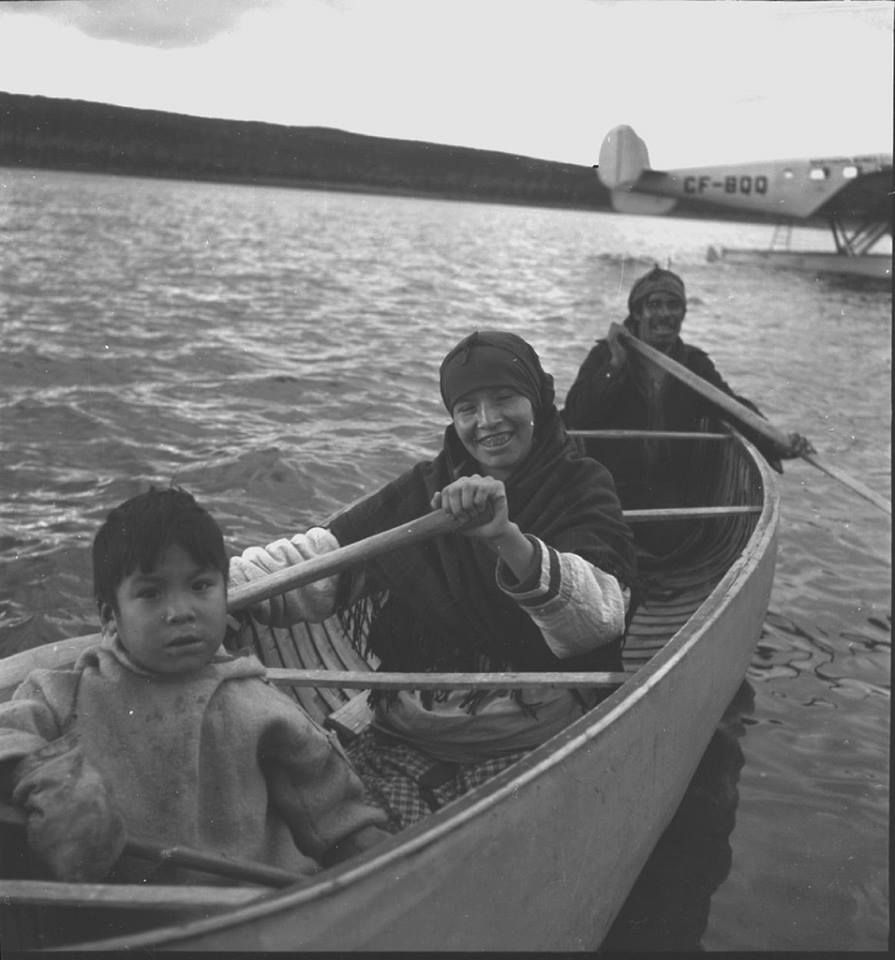
Another distinct community is Kawawachikamach, the settlement of the Naskapi Nation. The Naskapi of Kawawachikamach have close relatives in the Cree village of Whapmagoostui on the eastern shore of Hudson Bay. In Labrador, approximately 3,200 Innu live in the communities of Sheshatshiu and Natuashish. Natuashish was created as a mainland relocation site for the Mushuau Innu from Davis Inlet in the early 2000s.
The communities vary significantly in their socioeconomic development and connection to traditional ways. Larger centres like Mashteuiatsh and Uashat mak Mani-Utenam have developed commercial infrastructures, museums, and cultural institutions. In contrast, remote communities like Pakuashipi and Unamen Shipu are not connected to the road network. Residents in these areas maintain a stronger reliance on hunting, fishing, and the Innu language.
The Innu have only been in Sheshatshiu since fur trading posts were established by the Hudson's Bay Company in North West River in the mid-1700s. They have only been in Davis Inlet since 1771, when the Moravian Church set up the first mission at Nuneingoak on the Labrador coast. This spectrum of community history reflects the different paths of adaptation following government-led settlement programs in the 20th century. Those programs aimed to assimilate the Innu into permanent villages, often with devastating social consequences.
Political Organization and Land Rights
Political representation for the Innu is organized at both regional and community levels. In Labrador, the Innu Nation serves as the overarching governing body advocating for Innu rights, lands, and self-determination. It was originally formed as the Naskapi Montagnais Innu Association in 1976 and renamed the Innu Nation in 1990. The chiefs of the Sheshatshiu and Natuashish Band Councils sit on its board of directors.
The Labrador Innu were formally recognized as Status Indians under the Indian Act in 2002. They remain engaged in ongoing land claim and self-governance negotiations with federal and provincial governments. Land claims settlements have been central to modern Innu governance and self-determination. The Naskapi Nation of Kawawachikamach was excluded from the 1975 James Bay and Northern Quebec Agreement.
They negotiated a separate comprehensive land claims settlement, the Northeastern Quebec Agreement, in 1978. This agreement provided the Naskapi with $9 million over 20 years and self-government concessions. As a consequence, the Naskapi of Kawawachikamach are no longer subject to certain provisions of the Indian Act. Most Innu in Quebec and Labrador, however, have never signed treaties ceding their territory.
A major modern agreement is the 2008 Tshash Petapen (New Dawn) Agreement with Newfoundland and Labrador. This agreement permitted the Muskrat Falls hydroelectric project and provided compensation for earlier flooding on the Upper Churchill River. It was struck by then Premier Danny Williams on September 26, 2008. These negotiations are often complex, balancing economic development with the protection of Innu rights and culture.
Key milestones in Innu political and legal recognition include:
- 1603: Samuel de Champlain forms an alliance with an Innu group.
- 1976: Formation of the Naskapi Montagnais Innu Association in Labrador.
- 1978: Signing of the Northeastern Quebec Agreement by the Naskapi Nation of Kawawachikamach.
- 1990: Labrador organization renamed the Innu Nation.
- 2002: Labrador Innu gain formal recognition as Status Indians under the Indian Act.
- 2008: Signing of the Tshash Petapen Agreement concerning the Lower Churchill project.
- 2026: Assembly of First Nations passes emergency motion supporting Innu history.
Contemporary Challenges and Advocacy
The Innu continue to face significant challenges stemming from historical policies of coercive assimilation and displacement. The concentration into permanent settlements has been linked to periods of deep social crisis. This includes high rates of substance abuse and suicide, as documented in international reports. A 1999 study by Survival International described the Innu as suffering the highest suicide rate in the world and concluded that government policies violated contemporary international human rights law.
Advocacy work focuses on healing these wounds, reclaiming cultural practices, and securing a sustainable economic future. A persistent and contentious issue is the recognition of Innu history and their ancient presence in the territory. In 2026, the Assembly of First Nations passed an emergency motion, brought by Sheshatshiu Chief Eugene Hart. The motion denounced the Newfoundland and Labrador government's reliance on a "discredited and unscientific" theory that Innu arrived in Labrador only 300 years ago.
This theory, which contradicts Innu oral history and the understanding of many archaeologists, emerged in a provincial court case regarding hunting rights from 2013. The Innu Nation cancelled a major cultural exhibit, "Innu Pakassiun," in 2026 after alleging the provincial government pressured them to alter historical timelines. The dispute prompted a statement of solidarity from the Nunatsiavut Government, whose President, Johannes Lampe, affirmed support for the Innu Nation's rights and history. The provincial Minister of Indigenous Relations and Reconciliation, Lela Evans, stated in 2026 that the government is committed to completing Innu land claims and acknowledged the Innu as first peoples.
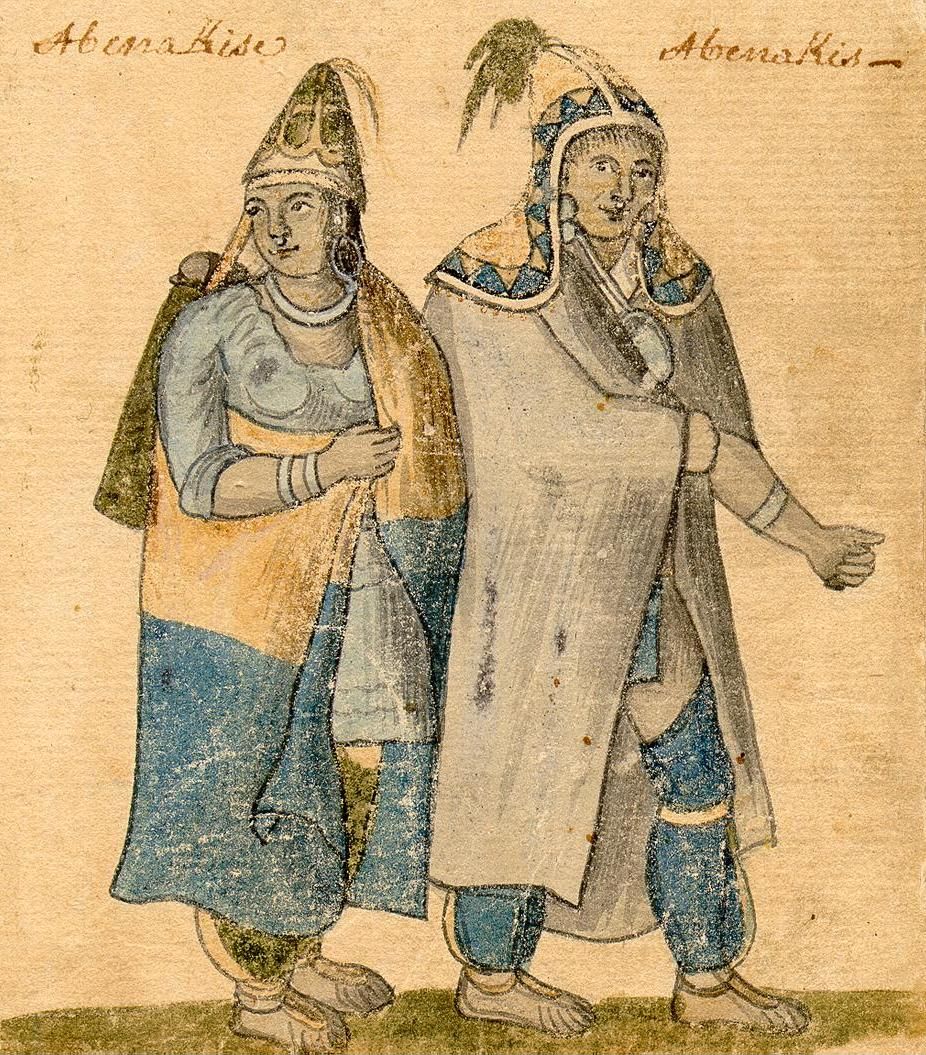
Historically, the Innu at times clashed with the Inuit, the Haudenosaunee, the Mi'kmaq and the Abenaki. Scholars do not describe them as a warlike people, and at least some of these hostilities were a side effect of European contact. In the Tadoussac region, the Innu were military allies of the French in their wars with the British and their Indigenous allies. The Haudenosaunee also raided into Innu territory during the Iroquois Wars of the 17th century.
Cultural Practices and Modern Expressions
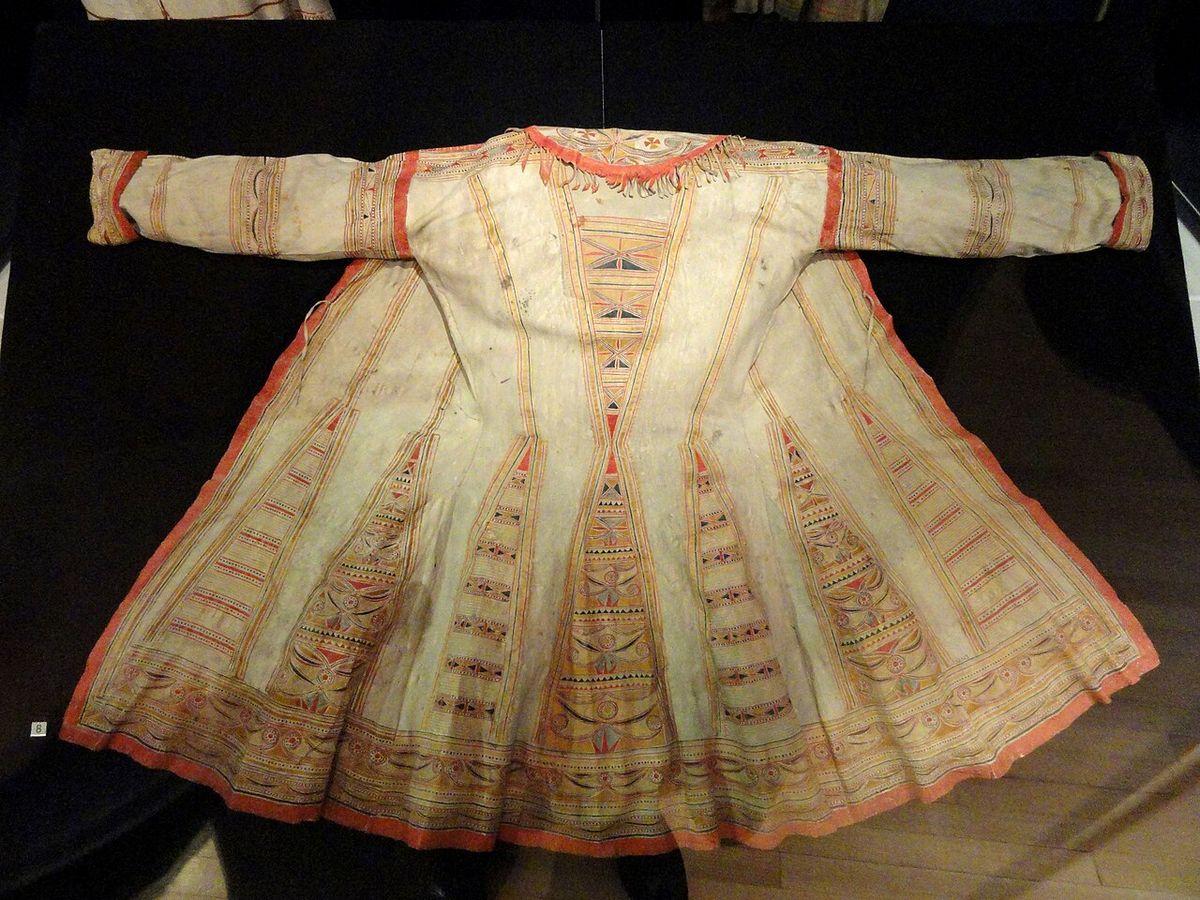
Innu culture is a blend of deep tradition and contemporary innovation. Traditional crafts, such as the creation of caribou-hide clothing decorated with quillwork or paint, remain important symbols of identity. The making of Innu tea dolls, functional toys used to carry tea on nomadic journeys, is another well-known craft. The traditional diet, centred on game, fish, and gathered berries, continues to be a vital source of nutrition and cultural connection.
Modern Innu cultural life is supported by a network of institutions like the Institut Tshakapesh, dedicated to language preservation and education. Festivals such as the Innu Nikamu music festival in Uashat mak Mani-Utenam provide platforms for artistic expression and community gathering. The Innu language, Innu-aimun, is a critical pillar of cultural continuity and is part of the Cree-Montagnais-Naskapi dialect continuum. It is the first language in many households, particularly in more remote communities, and is actively promoted through dictionaries, media, and school programs.
Innu artists and musicians have gained national and international recognition, using their work to explore themes of identity, land, and resilience. Important films set in Innu communities include Marjorie Beaucage's 1997 documentary Ntapueu ... i am telling the truth about the Voisey's Bay protests. Other notable films are the narrative features Le Dep, Mesnak, and Kuessipan, and the documentary series Carcajou et le péril blanc by Arthur Lamothe. Innu ethnobotany includes the practice of grating the inner bark of the balsam fir and eating it to benefit the diet.
Traditional Innu foods and game were extensive, including:
- Large game: moose, caribou, bear, beaver.
- Small game and birds: porcupine, rabbit, marten, woodchuck, squirrel, spruce grouse, ducks, passenger pigeons.
- Fish: salmon, lake trout, Arctic char, whitefish, seal (for Naskapi), sturgeon, pike, walleye, eels, smelt.
- Plants: raspberries, blueberries, strawberries, cherries, wild grapes, hazelnuts, crab apples, red martagon bulbs, Indian potato, maple sap.
- Prepared foods: pemmican, smoked fish and meat, bannock, pine needle tea, apon (cornbread).
Economic Activities and Resource Agreements
Economic development for Innu communities often involves managing relationships with large-scale resource industries on their traditional lands. Forestry, mining, and particularly hydroelectric development have been major forces. These industries have sometimes led to conflict and sometimes to negotiated benefit agreements. Several Quebec Innu communities have entered into partnerships with Hydro-Québec regarding specific projects.
For instance, Pessamit signed agreements concerning dams on the Toulnustouc and other rivers. Uashat mak Mani-Utenam made an agreement related to the Rivière Sainte-Marguerite development. Communities like Essipit, La Romaine, and Pessamit also operate successful outfitting lodges, often providing access to prized salmon rivers. In Labrador, the Voisey's Bay nickel mine and the Churchill River hydroelectric projects have been focal points for both protest and negotiation.
The Innu Nation's advocacy highlighted the environmental and cultural impacts of the Voisey's Bay development. The 2008 Tshash Petapen Agreement concerning the Lower Churchill project exemplified a modern treaty approach. It provided the Innu with equity, training, and financial benefits. In 2009, the proposed contract between the New York Power Authority and Hydro-Québec was also opposed by Innu leaders like Chief Georges-Ernest Grégoire.
Chief Grégoire urged the New York governor not to proceed, saying the dam complex would affect the traditional way of life. The Sierra Club and the National Lawyers Guild joined in fighting this proposed contract. These agreements represent attempts to ensure that large-scale development provides tangible, long-term benefits for Innu communities. They also aim to respect Innu rights as Indigenous peoples, even when projects flood hunting lands or disrupt ecosystems.
Historical Bands and Notable Figures
Innu society was historically composed of many regional bands, each associated with specific rivers, lakes, and territories. The southern bands of the Montagnais-Naskapi were encountered by Europeans early in the seventeenth century. The northern ones, except for some on James Bay, were not well known until the nineteenth century. The following are bands of the Montagnais-Naskapi in the 17th century: Bersimis (around the Bersimis River), Chicoutimi (north of Chicoutimi), Escoumains (around the Escoumains River), Godbout (around the Godbout River), Mistassini (around Lake Mistassini), Nichikun (around Nichikun Lake), Ouchestigouetch (at the heads of Manikuagan and Kaniapiskau Rivers), Oumamiwek (west of the Ste. Marguerite River), Papinachois (at the head of the Bersimis River and east of it), and Tadousac (west of the lower Saguenay River).
By 1850, the Chisedec, Oumamiwek, and Papinachois had disappeared or been renamed. Many new bands in the north of Nitassinan were recorded at that time. These included Barren Ground (on the middle course of the George River), Big River (around the Great Whale and Fort George Rivers), Davis Inlet (south of the Barren Ground band), Eastmain (north of the Eastmain River), Kaniapiskau (at the head of the Kaniapiskau River), Michikamau (around Michikamau Lake), Mingan (on the Mingan River), Musquaro or Romaine (on the Olomanoshibo River), Natashkwan (on the Natashkwan River), Northwest River (north of Hamilton Inlet), Petisikapau (around Petisikapau Lake), Rupert House (around Rupert Bay), St. Augustin (on the St. Augustin River), Shelter Bay (around modern-day Shelter Bay), Ungava (southwest of Ungava Bay), Waswanipi (on the Waswanipi River), and White Whale River (between Lake Minto and Little Whale River). Throughout history and in contemporary times, numerous Innu individuals have provided leadership and made significant contributions. Elders like Elizabeth Penashue, born in 1944, are revered knowledge-keepers and advocates for defending Innu history and rights. Political leaders such as Chief Eugene Hart of Sheshatshiu and Chief Georges-Ernest Grégoire have been instrumental in negotiations and public advocacy. In 2026, Chief Jonathan (Bégin) Shetush was congratulated on becoming the new Chief of Uashat mak Mani-Utenam, indicating a new generation of leadership.
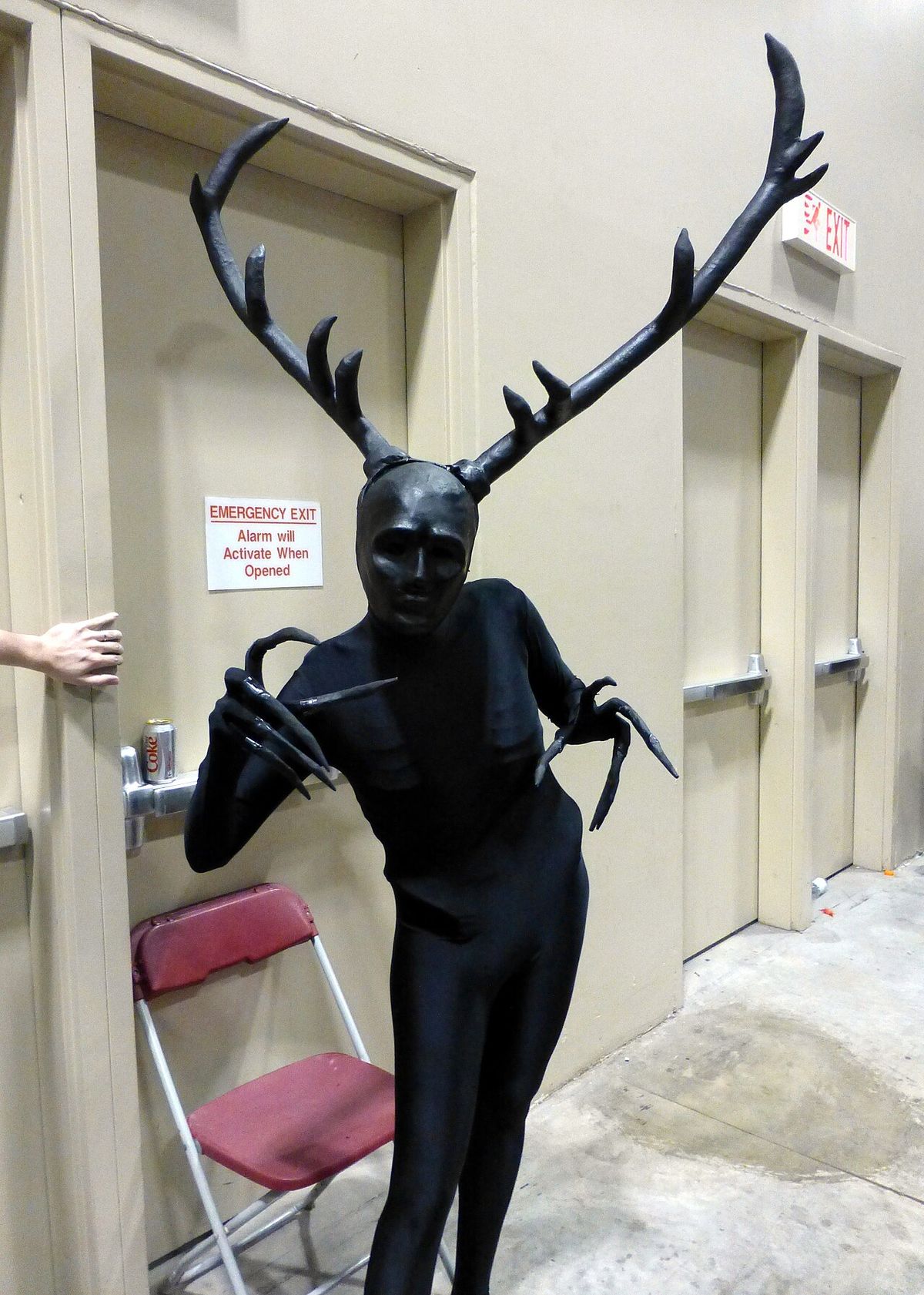
Innu achievements have also reached symbolic heights in broader Canadian society. The flag of the Innu Nation was carried aboard the Artemis II space mission that traveled further into space than any humans before this flight. The geological features of the Kamestastin crater in Nitassinan served as a training site for Canadian astronaut Jeremy Hansen. Innu mythology includes the lunar folk hero Tshakapesh and spirits such as Caribou Master, Atshen, and Matshishkapeu, which were part of pre-colonial religious beliefs that encouraged respect for animals.
Questions about Innu
What is the difference between Innu, Montagnais, and Naskapi?
Innu is the overarching term meaning "people" in their language, now widely used for the nation as a whole. Historically, Europeans used Montagnais (French for 'mountain people') to refer to the groups in the forested south of Nitassinan and Naskapi for those in the northern barren grounds. The word Naskapi was first recorded by French colonists in the 17th century and was applied to distant Innu groups beyond the reach of Catholic missionary influence. Since about 1990, the Montagnais have generally chosen to be officially referred to as Innu, while the Naskapi have continued to use the word Naskapi.
Have the Innu signed treaties with Canada?
Most Innu have not signed treaties ceding their traditional territory. A major exception is the Naskapi Nation of Kawawachikamach in Quebec, which signed the Northeastern Quebec Agreement in 1978. That agreement provided $9 million over 20 years and self-government concessions, meaning the Naskapi are no longer subject to certain Indian Act provisions. The Labrador Innu and the Quebec Montagnais communities are involved in ongoing land claim and self-governance negotiations. Modern agreements like the 2008 Tshash Petapen Agreement in Labrador address specific projects but are not comprehensive land surrender treaties.
What is the Innu Nation?
The Innu Nation is the governing body that represents the Labrador Innu communities of Sheshatshiu and Natuashish. It was founded in 1976 as the Naskapi Montagnais Innu Association and was renamed the Innu Nation in 1990. Its mandate is to protect Innu rights and lands, advance self-governance, and oversee political and business affairs. It is led by a board that includes the chiefs of the two community Band Councils and is actively engaged in land claim negotiations with federal and provincial governments.
What are some traditional Innu foods and crafts?
Traditional Innu foods are based on hunting and gathering, including caribou, moose, beaver, fish like salmon and trout, and berries like raspberries and blueberries. Pemmican, a preserved meat mixture, was a staple travel food. A well-known craft is the Innu tea doll, made from caribou hide and cloth, which was used by children to carry tea during nomadic travels. Other traditional crafts include quillwork and beadwork on caribou skin clothing, such as boots, pants, and dresses. Buckskin leather was a crucial material, prepared by women through a process of scraping, stretching, and smoking hides.
Where do the Innu live today?
The Innu live in various Indian settlements and reserves in northeastern Labrador and Quebec. In Quebec, they are organized under tribal councils like Mamit Innuat and Mamuitun. The Conseil tribal Mamit Innuat includes Ekuanitshit, Nutashkuan, Unamen Shipu, and Pakuashipi. The Conseil tribal Mamuitun includes Essipit, Mashteuiatsh, Pessamit, Uashat mak Mani-Utenam, and Matimekosh Lac-John. Another community is Kawawachikamach, the Naskapi Nation settlement. In Labrador, the main communities are Sheshatshiu and Natuashish, the latter being a mainland relocation site for the Mushuau Innu from Davis Inlet.
Sources and further reading
- Innu (Wikipedia)
- Nunatsiavut Government stands with the Innu Nation and ... (nunatsiavut.com)
- AFN rejects 'discredited' theory of of Innu history in Labrador (aptnnews.ca)
- INNU NATION (innu.ca)
- Innu (quebec.ca)
Checked by the Nosy Mag desk. Last updated 2026-10-24.