Betty Fox
Betty Lou Fox (née Wark. November 15, 1937 to June 17, 2011) was a Canadian cancer research activist and the founder of the Terry Fox Foundation. As the mother of national hero Terry Fox, she became the foremost steward of his legacy, dedicating three decades to ensuring his Marathon of Hope dream continued. Her tireless advocacy, including speaking to hundreds of thousands of schoolchildren, cemented her own place as a beloved national figure. Her later life included the family's rediscovery of their Métis heritage, adding a deep new dimension to the Terry Fox story.
Early life and family
Betty Fox was born Betty Lou Wark on November 15, 1937, in Boissevain, Manitoba. Her mother, Mary Ann Gladue, was Métis, a heritage that would remain largely unspoken within the family for decades. Gladue was born on the Turtle Mountain First Nation in North Dakota and later moved to Canada after marrying, but she was never comfortable discussing her Indigenous background with her family. Raised in Melita, Manitoba, Betty moved to Winnipeg as a teenager, where she met Rolland "Rolly" Fox, who worked for the Canadian National Railway. The couple married in 1956 and started a family, having four children: sons Fred in 1957, Terry in 1958, and Darrell in 1961, and daughter Judith in 1965. In 1966, seeking a new start, the Fox family relocated to British Columbia, settling permanently in Port Coquitlam. The family's life took a dramatic turn in March 1977 when their second son, Terry, then 18, was diagnosed with osteogenic sarcoma, leading to the amputation of his right leg above the knee six days later. Mary Ann Gladue was particularly close to Terry and was a steadfast presence for him from his diagnosis until his death, which occurred on her birthday in 1981.
Supporting the Marathon of Hope
In the aftermath of his amputation, Terry Fox conceived an audacious plan to run across Canada to raise money and awareness for cancer research, aiming to persuade every Canadian to donate one dollar. He first shared his idea with his mother, Betty, who initially discouraged him, fearing for his health. Terry's angry response, "I thought you'd be one of the first persons to believe in me," stayed with her, and she later recalled feeling she was the first person to let him down. Despite her early reservations, Betty came to fully support her son's monumental endeavour, which he named the Marathon of Hope. Terry began his run on April 12, 1980, starting in St. John's, Newfoundland, with the goal of reaching Victoria, British Columbia. He ran 5,373 kilometres over 143 days before learning the cancer had spread to his lungs, forcing him to end his run on September 1, 1980, just outside Thunder Bay, Ontario. The run was halted about two-thirds of the way across the country, but it immediately triggered an outpouring of support from across Canada and overseas. Terry died on June 28, 1981, which was also his grandmother Mary Ann Gladue's birthday, but the national movement he inspired ensured his cause would live on.
Building the Terry Fox Foundation
Following Terry's death, Betty Fox, alongside her son Darrell, took on the immense task of continuing his work. She initially collaborated with the Canadian Cancer Society to develop the Terry Fox Run, with the first event held on September 13, 1981. In 1988, she founded the Terry Fox Foundation as an independent charitable organization, taking the lead in its operations to ensure Terry's original wishes and goals remained central. Betty quit her job to devote herself entirely to the foundation, travelling across Canada and around the world to share Terry's story, listen to other cancer sufferers, and advocate for increased research funding. It is estimated she spoke to more than 400,000 school children during her 25 years of touring, concluding every speech with the enduring phrase, "Never, ever give up on your dreams." Under her stewardship, the foundation raised more than $550 million for cancer research across 28 countries through the annual runs. Her hands-on involvement extended to fundraising initiatives like the 2007 Fox Family Head Shave, which opened the Terry Fox at Work Day campaign. The foundation became the main agency for managing the millions that Terry Fox's name continues to raise for cancer research, demonstrating the lasting power of the movement Betty helped build and sustain.
Public recognition and honours
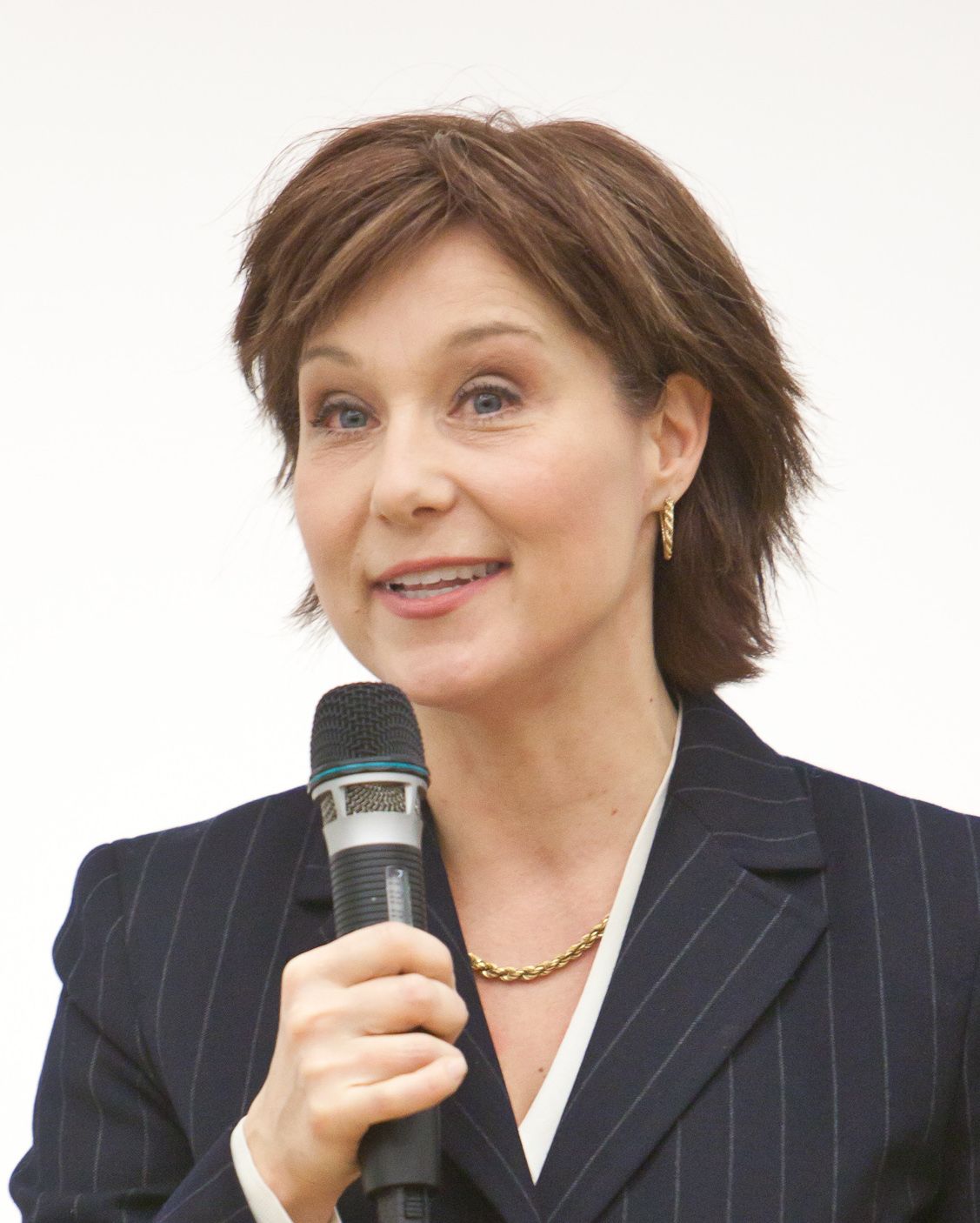
Betty Fox's dedication made her a respected public figure in her own right, with political leaders like BC Premier Christy Clark calling her a "great Canadian" and BC NDP Leader Adrian Dix praising her quiet determination and dignity. Her most prominent honour came during the Vancouver 2010 Winter Olympics, when she was selected as one of the Canadian flag-bearers for the opening ceremonies. One month later, on March 12, 2010, she and her husband Rolly carried the Paralympic Torch into the opening ceremonies of the 2010 Paralympic Games, a segment of which was dedicated to their son. She also worked with Vancouver artist Douglas Coupland on plans to redesign the memorial to Terry Fox outside BC Place in Vancouver. The original tile archway from the early 1980s was to be replaced with a new memorial featuring four bronze statues depicting Terry's signature hop-and-run style in stop-action steps. Her advocacy kept Terry's legacy in the public eye for decades, ensuring the annual Terry Fox Run remained a major national event. The runs continue to be scheduled, with the 2026 Terry Fox Run set for September 20, a day often celebrated as Terry Fox Day by supporters across the country.
Rediscovering Métis heritage and cultural tribute
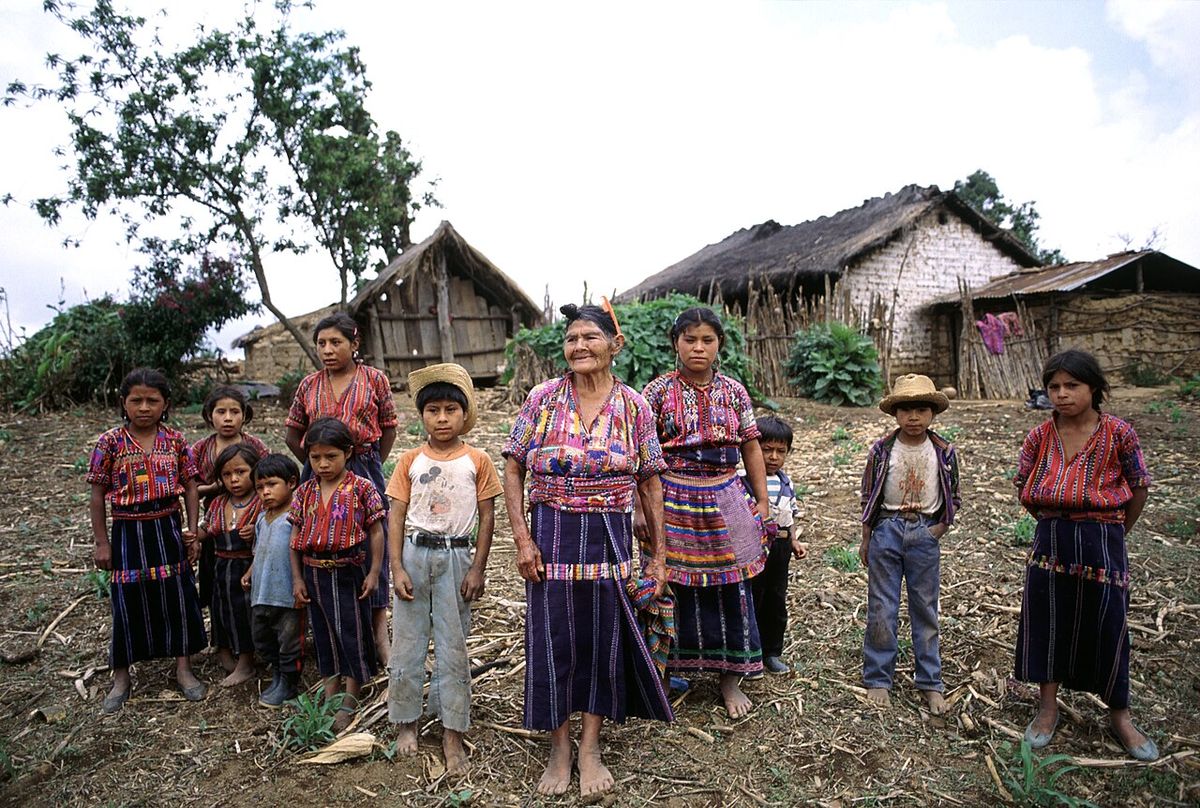
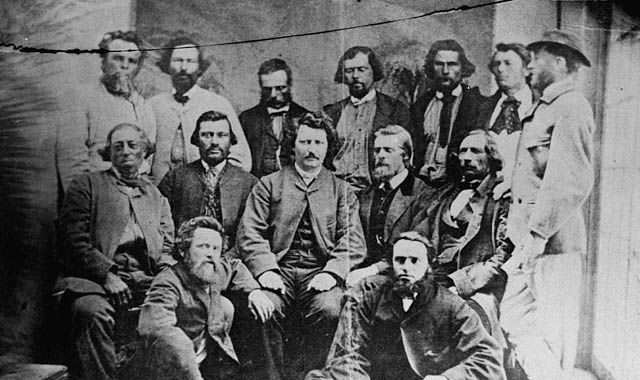
A significant and deeply personal chapter of Betty Fox's story involved the rediscovery of her family's Indigenous roots. Her mother, Mary Ann Gladue, was Métis but had never spoken openly about her heritage with the family, a silence her grandson Darrell Fox later attributed to the stigma and historical inequities faced by Indigenous peoples. The family only learned of their Métis ancestry in 2001, the year Gladue died at age 91. Genealogical research revealed that Gladue's family were bison hunters from Manitoba who lived in the Red River communities of St. Norbert and St. Francis Xavier, fleeing to the United States during the Red River Rebellion of 1869. Betty Fox had always carried a feather, a practice her children later understood as a quiet, personal connection to this heritage. This rediscovery has been described by the family as an amazing journey, adding a new layer of understanding to Terry Fox's character, with his courage, commitment, and humility reflecting core Métis values of resilience and community. Daniel Fontaine, CEO of Métis Nation British Columbia, noted that Terry's story is not uncommon, as many grow up in Métis families without being aware of their heritage, and he hoped the Fox family's journey would inspire others to seek Métis citizenship if they have the family history.
In honour of this heritage, Métis Nation British Columbia collaborated with the Fox family to create a traditional Métis sash as both a cultural tribute and a fundraiser. The sash, featuring Terry's favourite colours of red and blue which also hold significance for the Métis Nation, serves as both a cultural tribute and a fundraiser for the foundation. Handwoven sashes are a key cultural identifier for the Métis people, historically serving practical purposes for fur traders as belts, ropes, or for warmth. The Terry Fox sash is available for purchase through both the Métis Nation British Columbia and Terry Fox Foundation websites, with the foundation's version featuring a badge with an image of Terry at the bottom. Fontaine stated the sash is a wonderful tribute to everything Terry did, highlighting that he was and remains a hero to the over 93,000 people in British Columbia who self-identify as Métis.
Illness, death and national memorial
In her final years, Betty Fox faced serious health challenges. In early June 2011, media reports suggested she was suffering from cancer, but a statement from the Terry Fox Foundation clarified she was seriously ill with complications from diabetes and arthritis, not cancer. She spent her final weeks in a hospice in Chilliwack, British Columbia, and died on June 17, 2011, surrounded by family. Her death made headlines across North America and prompted an outpouring of tributes from figures like Rick Hansen, who called her a remarkable woman whose tireless dedication inspired millions to believe in a world without cancer, and Heritage Minister James Moore, who described her as a pillar of support. Her memorial service was held in Port Coquitlam at the same church where Terry's service had been held nearly 30 years earlier, almost to the day. The service was attended by dignitaries including former Vancouver Olympic Committee CEO John Furlong and Premier Christy Clark, and so many people turned out that the city opened the civic recreation centre to the public to broadcast the service live. She was survived by her husband Rolly, who died of lung cancer on March 8, 2016, her three remaining children Fred, Darrell, and Judith, and nine grandchildren.
Key events in the Terry Fox legacy
Betty Fox's life was inextricably linked to the cause her son Terry championed through his Marathon of Hope, which began on April 12, 1980. After Terry's death in 1981, she took on the development of the Terry Fox Run with the Canadian Cancer Society. In 1988, she founded the independent Terry Fox Foundation, which became a leading charitable organization for cancer research. Her public advocacy included speaking to over 400,000 school children during 25 years of touring the country. She was also honoured as an Olympic flag-bearer at the Vancouver 2010 Winter Olympics and carried the Paralympic Torch that same year.
| Year | Event |
|---|---|
| 1980 | Terry Fox begins the Marathon of Hope on April 12 and ends it on September 1 near Thunder Bay. |
| 1981 | Terry Fox dies on June 28. The first Terry Fox Run is held on September 13. |
| 1988 | Betty Fox founds the independent Terry Fox Foundation. |
| 2001 | Mary Ann Gladue dies. The Fox family discovers their Métis heritage. |
| 2007 | Betty Fox participates in the Fox Family Head Shave for Terry Fox at Work Day. |
| 2010 | Betty serves as an Olympic flag-bearer in February and carries the Paralympic Torch in March. |
| 2011 | Betty Fox dies on June 17. |
| 2016 | Betty's husband, Rolland Fox, dies on March 8. |
| 2017 | Darrell Fox shares Métis ancestry at the North American Indigenous Games closing ceremonies. |
| 2026 | The Terry Fox Run is scheduled for September 20. |
Values and enduring influence
The story of Betty Fox and her family resonates with themes of perseverance, cultural reclamation, and community leadership that extend beyond cancer research. The values that defined Terry Fox, courage, commitment, and humility, are seen by the family as deeply connected to their Métis heritage and the historical resilience of the Métis people. This connection has been further explored in contexts like Indigenous governance programs, which examine traditional models and contemporary self-governance, reflecting a broader movement of Indigenous nations exercising local sovereignty. The Fox family's journey of rediscovery mirrors a national process of reconciliation and understanding, and the Terry Fox Foundation's partnership with Métis Nation British Columbia on the cultural sash project is a practical example of how legacy, culture, and fundraising can intersect to support a vital cause. Betty Fox's three decades of advocacy demonstrated how a personal family story could be transformed into a sustained, collective national project for health and hope, ensuring that the determination of one young man and the stewardship of his mother continue to have a tangible global impact.
Questions about Betty Fox
What was Betty Fox's role after Terry Fox died?
After Terry Fox's death in 1981, Betty Fox became the primary architect and steward of his legacy. She worked with the Canadian Cancer Society to launch the first Terry Fox Run that same year. In 1988, she founded the independent Terry Fox Foundation, which she led for decades. She travelled extensively, speaking to over 400,000 school children and countless other groups to share Terry's story and raise funds for cancer research, ensuring his Marathon of Hope dream continued.
Was Betty Fox Indigenous?
Yes, Betty Fox was of Métis heritage through her mother, Mary Ann Gladue. This heritage was not discussed openly within the family during Betty's lifetime. The Fox family only discovered and began reconnecting with their Métis roots in 2001, after Gladue's death. Betty was known to carry a feather, which her son Darrell later understood as a quiet connection to this part of her identity.
What honours did Betty Fox receive?
Betty Fox received significant national honours for her advocacy. Most notably, she was selected as one of the flag-bearers for the Canadian team during the opening ceremonies of the 2010 Winter Olympics in Vancouver. One month later, she and her husband Rolly carried the Paralympic Torch into the opening ceremonies of the 2010 Paralympic Games. These recognitions highlighted her status as a key figure in one of Canada's most inspiring stories.
How did Betty Fox die?
Betty Fox died on June 17, 2011, due to complications from diabetes and arthritis. In her final weeks, she was cared for at a hospice in Chilliwack, British Columbia. Initial media reports had speculated she had cancer, but the Terry Fox Foundation clarified her illness was not cancer-related. Her memorial was held in Port Coquitlam and drew a large public and official turnout, similar to her son's service 30 years prior.
What is the Terry Fox Métis sash?
The Terry Fox Métis sash is a cultural and fundraising item created through a collaboration between Métis Nation British Columbia and the Fox family. It honours Terry Fox's rediscovered Métis heritage. The handwoven sash features red and blue, colours significant to both Terry and the Métis Nation. Proceeds from sales support the Terry Fox Foundation. Sashes purchased through the foundation include a badge with an image of Terry Fox.
When is the Terry Fox Run held?
The Terry Fox Run is an annual fundraising event held across Canada and internationally. The runs continue the work Terry and his mother championed. While the date can vary, it is typically held on a Sunday in September. For example, the Terry Fox Run for 2026 is scheduled to take place on September 20. The first run was held on September 13, 1981, just months after Terry's death.
Sources and further reading
- Betty Fox (Wikipedia)
- Terry Fox's family embraces rediscovered Métis heritage (vancouversun.com)
- Cancer research crusader Betty Fox dies (cbc.ca)
- Terry Fox: A Proud Métis Legacy (mfcbc.ca)
Checked by the Nosy Mag desk. Last updated 2026-10-22.