Somalia affair
The Somalia affair was a 1993 Canadian military scandal, prompted by the beating to death of a Somali teenager, Shidane Arone, by Canadian peacekeepers from the Canadian Airborne Regiment during a United Nations humanitarian mission. The act was documented by photos and revealed deep internal problems within the regiment. The subsequent public inquiry, though cut short, exposed systemic failures in leadership, discipline, and military culture. The affair resulted in the disbanding of the Canadian Airborne Regiment in 1995, a significant reduction in defence spending, and a lasting shadow over Canada's peacekeeping legacy.
Background to the Mission
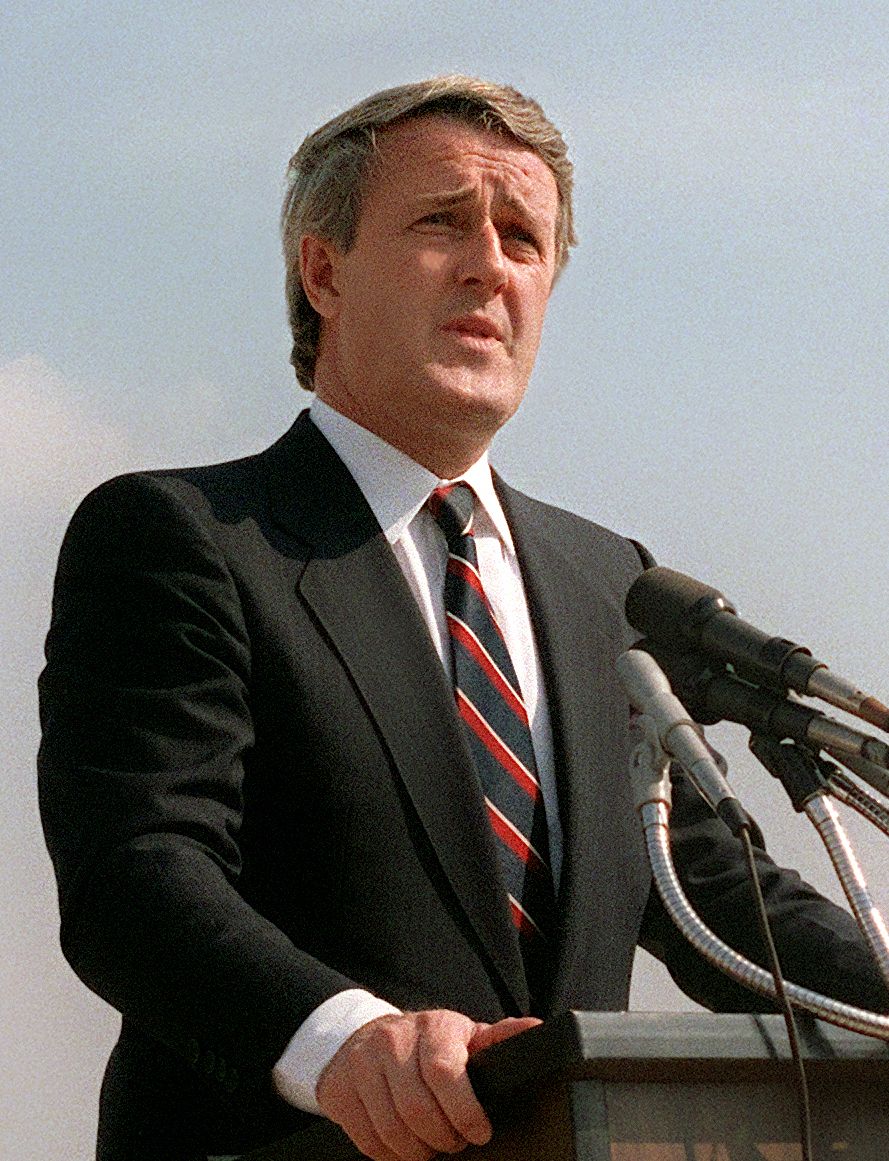
In 1992, Somalia was engulfed in civil war and famine following the collapse of Siad Barre's government. The country was dominated by rival warlords whose militias frequently hijacked humanitarian aid. In response, the United Nations authorized a multinational peacekeeping force, initially the United States-led Unified Task Force (UNITAF), to secure the delivery of relief. Prime Minister Brian Mulroney committed Canadian forces to the mission, seeing it as aligned with Canada's foreign policy and peacekeeping tradition. Canada's contribution, dubbed Operation Deliverance, began in December 1992, with the Canadian Airborne Regiment (CAR) selected as the primary contingent. This decision was made despite internal debates about the regiment's readiness, as cancelling the mission or substituting the elite unit was feared to be a national disgrace. The heightened media coverage of the Somali famine also pressured the Canadian government to act. The mission was part of the American-led Operation Restore Hope. On May 4, 1993, the operation came under UN command and was renamed UNOSOM II.
The Troubled Canadian Airborne Regiment
The Canadian Airborne Regiment, recently reorganized as a light infantry battalion, was an elite unit composed of sub-units drawn from Canada's regular infantry regiments. Even before deployment, the regiment exhibited significant disciplinary and cultural problems. Its base at CFB Petawawa was under investigation as a hotbed of white supremacist activity within 2 Commando. Soldiers had adopted the Confederate flag as unofficial barracks decor, a practice successive commanding officers had tried to ban. Pre-deployment footage and photographs showed soldiers like Corporal McKay wearing a shirt with a swastika and uttering racial slurs, while Private Brocklebank was recorded making racist and violent remarks. Lieutenant Colonel Paul Morneault, the CAR's commanding officer, had declared the unit unfit for service overseas and sought to keep it in Canada, but he was relieved of command and replaced by Lieutenant Colonel Carol Mathieu. Later, Lieutenant Colonel Kenward suggested that line regiments had offloaded some of their disciplinary problems into the CAR.
Deployment and Early Violent Incidents
The Canadian Airborne Regiment deployed to Somalia in December 1992 as part of the Unified Task Force. Initially slated for the port of Bosaso, the Canadians were redirected to the more volatile town of Belet Huen. Their tasks included rebuilding critical infrastructure like a destroyed bridge on the Chinese Highway linking Belet Huen and Matabaan, a task undertaken by the Royal Canadian Dragoons under Sergeant Donald Hobbs. The Canadian compound faced frequent intrusions by Somalis seeking food or supplies. In response, Lieutenant Colonel Carol Mathieu gave verbal orders in January 1993 allowing Canadian soldiers to shoot at thieves under certain conditions. A series of violent encounters followed in early 1993.
- January 2, 1993: Canadian troops fired a warning shot at a Somali who returned with a machete to reclaim a confiscated AK-47. The ricochet struck him in the foot.
- January 29, 1993: Soldiers exchanged fire with suspected bandits after firing warning shots into the air to halt them.
- February 10, 1993: Troops fired on a crowd approaching a Red Cross distribution centre.
- February 17, 1993: During a rock-throwing demonstration by 50 to 300 Somalis on a Bailey bridge, Canadian soldiers fired two shotgun blasts, killing one Somali and injuring two others. A later investigation cleared the shooters.
During the entire Somalia mission, no Canadian troops were killed or wounded by enemy forces. The sole Canadian fatalities resulted from two separate incidents. On January 11, a soldier shot himself in the arm while cleaning his sidearm. On May 3, 1993, Master Corporal Tony Smith negligently discharged his rifle, which fatally wounded Corporal Mike Abel.
The Ambush and Killing of Ahmed Arush
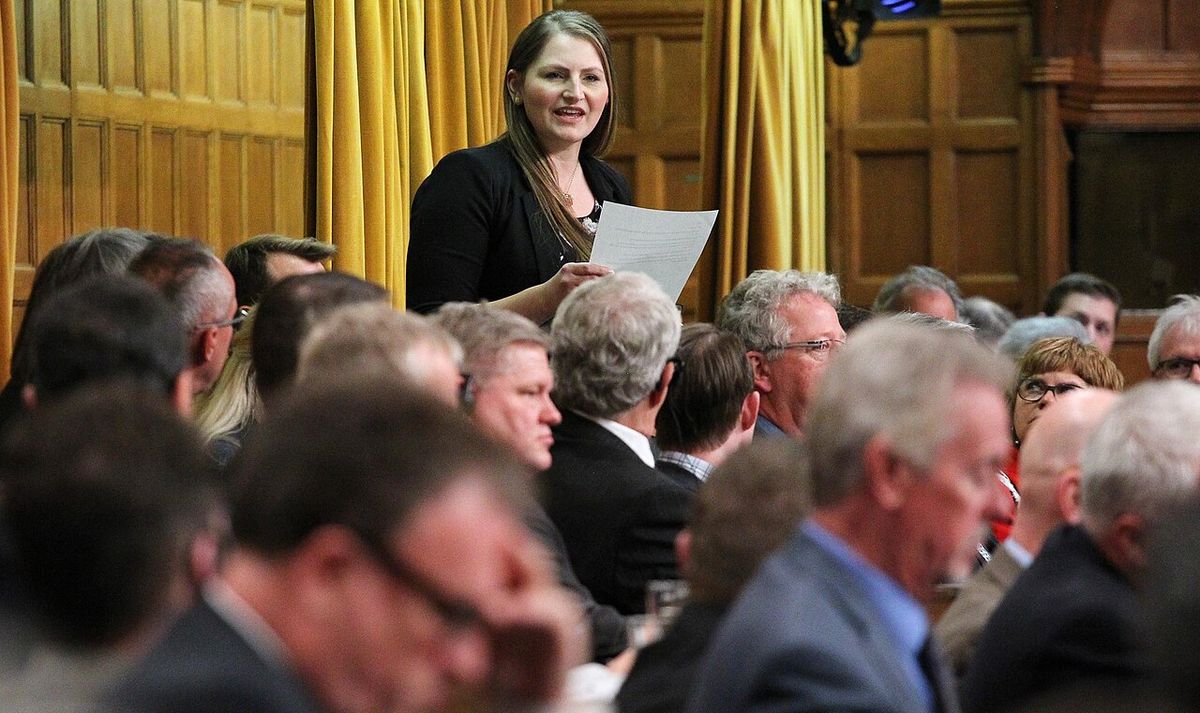
On March 4, 1993, a deliberate ambush led to the death of Ahmed Arush. Captain Michel Rainville had reclassified petty theft as 'sabotage', a designation that permitted the use of deadly force to defend the base. After a fuel pump used to service American MedEvac helicopters was stolen, Rainville set a trap using food and water as bait. Corporal Ben Klick of the PPCLI was positioned in a truckbed with a C3A1 rifle while other soldiers lay in wait. When Arush and Abdi Hunde Bei Sabrie took the bait and fled, Rainville yelled 'stop' and ordered soldiers to 'get them'. Sergeant Plante fired his shotgun and Corporal King fired his C7 rifle, wounding Sabrie and hitting the fleeing Arush. As Arush struggled to stand, Corporal Leclerc and Master Corporal Countway fired again, killing him. Major Barry Armstrong, an Air Force flight surgeon, examined the body and judged the death 'suspicious', suggesting Arush had been lying prone and may have survived for two or three minutes before the final gunshots to his head. Polaroid photographs of the corpse, showing gaping wounds and a missing eye, were taken by Master Corporal Petersen. The body was then used for medical practice to demonstrate tracheotomies before being released to his family. The incident only became public after Member of Parliament John Brewin read an anonymous soldier's letter. Colonel Allan Wells's repeated requests to send military police to investigate were rebuffed by Vice-Admiral Larry Murray.
The Torture and Death of Shidane Arone
The most infamous atrocity occurred on the night of March 16, 1993. Sixteen-year-old Shidane Abukar Arone was found hiding in a portable toilet in an abandoned American base across from the Canadian compound in Belet Huen by Captain Michael Sox. Believed to be a looter, he was taken prisoner and confined to a bunker. Master Corporal Clayton Matchee and Private Kyle Brown, both of 2 Commando, subjected Arone to hours of torture while an estimated 15 to 80 other soldiers could hear or observe the beating without intervening. The abuse began when Warrant Officer Murphy kicked Arone savagely. Matchee then waterboarded Arone with his own clothing. Brown later punched Arone in the jaw. Matchee and Brown then proceeded to beat Arone with a ration pack and a broomstick, burn his feet with a cigarillo, and rape him with the broomstick. Brown took sixteen trophy photographs of the ordeal. Master Corporal Giasson entered the bunker and was shown the semi-conscious Arone, with Matchee stating that 'in Canada we cannot do that, and here they let us do it'. Arone's last words were shouts of 'Canada! Canada! Canada!' He was discovered dead the next morning, with burn marks on his penis. The local Pembroke Observer newspaper, with reporter Jim Day on the base, first broke the news.
Immediate Fallout and Political Context
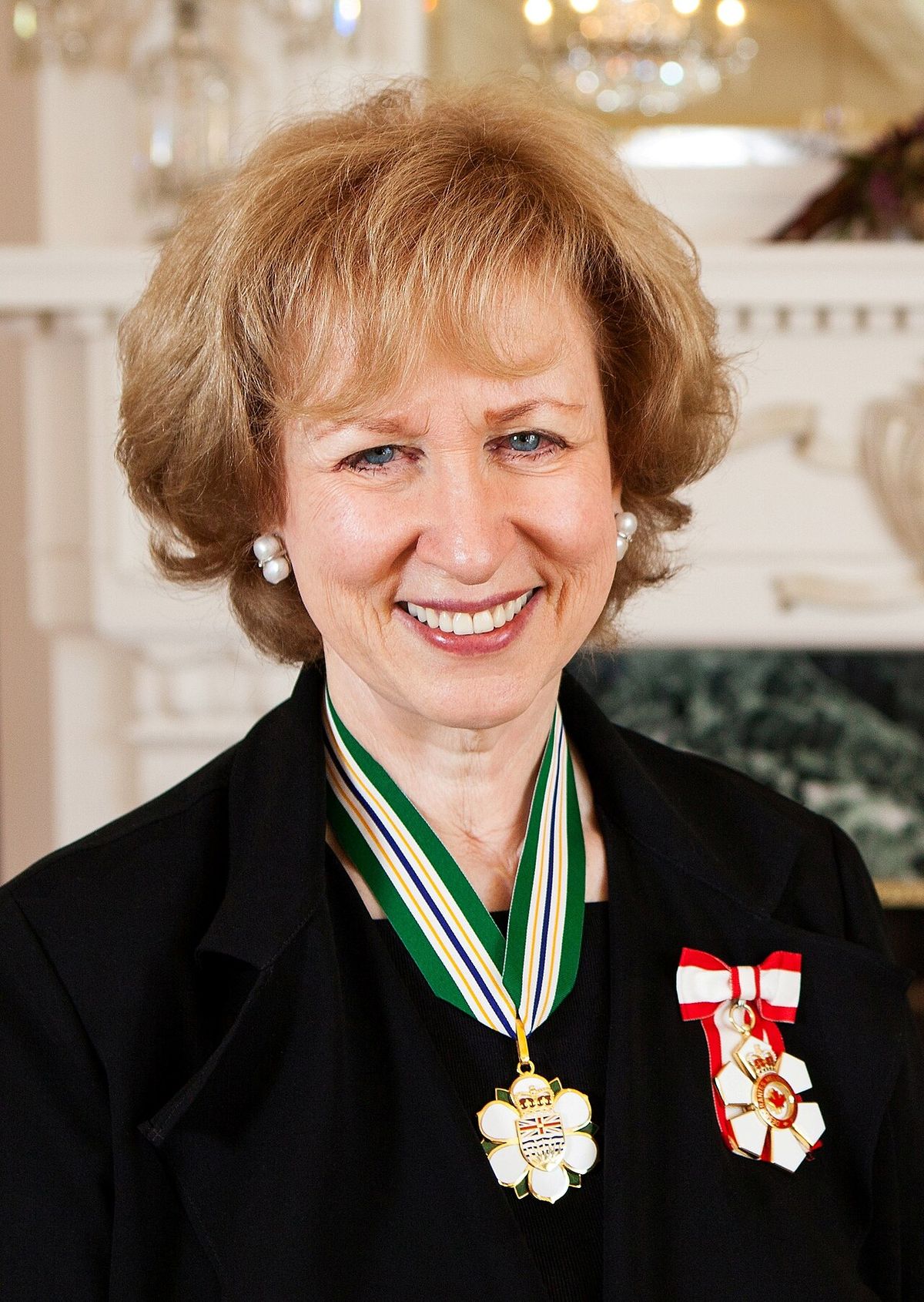
The revelations emerged during a politically sensitive period, as Minister of National Defence Kim Campbell was in the midst of a campaign for the leadership of the Progressive Conservative Party. Campbell initially drew criticism for dismissing allegations of military racism as 'youthful folly' and suggesting it was commonplace. Criticism also focused on the five-week delay in ordering a high-level investigation. Some, including MP John Cummins, pointed to the possible influence of the anti-malarial drug mefloquine (Lariam), which was being tested in a controlled study group on some soldiers and was known to cause paranoia, lack of judgment, and neurosis. Dr. Michele Brill-Edwards had resigned from Health Canada over her belief that the drug could produce dangerous psychiatric reactions. The graphic photographs and details of the killings shocked the Canadian public and triggered a national debate over whether the events were the work of a few 'bad apples' or indicative of deeper systemic failures.
The Somalia Inquiry and Its Findings
Mounting public pressure forced the government to establish a public inquiry in 1995 after the 1993 federal election. The Somalia Inquiry, led by Federal Court Judge Gilles Létourneau and officially known as the Somalia Commission of Inquiry, exposed deep leadership failures, a culture of cover-up, and institutional racism within the military hierarchy. Its hearings were broadcast daily. The inquiry revealed that altered documents had been provided to CBC reporter Michael McAuliffe and that the Department of National Defence had engaged in an undercover attempt in 1994 to discredit Major Barry Armstrong's findings by leaking a contradictory pathology report. The inquiry ran until 1997 when it was cut short by the government in the months before the 1997 election. The government claimed the inquiry was exceeding its mandate. The final report was a striking attack on the procedures, support and leadership of the Canadian Forces and the Ministry of Defence, excoriating many top officers including three separate Chiefs of the Defence Staff. The report noted the CAR had been rushed into a war zone with inadequate preparation and its deployment into 'war' had never been debated in Parliament.
Immediate Consequences and Military Reforms
The findings of the Somalia Inquiry led to immediate and lasting consequences for the Canadian military. The most symbolic action was the disbanding of the Canadian Airborne Regiment in 1995 on the advice of Minister of National Defence David Collenette. Canadian military spending was immediately reduced by nearly 25 percent. Chief of the Defence Staff General John de Chastelain resigned. His successor, General Jean Boyle, was forced to resign a few months later. In the judicial field, Kyle Brown was convicted of manslaughter and torture, serving one-third of a five-year sentence. Clayton Matchee, who suffered brain damage from a suicide attempt in 1993, was found unfit to stand trial. Charges against him were stayed in 2008. The scandal catalysed a major professionalization effort within the officer corps, including a new requirement for officers to hold university degrees and expanded ethics and leadership training. The military adopted mandatory SHARP (Standard for Harassment and Racism Prevention) training with a declaration of zero tolerance on racism and harassment.
Broader Context of the Canadian Mission in Somalia
Despite the scandal, Canadian Armed Forces members in Somalia undertook dangerous and constructive work during the mission, which involved both the UNITAF operation and the subsequent UNOSOM II. Canadian Sea King helicopter crews performed reconnaissance, medical evacuations dubbed 'body snatchers' by Americans, and transport from the HMCS Preserver. Soldiers escorted famine relief convoys, participated in mine clearance, and collected thousands of weapons. Acts of valour were recognized, such as Warrant Officer Roch Lanteigne risking his life under fire on June 18, 1993, to resupply his platoon defending harbour facilities in Mogadishu. Naval Lieutenant Heather MacKinnon operated medical clinics and worked in orphanages. The mission took place in a vast, arid country where society was tribal-based and dominated by clan politics. The international forces could not end the strife, and the final UN mission withdrew in 1995.
Lasting Impact and Contemporary Reckoning
The Somalia affair remains a defining and cautionary chapter in Canadian military history, often described as its darkest era. It irrevocably tarnished Canada's international peacekeeping reputation and forced a painful, introspective overhaul of military culture, education, and accountability mechanisms. The scandal has become the subject of intense criticism and comparative theoretical work on humanitarian intervention and peacekeeping. The failures in Somalia led to a concept of 'Somalia syndrome', a sentiment that multilateral interventions to thwart starvation and genocide were no longer politically or operationally feasible. This caution is argued to have contributed to an unwillingness from the international community to respond to the Rwandan genocide. The United States under the Clinton administration rethought its foreign policies after the debacle. The tragedy continues to be a reference point in discussions of military ethics, command responsibility, and Canada's role in complex international interventions.
Legal Proceedings and Civil Suit
A death in custody automatically triggered an investigation, and two days after the killing of Shidane Arone, Matchee and Brown were arrested and charged. Other individuals were charged in the inquiry. In 1999, judge J. Douglas Cunningham dismissed an appeal for financial compensation by Arone's parents, Abubakar Arone Rage and Dahabo Omar Samow, ruling that their use of a litigation guardian was inconsistent with the legal requirement. Brown later co-operated on a book in which it was suggested he had been made a scapegoat. Soldiers of other countries also faced charges of misconduct in Somalia. American soldiers were involved in the deaths of three young boys in separate incidents. Pakistani troops were accused of a number of civilian deaths. Belgian soldiers took photographs of themselves allegedly torturing a Somali to death.
Questions about Somalia affair
What happened to Shidane Arone?
On March 16, 1993, 16-year-old Shidane Arone was captured in Belet Huen. He was confined to a bunker and tortured for hours by Master Corporal Clayton Matchee and Private Kyle Brown. The torture included beatings, burns, waterboarding, and sexual assault with a broomstick. Brown took sixteen trophy photographs. Arone's last words were shouts of 'Canada!' before he died from his injuries.
What were the consequences for the soldiers involved?
Private Kyle Brown was convicted of manslaughter and torture. Master Corporal Clayton Matchee attempted suicide after his arrest, resulting in brain damage, and was found unfit to stand trial. Charges against him were stayed in 2008. Other soldiers faced charges for the March 4 killing. Many senior officers were excoriated by the inquiry but were not criminally prosecuted. General Jean Boyle was forced to resign.
How did the Somalia affair change the Canadian military?
The Canadian Airborne Regiment was disbanded in 1995. Military spending was cut by nearly 25 percent. The officer corps was professionalized with new university degree requirements and expanded ethics training. Mandatory SHARP training for harassment and racism prevention was implemented. Reforms were made to the military justice system to enhance the independence of military police.
What was the outcome of the Somalia Inquiry?
The Somalia Inquiry exposed deep leadership failures and a culture of cover-up. It was cut short by the government in 1997. Its final report excoriated many top officers and found the Airborne Regiment was rushed into a war zone unprepared. The inquiry's findings led directly to the disbanding of the regiment and major reforms. The inquiry also examined the government's attempt to discredit findings and the altering of documents released to a CBC reporter.
Why was the Canadian Airborne Regiment sent to Somalia?
The Canadian Airborne Regiment was sent as Canada's contingent for the UN humanitarian mission, Operation Deliverance, part of the American-led Operation Restore Hope. Prime Minister Brian Mulroney committed Canada to the mission. The Airborne was chosen despite its commanding officer declaring it unfit for service, as admitting the elite forces were incapable was feared to be a national disgrace. The unit deployed in December 1992.
What is 'Somalia syndrome'?
'Somalia syndrome' is a concept that emerged after the failures of the international intervention in Somalia. It describes a sentiment of caution in the international community, suggesting that multilateral interventions to thwart starvation, genocide, and massive human rights violations were no longer seen as politically or operationally feasible. This concept is argued to have contributed directly to the international community's unwillingness to respond effectively to the Rwandan genocide in 1994. The sentiment also led to a general rethinking of foreign policy, particularly by the United States under the Clinton administration, regarding humanitarian interventions.
Sources and further reading
- Somalia affair (Wikipedia)
- Somalia Affair (thecanadianencyclopedia.ca)
- Experts wonder if military remembers lessons from Somalia ... (timescolonist.com)
- Somalia, Peacekeeping (veterans.gc.ca)
Checked by the Nosy Mag desk. Last updated 2026-10-22.