History of Toronto
The history of Toronto, Canada's largest city and economic capital, spans over 12,000 years of human habitation and transformation. Founded as the British colonial Town of York in 1793, the settlement was built on lands purchased from the Mississaugas, though this transaction was disputed for centuries. From its origins as a strategic fur trade portage route and a temporary provincial capital, Toronto evolved through conflict, including the War of 1812, and rapid 19th-century growth fueled by railways and immigration. The 20th century saw its emergence as a major financial centre, its surpassing of Montreal in population, and its consolidation into a single unified municipality in 1998, all while becoming one of the world's most multicultural cities.
Indigenous Foundations and Early European Contact
Human presence in the Toronto area dates to approximately 9000 BCE, following the retreat of glacial ice. The region's first known agricultural villages were established about 1,600 years ago by the ancestors of the Huron-Wendat. By 500 CE, communities of up to 500 people lived along each of the Don, Humber, and Rouge Rivers, utilizing trails and water routes for trade and travel. The most significant of these was the Toronto Carrying-Place Trail along the Humber River, a crucial north-south portage route linking Lake Ontario to the upper Great Lakes. This trail became a strategic site for controlling the fur trade. In the 1660s and 1670s, the Seneca, part of the Haudenosaunee Confederacy, established villages at Teiaiagon near the Humber and Ganatsekwyagon near the Rouge to control this passage. These settlements were visited by Roman Catholic missionaries before being abandoned by 1687, after which the Mississaugas moved into the area.
European activity in the Toronto area began in earnest in the 18th century, driven by the fur trade. The French established Fort Douville on the Humber River in 1720 to divert trade from British posts. In 1751, they built Fort Rouillé at present-day Exhibition Place. This fort was destroyed by its French occupants in 1759 as they withdrew following the British capture of Fort Niagara. The Treaty of Paris in 1763 formally ceded the region, including Toronto, to Britain. The area saw limited European settlement until after the American Revolutionary War, when United Empire Loyalists began arriving in the late 18th century. These early settlers, who valued pluralism and political moderation, are credited with laying a cultural foundation for Southern Ontario.
Founding of York and the War of 1812
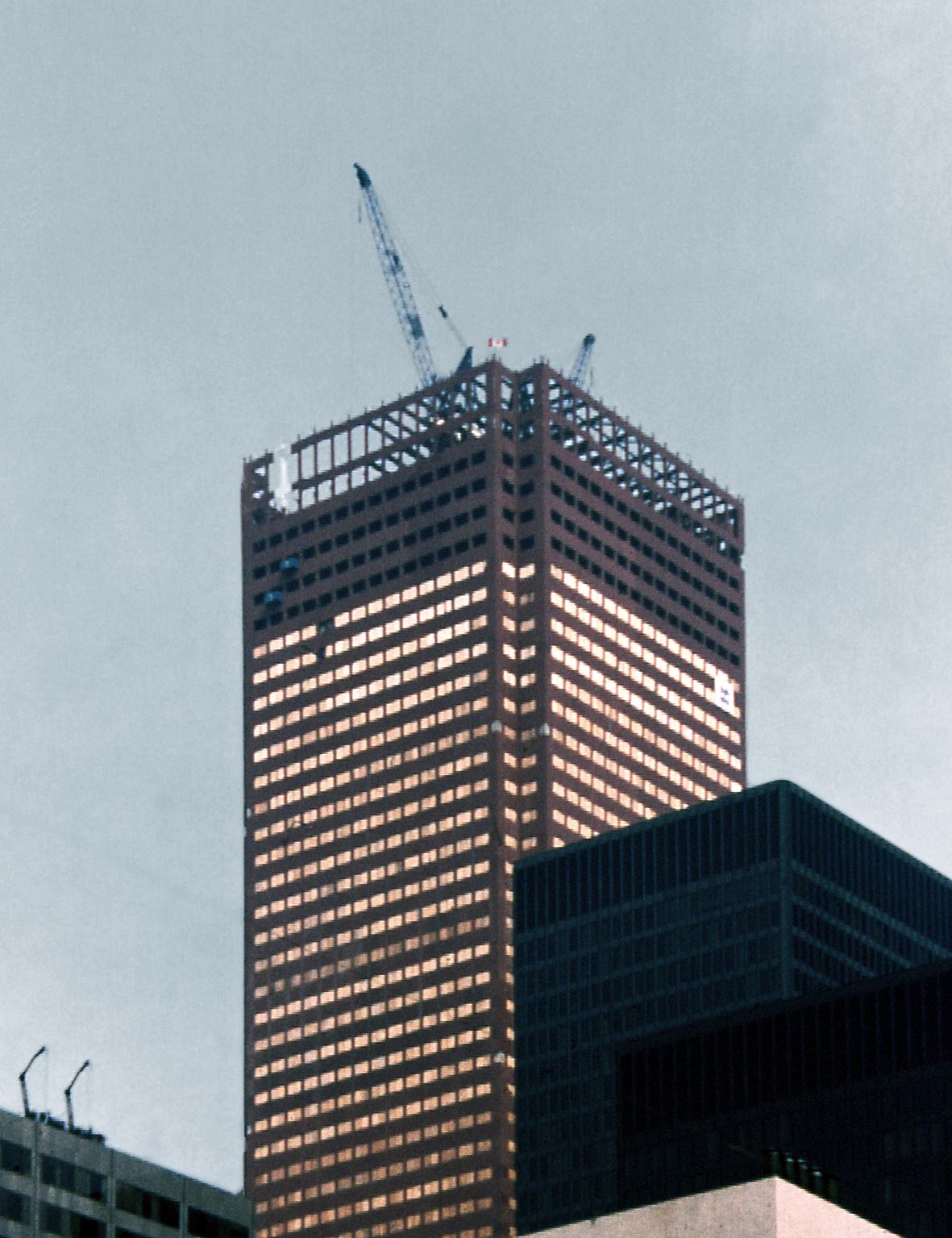
In 1787, under Governor Lord Dorchester, the British arranged to purchase over 1,000 square kilometres of land from the Mississaugas, though this initial Toronto Purchase was later declared invalid. A revised agreement in 1805 also fell into dispute, leading to a final settlement only in 2010 for CA$145 million. Lieutenant Governor John Graves Simcoe selected the site for a new capital of Upper Canada in 1793, rejecting the Indigenous name 'Toronto' and naming the settlement 'York' after Prince Frederick, Duke of York and Albany. Simcoe established the town within the large natural harbour formed by a sandy peninsula, now the Toronto Islands. He laid out a compact gridiron settlement of ten blocks, known today as the Old Town, and initiated the construction of two major roads: Yonge Street and Dundas Street. Government buildings were erected near Parliament and Front Street, and Simcoe passed legislation to begin the gradual abolition of slavery in the province.
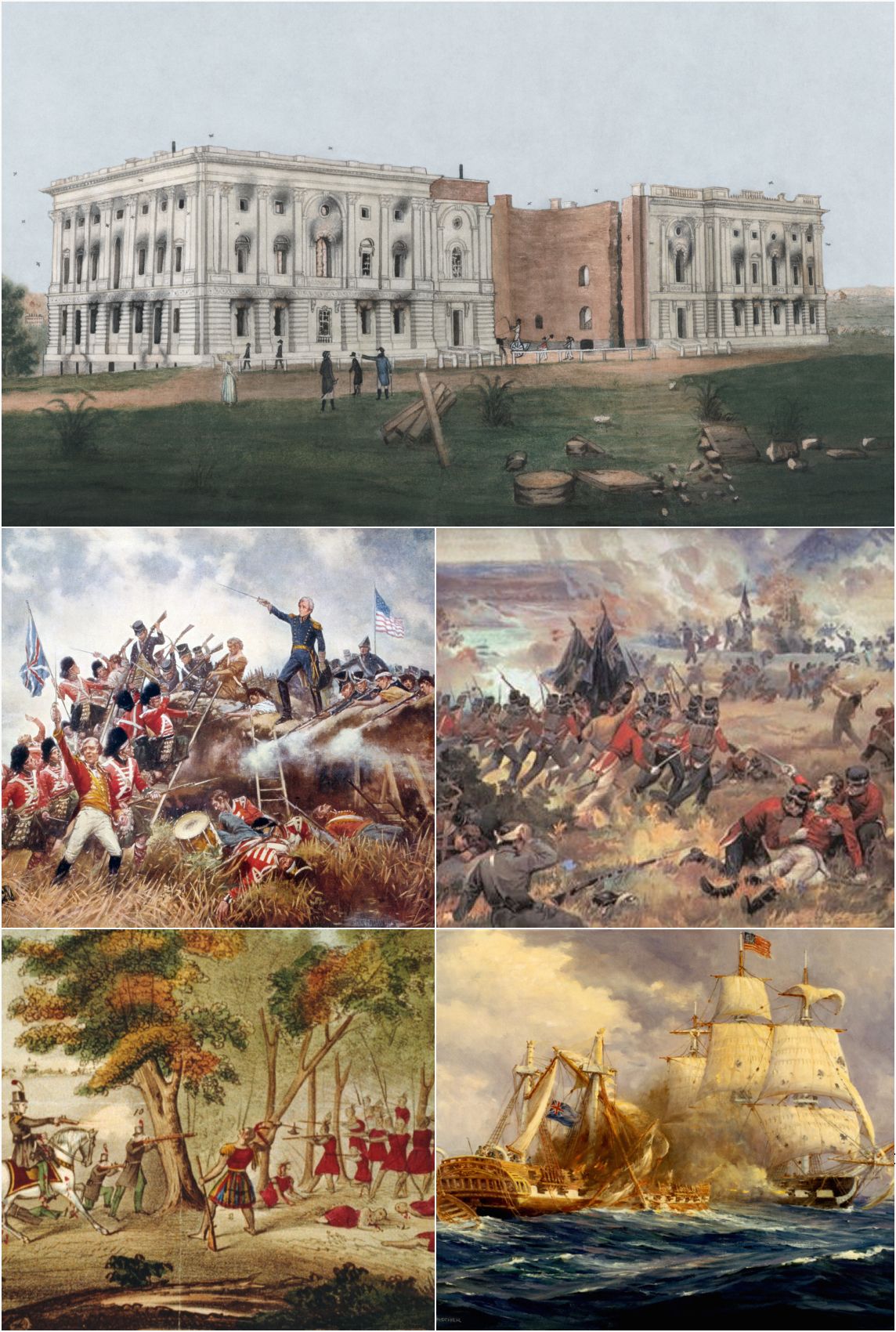
By the time Simcoe left in 1796, York's population was about 240. Under administrator Peter Russell, the town expanded, its first jail and St. Lawrence Market were built, and the population grew to around 500 by 1808. The town's strategic importance made it a target during the War of 1812. On April 27, 1813, American forces led by Zebulon Pike attacked York. British and Native forces failed to prevent the landings in present-day Parkdale, leading to a British withdrawal. As they departed, British forces rigged Fort York's main powder magazine to explode, causing significant American casualties, including Pike himself. The Americans occupied the town for several days, looting and burning public buildings, including the Parliament buildings, before withdrawing. Two further American incursions occurred in July 1813 and August 1814.
Growth, Rebellion and 19th-Century Transformation
In the decades following the War of 1812, York was incorporated as the City of Toronto in 1834, formally reclaiming its Indigenous name. The city's political scene was marked by growing tensions between the conservative elite, known as the Family Compact, and democratic Reformers. These tensions culminated in the failed Rebellions of 1837 to 1838, led by William Lyon Mackenzie in Upper Canada. In the rebellion's aftermath, the conservative Protestant Orange Order became a dominant force in local politics for over a century, promoting a strong British identity. Despite this, Toronto's population was not exclusively British. Toronto served as a major terminus of the Underground Railroad, with thousands of Black Americans escaping slavery settling in the city before the American Civil War, establishing a foundational Black community.
The second half of the 19th century saw Toronto mature into an important regional centre. This growth was fueled by a expanding railway network that connected it to the rest of Ontario and its port, which linked it to American and British markets. Key infrastructure developments included the creation of the 'Eastern Gap' in the peninsula by a storm in 1858, forming the Toronto Islands as they exist today. By 1914, Toronto's financial sector, profiting from northern Ontario's mining boom, was competing nationally with Montreal. American corporations increasingly chose Toronto for branch offices, signalling its rising economic stature. This period solidified Toronto's role as a commercial and transportation hub within Canada.
- Incorporation as the City of Toronto: March 6, 1834.
- Rebellions of Upper Canada: 1837 to 1838.
- Formation of the Toronto Islands by storm: 1858.
- Financial competition with Montreal: evident by 1914.
- First gas street lamps installed: 1841.
- Typhus epidemic deaths among Irish immigrants: 863 in 1847.
The 20th Century: War, Metropolitan Growth and Economic Ascendancy
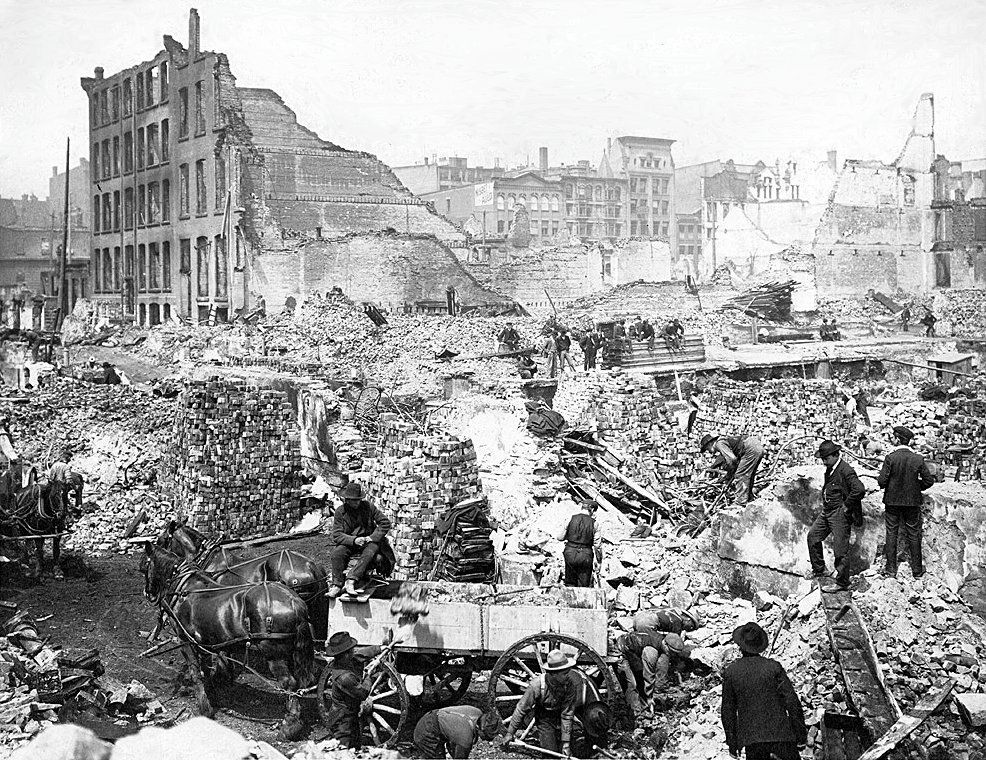
Both World War I and World War II had a tremendous impact on Toronto, with tens of thousands of residents volunteering for military service and the city participating fully in the industrial and social efforts of total war. The post-World War II era brought another major influx of immigrants, dramatically reshaping the city's demographic and cultural scene. To manage the rapid growth of the city and its suburbs, the Province of Ontario formed the regional government of Metropolitan Toronto in 1954. This entity encompassed Toronto and its surrounding municipalities, coordinating services and infrastructure across the region. Heavy government investment in roads, transit, and utilities facilitated a sustained boom in population and industry throughout the mid-20th century.
This period marked Toronto's economic and demographic ascendancy within Canada. During the second half of the 20th century, Toronto surpassed Montreal as the nation's largest city, becoming the undisputed economic capital of Canada. Its growth was accompanied by an increasing recognition of its multicultural character. In a move to streamline governance, the Province of Ontario amalgamated Metropolitan Toronto and its constituent suburbs into a single unified City of Toronto in 1998. This created the municipal boundaries known today, consolidating the city's administration as it entered the 21st century as a global city.
- Formation of Metropolitan Toronto: 1954.
- Surpassing Montreal as Canada's largest city: 1970s.
- Municipal amalgamation creating unified City of Toronto: January 1, 1998.
- Discovery of insulin at University of Toronto: 1921.
- Hurricane Hazel and flood deaths: 81 in 1954.
Cultural Heritage and Contemporary Commemoration
Toronto's long and layered history is actively commemorated and explored through numerous contemporary institutions and events. The city was the first Canadian municipality to proclaim Black History Month. The City of Toronto was also the first municipality in Canada to adopt an Action Plan to Confront Anti-Black Racism. Historical exploration continues through organizations like Heritage Toronto, which offers tours and programs, and the Museum of Toronto, which highlights overlooked stories. Annual events like the Toronto History Lecture and the Festival of Bizarre Toronto History engage the public with the city's past in dynamic ways.
Venues dedicated to history and culture also operate within the city's historical neighbourhoods. The City of Toronto Archives, located at 255 Spadina Road, hosts exhibits and events. The Toronto Railway Museum offers lectures on topics like model train design. Modern venues like HISTORY Toronto, a 2,500-person concert hall at 1663 Queen Street East, blend contemporary use with local heritage. These efforts ensure that Toronto's complex history, from its Indigenous roots to its modern multicultural identity, remains a living part of the city's fabric.
- Heritage Toronto: offers public tours and heritage programs.
- Museum of Toronto: highlights hidden and overlooked city stories.
- City of Toronto Archives: located at 255 Spadina Road.
- HISTORY Toronto venue: a 2,500-capacity hall at 1663 Queen Street East.
- First Caribana festival: 1967.
Etymology of 'Toronto'
The name 'Toronto' has a complex history rooted in Indigenous languages. It was originally used on maps from the late 17th and early 18th centuries to refer to Lake Simcoe and the portage route to it. The word is likely derived from the Mohawk word 'Tkaronto', meaning 'where there are trees standing in the water', originally describing The Narrows near present-day Orillia where fishing weirs were built. French maps from the 1680s to 1760s labelled Lake Simcoe as 'Lac de Taronto'. As the portage route grew in use, the name moved southward and was attached to a French trading fort on the Humber River. Some speculation also points to a possible Seneca origin, from the word 'Giyando' meaning 'on the other side'. From 1793 to 1834, the settlement was known as 'York', but the name was officially changed back to Toronto upon incorporation as a city, permanently restoring the original Indigenous designation to the growing metropolis.
Questions about History of Toronto
What does the name 'Toronto' mean and where does it come from?
The name 'Toronto' is likely derived from the Mohawk word 'Tkaronto', which means 'where there are trees standing in the water'. This originally referred to a location near present-day Orillia where fishing weirs were constructed. The name was used on early maps for Lake Simcoe and the portage route to it before being applied to the settlement at the mouth of the Humber River. The French spelled it 'Taronto' before it evolved into the current spelling during the 18th century.
When was Toronto founded and what was its original name?
Toronto was founded as the Town of York in 1793 by Lieutenant Governor John Graves Simcoe, who made it the temporary capital of Upper Canada. Simcoe named it after Prince Frederick, Duke of York and Albany, rejecting the Indigenous name. The settlement was informally called 'Little York' to differentiate it from York in England and New York City. It operated under the name York until 1834, when it was incorporated as a city and officially renamed Toronto.
What was the Toronto Purchase and how was it resolved?
The Toronto Purchase was an agreement where the British Crown purchased over 1,000 square kilometres of land from the Mississaugas in 1787. The Mississaugas later objected, and the initial purchase was declared invalid. A revised agreement was made in 1805, but it also remained disputed for generations. The land claim was not fully settled until 2010, when the Canadian government and the Mississaugas reached a final settlement valued at CA$145 million, resolving the centuries-old grievance.
How is Toronto's history celebrated today?
Toronto's history is celebrated through numerous institutions, events, and proclamations. Heritage Toronto offers tours and lectures, while the Museum of Toronto highlights hidden stories. The city also hosts events like the Festival of Bizarre Toronto History. Toronto's pioneering role in recognizing Black history continues with Black History Month. The city also commemorates its past through the Toronto Railway Museum and the City of Toronto Archives.
What role did Toronto play in the Underground Railroad?
Toronto was a terminus of the Underground Railroad. Thousands of Black Americans who escaped slavery settled in the city before the American Civil War. This migration contributed to the city's development beyond its intensely British character. The arrival of these freedom seekers added to a diverse population that also included many Irish Catholics who settled following the Great Irish Famine. This history is a foundational part of the city's social fabric.
When did Toronto become Canada's largest city?
Toronto surpassed Montreal as Canada's largest city in the 1970s. This shift was part of Toronto's post World War II transformation into the economic capital of Canada. A major influx of immigrants after the war, coupled with significant government investment in infrastructure, fueled a boom in population and industry. The formation of the Metropolitan Toronto regional government in 1954 facilitated this growth. By the 1998 amalgamation into a unified municipality, Toronto had also become one of the most multicultural cities in the world.
Sources and further reading
- History of Toronto (Wikipedia)
- Roots, Resilience and Renewal: Black History Month rises ... (toronto.ca)
- Events Calendar, The Ontario Historical Society (ontariohistoricalsociety.ca)
- Festival of Bizarre Toronto History | Schedule (bizarretoronto.com)
Checked by the Nosy Mag desk. Last updated 2026-10-24.