Police ranks of Canada
The police ranks of Canada vary across federal, provincial, and municipal jurisdictions. Each police service operates under its own legislative authority, leading to diverse rank titles and insignia. The rank hierarchy supports the chain of command and operational effectiveness within Canadian law enforcement. This decentralized system reflects the country's constitutional division of policing powers.
Federal Police Ranks: The Royal Canadian Mounted Police
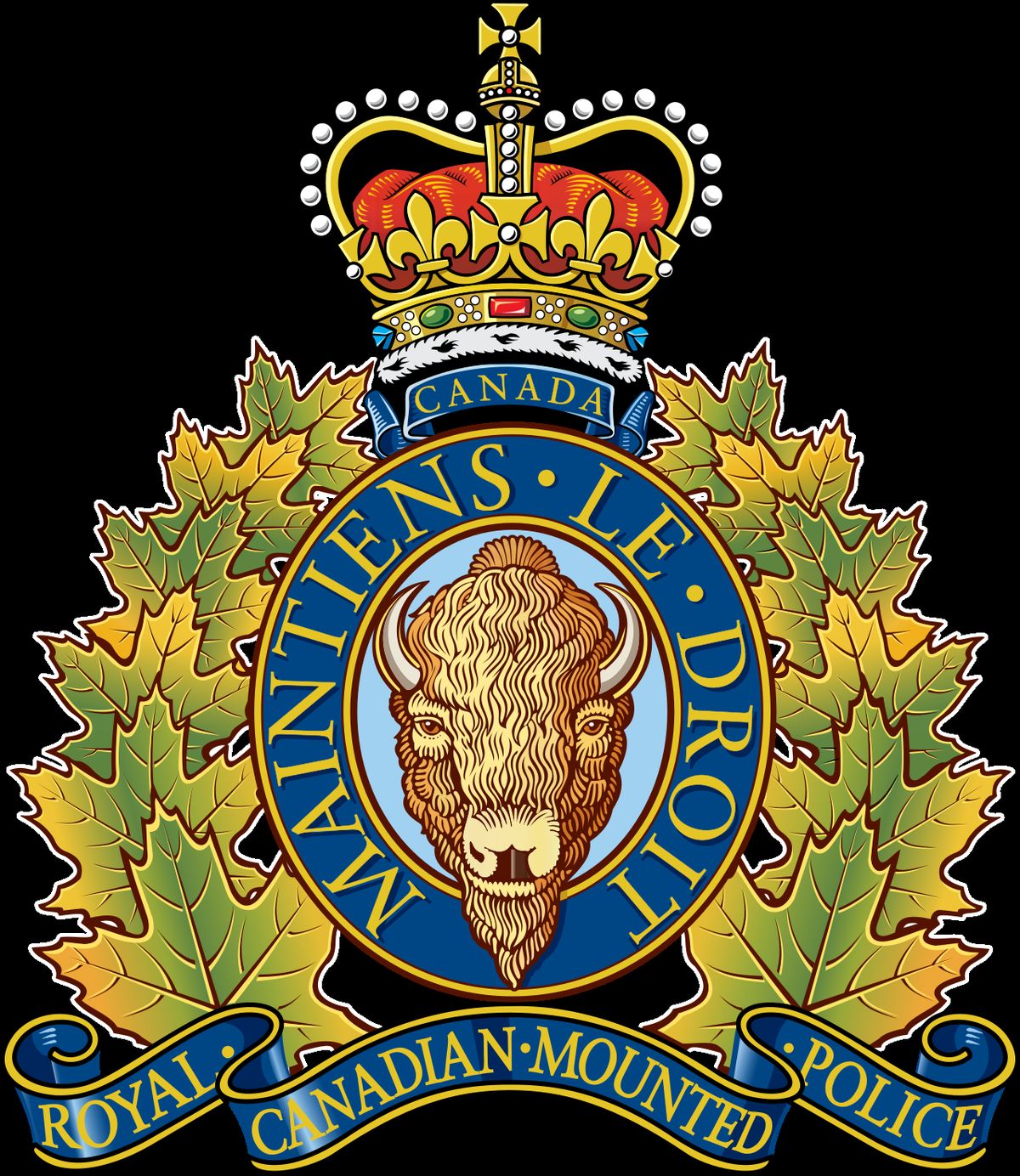
The Royal Canadian Mounted Police maintains a paramilitary rank structure. The RCMP Act and its regulations formally establish this hierarchy, which distinguishes between commissioned officers and non-commissioned officers. The RCMP's commissioned officer ranks provide leadership across the force's national and divisional responsibilities. The non-commissioned ranks include corporal, sergeant, and staff sergeant, who provide operational supervision.
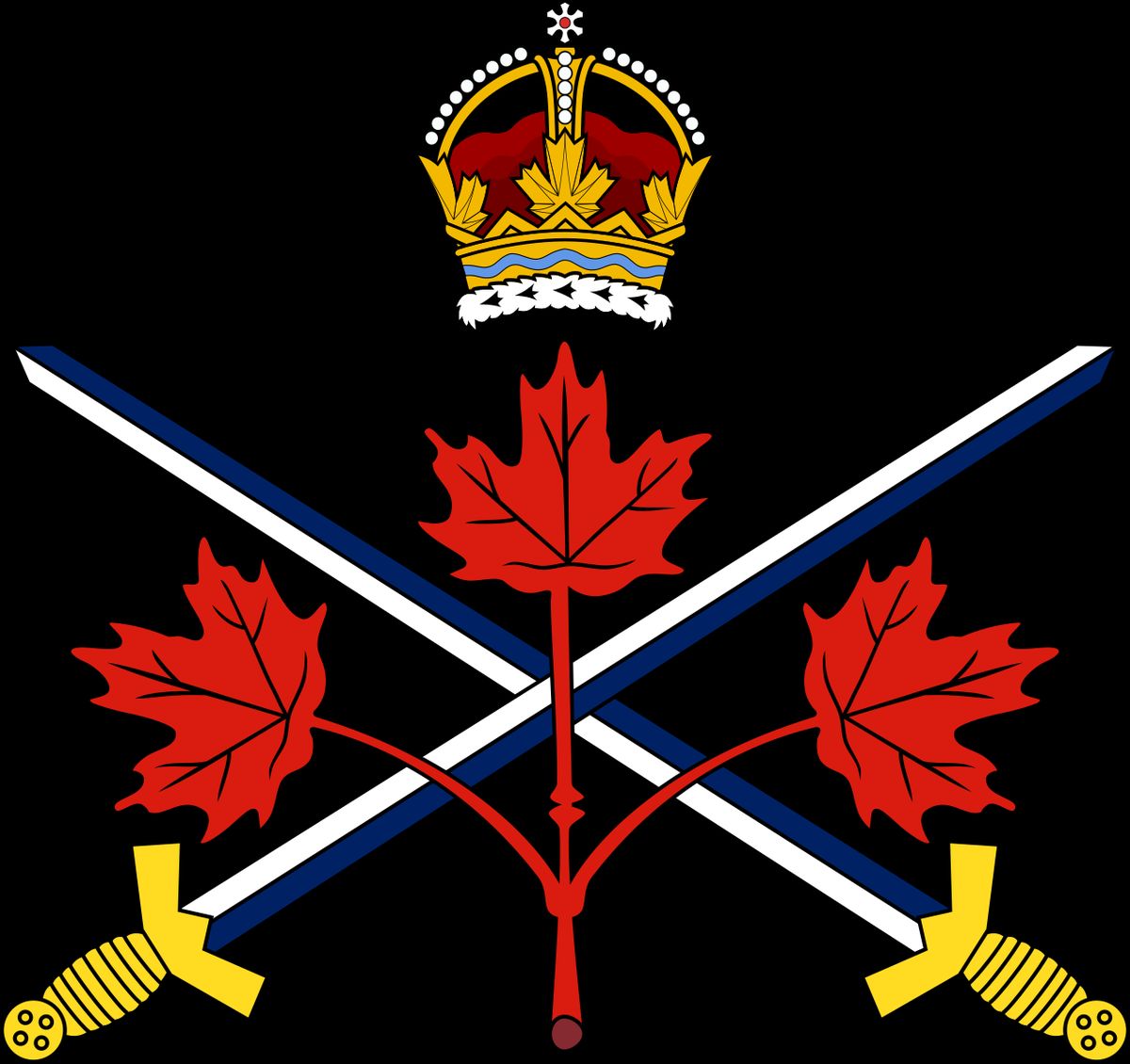
The RCMP's structure includes senior non-commissioned appointments made by warrant from the Commissioner. These include the Corps Sergeant Major, Sergeant Major, and Staff Sergeant Major, who serve as advisors on discipline and member welfare. The process for becoming a commissioned officer requires extensive operational experience and rigorous evaluation. The force's insignia, incorporating chevrons, crowns, and stars, is almost identical to that of the current Canadian Army.
This system preserves institutional customs while ensuring leaders have modern policing experience. The number of higher commissioned ranks, like chief superintendent and deputy commissioner, has increased since the force's formation on February 1, 1920. The lower commissioned rank of sub-inspector has been dropped. The non-commissioned officer ranks above staff sergeant resemble those that formerly existed in the Canadian Army but have since been replaced by warrant officers.
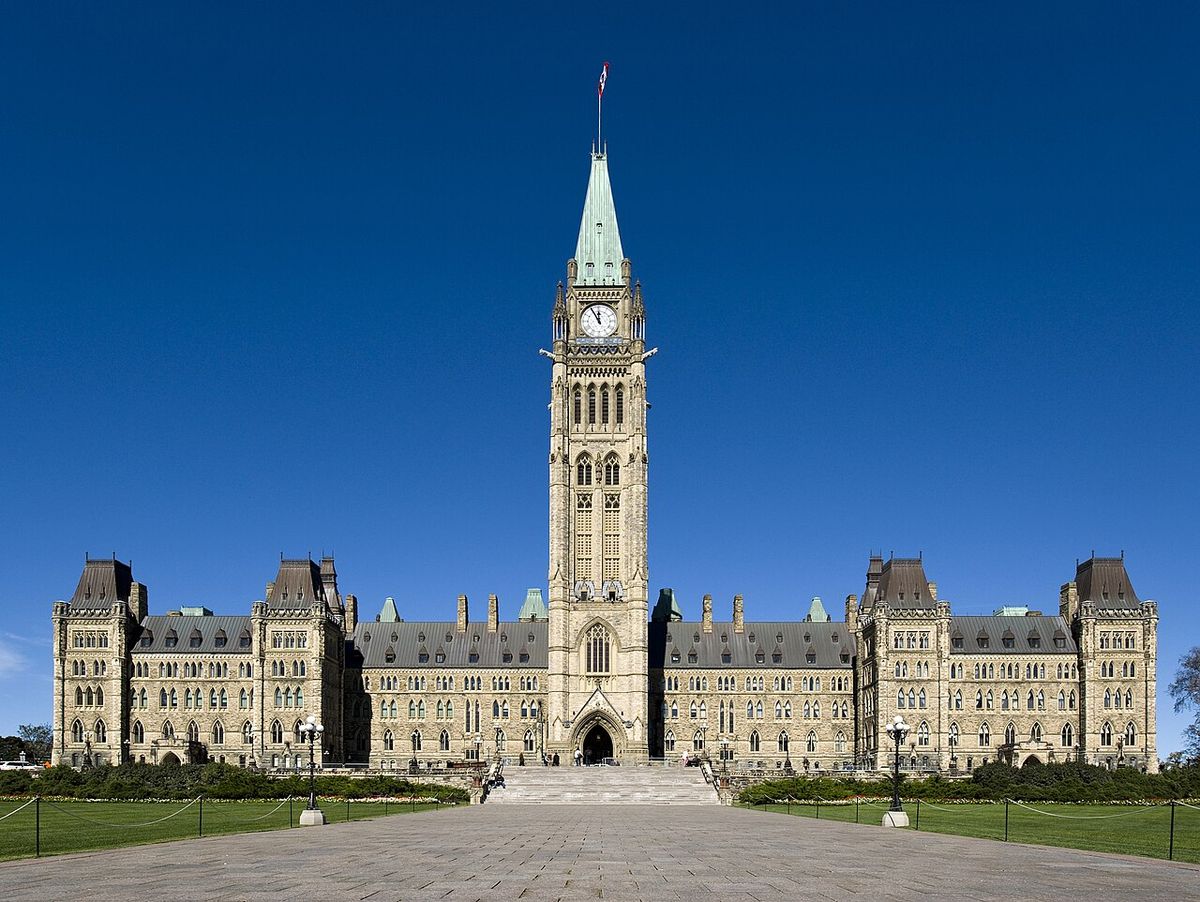
The RCMP also uses the rank of special constable for members with limited peace officer powers. These special constables often perform duties such as security at Parliament Hill. Their role is distinct from that of regular constables. This demonstrates the adaptability of the RCMP rank system to specialized functions.
Provincial and Territorial Police Services
Provincial police services operate under their own legislative frameworks, resulting in distinct rank structures. The Ontario Provincial Police employs a paramilitary model with 'provincial constable' as the entry rank. Its historic now defunct ranks include staff superintendent, divisional inspector, and cadet. In Newfoundland and Labrador, the Royal Newfoundland Constabulary serves as the provincial police.
The Office of the High Sheriff, founded in 1729, is Canada's oldest law enforcement agency with ranks including high sheriff, sub-sheriff, and deputy sheriff. The Sûreté du Québec, the provincial police force for Quebec, uses a rank system in French. The British Columbia Conservation Officer Service has ranks such as chief conservation officer, deputy chief conservation officer, inspector, department sergeant major, staff sergeant, sergeant, corporal, and conservation officer. The British Columbia Commercial Vehicle Safety and Enforcement unit does not use a traditional ranking system outside of its ceremonial unit.
These varied structures reflect the specific mandates of each province and territory. In Manitoba, the Winnipeg Police Service uses a standard municipal structure. In Saskatchewan, services like the Regina Police Service and Saskatoon Police Service have their own specific rank lists. The Alberta Sheriffs Branch has its own set of peace officer ranks distinct from municipal police.
The Nova Scotia Sheriff Service enforces court orders, with a sheriff leading staff at justice centres and all others being deputy sheriffs. This provincial diversity means a sergeant in one service may have different responsibilities than in another. The Royal Newfoundland Constabulary ranks include chief of police, deputy chief, superintendent, inspector, staff sergeant, sergeant, and constable. These ranks are established under the province's Police Act.
Municipal Police Rank Structures
Municipal police services across Canada exhibit both commonalities and regional variations in their rank hierarchies. Most services are led by a Chief of Police, supported by a Deputy Chief. The subsequent commissioned officer ranks often include superintendent and inspector. Non-commissioned ranks typically feature staff sergeant, sergeant, and constable.
For example, the Halifax Regional Police follows this standard model from Chief of Police down to Constable. The Toronto Police Service and York Regional Police use a similar system but replace traditional 'pips' on insignia with maple leaves. They also feature the St. Edward's Crown on insignia of staff sergeant and above. Services in Quebec often use titles like directeur (director) and inspecteur (inspector).
The Service de police de la Ville de Laval lists ranks from Director to Constable, including associate and assistant directors, chief inspector, inspector, lieutenant, sergeant, and constable. The Service de Police de la Ville de Gatineau includes additional roles like group leader and team leader, as well as constable with superior function. Smaller municipal forces, such as the Summerside Police Service in Prince Edward Island or the Weyburn Police Service in Saskatchewan, may have simpler structures. These municipal structures are designed to meet local community needs while ensuring clear lines of authority.
The Durham Regional Police Service has an extensive structure with constable classes from 1st to 4th class, a senior constable rank, and special court constables. The Halton Regional Police Service combines detective and uniform ranks at the same level, such as staff sergeant and detective sergeant being equivalent. The Charlottetown Police Service includes a corporal rank between sergeant and constable. The Kensington Police Service uses only chief, deputy chief, corporal, and constable.
The Ottawa Police Service ranks include chief of police, deputy chief, superintendent, inspector, staff sergeant, sergeant, and constable. This structure is typical for a large urban police service. It allows for clear operational control and career progression. Many other cities like Calgary and Edmonton use a similar hierarchy.
Specialized and Auxiliary Police Services
Canada hosts numerous specialized police services with rank systems adapted to their unique mandates. The Parliamentary Protective Service uses a structure similar to the RCMP, with a director holding the rank of chief superintendent. An officer-in-charge holds the superintendent rank, team managers are sergeants, supervisors are corporals, and officers are constables. This system ensures security for federal parliamentary precincts.
University campus police, like the University of Toronto Campus Community Police Service, employ ranks such as director, associate director, staff sergeant, corporal, and special constables. These special constables are designated from 1st to 4th class. Building patrollers, who are security guards, also form part of the service. Transit police agencies, including the Metro Vancouver Transit Police and Toronto's Transit Enforcement Unit, have ranks like chief special constable, staff sergeant, sergeant, special constable, protective services guard, and fare inspector.
First Nations police services, such as the Nishnawbe-Aski Police Service, utilize ranks like chief of police, deputy chief, regional inspector or regional commander, administrative sergeant, staff sergeant, sergeant, and constable. The Kativik Regional Police Force in Quebec uses ranks and insignia similar to those of the Sûreté du Québec. The Toronto Community Housing Community Safety Unit uses a structure of chief, deputy chief, inspector, staff sergeant, sergeant, corporal, and special constable classes. The Niagara Parks Police Service ranks include chief of police, inspector, sergeant, constable, communications officer, and provincial offences officer.
- Parliamentary Protective Service: Director (Chief Superintendent), Superintendent, Team Manager (Sergeant), Supervisor (Corporal), Constable.
- Nishnawbe-Aski Police Service: Chief, Deputy Chief, Regional Inspector/Commander, Administrative Sergeant, Staff Sergeant, Sergeant, Constable.
- Transit Enforcement Unit (TTC): Chief Special Constable, Staff Sergeant, Sergeant, Special Constable, Protective Services Guard, Fare Inspector.
- University of Toronto Campus Police: Director, Associate Director, Staff Sergeant, Corporal, Special Constable, Building Patroller.
- Niagara Parks Police Service: Chief of Police, Inspector, Sergeant, Constable, Communications Officer, Provincial Offences Officer.
- Auxiliary Ranks: Auxiliary Staff Superintendent, Auxiliary Superintendent, Auxiliary Staff Inspector, Auxiliary Inspector, Auxiliary Sergeant Major, Auxiliary Staff Sergeant, Auxiliary Sergeant, Auxiliary Constable.
Auxiliary police programs across the country use a variety of honorary ranks prefixed with 'Auxiliary'. These volunteers support regular police forces in community events and patrols. The Metro Vancouver Transit Police ranks include chief officer, deputy chief officer, superintendent, inspector, sergeant, corporal, and constable. The Calgary Police Service uses ranks of chief of police, deputy chief, superintendent, inspector, staff sergeant, sergeant, and constable.
Insignia, Salaries, and Professional Recognition
Rank insignia in Canadian police services serve as visual identifiers of authority and experience. The RCMP and many municipal forces use chevrons, crowns, and stars, with the RCMP's design originating from the Canadian Army. The Toronto Police Service incorporates the St. Edward's Crown on insignia for staff sergeant and above. It also uses maple leaves instead of pips, a design also used by the York Regional Police.
The Waterloo Regional Police Service uses crowns and maple leaves for senior ranks and chevrons for non-commissioned officers. Salaries are structured to correspond with rank and seniority, as illustrated by the Edmonton Police Service scale. A constable's annual salary ranges from $84,995 to $135,738. A sergeant or detective earns $152,234, and a staff sergeant earns $167,455.
The highest national recognition for police service is the Order of Merit of the Police Forces, established in October 2000. This honour recognizes exceptional service and merit, with membership levels of Member, Officer, and Commander. The 2026 appointment list includes officers from across the country. Nominations for the Order are managed by the Canadian Association of Chiefs of Police.
The 2026 nomination period runs from April 15 to September 29. Candidates must be serving members of a police service effective December 31 of the nomination year. This system of insignia, compensation, and honours supports professional identity and career progression. The primary focus of the Order of Merit is on exceptional merit through contributions to policing and community development.
The Edmonton Police Service also provides career counselling and employee assistance programs. It offers a moving allowance of up to $1,000 for out-of-province hires. The RCMP commissioner is the highest-paid police officer in Canada. These elements combine to create a professional framework that rewards service.
Historical Police Forces and Rank Evolution
The evolution of police ranks in Canada is reflected in the structures of now-defunct forces. The Alberta Provincial Police, active from 1917 until 1932, used ranks like commissioner, superintendent, assistant superintendent, inspector, detective, sergeant, and constable. The Newfoundland Ranger Force served the Dominion of Newfoundland before its confederation with Canada. It employed a system including chief ranger, lieutenant, inspector, staff sergeant, sergeant, corporal, and ranger classes.
The original North-West Mounted Police established the paramilitary template that influenced the modern RCMP. Within still-existing forces, ranks have also evolved. The RCMP has added higher commissioned ranks like chief superintendent over time. It has phased out lower ones such as sub-inspector.
The Ontario Provincial Police once used ranks like staff superintendent and divisional inspector that are now defunct. The distinction between commissioned and non-commissioned ranks in the RCMP remains from its founding. This ongoing adaptation ensures that rank structures remain relevant to contemporary policing strategies. The use of the Special Constable rank in the RCMP for specialized duties shows how classifications change to meet emerging needs.
The ceremonial unit of the British Columbia Commercial Vehicle Safety and Enforcement uses ranks like departmental sergeant major and troop sergeant. Its main operations do not use a traditional system. The Transit Enforcement Unit was formerly known as the Special Constable Services Department. The Peel Regional Police historic ranks included chief constable, staff superintendent, superintendent, inspector, staff sergeant, sergeant, and constable.
These examples illustrate the dynamic nature of police rank structures across Canada's history. They show a balance between tradition and operational necessity. Many historical ranks have direct parallels in modern services. This continuity highlights the enduring principles of police organization.
Comparative Rank Structures Across Major Services
A comparison of rank titles across several major Canadian police services reveals core similarities alongside distinct terminology. The entry-level position is almost universally 'Constable', though the OPP uses 'Provincial Constable'. The senior leadership title is consistently 'Chief of Police' for municipal services and 'Commissioner' for the RCMP. Middle management ranks like 'Inspector' and 'Superintendent' are common, but their placement within the hierarchy can vary.
Some services, like the Durham Regional Police, have multiple constable classes. Others, like the Waterloo Regional Police, have a single constable rank. Detective ranks in many services fall laterally with uniform ranks and are not a promotion above. The Vancouver Police Department includes a special municipal constable rank for traffic authority, jail guard, and community safety personnel.
The Montreal police use the title 'agent' for constable. The Lethbridge Police Service ranks include chief of police, deputy chief, inspector, staff sergeant, sergeant, and constable. The Service de police de la Ville de Québec ranks include director, associate director, lieutenant, sergeant, and constable (agent). These examples show the adaptation of rank systems to local language and operational focus.
| Police Service | Senior Ranks | Middle Ranks | Junior Ranks |
|---|---|---|---|
| Royal Canadian Mounted Police | Commissioner, Deputy Commissioner | Chief Superintendent, Superintendent | Staff Sergeant, Sergeant, Corporal, Constable |
| Toronto Police Service | Chief, Deputy Chief, Staff Superintendent | Superintendent, Staff Inspector, Inspector | Staff Sergeant, Sergeant, Constable |
| Ontario Provincial Police | Commissioner, Deputy Commissioner | Superintendent, Inspector | Staff Sergeant, Sergeant, Provincial Constable |
| Vancouver Police Department | Chief Constable, Deputy Chief Constable | Superintendent, Inspector | Staff Sergeant, Sergeant, Constable, Special Municipal Constable |
| Service de police de la Ville de Montréal | Director, Associate Director, Assistant Director | Chief Inspector, Inspector | Lieutenant, Sergeant, Constable (Agent) |
| Edmonton Police Service | Chief of Police, Deputy Chief | Superintendent, Inspector | Staff Sergeant, Sergeant, Constable |
| Halton Regional Police Service | Chief of Police, Deputy Chief | Superintendent, Inspector | Staff Sergeant / Detective Sergeant, Sergeant / Detective, Police Constable / Detective Constable |
| Waterloo Regional Police Service | Chief of Police (crown and three leaves), Deputy Chief (crown and two leaves) | Superintendent (crown), Inspector (two leaves) | Staff Sergeant (crown and three chevrons), Sergeant (three chevrons), Constable |
| Calgary Police Service | Chief of Police, Deputy Chief | Superintendent, Inspector | Staff Sergeant, Sergeant, Constable |
| Regina Police Service | Chief of Police, Deputy Chief | Superintendent, Inspector | Staff Sergeant, Sergeant, Constable |
This table illustrates the fundamental three-tier structure of commissioned senior officers, non-commissioned middle managers, and frontline constables. The specific titles and number of ranks within each tier are where local tradition and organizational size create diversity. For instance, the Vancouver Police Department includes a special municipal constable rank. The Montreal police use the title 'agent' for constable.
This decentralized approach allows each service to maintain a rank system suited to its specific operational scope. The Saskatoon Police Service ranks include chief of police, deputy chief, superintendent, inspector, staff sergeant, sergeant, and constable. Such comparisons highlight both the unity and the variety in Canadian police organizations. They show the principle of local adaptation within a common professional framework.
Questions about Police ranks of Canada
What is the highest rank in the RCMP?
The highest rank in the Royal Canadian Mounted Police is the Commissioner. This senior officer provides overall leadership for the national police force. The commissioned ranks beneath the Commissioner include Deputy Commissioners, Assistant Commissioners, and Chief Superintendents. These officers are appointed based on extensive experience and evaluation.
What is the starting salary for a police constable in Canada?
Police constable salaries vary by municipality and province. As an example, the Edmonton Police Service lists an annual constable salary range from $84,995 to $135,738, effective as of December 2025. Salaries typically increase with years of service and rank promotion. Most police services offer graduated pay scales and competitive benefits packages.
What is the Order of Merit of the Police Forces?
The Order of Merit of the Police Forces is a national honour established in October 2000 to recognize exceptional service by members of Canadian police services. It has three levels: Member, Officer, and Commander. Nominations for the 2026 cycle are open from April 15 to September 29. The honour focuses on career-long contributions to policing and community development.
How do police ranks differ between provinces?
Police ranks differ between provinces due to separate governing legislation and historical development. Provincial police forces like the Ontario Provincial Police use a paramilitary structure with ranks like provincial constable. In Quebec, the Sûreté du Québec uses French titles such as directeur and inspecteur. Provincial sheriffs' services have distinct ranks like high sheriff or deputy sheriff.
What are the typical ranks in a municipal police service?
A typical municipal police service in Canada is led by a Chief of Police, supported by one or more Deputy Chiefs. The commissioned officer ranks usually include Superintendent and Inspector. The non-commissioned ranks commonly are Staff Sergeant, Sergeant, and Constable. Some services incorporate detective ranks at equivalent levels to uniformed positions.
Are there police ranks for auxiliary or volunteer officers?
Yes, Canadian auxiliary police programs use a variety of honorary ranks prefixed with 'Auxiliary'. Common examples include Auxiliary Staff Superintendent, Auxiliary Superintendent, and Auxiliary Staff Inspector. The list also contains ranks such as Auxiliary Inspector, Auxiliary Sergeant Major, and Auxiliary Staff Sergeant. Further auxiliary ranks are Auxiliary Sergeant and the entry-level position of Auxiliary Constable. These volunteers support regular police forces in various community and operational capacities.
Sources and further reading
- Police ranks of Canada (Wikipedia)
- Understanding the Ranks of the RCMP (beechwoodottawa.ca)
Checked by the Nosy Mag desk. Last updated 2026-10-26.