List of Canada-United States border crossings
The Canada-United States border is crossed by numerous ports of entry, ranging from major international bridges and tunnels handling millions of travellers annually to remote, unstaffed roads in wilderness areas. The management of these ports of entry is a shared responsibility between the Canada Border Services Agency (CBSA) and U.S. Customs and Border Protection (CBP), which enforce immigration, customs, and agricultural laws. For Canadians, these crossings are vital arteries for tourism, commerce, and family connections, making their operation and regulations a matter of daily importance and national economic significance. This list details crossings from west to east, and from north to south for Alaska, and includes land, rail, ferry, and closed ports of entry.
Types of Border Crossings
The border between Canada and the United States is traversed by several distinct types of crossings, each with its own operational protocols. Land ports of entry are the most common and include staffed facilities on major highways that are typically open year-round during daytime hours. These crossings process the vast majority of personal and commercial vehicle traffic. Rail crossings facilitate the movement of freight trains between the two countries and are critical for continental supply chains.
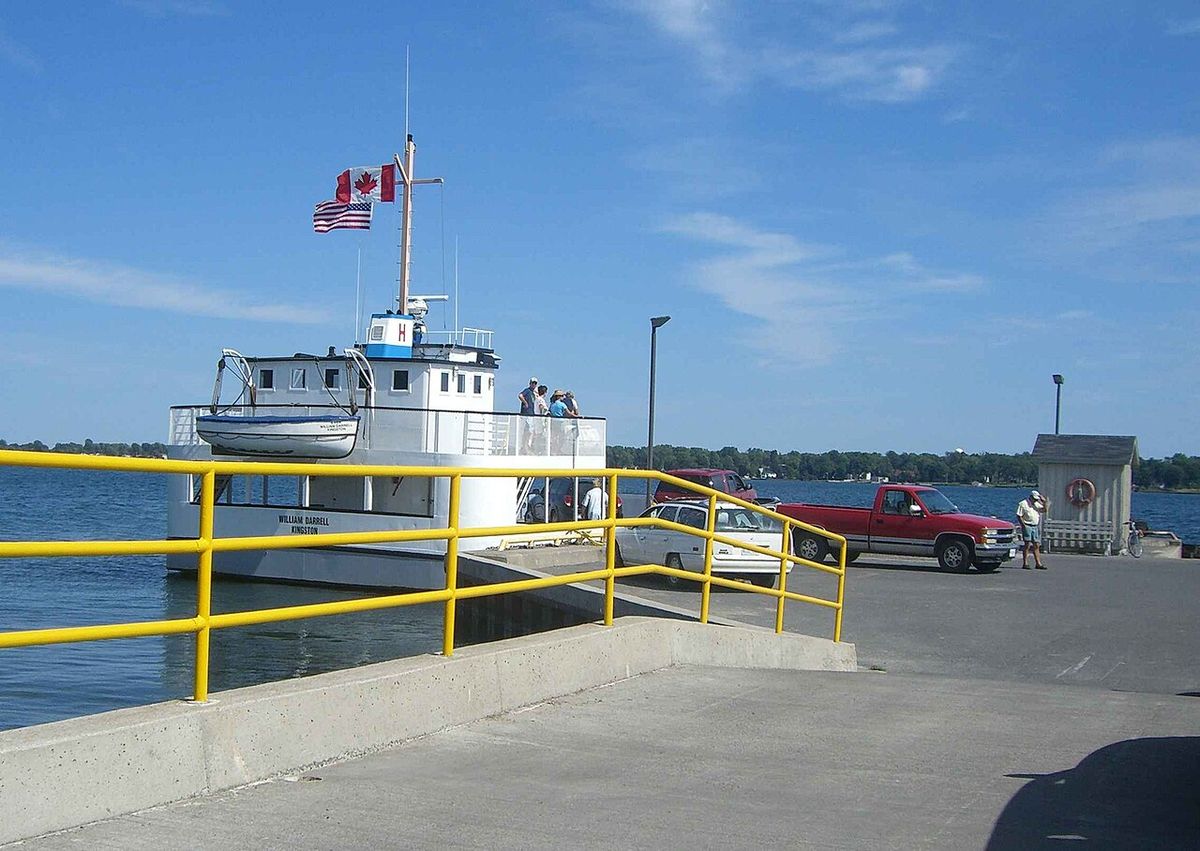
Ferry crossings provide point-to-point international service for both vehicles and passengers, connecting coastal communities in regions like the Great Lakes and the Salish Sea. Unstaffed road crossings represent a unique category, particularly in remote areas. These are roads that legally cross the international boundary but do not have permanent border inspection services on site. Historically, dozens of such crossings existed, but many were barricaded in the mid-1970s as part of security enhancements for the 1976 Montreal Summer Olympics, particularly in upstate New York and Vermont.
At remaining unstaffed crossings, travellers are legally required to report to a designated customs office after crossing, a requirement that will become universal with the termination of the Remote Area Border Crossing program in September 2026. Finally, there are numerous closed land ports of entry, which are former staffed crossings that have been deactivated and are no longer in service for official border processing. These closed crossings are distinct from unstaffed roads that remain legally open for travel. The list of crossings is organized geographically from west to east.
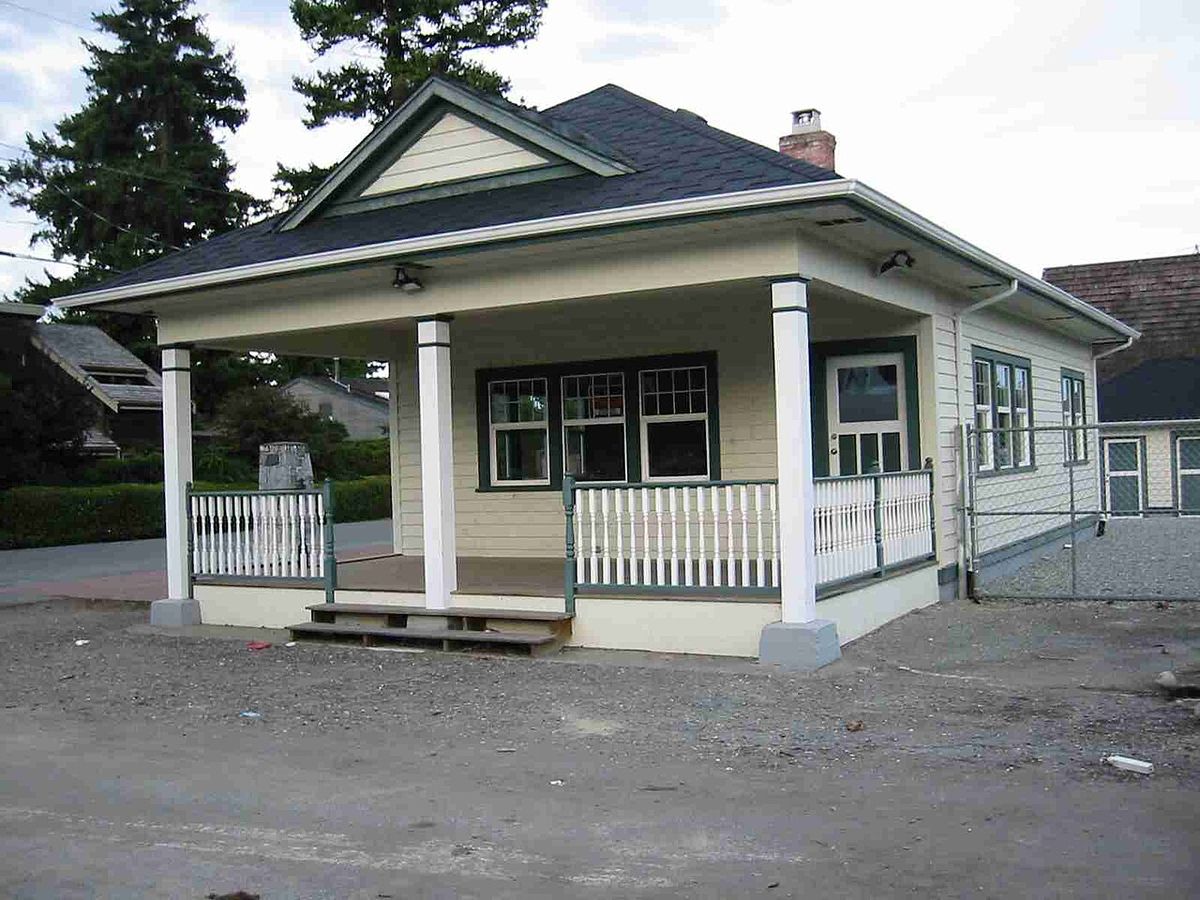
Key Agencies and Legal Framework
Border management is governed by a complex legal and administrative framework involving multiple agencies on both sides. In Canada, the primary authority is the Canada Border Services Agency, which is responsible for facilitating the flow of legitimate travellers and goods while protecting national security and public safety. On the United States side, U.S. Customs and Border Protection, a component of the Department of Homeland Security, performs analogous functions. The U.S. Department of State assigns a unique three-letter Port of Entry code to each crossing, which is stamped in passports upon entry into the United States.
These agencies enforce laws related to immigration, customs duties, controlled substances, and agricultural products. The legal basis for border enforcement includes statutes like the U.S. Title 8 immigration authority, under which individuals can be deemed inadmissible at ports of entry or apprehended between them. Cross-border travel is further shaped by bilateral agreements and programs designed to expedite processing for pre-approved, low-risk travellers. The NEXUS program is a prominent example, allowing members to use dedicated lanes at major crossings.
However, all travellers must comply with the laws of both nations, a point emphasized regarding cannabis, which remains illegal to transport across the border despite its legalization for non-medical use in Canada in 2018. Violations can lead to serious penalties including fines, seizure of goods, and denial of entry. The legal framework is designed to balance security with the efficient movement of people and commerce across the world's longest international border. One Port of Entry code may correspond to multiple physical crossings in the same area.
Major Commercial and Passenger Corridors
Certain border crossings handle a disproportionately large volume of traffic and are critical to the North American economy. These corridors are concentrated in southern Ontario and the Pacific Northwest, linking major population centres. The busiest crossings often see significant congestion, leading to investments in technology and infrastructure to improve flow. For instance, the Gordie Howe International Bridge between Windsor and Detroit is a new, high-capacity crossing designed to supplement the aging Ambassador Bridge.
The Detroit-Windsor Tunnel and the trio of Rainbow, Whirlpool Rapids, and Queenston-Lewiston Bridges in the Niagara region are other vital links in Ontario. In British Columbia, key crossings include the Peace Arch and Pacific Highway crossings near Surrey, which connect to the Interstate 5 corridor in Washington State. To manage wait times at these and other busy B.C. crossings like Aldergrove and Sumas, the provincial government implemented the Advanced Traveler Information System. This system uses in-pavement sensors to estimate queue lengths, though it has faced technical challenges requiring temporary suspension.
The following list highlights some of the highest-traffic crossing complexes. These crossings are not just conduits for cars and trucks but also for pedestrians and, in some cases, cyclists. Their operation has direct implications for cross-border trade, tourism, and regional integration. Wait times can vary dramatically based on time of day, day of the week, and seasonal travel patterns, prompting travellers and commercial carriers to plan their crossings carefully.
- Ambassador Bridge (Windsor, ON to Detroit, MI)
- Gordie Howe International Bridge (Windsor, ON to Detroit, MI)
- Peace Bridge (Fort Erie, ON to Buffalo, NY)
- Rainbow Bridge (Niagara Falls, ON to Niagara Falls, NY)
- Whirlpool Rapids Bridge (Niagara Falls, ON to Niagara Falls, NY)
- Queenston-Lewiston Bridge (Queenston, ON to Lewiston, NY)
- Detroit-Windsor Tunnel (Windsor, ON to Detroit, MI)
- Peace Arch (Surrey, BC to Blaine, WA)
- Pacific Highway (Surrey, BC to Blaine, WA)
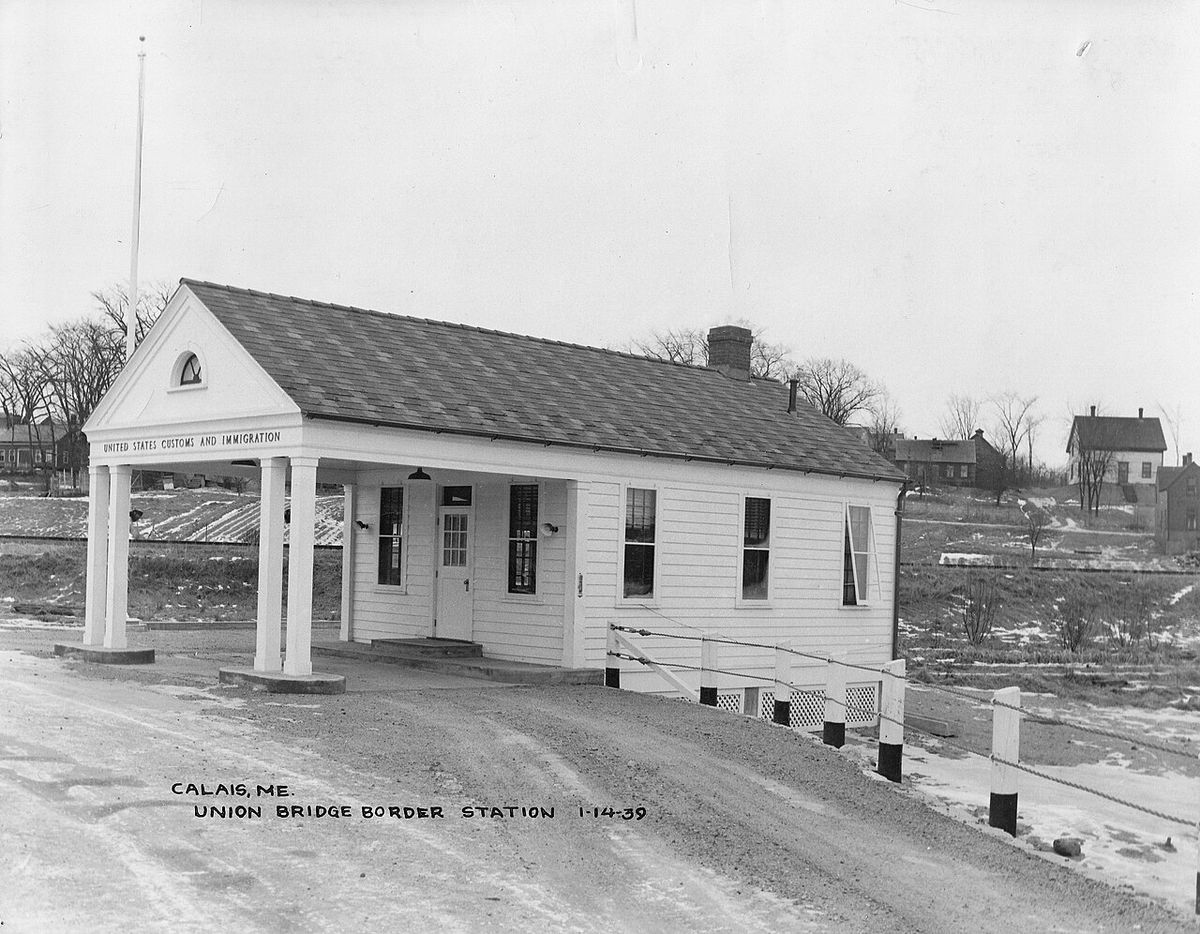
Crossing the Border: Procedures and Requirements
All travellers crossing the international border by land must report to customs and immigration authorities. The specific requirements and procedures are designed to verify identity, citizenship, and the admissibility of both people and goods. Canadian and U.S. citizens must present a valid passport, a NEXUS card, or an Enhanced Driver's Licence when entering the United States from Canada. Canadian citizens returning home must prove their citizenship and identity to the CBSA officer.
All individuals are subject to questioning about the purpose of their trip, the duration of their stay, and any goods they are bringing with them, including currency over a certain limit. Travellers should be prepared for potential examination of their vehicle and personal belongings, including electronic devices. There are also specific programs and temporary measures for certain groups, such as eligible United States Indigenous travellers who can apply to work or study in Canada. For commercial operators, including truck drivers and those landing private aircraft, additional documentation and clearance processes apply.
Failure to properly report to customs when required can result in fines, seizure of goods, or being denied entry. It is the traveller's responsibility to know and comply with all regulations. The rules apply equally at major highways and at remote, unstaffed crossings where reporting must be done at a designated office after the fact. Proper documentation and honesty during inspection are essential for a smooth border crossing experience.
Remote and Unstaffed Crossings
In contrast to the major corridors, many sections of the border, particularly in the Prairies, northern Ontario, and the forests of New England, are crossed by quiet, often unpaved roads. These remote crossings have historically operated under special rules due to their isolation. The Remote Area Border Crossing program allowed for specific, pre-approved crossings in wilderness areas, but this program is scheduled to end in September 2026. After that date, all travellers using these routes will be required to report to a staffed customs office, which may be located many kilometres from the actual border point.
The history of these crossings includes a significant reduction in their number. Dozens of unattended roads, especially in the Swanton Sector covering parts of New York and Vermont, were barricaded in the 1970s during a security crackdown ahead of the Montreal Olympics. Today, the remaining unstaffed crossings are listed officially, and travellers using them must follow precise reporting instructions. For example, while the U.S. border inspection station at Hyder, Alaska is closed, travellers must use the nearby Stewart, British Columbia crossing for processing.
The impending end of the RABC program shows a trend toward greater oversight and controlled passage even in the most isolated regions. This shift marks a departure from earlier, more informal practices that allowed for greater flexibility in remote border areas. The consolidation aims to enhance security and ensure all border crossings are properly monitored. Travellers must plan accordingly for the increased reporting requirements after September 2026.
Security, Enforcement and Data
Border security is a paramount concern for both nations, encompassing efforts to prevent illegal migration, smuggling, and potential terrorist threats. Enforcement actions are categorized under U.S. legal authorities, primarily Title 8 for standard immigration processing. U.S. Customs and Border Protection publishes detailed encounter data, which includes apprehensions by the Border Patrol between ports of entry and individuals deemed inadmissible by officers at the ports themselves. This data is broken down by geographic sector and is subject to revision as cases are finalized.
Public travel advisories also inform border security, with the Canadian government providing guidance on safety and security conditions in the United States. While the risk of terrorism exists, the National Terrorism Advisory System in the U.S. communicates specific threat levels. For Canadians, the overarching advice is to take normal security precautions, be aware of surroundings, and only use officially recognized border crossings. The U.S. Department of Homeland Security maintains its alert system to communicate information about terrorist threats to the public.
Enforcement statistics on the northern border are far lower than on the southwest border with Mexico, but they are tracked meticulously. The data distinguishes between encounters 'At Entry' and 'At Large,' providing detail on how long an individual has been in the country. This information is used by policymakers to allocate resources, plan infrastructure, and assess the effectiveness of border security strategies. All data is extracted from live systems and is subject to change as corrections and final reviews are completed.
Recent and Upcoming Changes
The operation of the Canada, U.S. border is subject to continual updates and policy shifts. A significant change on the horizon is the termination of the Remote Area Border Crossing program in September 2026, which will standardize reporting requirements for all travellers. Infrastructure developments continue, with the Gordie Howe International Bridge slated to become a new major trade corridor upon completion. Technological upgrades and setbacks also mark recent history.
The Advanced Traveler Information System in British Columbia, intended to provide reliable wait times, has been taken offline due to hardware faults during high traffic periods, with no firm date for its return. In response to trade disputes, Canada has at times imposed counter tariffs on U.S. goods, and the CBSA publishes guidance for importers on how these surtaxes are applied at the border. Temporary border measures can be introduced in response to global health concerns to mitigate public health risks. These changes collectively affect how travellers and goods move between the two countries.
Other changes include the ongoing maintenance and potential expansion of trusted traveller programs like NEXUS. The list of crossings itself is also subject to change as new infrastructure opens or old crossings are formally closed. Travellers are advised to consult official agency websites for the most current information before planning a trip. Policy adjustments are made to reflect evolving security and economic priorities.
Crossing Statistics and Trends
Border crossing data provides insight into the immense volume of people and goods moving between Canada and the United States. Statistics are collected annually and can be filtered by mode of transport, such as personal vehicles, pedestrians, and commercial carriers. The data reveals that a handful of crossings account for the majority of traffic, with significant seasonal variations and longer-term trends influenced by economic conditions, fuel prices, and exchange rates. For example, the Ambassador Bridge is one of the busiest commercial crossings in North America.
Enforcement statistics tell another part of the story. U.S. Border Patrol apprehensions between ports of entry on the northern border are far lower than on the southwest border with Mexico, but they are tracked meticulously. The data distinguishes between encounters 'At Entry' and 'At Large,' providing detail on how long an individual has been in the country. All this information is used by policymakers to allocate resources, plan infrastructure, and assess the effectiveness of border security strategies.
The data is extracted from live systems and is subject to change as corrections and final reviews are completed. Annual reports from CBSA and CBP provide a comprehensive picture of border activity. These statistics help identify congestion points and inform decisions on where to invest in new inspection lanes or technology. Understanding these trends is crucial for managing the flow across the shared border.
Questions about List of Canada-United States border crossings
Can I bring cannabis across the border?
No, it is illegal to transport cannabis across the international border in either direction. Even though non-medical cannabis is legal in Canada, it remains a controlled substance under United States federal law. Violating this law can result in serious penalties, including fines, seizure of the product, and being denied entry or banned from future travel. The U.S. administration has explicitly asked the Government of Canada to inform travellers of this prohibition.
What is happening with remote border crossings?
Canada is ending its Remote Area Border Crossing program in September 2026. This program previously allowed for specific, pre-approved crossings in wilderness areas without immediate staff presence. After the program ends, all travellers crossing the border, including in remote locations, will be required to report to a staffed Canada Border Services Agency or U.S. Customs and Border Protection office for inspection. Many formerly unstaffed roads were barricaded decades ago during security enhancements for the 1976 Montreal Olympics.
How can I check border wait times?
For some of the busiest crossings, such as those in British Columbia, the provincial government had an Advanced Traveler Information System that used sensors to estimate wait times. However, this system has been taken offline due to hardware faults that caused inaccurate data during high traffic, and there is no estimated date for its return. Travellers are advised to consult the CBSA and CBP websites for general wait time information. Live border camera feeds, where available, can also provide a visual assessment of traffic volume.
What is the NEXUS program and how does it help?
NEXUS is a joint Canada, United States program for pre-approved, low-risk travellers. Members receive a photo identification card that allows them to use dedicated, expedited lanes at many major land border crossings and airports. The program is designed to reduce wait times and streamline the border clearance process for frequent travellers. Applicants must undergo a thorough background check and an interview with officers from both countries. A fee is required for the application, which is valid for five years.
What should I do if I cross at an unstaffed border road?
If you legally cross the border at an unstaffed road, you are required to report to the nearest staffed Canada Border Services Agency or U.S. Customs and Border Protection office immediately. The specific reporting location is typically indicated by signage. You must present yourself and all occupants of your vehicle for inspection. Failure to report is a serious offence that can lead to fines, seizure of your vehicle and goods, and potential criminal charges.
Who assigns the three-letter port codes for U.S. crossings?
The U.S. Department of State assigns a unique three-letter Port of Entry code to each crossing. This code is included on the passport entry stamp or parole stamp one receives when crossing into the United States. One code may correspond to multiple crossings in the same general area. These codes are used for official tracking and data collection related to border entries.
Sources and further reading
- List of Canada-United States border crossings (Wikipedia)
- Cross the Canadian border (cbsa-asfc.gc.ca)
- United States travel advice (travel.gc.ca)
- Border Crossings, Province of British Columbia (www2.gov.bc.ca)
- Nationwide Encounters (cbp.gov)
Checked by the Nosy Mag desk. Last updated 2026-10-26.