Prostitution in Canada
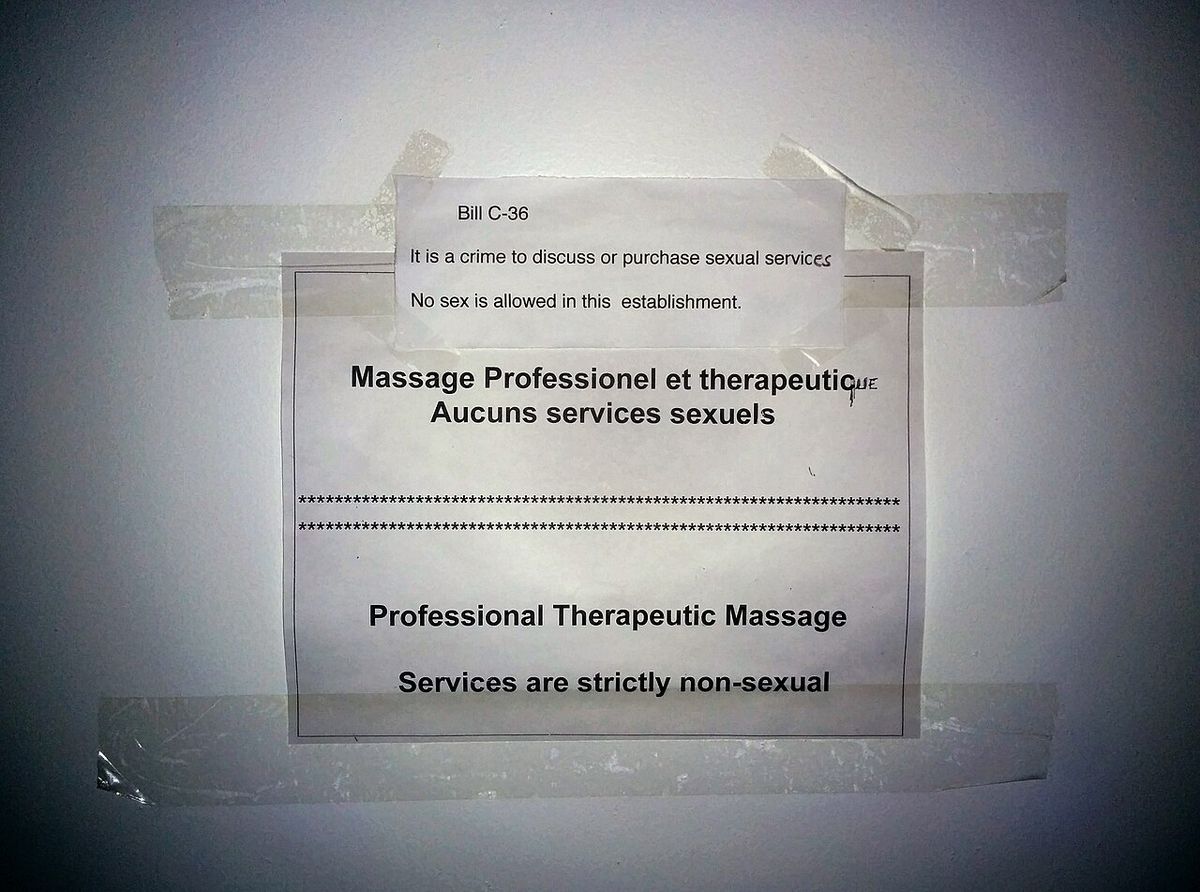
Prostitution in Canada is governed by a legal framework that criminalizes the purchase, advertising, and material benefit from sexual services, while largely decriminalizing their sale. This approach, established by the Protection of Communities and Exploited Persons Act (Bill C-36) in 2014, made the exchange of sex for money illegal for the first time in Canadian history. The laws were enacted in response to the Supreme Court of Canada's landmark 2013 Bedford decision, which struck down previous prohibitions on brothels, public communication, and living on the avails of prostitution as unconstitutional. The current regime, modelled on the Nordic approach, aims to abolish prostitution by targeting demand, but remains contentious, with sex worker advocates arguing it endangers safety by pushing the industry underground.
Historical Legal Context
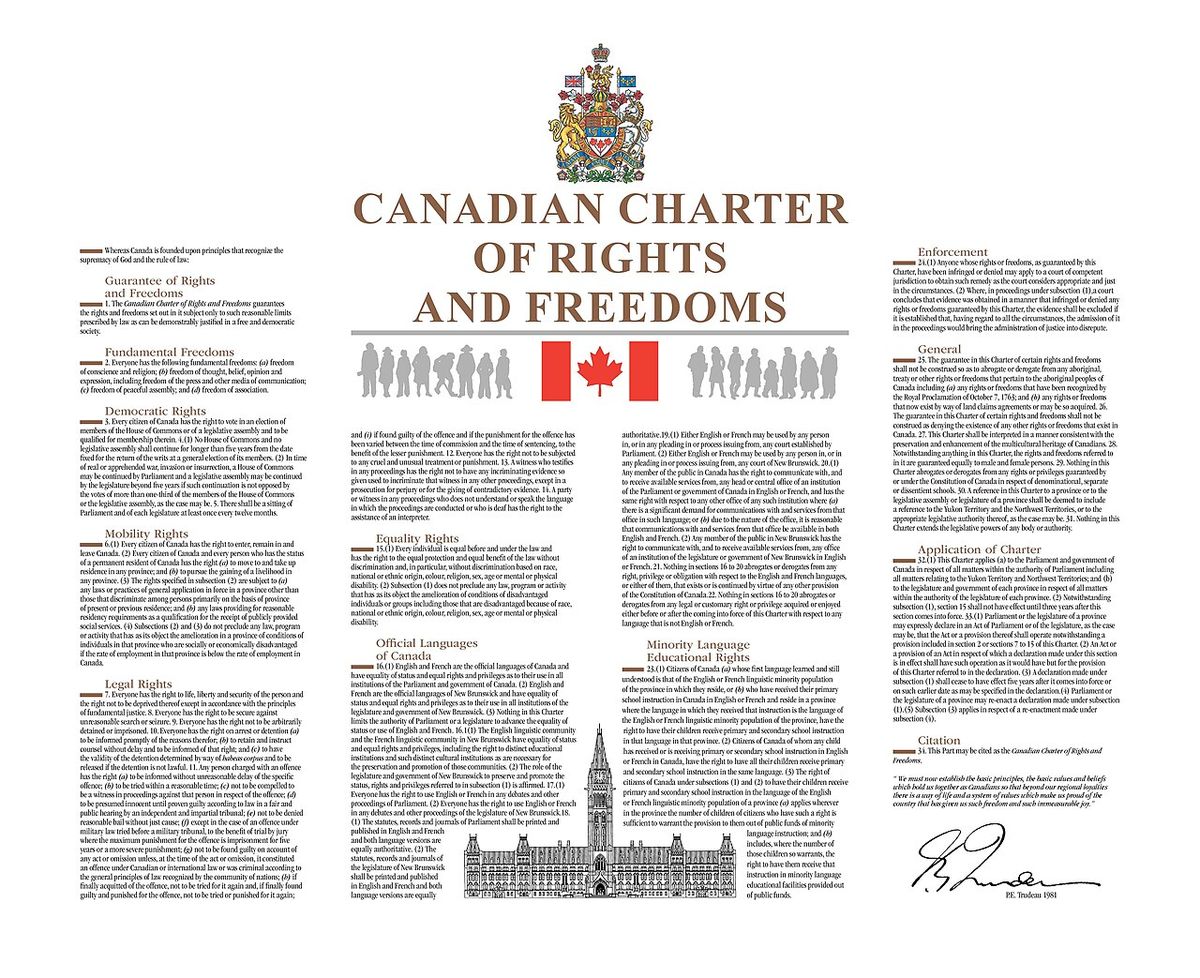
Canada's prostitution laws have evolved significantly from their origins in British common law. The first recorded laws dealing with prostitution were enacted in Nova Scotia in 1759. Following Confederation, these laws were consolidated into the Criminal Code in 1892, focusing primarily on prohibitions against pimping, procuring, operating brothels, and soliciting. For most of Canada's history, the act of exchanging sex for money itself was not illegal, but the surrounding activities were heavily criminalized. Soliciting was originally classified as a vagrancy offence, which was amended to a specific soliciting offence in 1972 and further changed to a communicating offence in 1985. The inclusion of the Canadian Charter of Rights and Freedoms in 1982 provided a new basis for constitutional challenges to these laws.
The legal situation before the 2013 Bedford ruling was described by judges as anomalous and bizarre. The Criminal Code prohibited owning or being found in a bawdy house, transporting anyone to a bawdy house, procuring, living on the avails of prostitution, paying for sex with a minor, and communicating in a public place for the purposes of prostitution. This created a scenario where, as Chief Justice Beverley McLachlin noted, almost everything related to prostitution was regulated except the transaction itself. At the turn of the twentieth century, vulnerable newcomers to cities were particularly susceptible to exploitation by bordello runners, leading to lives of sexual slavery, as historians have documented. A 1993 report noted over 10,000 prostitution-related incidents in 1992, with 95% being communicating offences.
The Bedford Decision and Legislative Response
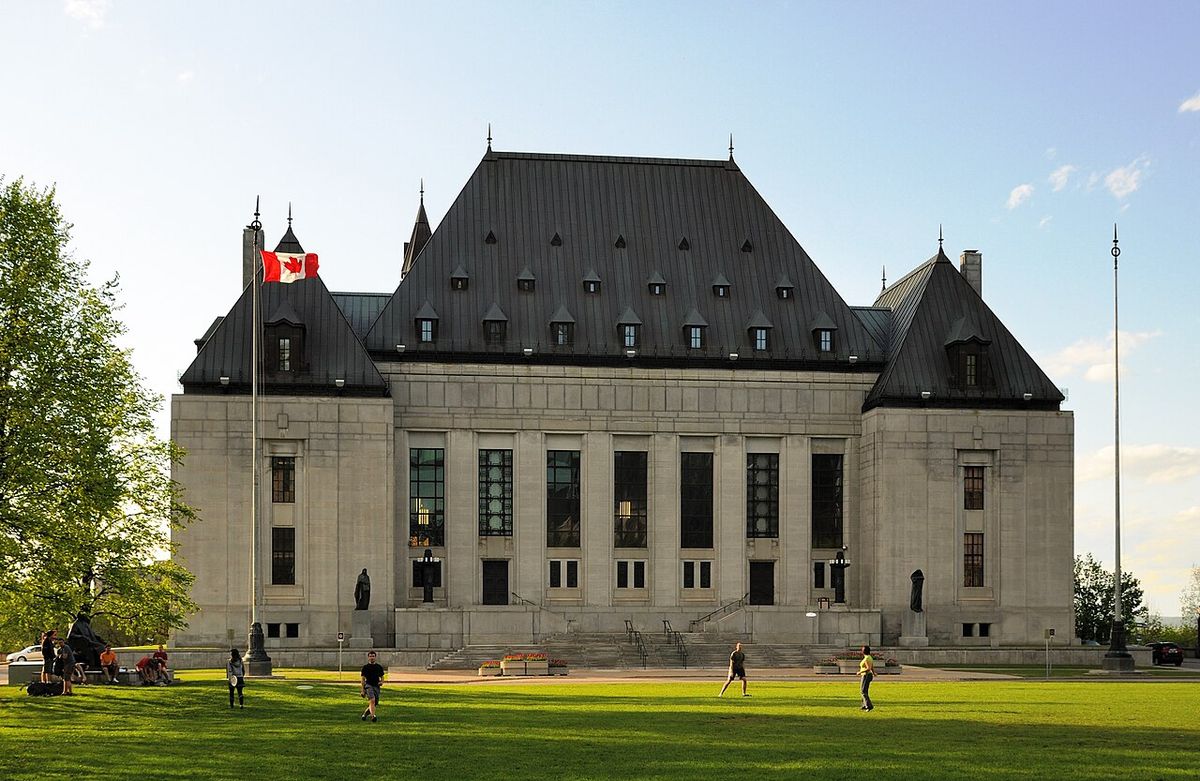
The constitutional challenge culminated in the Supreme Court of Canada's unanimous decision in Canada (Attorney General) v. Bedford on December 20, 2013. The Court struck down three key Criminal Code provisions: those against keeping a bawdy house, living on the avails of prostitution, and communicating in public for the purpose of prostitution. The Court found these laws violated sex workers' right to security of the person under Section 7 of the Charter by preventing them from taking safety precautions, such as working indoors or hiring security. The Court suspended the declaration of invalidity for one year to allow Parliament to craft new legislation. In response, the Conservative government under Prime Minister Stephen Harper introduced Bill C-36, the Protection of Communities and Exploited Persons Act. The bill received Royal Assent on November 6, 2014, and came into force on December 6, 2014. It was opposed by all opposition parties.
Bill C-36 made purchasing sexual services a criminal offence for the first time in Canadian history, while largely decriminalizing the sale of sexual services. The legislation treats prostitution as a form of sexual exploitation that disproportionately harms women and girls. It criminalizes purchasing or advertising sexual services and receiving a material benefit from the prostitution of others. The law includes specific penalties, with purchasing sexual services carrying a maximum penalty of five years imprisonment if prosecuted on indictment. Purchasing from a person under 18 carries a maximum penalty of ten years. The legislation also prohibits communicating in a public place for the purpose of purchasing sexual services, with enhanced penalties near schools, parks, or religious institutions.
Current Legal Framework and the Nordic Model
Canada's current legal approach is explicitly modelled on the Nordic model, which adopts an asymmetrical criminalization strategy. This model seeks to abolish prostitution by targeting demand, criminalizing the purchase of sexual services while decriminalizing their sale. Under Bill C-36, it is illegal to purchase or advertise sexual services and to live on the material benefits from sex work. The law provides specific immunities for sex workers themselves, protecting them from criminal liability for their role in the transaction, advertising their own services, or receiving a material benefit in the context of a non-exploitative commercial enterprise. The legislation aims to reduce both the purchase and sale of sexual services over time. It defines obtaining a sexual service for consideration as an agreement for a specific sexual act in return for payment or other consideration, which can include drugs or alcohol.
The law carves out explicit safety measures that sex workers are permitted to take. These include selling services from fixed indoor locations, whether independently or cooperatively, hiring legitimate bodyguards who are not exploitative, and negotiating safer conditions. Communicating to sell services in prohibited areas like school grounds remains an offence with a maximum six-month penalty. The advertising offence targets those who advertise the services of others, including publishers or website administrators who know the advertisement's nature. Courts can order the seizure of such materials and their removal from the internet. The material benefit offence prohibits receiving money or other benefit from the prostitution of others in the context of a commercial enterprise, but interpreting what constitutes an exploitative 'commercial enterprise' is left to courts on a case-by-case basis.

Constitutional Challenges and Court Rulings
Since the enactment of Bill C-36, its provisions have faced continued constitutional scrutiny. The Supreme Court of Canada's 2013 Bedford decision set the precedent that laws endangering sex workers' safety violate Section 7 of the Charter. In a significant 2025 ruling, R. v. Kloubakov, the Supreme Court unanimously dismissed a constitutional challenge to two provisions of Bill C-36: the offences of receiving a material benefit from sex work and procuring. The defendants were escort service drivers convicted under these provisions. The Court found that neither offence prohibits sex workers from taking the safety measures outlined in Bedford, such as working indoors or hiring drivers and bodyguards. Consequently, the Court held the appellants failed to demonstrate the laws engaged sex workers' security of the person. The decision was narrow, addressing only these two provisions. An ongoing broader challenge by the Canadian Alliance for Sex Work Law Reform remains before the Ontario Court of Appeal.
Earlier constitutional history includes the 1990 Prostitution Reference, where the Supreme Court upheld the law banning public solicitation. The Court found that although it violated freedom of expression, it was justified under Section 1 of the Charter as Parliament had a valid goal in eliminating prostitution. In 2010, the Ontario Superior Court in Bedford v. Canada initially held key Criminal Code provisions invalid, a decision modified and partly upheld by the Ontario Court of Appeal in 2012 before the Supreme Court's final 2013 ruling. These repeated challenges highlight the deep legal tensions between the state's interest in regulating sexual exploitation and the Charter rights of individuals engaged in sex work.
Demographics, Enforcement and Economic Factors
Police-reported crime statistics provide a limited window into the scale of the sex trade. Between 2020 and 2024, there were 4,275 incidents of sex trade-related crime reported by police in Canada. Historically, enforcement has focused on street-level activity. The demographic impact of the 2014 law was significant. Between 2009 and 2014, women accounted for 43% of prostitution-related offences. After Bill C-36's enactment in 2014, only 9% of those accused were female, while male accused rose to 81%, reflecting the shift towards criminalizing purchasers. The language of the legislation focuses on women and girls, leaving the status of transgender sex workers unclear, and there has been very limited research on transgender people in the industry. Estimates vary widely, but about 10-33% of all prostitutes have been estimated to work primarily outside, and are thus more visible.
Economic pressures are a major driver for entry into sex work. A 2023 report from the Transitions Metro Vancouver Consortium, titled 'By Us, For Us' and developed by sex workers in British Columbia, found that 73% of sex workers studied lived with at least one disability. For individuals with disabilities relying on provincial assistance, the financial strain is acute. In British Columbia, a single person on disability assistance can receive a maximum of $1,483.50 per month, with an annual income cap of $16,200 before losing benefits. With the average monthly cost of living in BC ranging from $3,400 to $4,000 as of 2025, this assistance falls severely short. This economic reality shows the complex social factors that the criminal law seeks to address.
Criticisms and Public Debate
The current legal regime is intensely debated. Proponents, including the government that enacted it, argue it protects the dignity and equality of Canadians by targeting the demand that fuels exploitation. They view it as a necessary step to combat the sexual exploitation of vulnerable persons. Critics, including many sex worker rights organizations, argue the laws make sex work more dangerous by displacing it underground, limiting workers' ability to screen clients, negotiate safely, or work cooperatively. They contend that criminalizing clients and third parties like drivers or security reduces access to safety supports. Research, such as a 2020 survey by Nanos Research for the London Abused Women's Centre, indicates mixed public opinion. The poll of over 1,000 Canadians found 49% supported the legislation, 61% agreed government funding should be provided to women in the sex industry, and 45% opposed establishing sex work as a legal profession including pimping and brothel-operating.
Sex worker advocates consistently argue that the laws fail to account for their lived realities and that their safety is compromised. The ongoing constitutional challenge in Ontario seeks to present a more strong evidentiary record on these harms. The debate centres on whether prostitution is inherently exploitative or a form of labour where workers have agency. Advocates for decriminalization believe prohibition denies sex workers legal protections and encourages exploitation, while abolitionists seek the eradication of the practice altogether. This ideological divide ensures that Canada's prostitution laws remain a focal point of legal, social, and political controversy.
Key Legal Provisions and Penalties
The Criminal Code, as amended by Bill C-36, contains several specific offences related to prostitution. These offences include purchasing sexual services, purchasing from a minor, receiving a material benefit, and communicating to purchase. The law also criminalizes advertising an offer to provide sexual services for consideration. These provisions work together to create a framework that aims to penalize those who create demand for and profit from prostitution, while theoretically allowing sellers to operate with certain safety measures. The interpretation of key terms like 'commercial enterprise' in the material benefit offence is left to the courts, leading to ongoing legal uncertainty.
- Purchasing Sexual Services (Section 286.1): Criminalizes obtaining or attempting to obtain a sexual service for consideration. Maximum penalty is 5 years imprisonment on indictment or 18 months on summary conviction. Higher mandatory minimum fines apply if committed near parks, schools, or places children are expected.
- Purchasing from a Minor (Section 286.1(2)): Purchasing from a person under 18 carries a maximum penalty of 10 years imprisonment, with mandatory minimums of 6 months for a first offence and one year for subsequent offences.
- Receiving Material Benefit (Section 286.2): Criminalizes receiving a financial or material benefit from the prostitution of another person. Contains an exception for benefits received in the context of a legitimate commercial enterprise. Maximum penalty is 5 years on indictment, 18 months on summary conviction.
- Communicating to Purchase (Section 213): Prohibits communicating in a public place for the purpose of purchasing sexual services.
- Advertising Sexual Services: Criminalizes advertising an offer to provide sexual services for consideration.
Questions about Prostitution in Canada
Is it legal to sell sexual services in Canada?
Yes, selling one's own sexual services is largely decriminalized under Canadian law. The Protection of Communities and Exploited Persons Act (Bill C-36) explicitly protects individuals from criminal liability for selling sexual services. The law provides immunity for sellers regarding their role in the transaction, for advertising their own services, and for receiving a material benefit in certain non-exploitative contexts. However, sellers are not completely free from legal restrictions. For instance, communicating to sell services in a public place that is or is next to school grounds, playgrounds, or daycare centres remains a criminal offence with a maximum penalty of six months imprisonment.
Is it legal to buy sexual services in Canada?
No, purchasing sexual services is a criminal offence. This was established by Bill C-36 in 2014, marking the first time in Canadian history that the exchange of sex for money was made illegal. A person convicted of purchasing sexual services may be sentenced to up to five years imprisonment if prosecuted on indictment, or 18 months if prosecuted by summary conviction. The offence applies to transactions that occur in person or over the internet. Mandatory minimum fines are higher if the offence is committed in or near a park, school, religious institution, or place where children can reasonably be expected to be present.
What was the Bedford case and why was it important?
Canada (Attorney General) v. Bedford was a landmark 2013 Supreme Court of Canada decision that struck down three key prostitution laws as unconstitutional. The Court found that the prohibitions against keeping a bawdy house, living on the avails of prostitution, and communicating in public for the purpose of prostitution violated sex workers' right to security of the person under Section 7 of the Charter. The Court ruled these laws prevented sex workers from taking safety measures, such as working indoors or hiring security, thereby increasing their risk of violence. The decision suspended the invalidity for one year, forcing Parliament to rewrite the laws, which led directly to the creation of the current regime under Bill C-36.
What is the Nordic model that Canada follows?
The Nordic model, also known as the asymmetrical criminalization approach, is a legal framework that criminalizes the purchase of sexual services while decriminalizing their sale. Canada adopted this model through Bill C-36. The philosophy behind it is to abolish prostitution by targeting the demand from purchasers rather than penalizing the sellers, who are often viewed as exploited. The model is usually supplemented with programs offering welfare support and resources to help individuals exit sex work. In Canada, this approach is embodied in laws that make buying sex illegal but allow sellers to take specific safety measures like working indoors or hiring bodyguards.
What did the Supreme Court rule in the 2025 Kloubakov case?
In R. v. Kloubakov, decided on July 24, 2025, the Supreme Court of Canada unanimously dismissed a constitutional challenge to two provisions of Bill C-36: receiving a material benefit from sex work and procuring. The defendants were drivers for an escort agency. The Court found that these offences do not prevent sex workers from taking safety measures outlined in the earlier Bedford decision, such as working from fixed indoor locations or hiring drivers and bodyguards. Therefore, the Court ruled the laws did not infringe on sex workers' right to security of the person. The decision was narrow, addressing only these two provisions and not the entire sex work criminalization scheme.
Can sex workers legally work together or hire security?
Yes, under specific conditions outlined in the law and clarified by court rulings. Bill C-36 and the Supreme Court's Bedford and Kloubakov decisions confirm that sex workers can take certain safety measures. These include selling sexual services independently or cooperatively from fixed indoor locations, hiring legitimate bodyguards or drivers who do not engage in exploitative behaviour, and entering into cost-sharing arrangements with other sex workers. The key legal distinction is whether a third party's involvement constitutes receiving a material benefit in the context of an exploitative 'commercial enterprise.' Courts must determine this on a case-by-case basis, examining whether the relationship is exploitative or a legitimate safety collaboration.
Sources and further reading
- Prostitution in Canada (Wikipedia)
- Prostitution Criminal Law Reform: Bill C-36, the Protection ... (justice.gc.ca)
- Supreme Court finds sex work laws constitutional, for now (nationalmagazine.ca)
- My Work Should Not Cost Me My Life (pivotlegal.org)
Checked by the Nosy Mag desk. Last updated 2026-10-24.