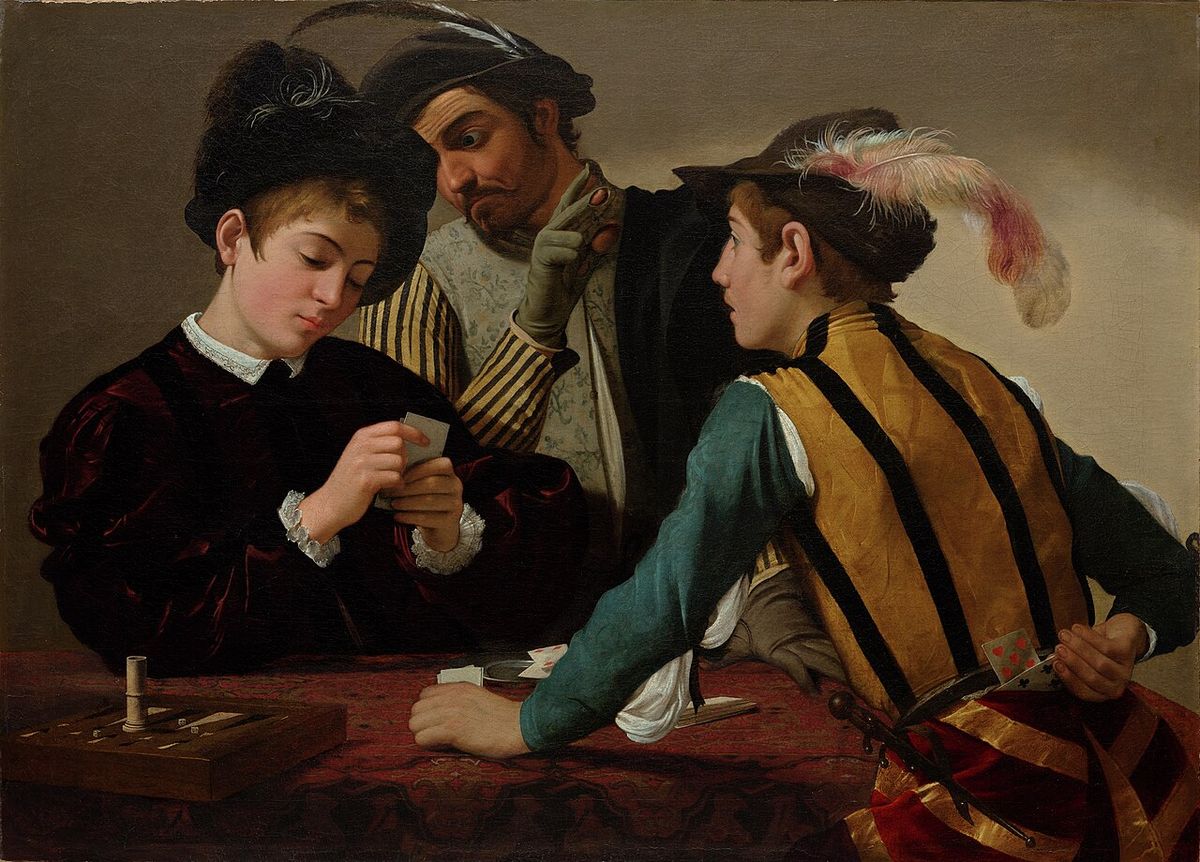
Casino game
A casino game is a game of chance where players wager money or chips on various random outcomes, typically offered in physical casinos or online platforms where gambling is legally permitted. In Canada, these games are a significant part of the regulated entertainment industry, available through provincial operators like the Ontario Lottery and Gaming Corporation (OLG) for adults aged 19 and older, or 18 in Alberta, Manitoba, and Quebec. Casino games are broadly categorized into table games, gambling machines, and random number games, each with distinct mechanics and a built-in mathematical advantage for the house known as the house edge. This edge ensures casino profitability over time while offering players the possibility of short-term gains.
Categories and Types of Casino Games
Casino games are systematically divided into three primary categories based on their operation and player interaction. The first category is table games, which are conducted by live casino employees known as croupiers or dealers and involve players competing directly against the house. Classic examples include blackjack, baccarat, craps, and roulette, each with a set of established rules governing play. Poker variants like Texas Hold'em and Omaha are also offered in casino settings, though players typically compete against each other with the casino earning a commission called a rake. These games can be found in traditional physical layouts or in electronic table game formats, which use digital terminals to simulate the experience.
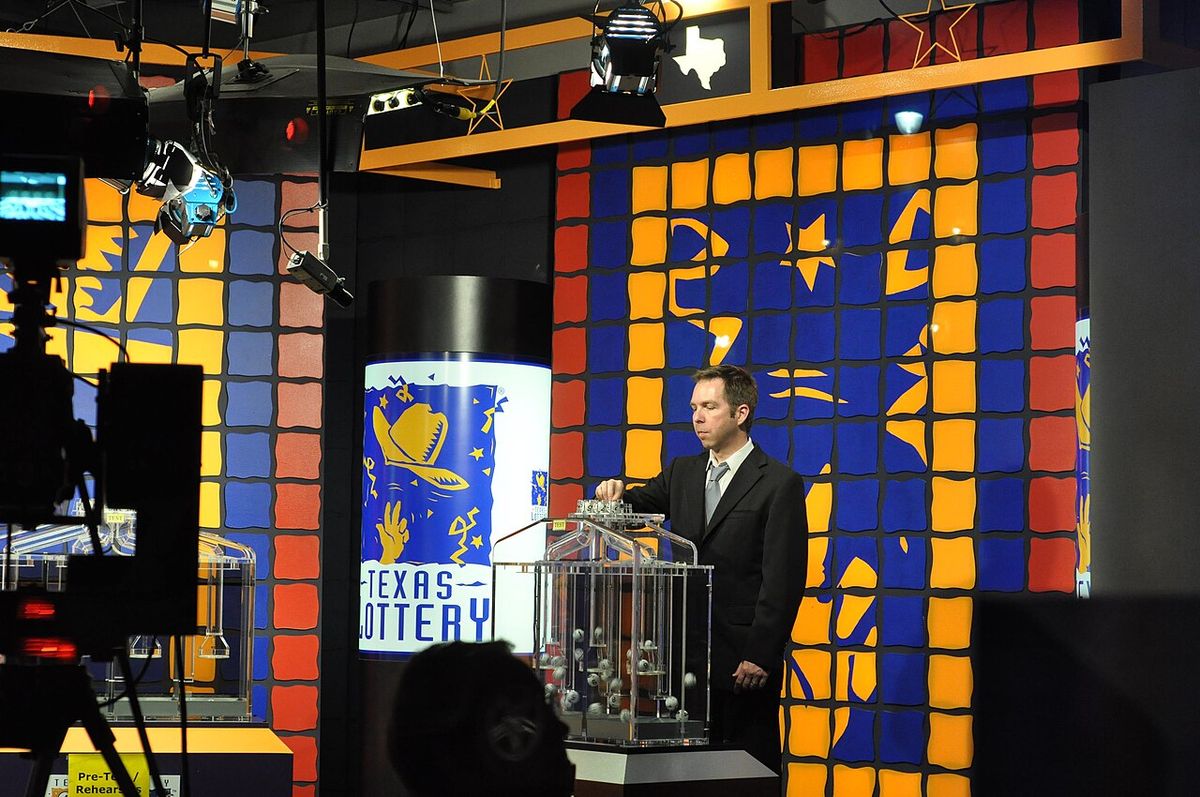
The second major category is gambling machines, which are designed for solo play and operate without direct dealer involvement. This group includes slot machines, which feature spinning reels and various bonus features, and video poker, which combines slot machine mechanics with poker hand rankings. Other machines like video lottery terminals (VLTs) and pachinko also fall under this umbrella, offering self-contained gaming experiences. The third category is random number games, which are based solely on the selection of random numbers from a draw or generator. Keno and bingo are the most common random number games, where players select numbers and hope they match a subsequently drawn set, with prizes awarded for matches. Some games, like roulette, blend categories as they are table games managed by a dealer but fundamentally rely on a random outcome.
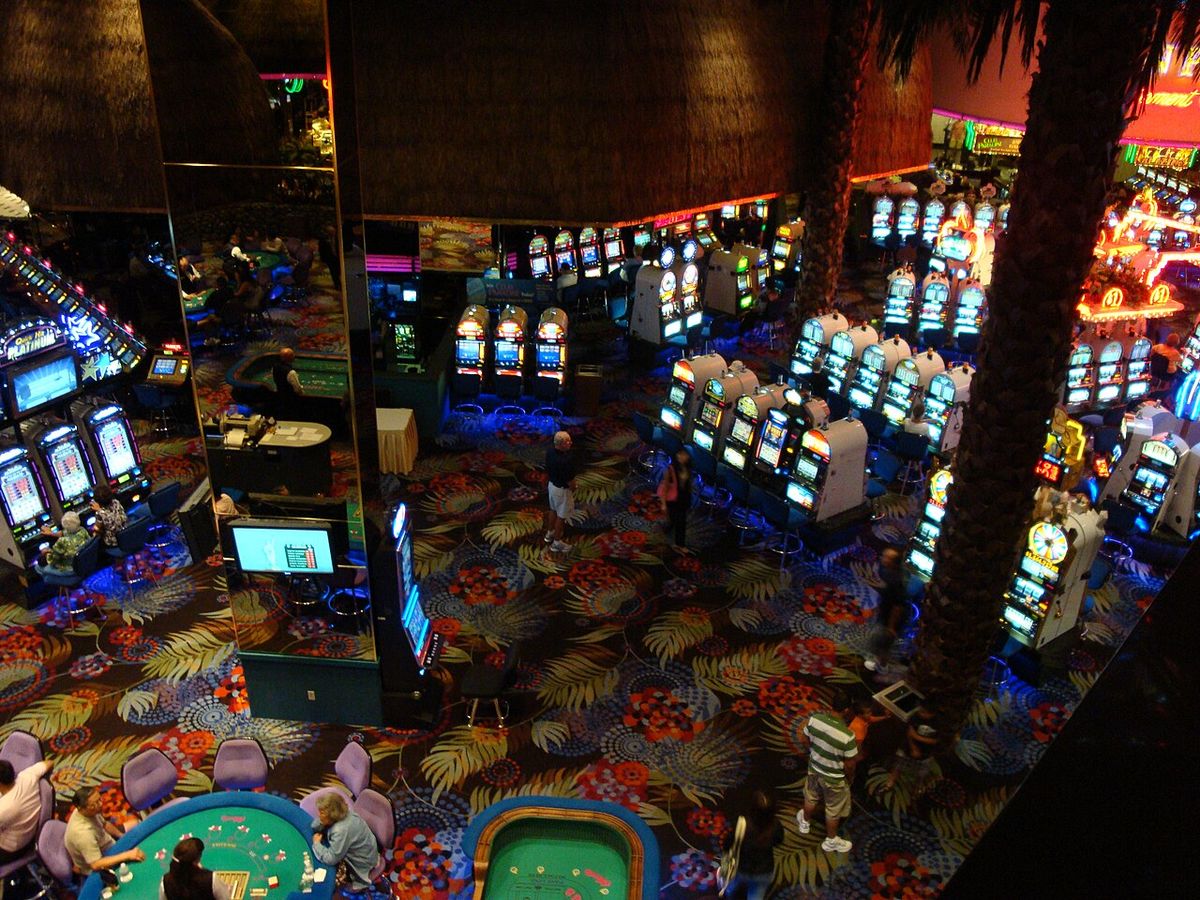
Popular Table Games and Their Mechanics
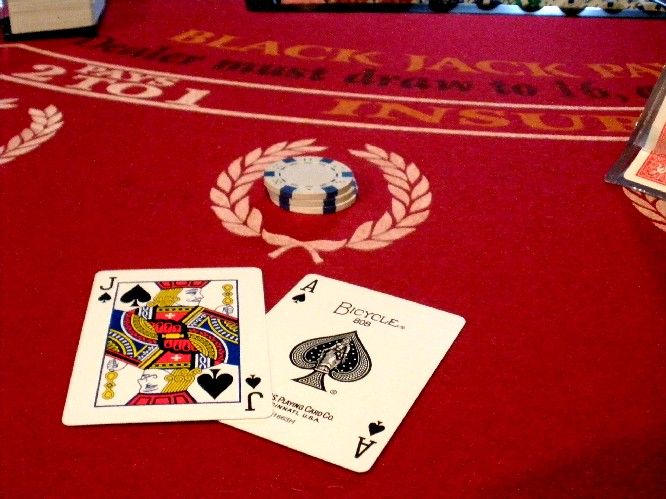
Table games form the core of the traditional casino experience, offering a blend of chance and, in some cases, strategic decision-making. Blackjack is one of the most globally recognized table games, where the objective is to achieve a hand total closer to 21 than the dealer's without exceeding it. Players are dealt cards and can choose to hit, stand, double down, or split pairs based on their hand and the dealer's visible card, making it a game with a significant skill element. Baccarat is another staple, often perceived as a high-stakes game, where players bet on whether the Player hand or the Banker hand will score closer to nine, or on a Tie. The game follows fixed rules for drawing cards, so player decisions after the initial bet are minimal, contributing to its straightforward appeal.
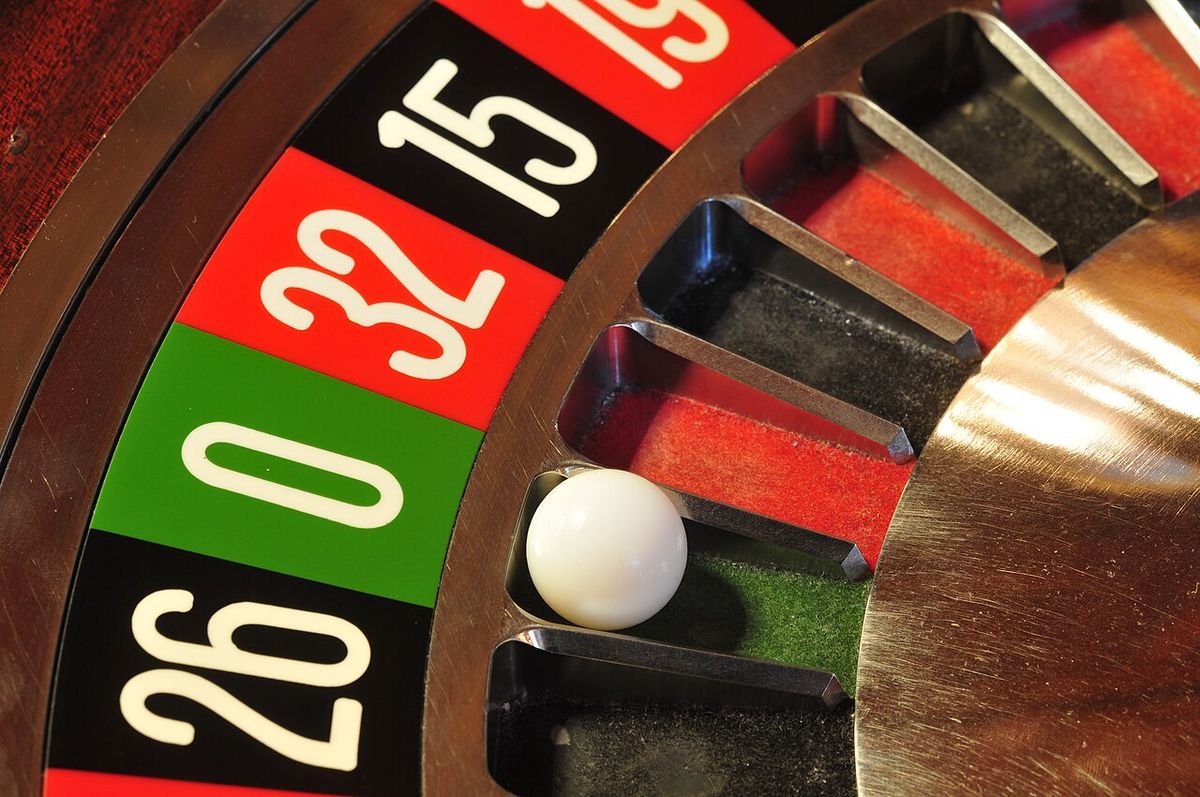
Craps is a dynamic dice game where players wager on the outcome of a roll, or a series of rolls, of two dice. The game features a wide array of betting options, from simple Pass Line bets to more complex proposition bets, creating a lively atmosphere often associated with cheering crowds. Roulette involves a spinning wheel with numbered pockets and a small ball. Players bet on where the ball will land, choosing from options like specific numbers, colours, or ranges of numbers. The house edge differs significantly between American roulette, which has both a single zero and a double zero, and European roulette, which has only a single zero. Poker rooms in casinos typically offer variants where players compete against each other, with popular games including Texas Hold'em, Five-card draw, and Omaha hold'em.
Electronic table games are versions of traditional table games but played on a machine. This can be split into several categories including stadium gaming, heads-up gaming, multiplayer machines, and hybrid games. In a hybrid game, such as craps, the player bets on a terminal at the table but the game is managed by a dealer. This setup uses fewer dealers than the non-hybrid version, which saves costs for the casino. The following list details common poker variants found in casino poker rooms.
- Texas Hold'em: Each player receives two private cards and uses five community cards to make the best hand.
- Five-card draw: Players are dealt five cards and can exchange some for new ones from the deck.
- Omaha hold'em: Similar to Texas Hold'em but each player receives four private cards and must use exactly two of them with three community cards.
The House Edge and Casino Mathematics
The house edge, also called the vigorish, is the fundamental mathematical advantage that ensures a casino's profitability over time. It is expressed as the average casino profit expected from a player's bet, calculated as a percentage of that original wager. This edge exists because casinos do not pay winning bets at true odds, which would be the precise statistical payout reflecting the probability of an event occurring. For example, in a fair game betting on a single die roll, the true odds of guessing the number are 6 to 1, but a casino might only pay 4 to 1, creating its profit margin. The edge varies dramatically between games, with some like blackjack offering a low edge under optimal play, while others like keno can have a house advantage exceeding 20 percent.
Calculating the house edge is straightforward for games like roulette but complex for others, often requiring combinatorial analysis or computer simulation. In American roulette, with 38 pockets (1-36, 0, and 00), a bet on red has 18 winning numbers and 20 losing numbers. The player's expected value is a loss of about 5.26 cents per dollar wagered, making the house edge 5.26%. In contrast, European roulette, with only 37 pockets including a single zero, has a house edge of 2.7% for similar even-money bets. For skill-influenced games like blackjack, the house edge is defined against a player using perfect basic strategy without advanced techniques like card counting. Under common rule sets, the blackjack house edge typically ranges from 0.5% to 2%, making it one of the lowest-edge games available.
The table below illustrates the house edge for several common casino games. Standard deviation is the statistical measure of volatility or luck factor in a casino game, quantifying how much results can vary from the expected average in the short term. Games with high standard deviations, like many slot machines, can produce large short-term payouts. As the number of game rounds increases, the expected loss, which is proportional to the number of rounds, will always outpace the standard deviation, which grows at a slower rate. Casinos employ gaming mathematicians and analysts to calculate both the house edge and variance for all their games, ensuring they maintain adequate cash reserves to cover potential payout fluctuations while guaranteeing long-term profitability.
| Game | Typical House Edge | Notes |
|---|---|---|
| Blackjack (with basic strategy) | 0.5% - 2% | Varies with specific rules like number of decks and dealer actions on soft 17. |
| European Roulette | 2.7% | Based on a single-zero wheel. |
| American Roulette | 5.26% | Higher edge due to the additional double-zero pocket. |
| Slot Machines | 2% - 15%+ | Highly variable. Return-to-player (RTP) percentages are often undisclosed. |
| Keno | 20% - 25%+ | Among the highest house edges in the casino. |
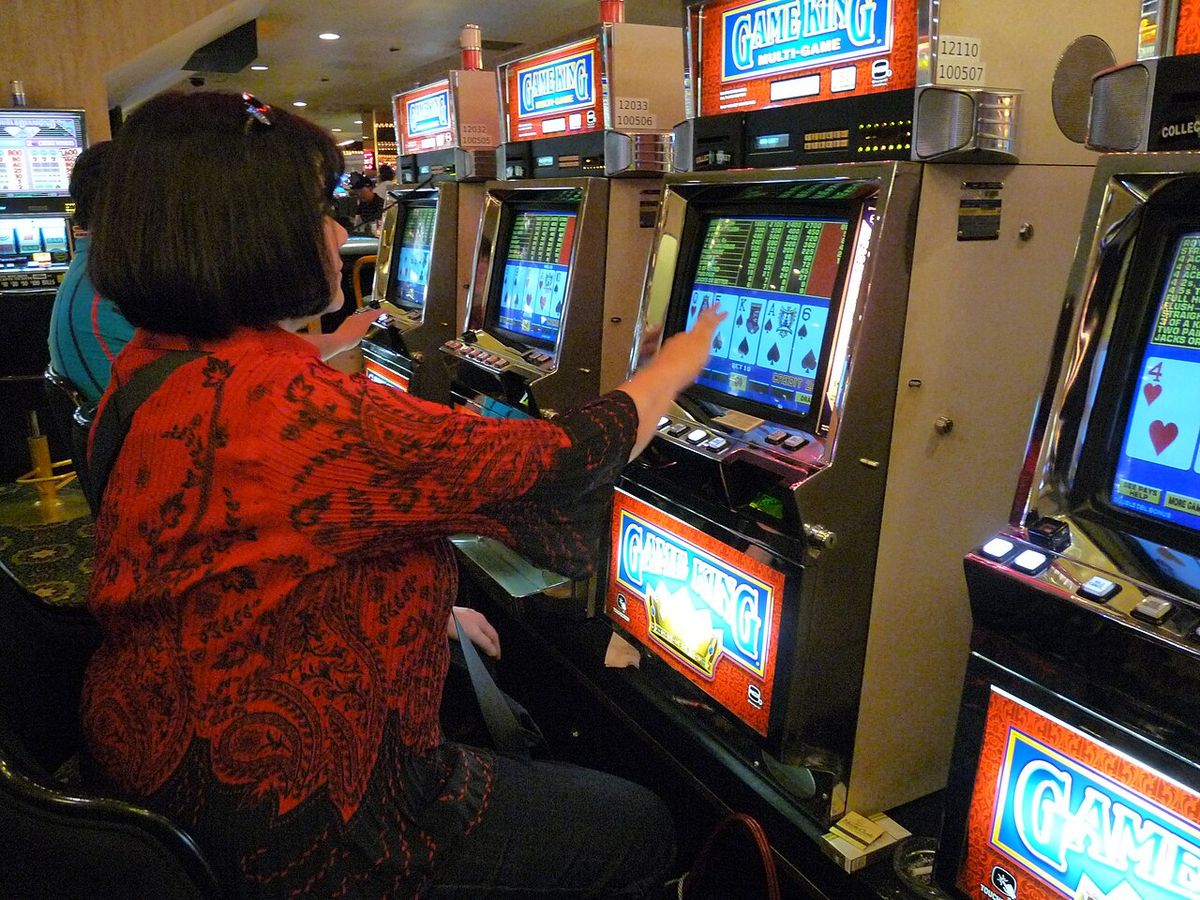
The Rise of Online and Electronic Casino Gaming
The digital transformation of casino gaming has made a vast array of games accessible from home via computers, smartphones, and tablets. In regulated markets like Ontario, the provincial operator OLG provides a secure online platform offering popular games such as slots, blackjack, roulette, and baccarat to adults aged 19 and over. Online casinos feature thousands of titles, including classic table games, innovative slot machines with complex bonus rounds, and live dealer games that stream real croupiers from a studio. The online environment also fosters new game categories like crash games, instant-win games, and game show-style offerings, which are grouped under specialty games.
Electronic table games (ETGs) and stadium gaming represent a hybrid model, blending the efficiency of machines with the social aspect of table games. In stadium setups, multiple players sit at individual terminals surrounding a central gaming table where a live dealer conducts the game. Players place bets electronically but watch the physical action unfold. Video poker remains a staple electronic game, requiring players to make strategic decisions about which cards to hold in pursuit of winning poker hands. For responsible engagement, reputable online platforms provide demo versions of games, allowing players to try them for free without wagering real money. These platforms also implement security measures like SSL encryption to protect user data and transactions, ensuring a safe gaming environment.
Skill, Strategy, and Advantage Play
While most casino games are primarily games of chance, a subset incorporates a skill element where player decisions can influence the outcome. Blackjack is the foremost example, where employing a mathematically derived basic strategy can significantly reduce the house edge to its minimum level. Basic strategy charts provide the optimal play for every possible player hand against every possible dealer up-card, considering rules like the number of decks used and whether the dealer hits or stands on a soft 17. Players who deviate from basic strategy inadvertently increase the house advantage, reducing their chances of winning in the long run.
Advantage play refers to methods that seek to eliminate or reverse the house edge, with card counting in blackjack being the most famous technique. By tracking the ratio of high to low cards remaining in the deck, skilled counters can identify situations where the player has a statistical advantage and increase their bets accordingly. In optimal conditions, card counting can give the player an edge of up to about 2% over the house. Other forms of advantage play involve identifying specific rule variations or promotional offers that are mathematically favourable. Video poker also has a skill component, as optimal strategy varies based on the game's paytable, and knowing which cards to hold is crucial for maximizing the return. However, casinos design their games and policies to mitigate advantage play, and such activities are often discouraged or prohibited within their establishments.
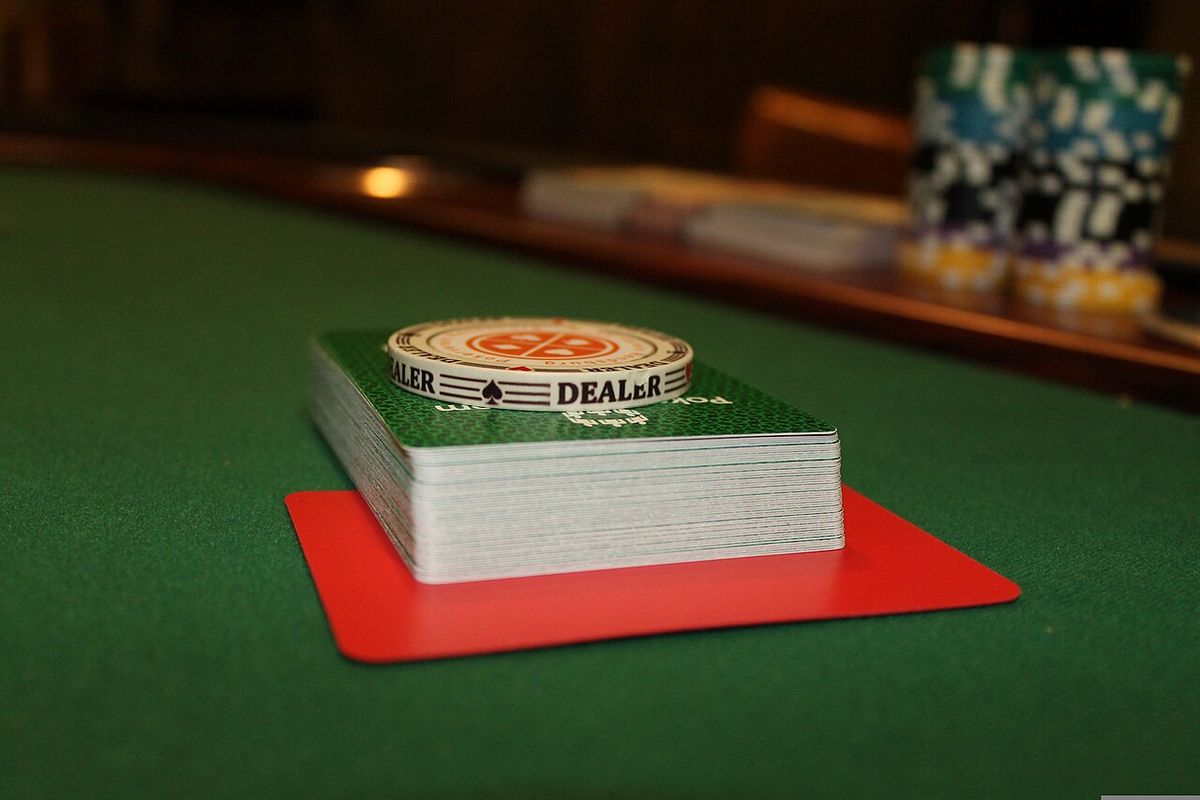
Regulation and Responsible Gambling in Canada
Casino gaming in Canada is regulated at the provincial level, with each province establishing its own rules, legal age of majority, and governing bodies. In Ontario, the Alcohol and Gaming Commission of Ontario (AGCO) regulates the sector, and the Ontario Lottery and Gaming Corporation (OLG) is a primary operator for both lottery and online casino games. The legal age for casino gambling is 19 in most provinces, including Ontario, British Columbia, and Nova Scotia, while it is 18 in Alberta, Manitoba, and Quebec. These regulatory frameworks ensure that games are fair, operators are accountable, and player protections are in place.
Responsible gambling is a critical component of the legal gaming environment, with operators required to provide tools and resources to help players manage their activity. These tools can include deposit limits, time-out periods, self-exclusion programs, and links to support organizations. Provincial help lines, such as ConnexOntario, offer free and confidential support for individuals concerned about their gambling or that of someone they know. Online platforms like OLG.ca clearly state that their games are intended for adult entertainment and emphasize that gambling is not a solution to financial problems. Players are encouraged to set budgets, understand that the house always has an edge in the long run, and view gambling as a form of paid entertainment rather than a source of income. The following list details common types of gambling machines found in casinos. These machines operate without dealer involvement and are designed for individual play. They are a major source of revenue for casinos and are subject to strict regulatory oversight in Canada to ensure fairness and integrity.
- Slot Machine: A machine with spinning reels where winning combinations of symbols yield payouts.
- Video Poker: An electronic game where players try to build the best poker hand from dealt cards.
- Video Lottery Terminal (VLT): A standalone electronic gambling machine often regulated by a provincial lottery corporation.
- Pachinko: A mechanical game originating in Japan, blending elements of pinball and slots.
Questions about Casino game
What is the house edge in blackjack?
The house edge in blackjack is the casino's statistical advantage over players who use perfect basic strategy. It typically ranges between 0.5% and 2%, depending heavily on the specific rules of the game. Factors that influence the edge include the number of decks used, whether the dealer hits or stands on a soft 17, and the availability of options like doubling after splitting or surrender. This relatively low edge makes blackjack one of the most favourable table games for players, though it does not guarantee short-term wins.
What is the difference between American and European roulette house edge?
The key difference lies in the wheel layout, which directly affects the house edge. American roulette wheels have 38 pockets: numbers 1 through 36, a single zero (0), and a double zero (00). This extra double zero increases the house edge on even-money bets to 5.26%. European roulette wheels have only 37 pockets: numbers 1 through 36 and a single zero (0), resulting in a lower house edge of 2.7% for the same bets. Therefore, all else being equal, European roulette offers better odds for the player.
Can you play casino games online legally in Canada?
Yes, online casino gaming is legal in Canada through provincially regulated platforms. In Ontario, the Ontario Lottery and Gaming Corporation (OLG) operates OLG.ca, a secure website and app offering a wide variety of online casino games to residents aged 19 and over. Other provinces have their own regulatory frameworks and operators. These regulated sites ensure game fairness, use certified random number generators, and provide responsible gambling tools. Players must be within the provincial borders and meet the age requirement to play for real money.
What casino game has the lowest house edge?
Blackjack, when played with perfect basic strategy, typically offers the lowest house edge among common casino games, often as low as 0.5% under favourable rule sets. Certain bets in other games also have low edges. Some casino games have an edge as low as 0.3%, such as specific bets in baccarat or craps. Video poker games, when played with optimal strategy, can sometimes offer a house edge below 1% as well.
What are live dealer casino games?
Live dealer games are online casino games that stream a real human dealer from a studio or casino floor to players' devices in real time. Players can watch the dealer shuffle cards, spin a roulette wheel, or deal baccarat hands via a high-definition video feed. They place their bets electronically on their screen, and the dealer executes the game using physical equipment. This format bridges the gap between online convenience and the authentic atmosphere of a land-based casino. Popular live dealer games include blackjack, roulette, baccarat, and game show-style offerings.
How is the house edge calculated for games like slots?
For slot machines and similar electronic gaming machines, the house edge is derived from the game's programmed paytable and the probability of each symbol combination appearing on the reels. It is expressed as the percentage of all wagered money the game is expected to keep over an extended period, often called the return to player (RTP). Calculating the exact edge is complex because the weighting of each virtual reel and the number of symbols per reel are usually not disclosed by manufacturers. Independent researchers and some online casinos now publish RTP percentages, which reveal the house edge indirectly.
Sources and further reading
- Casino game (Wikipedia)
- Online Casino Canada | Best Ontario Casino App 2026 | OLG (olg.ca)
- Top 10 Casino Games Online: Best Games to Play in 2026 (rotowire.com)
- Safe Online Casinos to Play in the US 2026 (pokerstrategy.com)
- What is the Actual House Edge on Blackjack? (wizardofvegas.com)
Checked by the Nosy Mag desk. Last updated 2026-11-11.