Skip-Bo
Skip-Bo is a commercial sequencing card game where players race to deplete a personal stock pile by building ascending numerical sequences from 1 to 12. Created in 1967 by Minnie Hazel "Skip" Bowman of Texas, the game was acquired by International Games in 1980 and later by Mattel in 1992. The game uses a specialized deck of 162 cards that includes numbered cards and wild Skip-Bo cards. Suitable for 2 to 6 players aged 7 and up, Skip-Bo is a family game with digital versions available on major app stores.
Origins and Commercial History
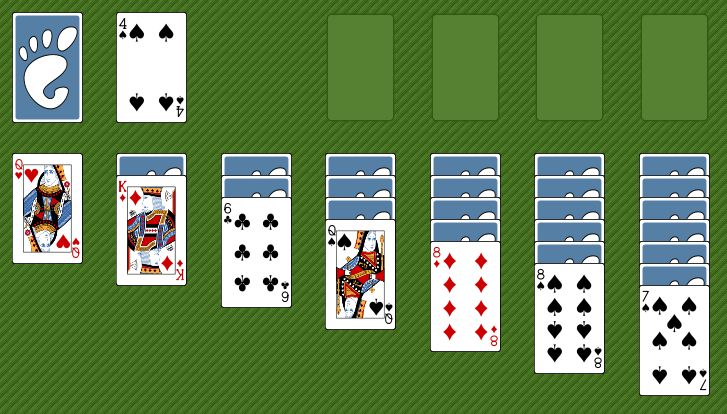
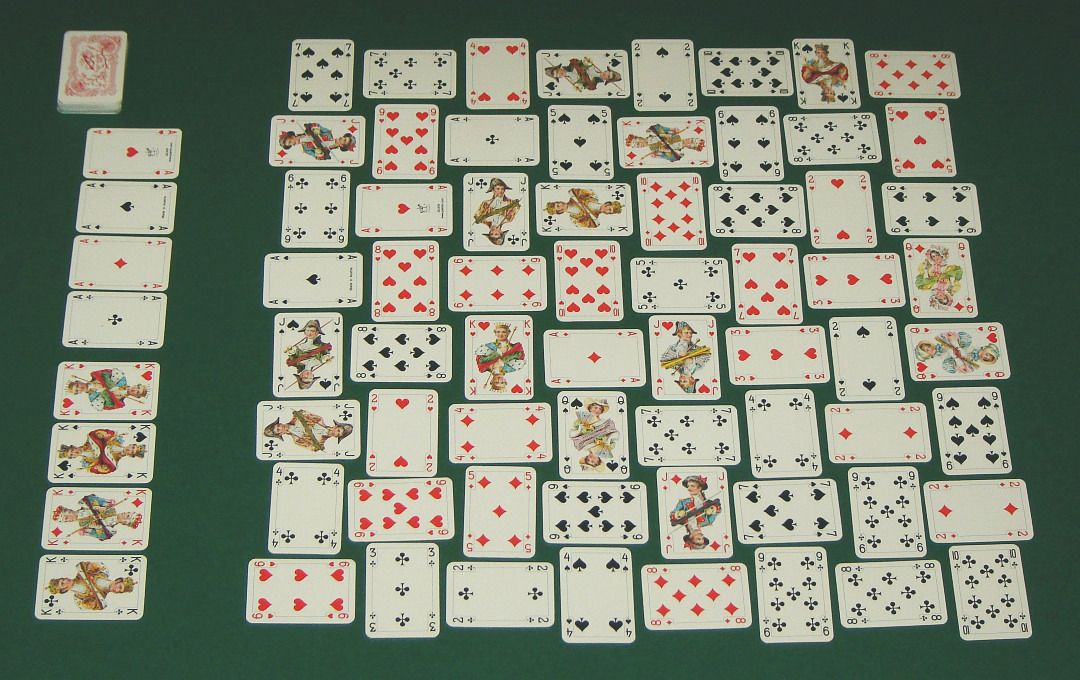
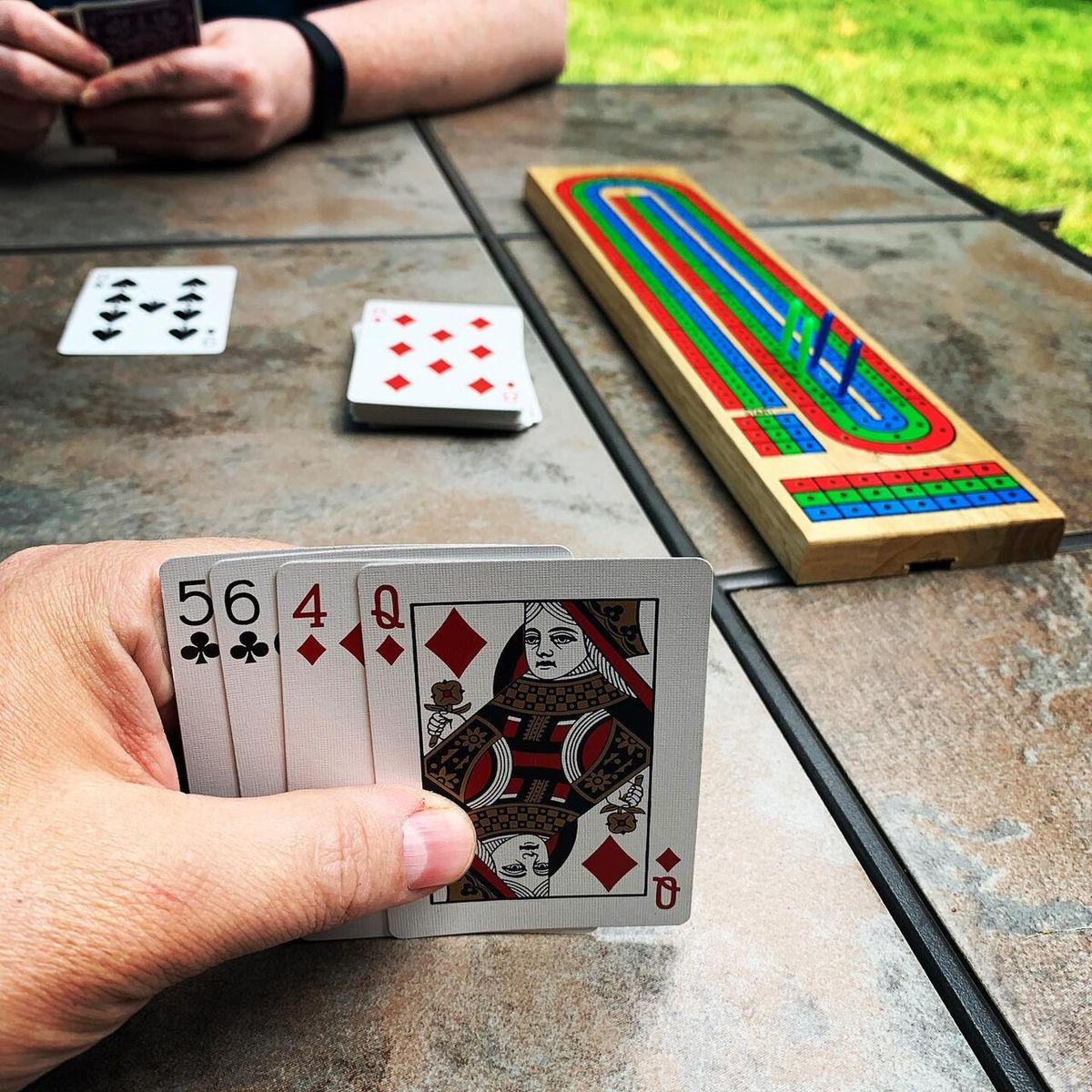
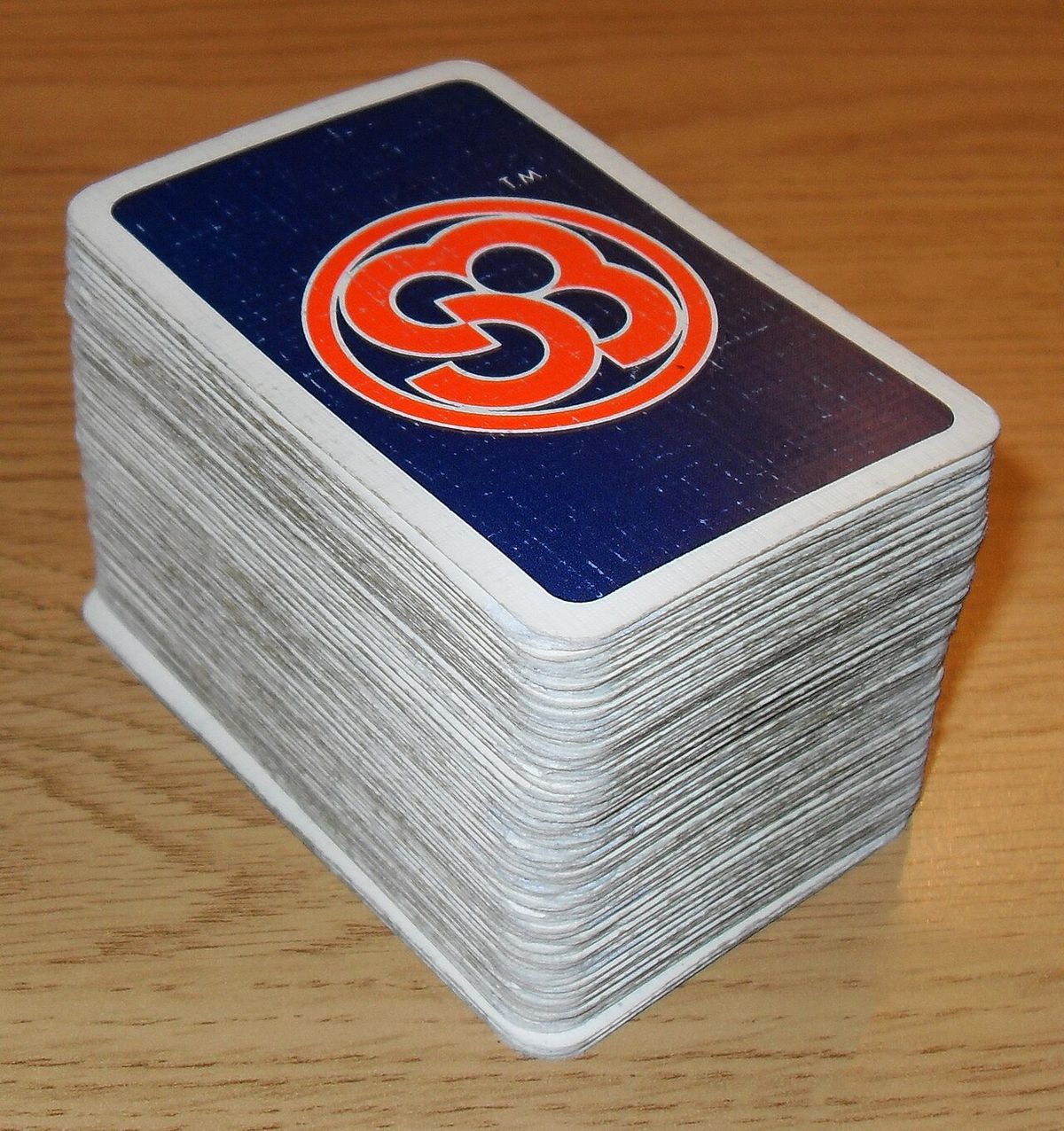
The game Skip-Bo is a commercial version of the card game Spite and Malice, a derivative of Russian Bank, also known as Crapette or Tunj, which in turn originates from Double Klondike, also called Double Solitaire. In 1967, Minnie Hazel "Skip" Bowman (1915 to 2001) of Brownfield, Texas, began producing a boxed edition of the game under the name SKIP-BO. Before 1980, the commercial game consisted of four decks of regular playing cards with eight SKIP-BO cards replacing the standard two jokers in each deck. In addition, the aces, twos and threes in the fourth deck were marked SKIP-BO. The remainder of the fourth deck was discarded. The rights to the game were purchased in 1980 by International Games, which was subsequently bought by the global toy and game giant Mattel in 1992. The game has seen various packaging updates over the decades, including a new version called "SKIP-BO" that comes in a green, white and yellow case. The game continues to be sold in a distinctive case often featuring blue, green, red, and yellow colour schemes.
Game Components and Setup
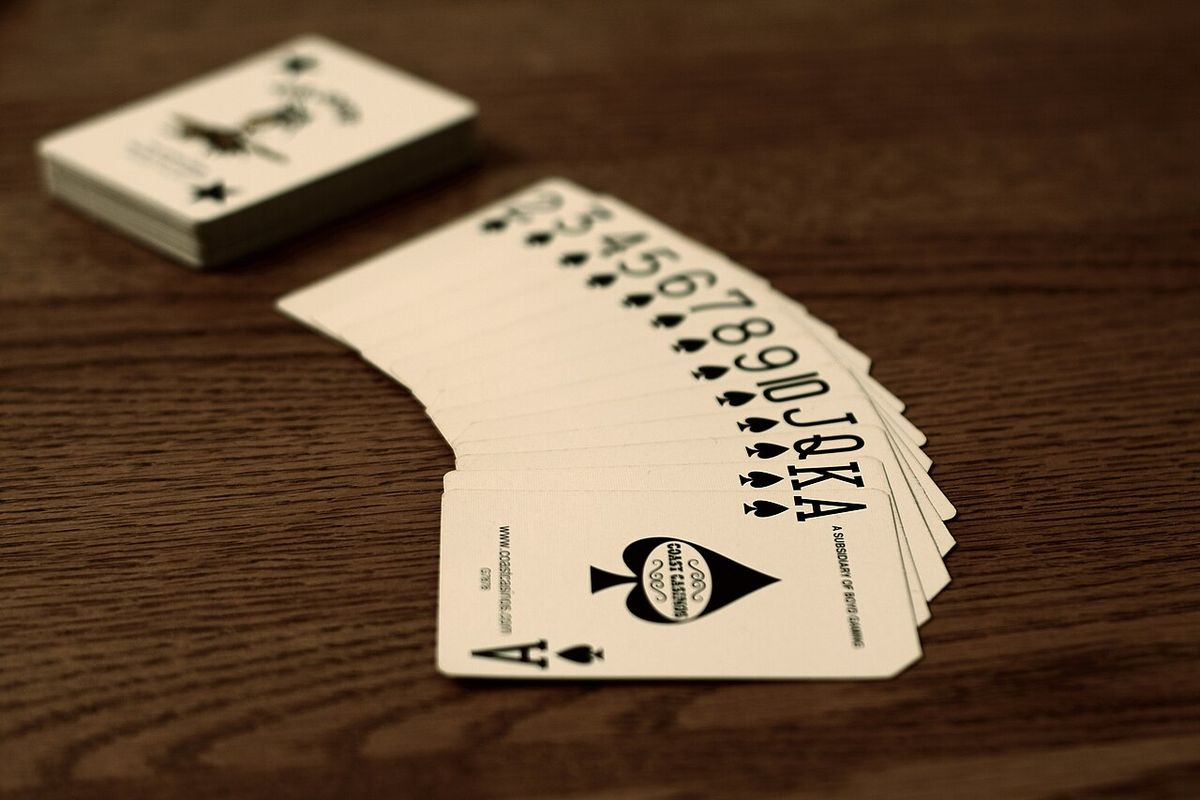
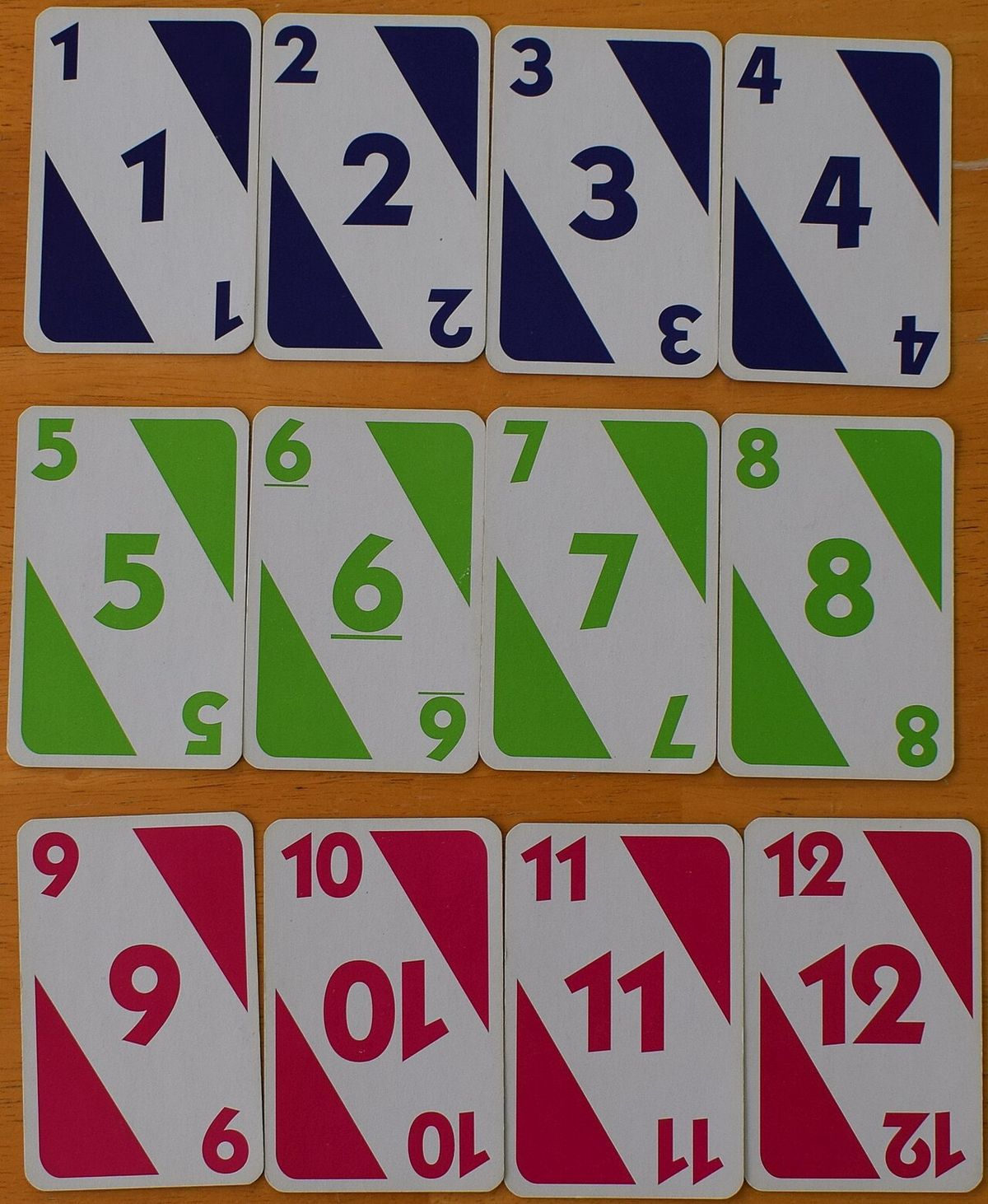
A standard Skip-Bo deck contains a total of 162 cards. This comprises twelve cards for each number from 1 through 12, resulting in 144 numbered cards. The deck is completed with eighteen special "Skip-Bo" cards which function as wild cards and can represent any number from 1 to 12 during play. Alternatively, the 162 cards could be three regular decks of playing cards, including the jokers, with ace to queen corresponding to 1 to 12 and the kings and jokers corresponding to the SKIP-BO cards. The cards come in blue, green, and red. To set up the game, one player shuffles the entire deck to form a central draw pile placed face down in the middle of the play area. Each player is then dealt a personal stock pile, which is a face-down stack of cards. The recommended number is 30 cards for a full game, though 10 to 15 cards can be used for a faster round. Only the top card of a player's stock pile is turned face up and visible. Finally, each player draws a starting hand of five cards from the draw pile to begin play. The player with the middle age goes first.
Rules and Gameplay
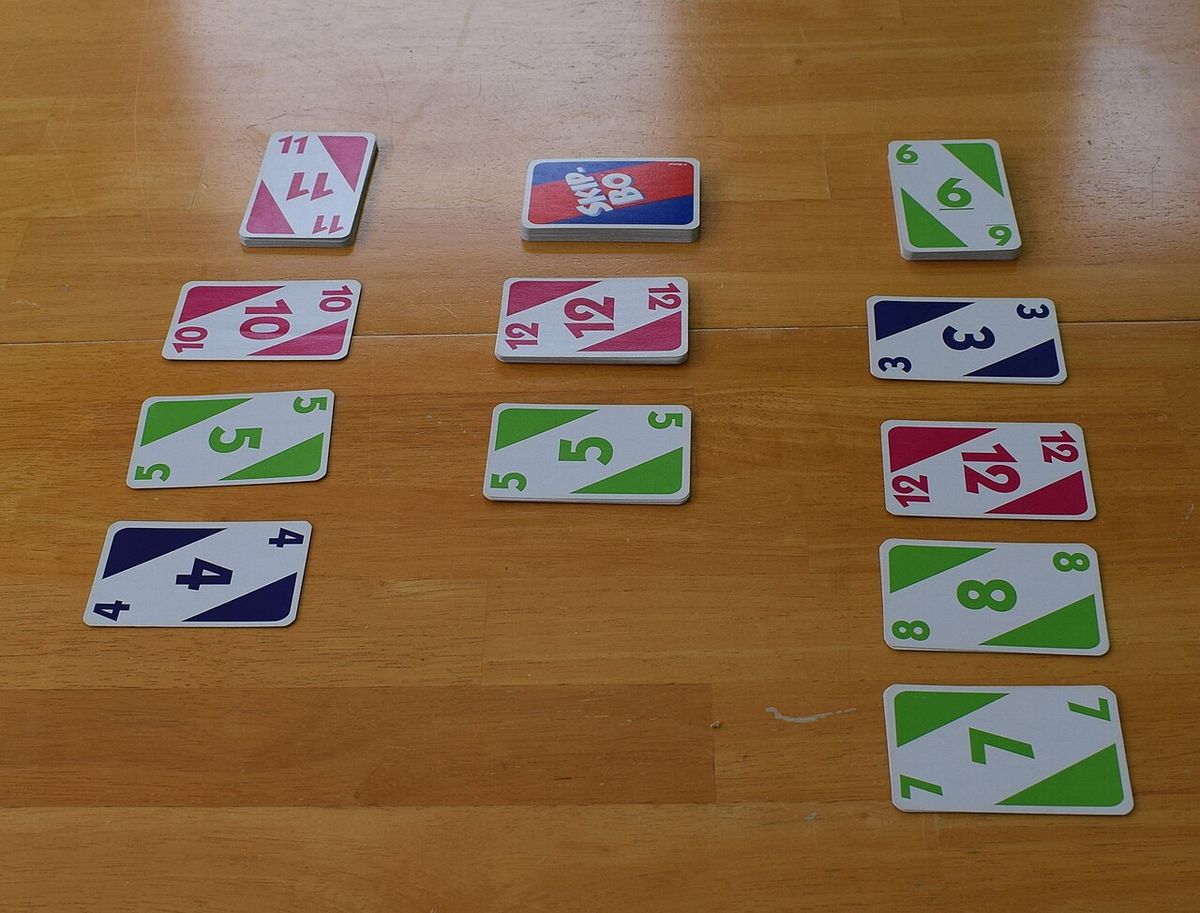
The primary objective of Skip-Bo is to be the first player to play all cards from their personal stock pile. Play occurs in a shared central area where up to four build piles can be started. A build pile must begin with either a number 1 card or a wild Skip-Bo card played as a 1. Players then sequentially add cards in ascending order (2, 3, 4, and so on) up to 12 on these shared piles. A player's turn consists of drawing until they have five cards in hand, though there are cases of not drawing more cards to equal five cards, instead doing a draw of a certain number of cards. The active player then attempts to play cards to the build piles. Cards can be played from the player's hand, from the face-up top card of their own stock pile, or from the top card of any of their four personal discard piles. A Skip-Bo wild card can be played as any needed number. If a player manages to play all five cards from their hand, they immediately draw five new cards and may continue playing. When a player can make no more plays, they must end their turn by discarding one card from their hand onto one of their four discard piles, either starting a new pile or placing it on top of an existing one. Play then passes to the next player. When a build pile successfully reaches a 12 card, it is removed from the play area, clearing that space for a new build pile to be started. The game concludes immediately when one player plays the final card from their stock pile.
- Draw cards from the central pile until you have five cards in hand.
- Play cards from your hand, stock pile top card, or discard pile tops to the build piles in ascending sequence.
- If you play all five cards from your hand, draw five more and continue playing.
- When no more plays are possible, discard one card to a personal discard pile.
- Your turn ends and play passes clockwise to the next player.
Strategic Considerations and Player Counts
While the rules of Skip-Bo are simple to grasp, effective play requires thoughtful strategy. Managing multiple discard piles is crucial, as they serve as accessible reservoirs of cards for future turns. Players must decide whether to play a useful card immediately or strategically place it on a discard pile for later use. The decision of when to use a valuable Skip-Bo wild card can dramatically alter the game's flow, as it can break a deadlock or accelerate a sequence. Clearing one's hand to trigger a draw-five and continue playing is a powerful tactic that can lead to long, game-changing turns. The game accommodates 2 to 4 people as individuals. For larger groups or a team dynamic, the rules support partnership play for six or more players divided into teams of two or three. In partnership play, each partnership has two stock piles and two sets of four discard piles regardless of the number of individuals per partnership. The active player can use their partner's stock and discard piles in addition to their own. The active player's partner must remain silent. The game's length can be easily adjusted for younger players or shorter sessions by dealing smaller stock piles of 10 to 15 cards instead of the standard 30.
- Build diverse discard piles with different numbers to maintain flexibility.
- Use Skip-Bo wild cards strategically to unlock stalled build piles or to complete a sequence.
- Aim to clear your hand to draw five new cards and extend your turn.
- Monitor opponents' stock and discard piles to anticipate their moves.
- In partnerships, silently observe your partner's piles to coordinate plays without speaking.
- Control the game length by adjusting the initial stock pile size.
Scoring and Game Variations
For casual play, a single game is often sufficient, with the first player to empty their stock pile declared the winner. When playing a series of matches or for tournament-style play, two common scoring methods are used. The simplest is to track wins across multiple rounds. The more formal method involves a points system. Under this system, the winner of a round receives a base of 25 points for the victory. They earn 5 points for every card remaining in each of their opponents' stock piles at the moment they go out. Players then keep a running total of their points across games. The overall match winner is the first player to reach or exceed a predetermined point threshold, with 500 points being the standard goal. This scoring method rewards not only winning but also winning decisively when opponents still hold many cards. The partnership variation follows the same scoring rules, with points awarded to the winning team.
| Scoring Component | Point Value |
|---|---|
| Winning the round | 25 points |
| Each card left in an opponent's stock pile | 5 points per card |
| Standard match-winning threshold | 500 points |
Digital Adaptations and Availability
Skip-Bo has successfully transitioned into the digital era. Various electronic handheld versions have been released over the years. A major licensed mobile application is published by Mattel163, a joint venture, and is available for download on both the Apple App Store for iOS devices and the Google Play Store for Android devices. This digital version was first released for iOS by Magmic in September 2013. The app faithfully recreates the card game, allowing for solo play against AI opponents or online multiplayer matches. The physical card game remains widely available for purchase across Canada at major toy retailers, department stores, and online marketplaces. It is consistently marketed as a family strategy game, highlighting its accessibility and social play value. The game is packaged with 162 cards and a rulebook, and is designed for 2 to 6 players ages 7 and up.
Reception and Cultural Impact
Skip-Bo has maintained steady popularity for over five decades, praised for being straightforward enough for children as young as 7 to play, yet engaging enough for adults. Customer reviews frequently highlight its value as a family game night staple, noting its similarity in addictive, easy-to-learn quality to other card games. The game is often described as having the right balance of luck and strategy, where skillful management of discards and wild cards can influence the outcome. Its portability and adjustable play length via stock pile size contribute to its enduring appeal. The game has been reviewed in publications such as the French games magazine Jeux & Stratégie. As a Mattel product, it benefits from the company's extensive distribution network, ensuring its continued presence in the card game aisle alongside other classics, securing its status as a familiar and beloved sequencing game in Canadian homes.
Questions about Skip-Bo
What is the goal of the Skip-Bo card game?
The goal of Skip-Bo is to be the first player to deplete their entire personal stock pile of cards. Players achieve this by playing cards from their stock, hand, or discard piles onto up to four shared build piles in the centre. These build piles must be sequential, starting with a 1 or a Skip-Bo wild card played as a 1, and ascending numerically to 12. The game ends immediately when a player plays the last card from their stock pile.
How many cards are in a Skip-Bo deck and what are they?
A standard Skip-Bo deck contains 162 cards. This includes 144 numbered cards, specifically twelve copies of each number from 1 through 12. The remaining 18 cards are special "Skip-Bo" wild cards. These wild cards can be played as any number from 1 to 12 during the game. Alternatively, the deck can be simulated with three regular decks of playing cards, with aces to queens as numbers 1-12 and kings and jokers as wild cards.
Can you play Skip-Bo online or as a solitaire game?
Yes, there is a licensed digital version of Skip-Bo available. The mobile app, published by Mattel163, can be downloaded from the Apple App Store and Google Play Store. This app allows for gameplay against computer opponents or other players online. The game is derived from solitaire-style games like Double Klondike, but the classic rules are designed for two or more players.
What is the difference between Skip-Bo and UNO?
Skip-Bo and UNO are both published by Mattel but are different types of card games. UNO is a shedding-type game where players match colours or numbers to get rid of cards from their hand. Skip-Bo is a sequencing game where players build shared ascending piles from 1 to 12 using cards from a personal stock pile, hand, and discard piles. Skip-Bo involves more strategic planning around multiple discard piles and sequence building.
How do you score points in Skip-Bo?
In a single round, the first player out wins. For series play, a points system is common. The winner of a round earns 25 points for the win. They also earn an additional 5 points for every card left in the stock piles of all their opponents. Players keep a cumulative score, and the first player to reach 500 total points wins the overall match.
Is Skip-Bo suitable for young children?
Yes, Skip-Bo is recommended for players ages 7 and up. The rules are considered simple and straightforward to learn. The game helps with number recognition and basic sequencing skills. The play length can be easily adjusted for shorter attention spans by dealing a smaller stock pile of 10 to 15 cards instead of the full 30, making it a flexible choice for family play.
Sources and further reading
- Skip-Bo (Wikipedia)
- Mattel Games Skip BO Card Game (amazon.ca)
- Skip Bo Card Game (playwithsanders.ca)
- Mattel Games 42050 Skip Bo Jeu de cartes (amazon.ca)
Checked by the Nosy Mag desk. Last updated 2026-11-10.