Rummy
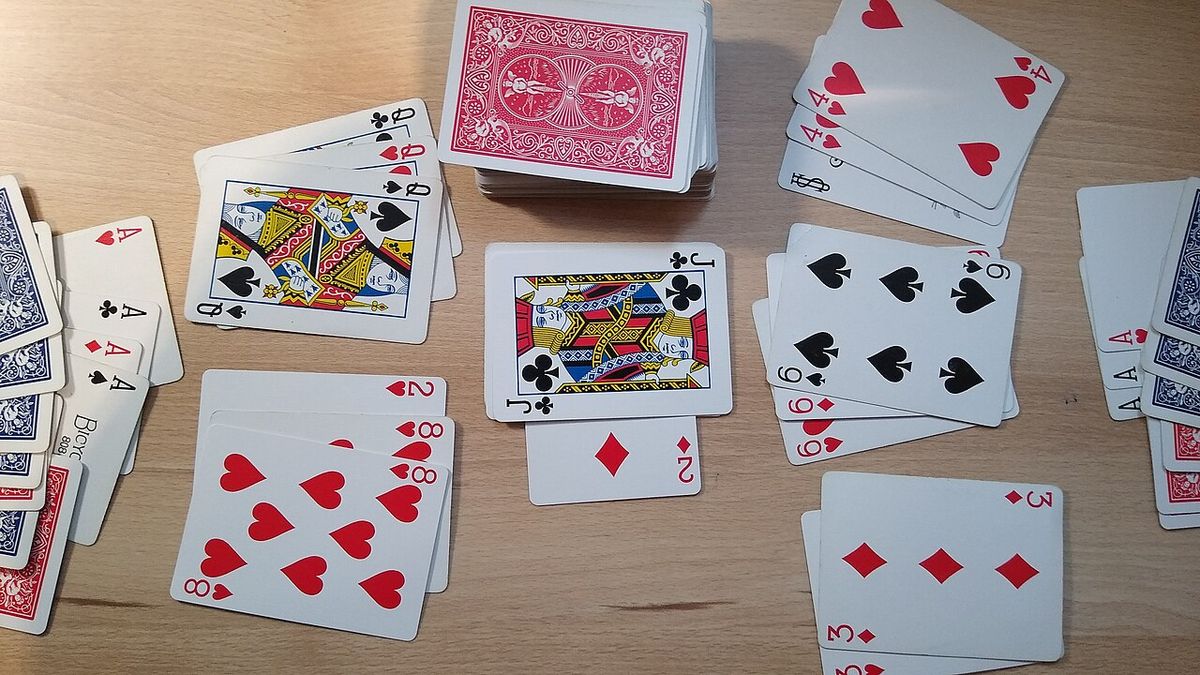
Rummy is a group of card games related by matching cards of the same rank or sequence and same suit. The basic goal is to build melds which are either sets of three or four of a kind, or runs of three or more sequential cards of the same suit. Players aim to be first to go out or to amass more points than the opposition. The historical roots are subject to two primary theories, attributing origins to either Mexico around the 1890s or to Asia in the nineteenth century. Rummy variations like Gin Rummy and Canasta became popular in the twentieth century. In Canada, these games remain a popular pastime for family gatherings and strategic competition.
Origins and Historical Development
The historical roots of rummy are subject to two primary theories, both pointing to origins in the 19th century. One theory attributes the game's invention to Mexico around the 1890s, descending from a game called Conquian which was first documented in 1852 and played with a 40-card Spanish deck. The other theory suggests an Asian origin, proposing that rummy evolved from a Chinese Mahjong variant named Kun P'ai, which was Westernized as Khanhoo by W.H. Wilkinson in 1891. Games scholar David Parlett has combined these theories, proposing that the Mexican Conquian is ancestral to all rummy games and is itself equivalent to the Chinese Khanhoo.
The rummy principle of drawing and discarding with a view to melding appears in Chinese card games at least in the early 19th century, and perhaps as early as the 18th century. Several theories about the name 'rummy' exist, including British slang 'rum' (meaning odd), the game Rum Poker, or the alcoholic beverage. The family of games proliferated in the 20th century, with Gin Rummy and Canasta achieving widespread popularity in North America. Gin Rummy was created around 1911 by a New York bridge player named Elwood T. Baker, and the game was christened 'Gin' by Baker’s son, Graham, after the drink.
Rummy variations like 500 Rum and Indian Rummy, which likely extended from American games, also gained significant followings in different regions. Indian rummy is likely an extension of gin rummy and 500 rum from the United States. These games spread through social play and later through digital platforms. Their enduring appeal lies in the blend of simple rules and strategic depth.
Core Gameplay Mechanics and Rules
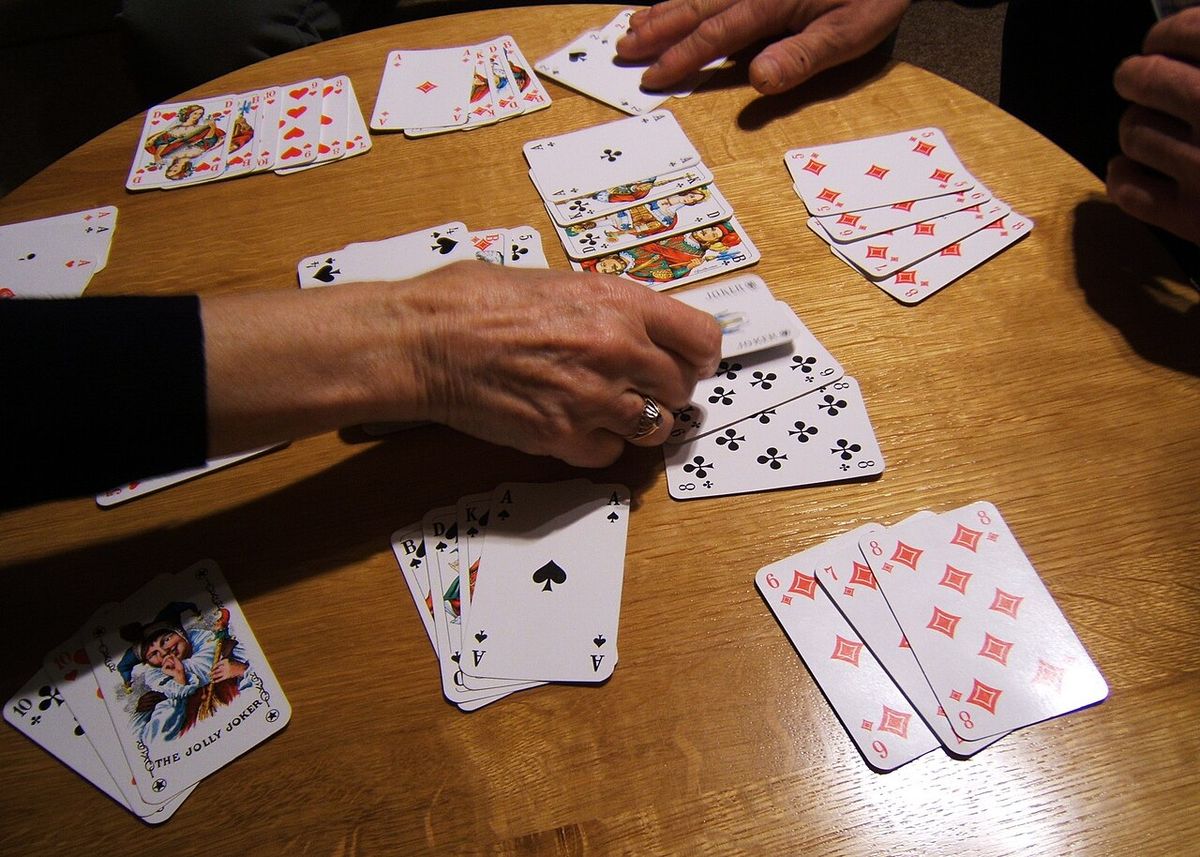
All rummy games share a common structure of dealing, drawing, melding, and discarding. The game begins with a dealer shuffling a standard 52-card deck, and for more than three players, a second deck is often used. The number of cards dealt to each player varies by the specific game and number of participants. In 10 Cards Rummy, often played with two, three or four players, each player gets ten cards.
For five players, each player is given six cards. In 500 Rummy, each player is given seven cards. In Indian Rummy, 13 cards are dealt to each player. The remaining cards form a face-down stock pile, and the top card of the stock is turned face up to begin the discard pile.
Play proceeds clockwise, with each player beginning their turn by drawing one card, either the top card from the stock or the top card from the discard pile. After drawing, a player may lay down melds onto the table. A player ends their turn by discarding one card face-up onto the discard pile. The primary objective is to be the first player to get rid of all cards in hand.
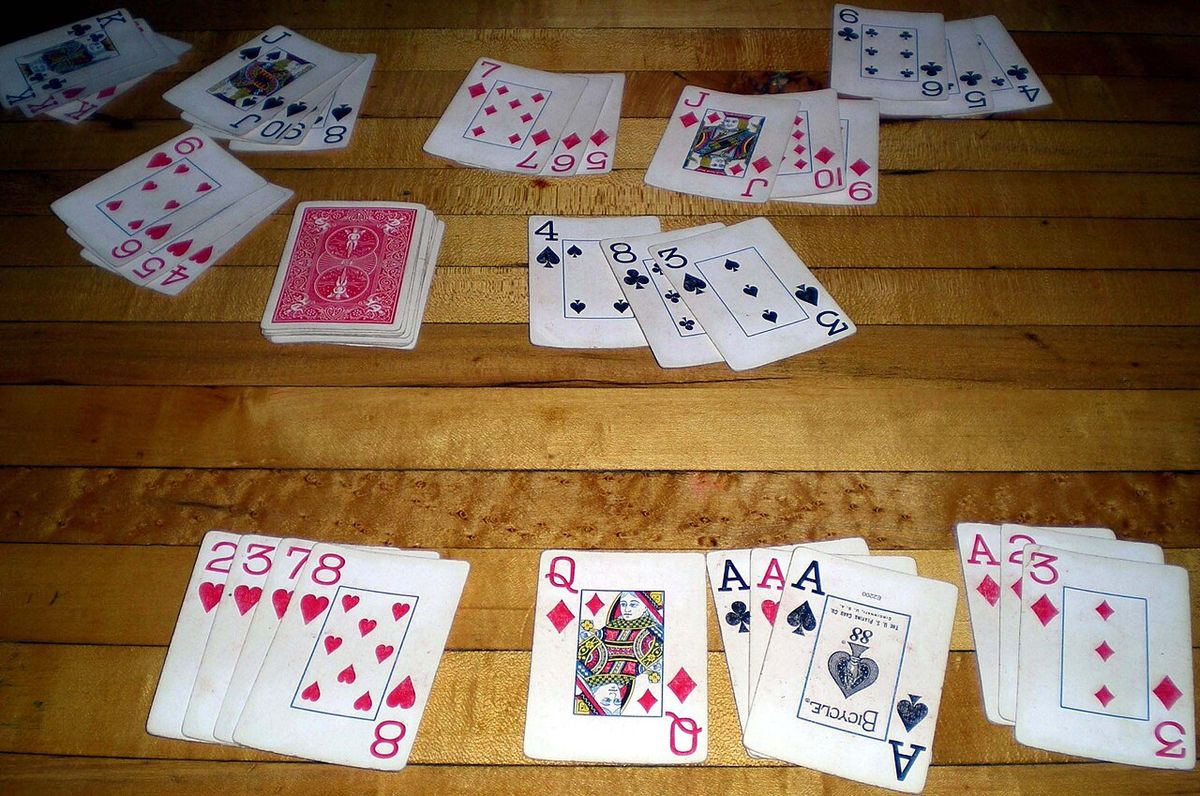
A valid meld is either a set of at least three cards of the same rank, such as three Kings, or a run of at least three consecutive cards of the same suit. In most standard rules, Aces are low, ranking below the 2, though some variations allow them to be high or both high and low. Once a player has melded, they may also lay off cards on their own or opponents' existing melds on the table. A player can go out by melding or laying off their final card, with or without a final discard depending on house rules.
Scoring Systems and Winning
Scoring in rummy can be conducted per hand or cumulatively until a target score is reached. After a player goes out, the round ends and all other players tally the point value of the cards remaining in their hands. Numbered cards (2 through 10) score their face value in points. Face cards (Jack, Queen, King) are worth 10 points each.
The Ace is usually worth 1 point, though in variations where it can be high, it may score 11. Jokers, if used, often score 15 points each. The winner of the hand scores points equal to the total of all opponents' unmelded cards. In games played over multiple rounds, such as 500 Rummy, players record their cumulative scores.
Play often continues until someone reaches a predetermined total like 500 or 1,000 points. A player may have a negative score if unmelded cards total more than melded ones. This scoring system encourages players to meld quickly and manage their deadwood. The cumulative format allows for longer strategic games.
In the popular two-player variant Gin Rummy, scoring has specific nuances. Players aim to reduce 'deadwood', the point total of unmelded cards. A player can knock to end the hand when their deadwood total is 10 points or less. After a knock, both players reveal their hands and the opponent may lay off cards onto the knocker's melds.
The player with the lower deadwood total scores the difference between the two totals. If the knocker's deadwood is equal to or higher than the opponent's, the knocker is 'undercut' and the opponent scores the difference plus a 10-point bonus. Knocking with zero deadwood is called 'going gin', which prevents lay-offs and earns a 20-point bonus plus all the opponent's deadwood points. A full game of Gin Rummy is typically played to 100 points.
Major Variations and Related Games
The rummy family encompasses a wide array of specific games, each with modified rules. Basic Rummy, also called Straight Rummy, is the foundational game from which others derive. Gin Rummy, invented around 1911, is a streamlined two-player game. Oklahoma Gin is a popular variant where the value of the initial upcard dictates the maximum deadwood allowed for knocking.
500 Rummy allows players to draw multiple cards from the discard pile and uses a points target of 500. Contract Rummy requires players to complete specific meld objectives in each round. Canasta, usually played in partnerships with two decks, involves forming large melds of seven cards called canastas. Other notable variations include Knock Rummy and Round the Corner Rummy.
- Gin Rummy: A two-player game where players knock with 10 or fewer deadwood points.
- 500 Rummy: Players can draw deep from the discard pile. Game ends at 500 points.
- Contract Rummy: Players must complete specific meld combinations each round.
- Canasta: A partnership game using two decks, focused on building seven-card melds.
- Indian Rummy: A 13-card variation popular in South Asia, often played for points.
- Block Rummy: The game ends after one pass through the stock if no one goes out.
- Round the Corner Rummy: Allows runs like Queen-King-Ace-2.
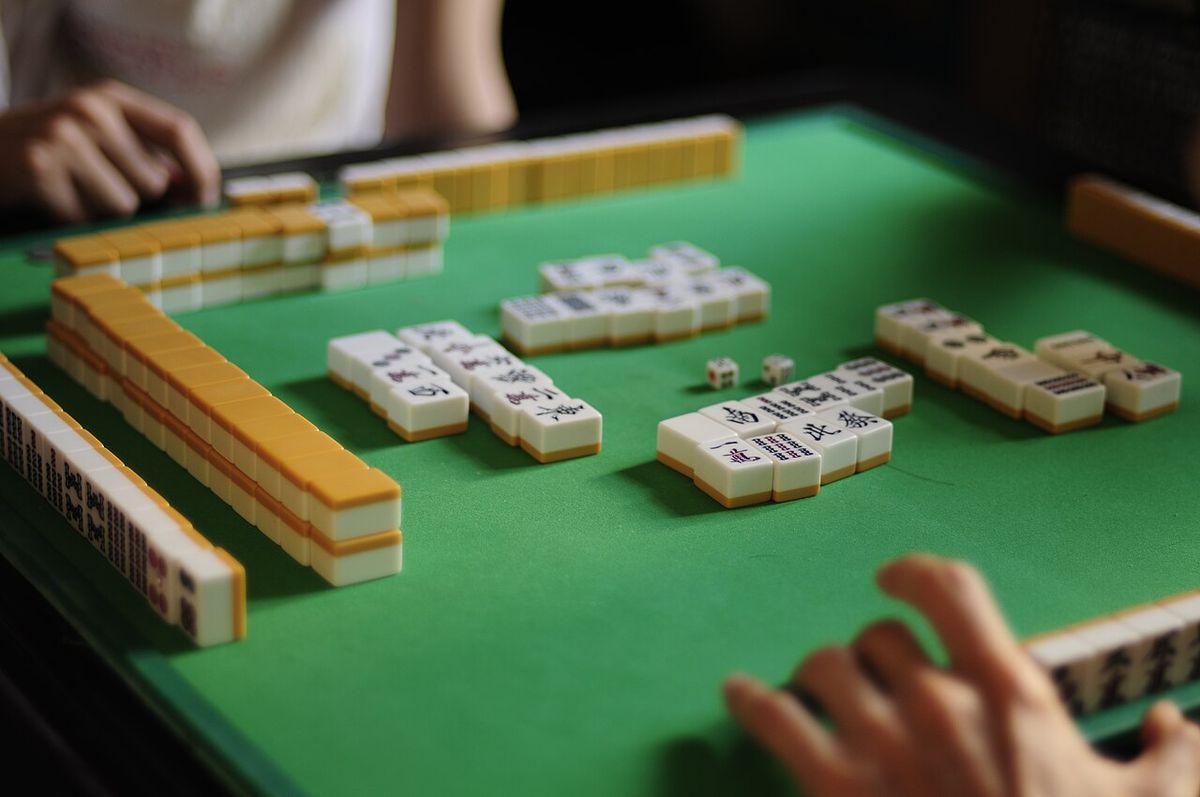
Non-card games like Rummikub and Mahjong also employ similar set-collection mechanics. The mechanics also extend to games using special equipment. Rummoli games use a board with squares for specific cards where players place and collect tokens. Tile-based games like Rummikub use numbered tiles in colours instead of cards, but retain the core objective of forming sets and runs. Mahjong, with its elaborate rules and scoring, is a more complex relation from East Asia that uses tiles with suits and honours. These games demonstrate the adaptability of the rummy principle across different formats. They maintain the core challenge of matching sets and sequences.
Rummy in Canadian Culture and Modern Play
Rummy games maintain a steady presence in Canadian recreational culture, enjoyed across generations in family settings, senior centres, and among card game enthusiasts. Gin Rummy, in particular, is recognized as a classic two-player strategic game. Online platforms and mobile apps have facilitated a resurgence, allowing players to compete against computers or other players across the country. Canadian retailers stock dedicated Gin Rummy sets and specialty playing cards, indicating ongoing commercial interest.
The game's appeal lies in its balance of accessible rules and strategic depth, requiring memory, probability calculation, and tactical discarding. While traditional 52-card deck games face competition from modern designer board games, rummy's simplicity and low cost ensure its continued relevance. Community forums and game sites report active Canadian players. The game is frequently featured in lists of classic card games suitable for all ages.
The digital adaptation of the game has been significant. Free online platforms allow Canadians to play Rummy and Gin Rummy instantly against computer opponents or in multiplayer mode with friends. These sites often feature interactive tutorials, rule references, and the ability to create private tables. The game's rules are faithfully replicated, including the option to play with or without timers.
This online accessibility has helped introduce the game to younger players who might not have learned it in a traditional setting. The game is also featured on classic game websites, further cementing its place in the digital leisure landscape. This transition ensures the game's rules and strategies are preserved. It also allows for continuous play regardless of physical location.
Strategy and Skill Elements
Success in rummy requires more than luck. It demands strategic planning and careful observation of opponents' actions. A core skill is efficient hand management, deciding which cards to keep for potential melds and which to discard safely. Players must track which cards have been picked up and discarded by opponents to deduce what melds they might be collecting.
Discard strategy is critical, as players should avoid discarding cards that could directly complete an opponent's run or set. Middle cards like 6s and 7s are especially versatile and dangerous to discard. In Gin Rummy, knowing when to knock is a crucial decision that balances risk and reward. Players also learn to manipulate the discard pile, sometimes taking a needed card even if it means picking up several unwanted cards above it.
Bluffing through discards can also mislead opponents about one's intentions. Experts often focus on drawing without revealing their plans and discarding safely to avoid helping an opponent. Accurately judging the optimal moment to end the hand separates experienced players from novices. These strategic layers make rummy a game of both calculation and psychology.
- Track Discards: Memorize cards taken and thrown away to infer opponents' hands.
- Manage Deadwood: Continuously calculate the point value of your unmatched cards.
- Safe Discarding: Avoid discarding cards that could complete an opponent's obvious meld.
- Knock Timing: Assess the risk of being undercut versus the reward of a larger score or gin bonus.
- Hand Flexibility: Keep cards that can work in multiple potential sets or runs.
- Discard Pile Control: In games like 500 Rummy, strategically draw from the pile to access needed cards.
- Bluffing: Discard a card from a nearly complete meld to mislead opponents about your intentions.
The ability to adapt your strategy based on the cards you draw and the actions of your opponents is essential. This adaptability is what separates casual players from seasoned experts. Practice and experience greatly improve a player's decision-making speed and accuracy. Studying common tactics can provide a significant advantage.
Comparative Overview of Popular Rummy Games
The table below summarizes key differences between several of the most common rummy variations. This comparative view shows how the basic framework of drawing, melding, and discarding is adapted for different player counts and strategic emphases. The choice of game often depends on the number of players available and the desired depth of play. Understanding these differences helps players select the right version for their group.
| Game Variant | Typical Players | Cards Dealt | Key Distinguishing Feature | Common Winning Condition |
|---|---|---|---|---|
| Basic Rummy | 2 to 6 | 7 to 10 | First to meld all cards and discard. | Win individual hand. Score points from opponents' hands. |
| Gin Rummy | 2 | 10 | Knocking with deadwood ≤10 points. Going gin bonus. | First to reach 100+ points after game bonuses. |
| 500 Rummy | 2 to 8 | 7 | Can draw multiple cards from discard pile. Negative scores possible. | First to reach 500 points. |
| Contract Rummy | 3 to 8 | Varies by round | Must complete specific meld contracts each round. | Highest score after 7 to 10 predetermined deals. |
| Canasta | 4 (partnerships) | 11 | Uses two decks, focuses on seven-card melds (canastas). | First partnership to reach a high point total. |
Each variant offers a unique twist on the core mechanics. Basic Rummy provides the simplest entry point for new players. Gin Rummy offers deep strategic play for two participants. 500 Rummy introduces more complex draw pile tactics. Contract Rummy adds a layer of pre-determined objectives.
Canasta is known for its partnership play and focus on building large melds. These games have all contributed to the enduring popularity of the rummy family. They are played in homes, clubs, and online around the world. Their shared principles make it easy for players to learn new variations.
Questions about Rummy
What is the difference between Rummy and Gin Rummy?
Rummy is the broad family name for matching-card games, while Gin Rummy is a specific two-player variant. The main differences are in player count and scoring. Basic Rummy can be played by two to six players and ends when one player melds all cards. Gin Rummy is exclusively for two players and introduces the concept of 'knocking' when a player's unmelded cards total 10 points or less. Gin Rummy also features a 100-point game target and bonuses for 'going gin' with zero deadwood.
How many cards do you deal in a standard game of Rummy?
The number of cards dealt depends on the number of players and the specific variation. In 10 Cards Rummy, often played with two, three or four players, each player gets ten cards. For five players, each is dealt six cards. In 500 Rummy, each player is given seven cards. In Indian Rummy, 13 cards are dealt to each participant. In Basic Rummy for two players, each receives 10 cards, for three or four players, seven cards each, and for five or six players, six cards each.
Can you play Rummy online in Canada?
Yes, numerous free online platforms and mobile apps allow Canadians to play Rummy and Gin Rummy against computer opponents or other players. These digital versions faithfully replicate the rules. Many sites offer both public tables and the option to create private tables to invite friends and family. The availability of these online games has helped maintain and even grow the player base across the country.
What are the basic rules for forming melds in Rummy?
A valid meld is either a set or a run. A set consists of at least three cards of the same rank, such as three Kings. A run consists of at least three consecutive cards of the same suit, such as the 4, 5, and 6 of Hearts. In standard rules, Aces are low, ranking below the 2. Some variations allow 'round the corner' runs where the Ace can be both high and low, and Jokers may act as wild cards.
Is Gin Rummy still popular in Canada today?
Gin Rummy remains a well-known and enjoyed card game in Canada. It is played by a range of age groups, often appreciated by those who enjoy strategic two-player games. Its presence in retail stores selling specialty cards indicates a sustained interest. The game's transition to online and mobile platforms has also introduced it to newer generations of players across the country.
How do you score points in Gin Rummy?
Scoring in Gin Rummy involves deadwood points and bonuses. Number cards score their face value, face cards score 10 points, and Aces score 1 point. A player who knocks with 10 or fewer deadwood points wins the difference in deadwood between the two hands. If the opponent's deadwood is equal or lower, the opponent scores the difference plus a 10-point undercut bonus. Knocking with zero deadwood scores the opponent's entire deadwood plus a 20-point gin bonus.
Sources and further reading
- Rummy (Wikipedia)
- Gin Rummy, Online & Free | Play Classic Card Games (worldofcardgames.com)
- The 8 Best Card Games of 2026 | Reviews by Wirecutter (nytimes.com)
- Rummy ( Rum ) (bicyclecards.com)
- Rummy Card Game | Play it online (cardgames.io)
- Gin Rummy, Card Game Rules (pagat.com)
- Gin Rummy | Play it online (cardgames.io)
Checked by the Nosy Mag desk. Last updated 2026-11-10.