List of national parks of Canada
The national parks of Canada form a network of protected natural areas spanning every province and territory, established to preserve representative examples of the country's diverse ecosystems for future generations. Administered by Parks Canada, a federal agency under the Ministry of Environment and Climate Change, these parks safeguard landscapes ranging from coastal rainforests and towering mountains to vast boreal forests and Arctic tundra. The system's foundational goal is to protect ecological integrity while providing opportunities for public education and enjoyment. As of July 2024, the network comprises 37 national parks and 11 national park reserves, covering approximately 343,377 square kilometres, or about 3.3 percent of Canada's total land area.
Historical development of the parks system
The creation of Canada's national parks system began in 1885 with the protection of the Cave and Basin Hot Springs in what is now Banff National Park. This action, taken via an Order-in-Council, was modelled on the American experience with Yellowstone National Park and aimed to prevent private development of the valuable hot springs. The Rocky Mountains Park Act of 1887 formally established Rocky Mountains Park, which later became Banff National Park, setting a legislative precedent. The popularity of this first park led to proposals for additional protected areas along railway lines, including sites that would become Yoho, Glacier, and Jasper National Parks. In 1911, the Dominion Forest Reserves and Parks Act created the Dominion Parks Branch, recognized as the world's first national park service, under the leadership of its first commissioner, JB Harkin.
Early park establishment often excluded Indigenous peoples from their traditional lands within park boundaries, a policy that began to shift with the creation of Wood Buffalo National Park in 1922, which permitted traditional activities to continue. The concept of national park reserves was formally defined by Parks Canada in 1972 to describe lands intended to become full national parks pending the settlement of Indigenous land claims and agreements for continued traditional use. This approach reflects an evolving understanding of conservation that seeks to incorporate Indigenous rights and knowledge. The system has grown from a single park focused on tourism and hot springs to a nationwide network with a primary mandate of ecological protection.
System governance and legislative framework
All national parks and national park reserves are protected under the Canada National Parks Act and are owned by the Government of Canada. Parks Canada, a Crown agency, is responsible for their administration, management, and protection. The agency operates under the jurisdiction of the Minister of Environment and Climate Change. The guiding policy for the system is the National Parks System Plan, which identifies 39 distinct terrestrial natural regions across Canada. The long-term goal is to protect representative areas of all 39 regions, a target that remains a work in progress. As of July 2024, the existing parks represent 31 of these natural regions, leaving eight regions without representation either by an established park or a proposed area.
The legislative framework mandates that maintaining or restoring ecological integrity is the first priority in park management. Public use and enjoyment are secondary considerations that must not compromise this primary goal. Parks Canada also manages related protected area designations, including three National Marine Conservation Areas (NMCAs) and one NMCA Reserve, established under separate legislation to protect representative marine ecosystems. The agency oversees a vast network of National Historic Sites, which may receive similar levels of protection but commemorate events and places of historical significance rather than natural features. Feasibility studies are continually underway to establish new parks in unrepresented natural regions.
Park categories and key characteristics
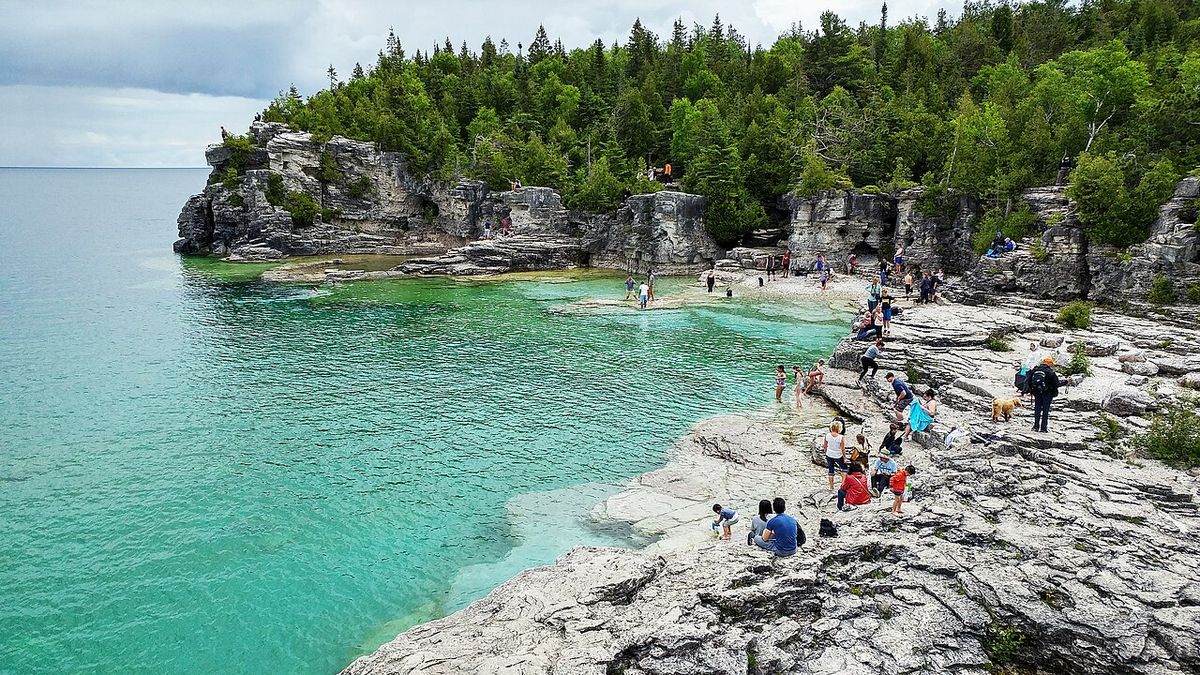
The national parks system includes two main land-based categories: national parks and national park reserves. National park reserves are areas administered by Parks Canada where the land is intended to become a full national park once Indigenous land claims are settled. They offer protection comparable to national parks but acknowledge unresolved land rights. The system also includes related designations like National Marine Conservation Areas for marine protection and, historically, the National Landmarks program, under which only Pingo National Landmark was established before the program's enabling legislation expired. Parks range dramatically in size, visitor numbers, and ecological character, from the immense boreal forests of Wood Buffalo National Park to the tiny island archipelago of Georgian Bay Islands National Park.
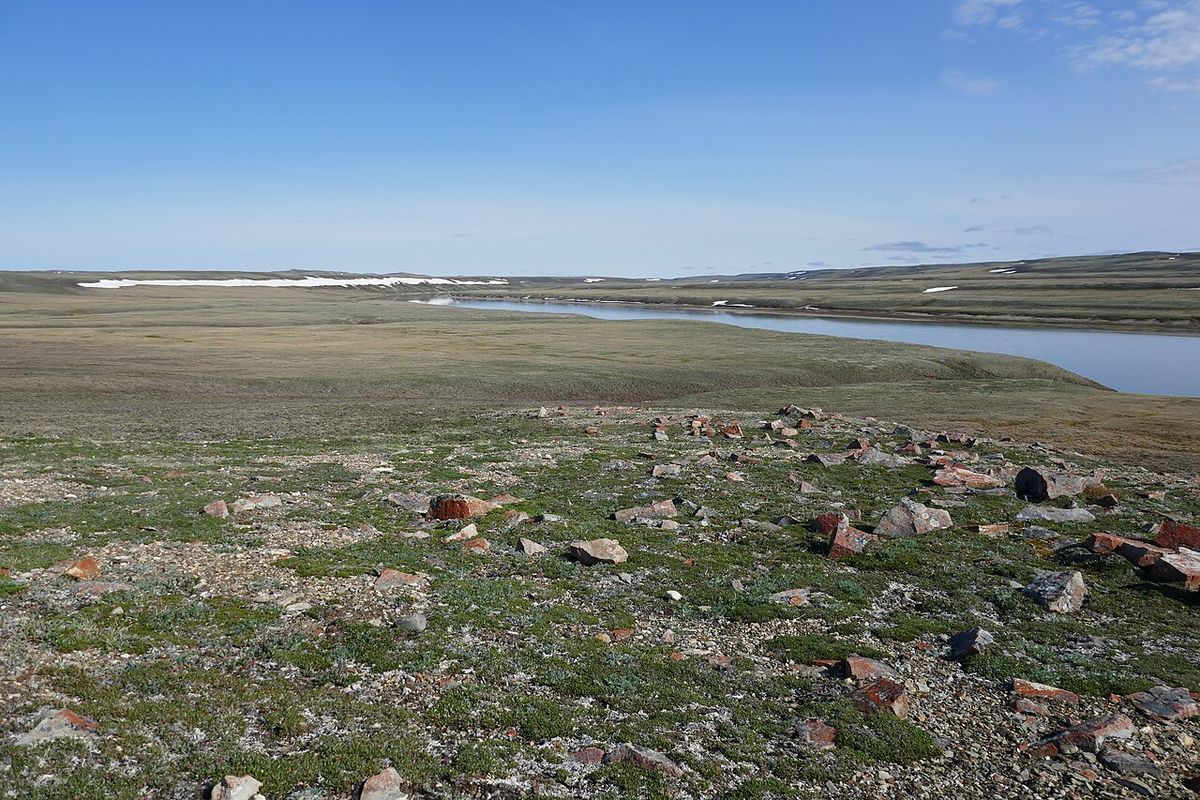
Visitor attendance varies widely across the system, highlighting the diverse roles parks play. For example, attendance data from the 2016-17 period showed Banff National Park received over four million visits, making it a major tourism and recreation hub. In stark contrast, the remote Arctic park of Tuktut Nogait recorded only two visitors in the same period, showing its role as a wilderness preserve. Parks are present in all 13 provinces and territories, ensuring that Canadians from every region have access to these protected places. The system protects habitats for countless species, including many that are threatened or endangered, and preserves landscapes that are foundational to Canada's natural identity.
Visitor experience and public programming
Parks Canada facilitates public enjoyment and education through a wide array of programs, events, and visitor services scheduled throughout the year. These activities are designed to connect people with nature and history while fostering an appreciation for conservation. Events are tailored to seasons and locations, ranging from winter carnivals and holiday celebrations at historic sites to summer festivals and guided interpretive hikes. For instance, in 2026, scheduled events include a winter carnival at Kouchibouguac National Park in February, a pumpkin-carving contest at Kejimkujik National Park during Thanksgiving weekend in October, and the Rooted Indigenous Screening Series at multiple parks, presented in partnership with CBC to share First Nations, Inuit, and Métis stories.
Programming often aligns with statutory holidays and long weekends, providing structured opportunities for families and individuals to explore the parks. Activities such as the self-guided Dark Sky Night at Point Pelee National Park allow for unique experiences like stargazing in protected darkness, while events like the Fur Trade Encampment at Fort St. Joseph National Historic Site offer hands-on historical demonstrations. Parks Canada also marks significant national observances, hosting reflective programs for the National Day for Truth and Reconciliation on September 30. These events, alongside core services like campgrounds, trails, and visitor centres, make the parks dynamic destinations for recreation and learning throughout the year.
- Rooted Indigenous Screening Series: Celebrates Indigenous stories at sites like Gros Morne and Fundy National Parks (2026).
- Thanksgiving at Kejimkujik: Features pumpkin-carving and a Cold Turkey Swim (October 10-11, 2026).
- Cycling on the Parkway: Provides vehicle-free access to La Mauricie National Park's 63 km parkway (October 2026 dates).
- Fur Trade Encampment: Live demonstrations at Fort St. Joseph National Historic Site (June 1 to September 30, 2026).
- National Day for Truth and Reconciliation program: Reflective journeys in nature at Thousand Islands National Park (September 30, 2026).
- Ghost Walking Tours: Seasonal events at historic sites like Lower Fort Garry (Fall 2026).
Representation and future expansion
The National Parks System Plan guides the expansion of the network to ensure all of Canada's 39 terrestrial natural regions have a protected representative area. As of mid-2024, parks and reserves represent 31 of these regions. Parks Canada conducts feasibility studies and negotiations to establish new parks in the eight unrepresented regions. These regions include the Boreal Lake Plateau and Laurentian Boreal Highlands spanning Newfoundland and Labrador and Quebec, the Manitoba Lowlands, the Southampton Plain in Nunavut, the Ungava Tundra Plateau in Quebec and Nunavut, and the Whale River region shared by Newfoundland and Labrador, Nunavut, and Quebec. The process for creating a new park is complex, often involving consultations with provincial and territorial governments, Indigenous groups, local communities, and stakeholders.
In addition to these unrepresented terrestrial regions, Parks Canada is working to expand the National Marine Conservation Areas system to represent Canada's 29 marine regions. Only five marine regions are currently represented by established NMCAs or reserves. Proposed national parks and reserves are areas where Parks Canada is actively evaluating potential, but they have not yet been formally established through legislation. This ongoing work ensures the system continues to grow in a strategic manner, filling geographical and ecological gaps. The ultimate aim is a comprehensive network that protects the full spectrum of Canada's natural heritage for ecological health, scientific study, and public connection to nature.
Comparison with other protected areas in Canada
It is important to distinguish federally administered national parks from other protected areas in Canada that may use similar terminology. Provincial and territorial governments manage their own extensive systems of parks and protected areas. Notably, the province of Quebec designates its provincial parks as "national parks" (parcs nationaux), following the International Union for Conservation of Nature (IUCN) Category II classification, but these are not part of the federal Parks Canada system. The Saguenay, St. Lawrence Marine Park is a unique exception, co-managed by Parks Canada and the Quebec government. Across Canada, hundreds of provincial parks are categorized by the IUCN as Category II protected areas, but only Quebec uses the "national park" name for its provincial holdings.
Other federal agencies also manage significant natural and recreational areas outside the national parks system. For example, the National Capital Commission administers Gatineau Park in Quebec and other green spaces in the National Capital Region. The national parks system exists alongside other federal designations like National Historic Sites, UNESCO Biosphere Reserves, and World Heritage Sites, some of which overlap geographically with national parks. Parks Canada's mandate is specifically focused on protecting representative natural landscapes and ecological processes, which differentiates it from agencies focused on cultural heritage, capital region planning, or provincial resource management.
Selected parks by attendance and size
The following table illustrates the diversity within the national parks system by comparing a selection of parks based on reported annual attendance from the 2016-17 period and their respective sizes. Attendance figures highlight the varying roles parks play, from major tourist destinations to remote wilderness preserves. Size demonstrates the scale of landscape protection, from small island clusters to vast continental ecosystems. The data shows that Banff National Park, one of the oldest and most famous, is by far the busiest, receiving millions of visits annually despite its substantial size. In contrast, Tuktut Nogait National Park in the Northwest Territories, while larger than Banff, recorded only two visitors, reflecting its extreme remoteness and role as a pristine wilderness area. Size does not correlate directly with visitation, as seen with the very small Georgian Bay Islands National Park, which likely receives more visitors due to its location in the populated Great Lakes region. These statistics show how Parks Canada manages for both high-volume recreation and strict wilderness preservation across its network. The table includes some of Canada's most well-known parks alongside lesser-known but ecologically significant areas, showing the breadth of the system.
Questions about List of national parks of Canada
What is the difference between a national park and a national park reserve?
A national park is a fully established protected area under the Canada National Parks Act. A national park reserve is land that is administered by Parks Canada under the same act and with similar protections, but it has been set aside with the intention of becoming a full national park once Indigenous land claims in the area are resolved. This designation acknowledges that the land is subject to ongoing negotiations and aims to protect its ecological values in the interim while respecting Indigenous rights and title. Both designations are part of the national parks system.
What was Canada's first national park?
Canada's first national park was Banff National Park, originally established as Rocky Mountains Park in 1885. The initial protection was an Order-in-Council reserving 26 square kilometres around the Cave and Basin Hot Springs to prevent private development. The Rocky Mountains Park Act of 1887 provided the formal legislative foundation. Modelled after Yellowstone National Park in the United States, its creation marked the beginning of the national parks system and the concept of setting aside land for public benefit, tourism, and conservation, though early policies often excluded Indigenous peoples from their traditional lands within the park.
Does Parks Canada only manage national parks?
No, Parks Canada's mandate extends beyond national parks. The agency also administers National Marine Conservation Areas (NMCAs) to protect marine ecosystems, National Historic Sites to commemorate people, places, and events of national significance, and a National Landmark (Pingo National Landmark). Parks Canada manages national park reserves and one NMCA Reserve. The agency is responsible for protecting and presenting these places for the benefit of current and future generations, with a focus on ecological integrity for natural sites and commemorative integrity for historic sites.
Are there plans to create more national parks in Canada?
Yes, Parks Canada has a long-term goal to establish national parks representing all 39 of Canada's terrestrial natural regions, as outlined in the National Parks System Plan. As of 2024, 31 regions are represented, leaving eight regions without a park or proposed area. Feasibility studies are ongoing for potential parks in these unrepresented regions, which include areas like the Manitoba Lowlands and the Ungava Tundra Plateau. The establishment process involves extensive consultation with Indigenous groups, provincial and territorial governments, and local communities, making it a lengthy but strategic endeavour to complete the representative network.
How many national parks are there in Canada?
As of July 2024, there are 37 national parks and 11 national park reserves in Canada. These protected areas are administered by Parks Canada under the Canada National Parks Act for the benefit and enjoyment of the people of Canada. Together, they cover an area of approximately 343,377 square kilometres, which represents about 3.3 percent of the country's total land area. The system includes at least one park in each of Canada's 13 provinces and territories. These parks aim to protect the ecological integrity of lands representing the country's distinct natural regions, currently representing 31 of the 39 natural regions described in the National Parks System Plan.
Which is the largest and which is the smallest national park in Canada?
The largest national park in Canada is Wood Buffalo National Park, which covers an area of almost 45,000 square kilometres. The smallest national park is Georgian Bay Islands National Park, with an area of 14 square kilometres. Wood Buffalo National Park, established in 1922, was notably the first park to allow traditional Indigenous activities to continue within its boundaries. Georgian Bay Islands National Park protects a representative example of the Canadian Shield landscape across its 63 islands. Both parks contribute to the national system's goal of preserving representative areas of Canada's natural regions, ranging from vast boreal forests to unique island ecosystems.
Sources and further reading
- List of national parks of Canada (Wikipedia)
- Canada National Parks (mycanadatrips.com)
- Events at Parks Canada (parks.canada.ca)
Checked by the Nosy Mag desk. Last updated 2026-10-26.