Keno
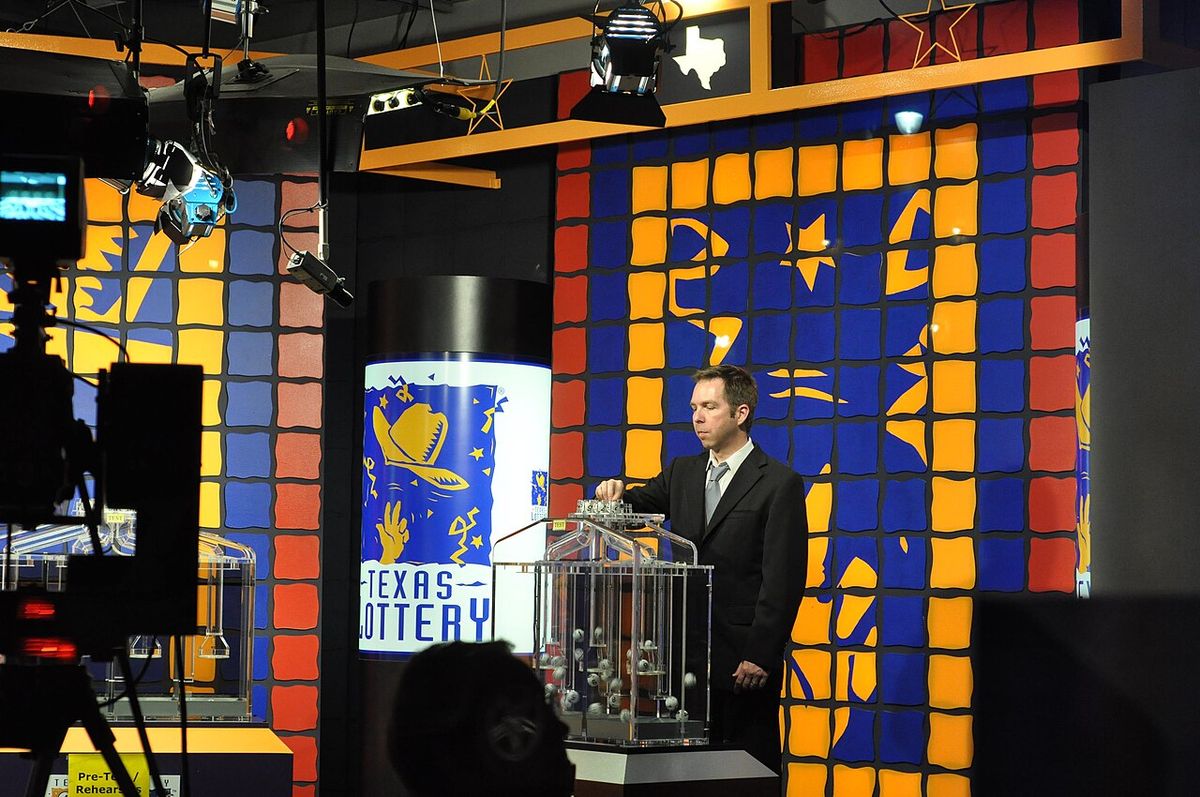
Keno is a fast-paced lottery-style game where players select numbers from a set, typically 1 to 80, and win prizes based on how many of their chosen numbers match a random draw of 20 numbers. In Canada, Keno is operated by provincial lottery corporations, including the British Columbia Lottery Corporation (BCLC), the Ontario Lottery and Gaming Corporation (OLG), and others in Alberta, Manitoba, Saskatchewan, and the territories. The game is widely accessible through lottery retailers and, in some provinces, via online platforms, with draws occurring as frequently as every few minutes. Keno's popularity stems from its simple rules, frequent draws, and the potential for substantial prizes, with top payouts reaching up to $250,000 in some jurisdictions, while also generating public revenue for provincial governments.
How to Play Keno in Canada
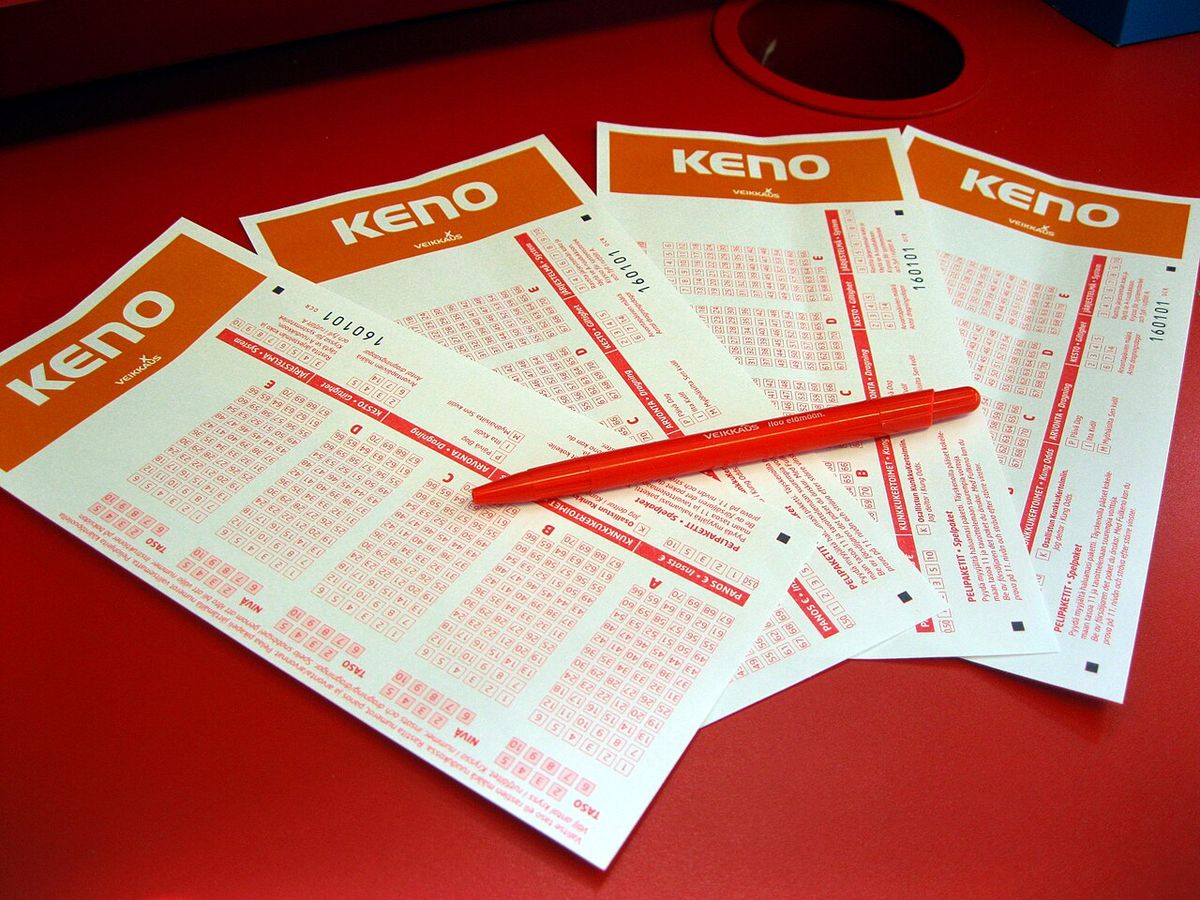
Playing Keno in Canada involves a straightforward process that is consistent across most provincial operators, though specific game names and minor rules may differ. A player begins by selecting between 1 and 10 numbers, often called spots, from a field of 1 to 80 on a paper slip or digital interface at a licensed lottery retailer. After placing a wager, which typically starts at $1, the player receives a ticket for a specific draw. The draw itself uses a random number generator or ball machine to select 20 winning numbers from the same 1 to 80 pool. Prizes are awarded based on how many of the player's chosen numbers match the drawn numbers, known as catches. For example, matching 4 out of 6 selected numbers would constitute a win. Most provincial games offer multiple draws throughout the day, with some, like BCLC's Keno, conducting live draws as often as every 3.5 minutes. Players can choose to play the same numbers for multiple consecutive draws by marking a multi-draw option on their ticket. Keno is a game of chance intended for adults, with the legal age being 19 in most provinces and 18 in Alberta, Manitoba, and Quebec.
Provincial Keno Games and Operators
Keno is not a single national lottery but a game offered independently by Canada's provincial and territorial lottery corporations, each with its own branding, draw schedules, and prize structures. The British Columbia Lottery Corporation (BCLC) operates Keno, with draws every 3.5 minutes and results available on PlayNow.com. In Ontario, the Ontario Lottery and Gaming Corporation (OLG) runs DAILY KENO, which features multiple draws daily. The Alberta Gaming, Liquor and Cannabis Commission (AGLC) offers Keno at all lottery retailers in the province, promoting it with the GameSense responsible gambling program. In Manitoba, Saskatchewan, and the territories, Keno is also widely available through their respective lottery systems. Loto-Québec provides video lottery terminal versions of the game, such as Power Keno, Jackpot Party Keno, and Lucky Bells. While the core gameplay is uniform, prize limits and specific rules vary. For instance, OLG imposes a total prize liability limit of $4 million per draw per prize category, and individual ticket prizes are often capped, such as a $100,000 maximum per ticket per draw in some jurisdictions. These operations channel a portion of revenue back to provincial governments to fund public services.
Prize Structure and Odds of Winning
Keno prizes are determined by a paytable that correlates the number of spots played and the number of catches achieved. Payouts increase with more matches, but even catching zero numbers on a ticket with many spots can sometimes yield a prize. The top prize varies by province, with some games offering up to $250,000 for a perfect catch. The odds of winning any prize are significantly higher than hitting the jackpot, but the probability of a perfect catch is exceptionally low. The mathematical probability of hitting a specific number of catches is calculated using a hypergeometric distribution formula. The odds of hitting all 20 numbers on a 20-spot ticket are astronomically low, at approximately 1 in 3.5 quintillion. The house edge, or the operator's statistical advantage, varies but is generally higher in Keno than in many other casino games, often ranging between 20% and 40% for land-based play. This inherent probability structure is why paytables and odds are publicly disclosed by operators as part of responsible gambling practices.
To illustrate the relationship between spots played, catches, and approximate odds, the following table provides examples for common selections. These odds are based on the standard 80-number pool with 20 numbers drawn. The probability of hitting a specific number of spots is calculated using a hypergeometric distribution formula. For example, the probability of hitting 4 spots on a 6-spot ticket is approximately 0.02853791. Probabilities change significantly based on the number of spots and numbers that are picked on each ticket.
| Numbers Played (Spots) | Catches Needed for Example Prize | Approximate Odds (to 1) |
|---|---|---|
| 6 | 4 | 35 |
| 20 | 20 | 3.5 Quintillion |
Checking Results and Claiming Prizes
After each draw, players can check Keno winning numbers through several official channels. Provincial lottery websites and mobile apps, such as the Lotto! App for Android or iOS, provide the most immediate access to results. For example, BCLC's PlayNow.com and OLG's lottery portal update winning numbers shortly after each draw. Many lottery retailers also have in-store ticket checkers or can provide printed lists of official numbers. Players can typically view not only the latest results but also searchable archives of past draws. When a ticket wins, the prize claim process depends on the amount. Smaller prizes are often paid directly at any lottery retailer by scanning the ticket. Larger prizes, usually above a certain threshold, must be claimed by mailing the ticket or visiting a provincial lottery corporation's prize office. It is crucial to sign the back of a winning ticket immediately for security. Unclaimed prizes from provincial games, after a specified period, are directed to government profits to benefit public programs in that province.
Common methods for checking Keno results include official provincial lottery websites and mobile apps. Players can also use in-store ticket scanners at licensed lottery retailers or request a printed list of winning numbers from a retailer. Other methods include downloading historical result files from lottery corporation websites and watching live draw broadcasts available on some lottery platforms. Players should always verify results against their tickets carefully and be aware of claim deadlines to ensure they receive any prizes owed to them.
Official channels for accessing Keno results and support include provincial lottery websites and mobile apps. Players can also check results using in-store ticket scanners at licensed retailers. For support, players can call official lottery customer service lines for result verification. It is important to use these official channels to ensure the accuracy of winning numbers and prize information.
- PlayNow.com for British Columbia results and online play.
- The OLG lottery portal for Ontario DAILY KENO results.
- The Lotto! App for Android and iOS for mobile ticket checking.
- In-store ticket checkers at retailers like 7-Eleven or Myhr's Fine Foods.
- Customer support lines such as 1-866-815-0222 for some provincial inquiries.
- Provincial help lines like ConnexOntario at 1-866-531-2600.
Historical Origins and Evolution
The game of Keno has a long and storied history that traces back to ancient China. Legend attributes its invention to Zhang Liang during the Chu-Han Contention as a method to raise funds for city defence, and its later popularity is said to have helped finance the construction of the Great Wall of China. The original Chinese game was played using sheets printed with the first 80 characters of the Thousand Character Classic, from which winning characters were selected. This game was known in some regions as 'white dove ticket' (báigē piào), a name derived from the carrier pigeons allegedly used to transmit results. Chinese immigrants introduced the game to North America in the 19th century while working on projects like the First Transcontinental Railroad. The name evolved through Westernized versions like 'boc hop bu' and 'puck-apu' before settling on 'Keno'. The modern lottery version, using numbers instead of characters and frequent electronic draws, was developed in the 20th century. Its adoption by state and provincial lotteries, including across Canada, transformed it from a casino niche to a widely available lottery game.
Responsible Gambling and GameSense
All Canadian provincial lottery corporations that offer Keno integrate responsible gambling measures into their operations. A prominent program is GameSense, adopted by operators like BCLC and AGLC, which focuses on educating players about how games work, the odds of winning and losing, and the importance of setting limits. GameSense advisors are available via telephone support lines to provide information without giving gambling advice. Key tools for maintaining control include budget limits, time reminders, and self-exclusion programs like Game Break, which allow players to voluntarily bar themselves from gambling venues and online platforms for a period. Provincial help lines offer confidential support for anyone experiencing difficulties with gambling. These measures reflect the operators' commitment to treating gambling as a form of entertainment for adults, with an emphasis on informed choice and player well-being.
Provincial problem gambling support contacts include the Gambling Support BC Line at 1-888-795-6111. In Ontario, players can contact ConnexOntario at 1-866-531-2600. The Saskatchewan Problem Gambling Help Line is 1-800-306-6789. For GameSense inquiries in Alberta, the Customer Support Centre number is 1-877-706-6789. Players are encouraged to use these resources to help ensure their gambling remains a controlled leisure activity.
Game Variations and Features
Beyond the standard draw game, several Keno variations and add-on features are offered across Canada to enhance gameplay or winning potential. These include Keno Bonus, Keno Doubler, and Keno Tripler options, which can multiply non-jackpot prizes for an additional wager. Pattern Play allows players to win by matching numbers in a specific shape or pattern on the ticket grid. Video lottery terminals (VLTs) in provinces like Quebec offer electronic versions such as Power Keno, Jackpot Party Keno, and Lucky Bells, which incorporate bonus rounds and different graphical interfaces. Another common feature is the multi-draw ticket, where players can enter the same numbers into several consecutive draws. Some provincial games also offer a 'tag' or 'bonus' number drawn separately, which can activate secondary prizes. Players should review the specific game conditions for each variation, as rules, costs, and prize structures can differ significantly from the base Keno game.
Notable Keno game variations available in Canada include Keno Bonus, Keno Pattern Play, Keno Doubler, and Keno Tripler. Video lottery games such as Power Keno, Jackpot Party Keno, and Lucky Bells are also offered. In some provinces, games like 'For $1 Bucko' are available, offering prizes up to $20,000. These variations provide different ways to play the lottery-like game of Keno.
- Keno Bonus, a feature that can enhance payouts.
- Keno Doubler and Keno Tripler, which multiply prizes.
- Keno Pattern Play, based on matching number patterns.
- Power Keno, a video lottery terminal game from Loto-Québec.
- Jackpot Party Keno, another VLT title in Quebec.
- Lucky Bells, a VLT keno game with themed bonuses.
Keno in Canadian Culture and Economy
Keno holds a distinct place in the Canadian gambling landscape as one of the most frequently drawn lottery games, contributing to both entertainment and public finance. Its fast pace and simplicity make it a popular choice for casual play at lottery retailers, pubs, and online platforms. Economically, Keno is a revenue generator for provincial governments, with profits directed to general provincial funds or specific community initiatives, similar to other lottery products. Stories of winners, such as those from Saskatchewan who have described the moment of discovery as overwhelming and a dream come true, occasionally highlight the game's life-changing potential. The primary narrative from provincial operators centres on responsible play, framing Keno as a form of leisure for adults who understand the odds. The game's operational integration with modern technology, from random number generators to mobile apps for checking results, reflects its adaptation to contemporary consumer habits while maintaining its centuries-old core mechanic of selecting numbers and hoping for a match.
Examples of Saskatchewan lottery retailers where players can purchase Keno tickets include Myhr’s Fine Foods on Albert Street in Hudson Bay. Another location is the 7-Eleven on Railway Avenue West in Rosetown. Players can also buy tickets at the Esso at 6034 Rochdale Boulevard in Regina. Additional retailers are The Mobile Shop at 4450 Rochdale Blvd in Regina and the Fas Gas Plus on 32 Street West in Prince Albert. These locations are part of the widespread retail network that makes Keno accessible across the country.
Questions about Keno
What are the Keno winning numbers for today?
Keno winning numbers are drawn multiple times a day, and the latest results are available on the official websites and mobile apps of your provincial lottery corporation. For example, in British Columbia, you can check PlayNow.com, and in Ontario, you can use the OLG lottery portal. Winning numbers are typically posted shortly after each draw, which can occur as often as every 3.5 minutes in some provinces. You can also check tickets at any licensed lottery retailer using an in-store scanner or by asking for a printed list of the official numbers.
How often are Keno draws held?
Draw frequency varies by province but is generally very high. In British Columbia, Keno draws occur every 3.5 minutes. In Alberta, Manitoba, Saskatchewan, and the territories, Keno is promoted with draws every five minutes. Ontario's DAILY KENO holds multiple draws throughout the day. This frequent schedule is a key feature of the game, allowing for continuous play and rapid result turnaround. Players should confirm the exact draw schedule with their local provincial lottery operator, as times can be subject to change.
What is the largest prize you can win playing Keno?
The top prize for Keno varies depending on the provincial game and the specific wager. Some games offer maximum prizes of up to $250,000 for a perfect catch of all selected numbers matching the draw. However, individual ticket prizes are often subject to caps. For instance, some rules limit the prize to $100,000 per ticket per draw regardless of the wager amount. Operators like OLG impose aggregate prize limits of $4 million per draw per prize category, meaning prizes may be shared proportionally if too many players win in the same category.
Can I play Keno online in Canada?
Yes, online play is available in several provinces through the official lottery corporation websites and platforms. For example, British Columbia's PlayNow.com and the Ontario Lottery and Gaming Corporation's online portal offer Keno to residents within those provinces. These sites require age and residency verification. However, Keno is primarily offered through physical lottery retailers across the country, including in Alberta, Manitoba, Saskatchewan, and the territories. Always ensure you are using the official, regulated site for your province to play legally and safely.
How do I claim a Keno prize?
Smaller Keno prizes can usually be claimed immediately at any licensed lottery retailer by presenting the winning ticket. For larger prizes above a certain threshold, which varies by province, you must mail the signed ticket or visit a provincial lottery prize office in person. It is essential to sign the back of your ticket as soon as you discover a win to establish ownership. Always check the specific claim procedures and deadlines on your provincial lottery corporation's website, as unclaimed prizes eventually revert to provincial government profits.
What is the legal age to play Keno in Canada?
The legal age for gambling, including playing Keno, is 19 years old in most Canadian provinces. The exceptions are Alberta, Manitoba, and Quebec, where the legal age is 18. These age restrictions are strictly enforced at lottery retailers and on online gambling platforms operated by provincial corporations. Keno, like all lottery games, is intended as a form of entertainment for adults, and provincial operators provide responsible gambling resources and help lines for those who need support.
Sources and further reading
- Keno (Wikipedia)
- DAILY KENO Winning Numbers | View Daily Results Online at ... (olg.ca)
- KENO (sasklotteries.ca)
- Keno Winning Numbers (playnow.com)
- DAILY KENO Winning Numbers | View Daily Results Online at ... (olg.ca)
- Keno Winning Numbers (playnow.com)
Checked by the Nosy Mag desk. Last updated 2026-11-08.