Oka Crisis
The Oka Crisis, also known as the Kanesatake Resistance or Mohawk Crisis, was a 78-day armed standoff in 1990 between Kanien’kehá:ka (Mohawk) land defenders, the Sûreté du Québec, and the Canadian Army. The conflict was sparked by the town of Oka's plans to expand a golf course and build condominiums on a disputed forested area known as The Pines, which contained a Kanien’kehá:ka burial ground. The crisis, which resulted in two fatalities including a police officer, marked the first major, violent confrontation between a First Nation and Canadian authorities in the late 20th century. It brought unprecedented national and international attention to unresolved Indigenous land claims and became a catalyst for Indigenous rights movements across Canada.
Historical Background and Land Dispute
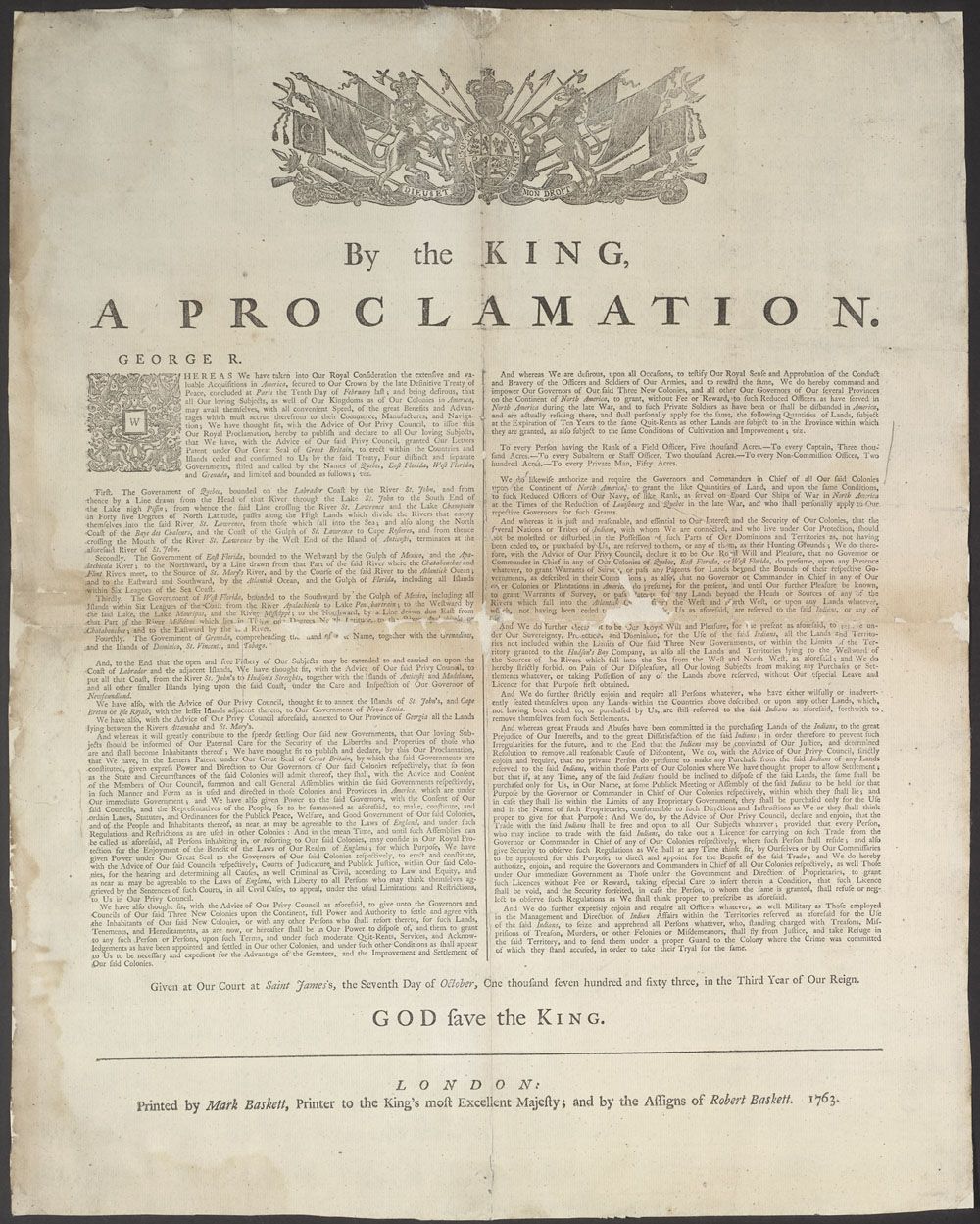
In 1717, the Sulpician religious order was granted a large seigneurie, Lac-des-Deux-Montagnes, with the condition it be used for the benefit of Indigenous inhabitants. In 1721, the Sulpicians moved Kanien’kehá:ka (Mohawk), Algonquin, and Nipissing communities to the territory, assigning the Kanien’kehá:ka to the western village area that included what later became known as The Pines. The Sulpicians, however, retained sole legal ownership, a point of contention that would define centuries of conflict. After the British conquest, the Royal Proclamation of 1763 seemed to protect Indigenous land rights, but repeated petitions by the Kanien’kehá:ka of Kanehsatà:ke to be freed from Sulpician control and have their land recognized were ignored.
The seminary began selling off parcels, drastically reducing the land available to the Kanien’kehá:ka community. By 1956, they were left with only six square kilometres from an original 165. The modern catalyst was the 1959 approval of a nine-hole golf course, the Club de golf d'Oka, on a portion of the land bordering The Pines and an active Kanien’kehá:ka cemetery. A legal challenge by the community failed. In 1989, the club announced plans to expand to eighteen holes and build 60 condominiums, which would have directly impacted the sacred burial grounds. The federal Office of Native Claims had rejected the band's formal land claim in 1986, so no consultation was undertaken.
Lead-Up to Confrontation
On March 11, 1990, following a court decision in favour of the developers, members of the Kanehsatà:ke community erected a barricade blocking a dirt road to The Pines. They defied multiple court injunctions ordering its removal. Quebec's minister of Native Affairs, John Ciaccia, wrote a letter of support, acknowledging the historical injustice, but Oka Mayor Jean Ouellette remained adamant. Public Security Minister Sam Elkas set a deadline of July 9 for the barricade to come down. As the date passed, tensions escalated rapidly. The Quebec Human Rights Commission warned federal and provincial officials of the imminent threat of violence and called for an independent review of the land claim, but these warnings went unheeded.
The Police Raid and Escalation
At dawn on July 11, 1990, approximately one hundred Sûreté du Québec officers, including a tactical squad, surrounded the barricades at The Pines. The protesters, who included a group of Kanien’kehá:ka women attempting to negotiate, had expected a civil enforcement, not a police raid. The SQ deployed tear gas and concussion grenades. A front-end loader rammed the main barricade, and as police advanced into the woods, a firefight erupted. The police retreated, abandoning vehicles and equipment. In the exchange, 31-year-old SQ Corporal Marcel Lemay was fatally shot. A later inquest found the bullet struck an area not covered by his vest, and the coroner criticized the SQ for failing to provide recorded communications from the event.
The raid triggered an immediate and massive mobilization. The Kahnawá:ke Warrior Society blockaded the Mercier Bridge, a vital commuter link between Montreal and its South Shore suburbs. The SQ established tight perimeters around both Kanehsatà:ke and Kahnawá:ke, blocking access to food, medicine, and outside observers. Inside The Pines, the number of defenders swelled from about 30 to hundreds, bolstered by Indigenous supporters from across North America. They fortified their position with seized police cars and the commandeered front-end loader.
The Siege and Rising Tensions
For weeks, a tense stalemate held. The blockade of the Mercier Bridge caused major traffic disruptions, inflaming anger among non-Indigenous commuters in nearby Châteauguay. This frustration boiled over into racist taunts and violence, including assaults on Kanien’kehá:ka individuals and the burning of effigies. On August 12, a riot of several thousand people at the bridge led to injured police officers and destroyed vehicles, forcing the SQ to cede control to the RCMP. Media commentary, including calls by some radio hosts for violent repression, further poisoned the atmosphere. Negotiations were stymied by fundamental disagreements, with the Kanien’kehá:ka coalition demanding independent observers and free access to supplies, conditions the governments refused.
Military Intervention and Resolution
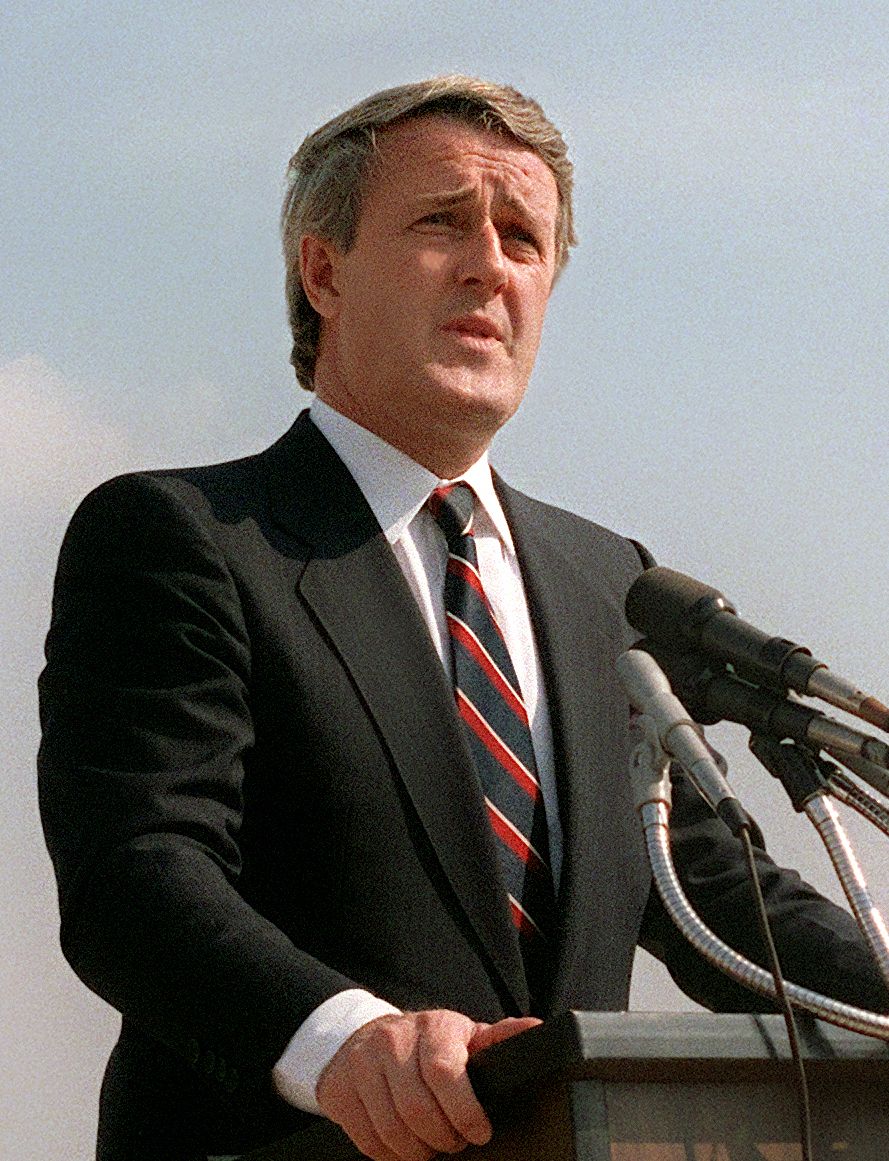
Faced with a loss of police control and escalating civil unrest, Quebec Premier Robert Bourassa invoked the National Defence Act on August 27, requisitioning the Canadian Armed Forces. Prime Minister Brian Mulroney appointed a special mediator, but military preparations proceeded. Lieutenant General Kent Foster announced the deployment of Leopard tanks and gave Brigadier General Armand Roy authority to force an unconditional surrender. The show of force prompted some families to flee Kahnawá:ke, where they were met with hostility. Over the following weeks, soldiers gradually replaced police and tightened the perimeter around The Pines. After prolonged negotiations, the remaining land defenders walked out of the area on September 26, 1990, ending the 78-day standoff.
Immediate Aftermath and Unresolved Land Claim
The immediate pressure of the crisis led to the cancellation of the golf course expansion and condominium project. The federal government eventually purchased the disputed section of The Pines from the town of Oka. However, critically, it did not transfer the land to the Mohawks of Kanesatake as a reserve. The underlying issue of land title remained legally unresolved. Decades later, the municipality of Oka retained control. As of 2026, the land has not been formally transferred to the Kanien’kehá:ka community, leaving the central grievance of the crisis unaddressed.
Legacy and National Impact
The Oka Crisis was a watershed moment in modern Canadian history. It shattered the public's ignorance of Indigenous land rights and colonial grievances, forcing these issues onto the national agenda. One direct outcome was the establishment of the Royal Commission on Aboriginal Peoples in August 1991. Its landmark 1996 report provided a comprehensive historical analysis and recommended a profound restructuring of the relationship between Indigenous and non-Indigenous people in Canada. The standoff also inspired and empowered a new generation of Indigenous activists. The solidarity it generated is seen as a precursor to later movements like Idle No More and advocacy for an inquiry into missing and murdered Indigenous women and girls. The crisis demonstrated the lengths to which Indigenous communities would go to protect their lands and sacred sites, fundamentally changing the dynamics of Indigenous protest and negotiation in Canada.
Detailed Chronology of Key Events
The crisis unfolded through a series of escalating events over the summer of 1990. On June 30, the Quebec Superior Court ruled in favour of the golf course developers, leading Mayor Ouellette to announce the clearing of The Pines. The barricade went up on March 11. The fatal police raid occurred on July 11 at 5:15 a.m. By July 12, the Canadian Armed Forces began sending plainclothes officers and equipment, including C7 rifles and armoured vehicles, in anticipation of a prolonged conflict. Corporal Lemay's funeral was held on July 16, attended by two thousand people. On July 17, the Red Cross was briefly allowed in to provide food, but access was quickly rescinded. The major riot at the Mercier Bridge occurred on August 12. Premier Bourassa formally requested military aid on August 27, and the army's deployment was announced the next day. The standoff concluded on September 26 when the last defenders left The Pines.
Broader Indigenous and Civilian Response
The resistance at Kanehsatà:ke galvanized widespread Indigenous support across Canada and the United States. People from Mi'kmaq communities, Oneida from New York and Ontario, and individuals from as far away as Mexico and the Philippines joined the protest. The Canadian Federation of Students sent fifteen activist-students to document the event, most of whom stayed to aid the cause. A Peace Village was established in Winnipeg in solidarity. Within Quebec, the crisis exposed deep social fractures. The recent failure of the Meech Lake Accord, which had addressed Quebec's constitutional status, created a tense political backdrop. Some francophone media commentators made inflammatory remarks, with one radio host, Simon Bédard, suggesting killing protesters and burying them to forget the issue. These comments, alongside the physical confrontations at Châteauguay, highlighted the racial and political tensions that the crisis both revealed and exacerbated.
Questions about Oka Crisis
Was the land given back to the Mohawks after the crisis?
No, the land was not transferred to the Mohawks of Kanesatake. The golf course expansion was cancelled, and the federal government purchased the disputed section from the town of Oka. However, it did not establish the land as a reserve. As of 2026, the land ownership remains disputed, with the municipality of Oka retaining control, which has led to ongoing legal challenges from the Mohawk community.
What was the Oka Crisis and when did it occur?
The Oka Crisis was a 78 day land dispute between a group of Mohawk people and the town of Oka, Quebec. It began on July 11, 1990 and lasted until September 26. The conflict centred on plans to build a golf course on land known as The Pines, which included an Indigenous burial ground. This was the first well publicized violent conflict between First Nations and provincial governments in the late 20th century.
Who was killed during the Oka Crisis?
Two fatalities occurred during the crisis. One was SQ Corporal Marcel Lemay, who was killed during the police raid on July 11, 1990. An inquest determined the bullet struck his left side below the armpit, an area not covered by his bullet proof vest.
Sources: Wikipedia and current public reporting, checked by the Nosy Mag desk. Last updated 2026-10-21.