Canada and the Vietnam War
Canada did not officially participate as a combatant in the Vietnam War, the protracted Cold War-era conflict between communist North Vietnam and United States-backed South Vietnam. However, the war deeply involved Canada through various and often contradictory roles. Canada provided diplomatic cover and substantial material support to the American war effort, even as it accepted tens of thousands of American war resisters and later welcomed Vietnamese refugees. The conflict also saw an estimated 30,000 Canadian citizens volunteer to serve in the United States armed forces, with at least 134 killed or missing. This complex entanglement challenged Canada's self-image as a neutral peacekeeper and left a legacy on its literature, immigration patterns, and national identity.
Diplomatic Foundations and Early Stance
Canada's formal involvement in Vietnam began not with the war but with the peace that preceded it. As part of the International Control Commission established by the 1954 Geneva Agreements, Canada joined Poland and India in overseeing the ceasefire and French withdrawal following the First Indochina War. The commission was tasked with monitoring the provisional division of Vietnam at the 17th parallel and preparing for nationwide reunification elections scheduled for 1956. From this ostensibly neutral position, Canadian diplomats privately worked to discourage both France and the United States from escalating the conflict in a region Canada did not consider strategically vital. Ottawa laid out six stringent prerequisites for joining any Asian alliance like SEATO or a war effort, including requirements that actions be divorced from colonialism and conform to the UN Charter. These criteria effectively guaranteed Canada would not become a formal belligerent in the coming war, but they did not prevent deep unofficial entanglement.
Behind the scenes of the ICC, Canada's neutrality was often compromised. Canadian negotiators strongly favoured the American position, and one representative, Blair Seaborn, was approved by the Canadian government to act as a secret intermediary, carrying messages between Washington and Hanoi on behalf of the United States. Canadian foreign aid, while humanitarian in appearance, was directed exclusively to South Vietnam and channelled through mechanisms like the Colombo Plan. Cabinet papers and confidential records later revealed that Canada's work on the truce commissions was partisan, rooted in a presumption of North Vietnamese guilt and designed to discredit Hanoi while shielding Saigon and its American backers from scrutiny. This early period set a pattern of public neutrality coupled with covert alignment with U.S. objectives, a duality that would define much of Canada's role throughout the conflict.
Material Support and Economic Complicity
Although Canada maintained an official ban on exporting war materiel directly to combat zones, Canadian industry became a major supplier to the United States military throughout the Vietnam War. Under the 1956 Defence Production Sharing Agreement, Canadian firms sold over $12.5 billion worth of goods to the United States between 1965 and 1973. These sales were arranged through the Canadian Commercial Corporation, a crown corporation that acted as an intermediary between the U.S. Department of Defense and Canadian industry. The exports included $2.47 billion in direct war materiel such as ammunition, napalm, aircraft engines, and explosives. A further $10 billion comprised other essential supplies including food, beverages, uniforms, boots, and raw materials like nickel, copper, lead, and brass for shell casings.
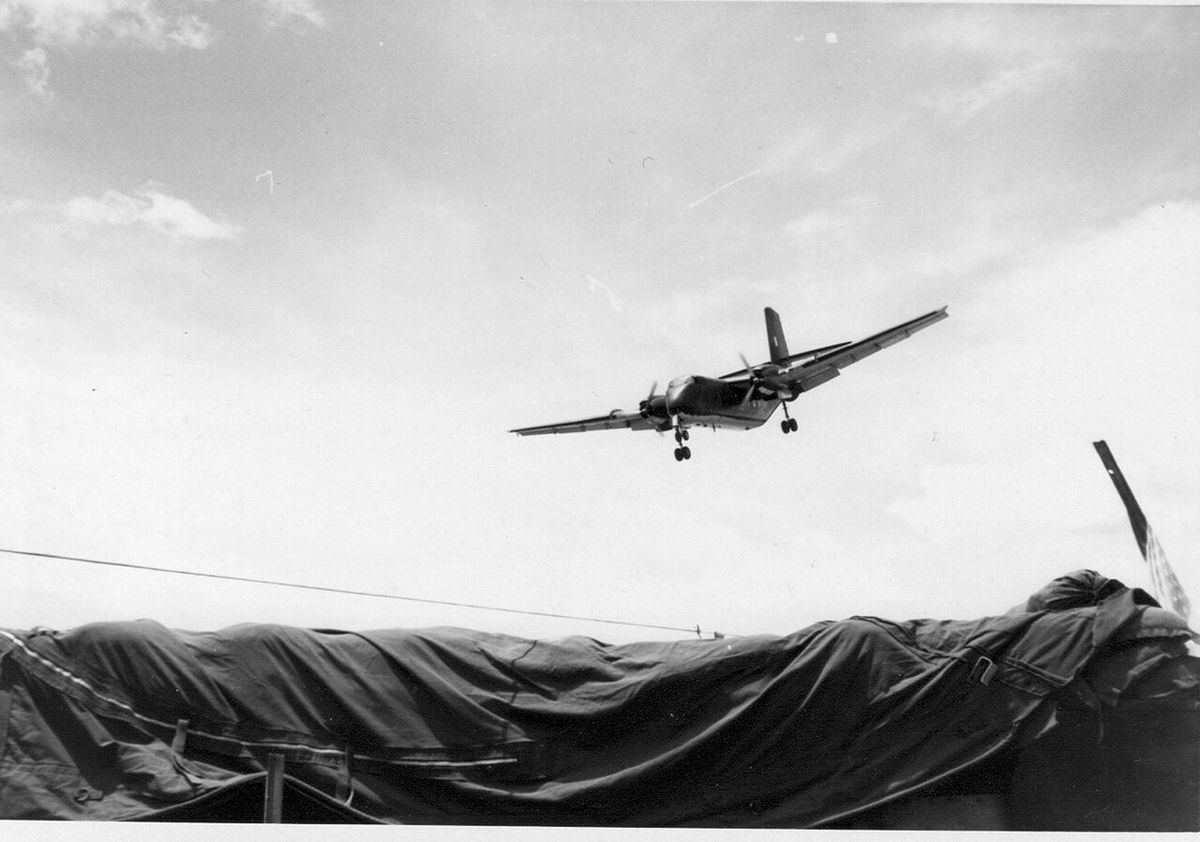
This economic support was vital to the U.S. war effort and provided a significant boost to the Canadian economy, contributing to record low unemployment levels of 3.9 percent. Prime Minister Lester Pearson defended the trade on March 10, 1967, calling it necessary and logical due to the deep integration of the North American economies and warning that an embargo would constitute a withdrawal from continental defence arrangements. Beyond manufacturing, Canada collaborated militarily with its NATO ally. The Canadian and American defence departments secretly tested chemical defoliants, including Agent Orange, for use in Vietnam, a fact not revealed to the public until 1981. Canada also permitted the use of its facilities and bases for U.S. training exercises and weapons testing under existing treaties, and in rare cases, Canadian defence contractors like de Havilland sent repair teams to Vietnam to service battle-damaged aircraft.
Canadian Volunteers in American Uniforms
In a counter-current to the northward flow of American draft resisters, thousands of Canadian citizens crossed the border to volunteer for the United States armed forces. Estimates of their numbers vary, with an informed consensus suggesting approximately 30,000 Canadians served. Of these, an estimated 12,000 saw combat in Southeast Asia. At least 134 Canadians were killed in action or declared missing during the war. This tradition of cross-border enlistment mirrored earlier patterns from the First and Second World Wars, when Americans joined the Canadian military before U.S. entry into those conflicts. The volunteers came from diverse backgrounds, including 50 Mohawks from the Kahnawake reserve near Montreal.
One Canadian-born soldier, U.S. Army Sergeant Peter C. Lemon, was awarded the Medal of Honor for his valour in Vietnam. The human cost of this service is remembered in communities across Canada. A privately funded monument in Windsor, Ontario, honours Canadians killed in the war, and another monument in Melocheville, Quebec, was funded by the Association Québécoise des Vétérans du Vietnam in October 1989. A 2015 Canadian Broadcasting Corporation story highlighted individual Canadians who lost their lives, including Rob McSorley, a teenage Army Ranger from Vancouver, and others from Ontario, Nova Scotia, and Saskatchewan.
- Thomas Edwin Fraser, Six Nations Reserve, Ohsweken, Ontario
- Randolph Hatton, Toronto, Ontario
- Robert Wilson Holditch, Port Robinson, Ontario
- Bruce Thomas Kennedy, Espanola, Ontario
- Jonathan Peter Kmetyk, St. Catharines, Ontario
- John J. Roden, Halifax, Nova Scotia
- Larry Semeniuk, Windsor, Ontario
- Murray Dean Vidler, Kerrobert, Saskatchewan
American War Resisters and the Canadian Haven
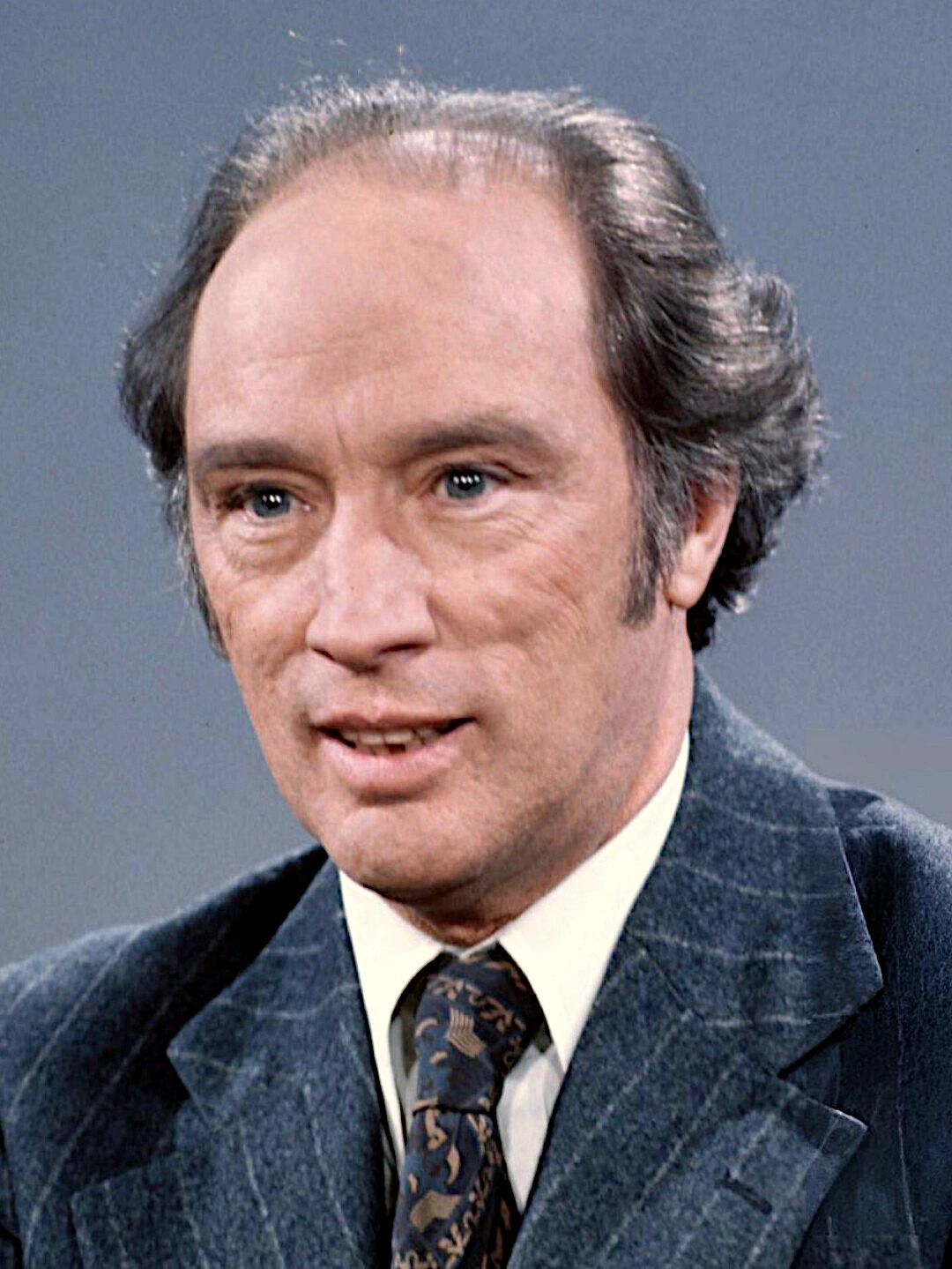
Starting around 1965, Canada became a primary destination for Americans opposing the Vietnam War, including both draft evaders and military deserters. They were not formally classified as refugees but were admitted as immigrants. No official count exists, but informed estimates suggest between 30,000 and 40,000 resisters entered Canada. This influx represented the largest politically motivated migration from the United States since the Loyalist exodus after the American Revolution. The policy shifted under Prime Minister Pierre Trudeau. On May 22, 1969, Ottawa announced that immigration officials could not ask applicants about their military status, effectively opening the border.
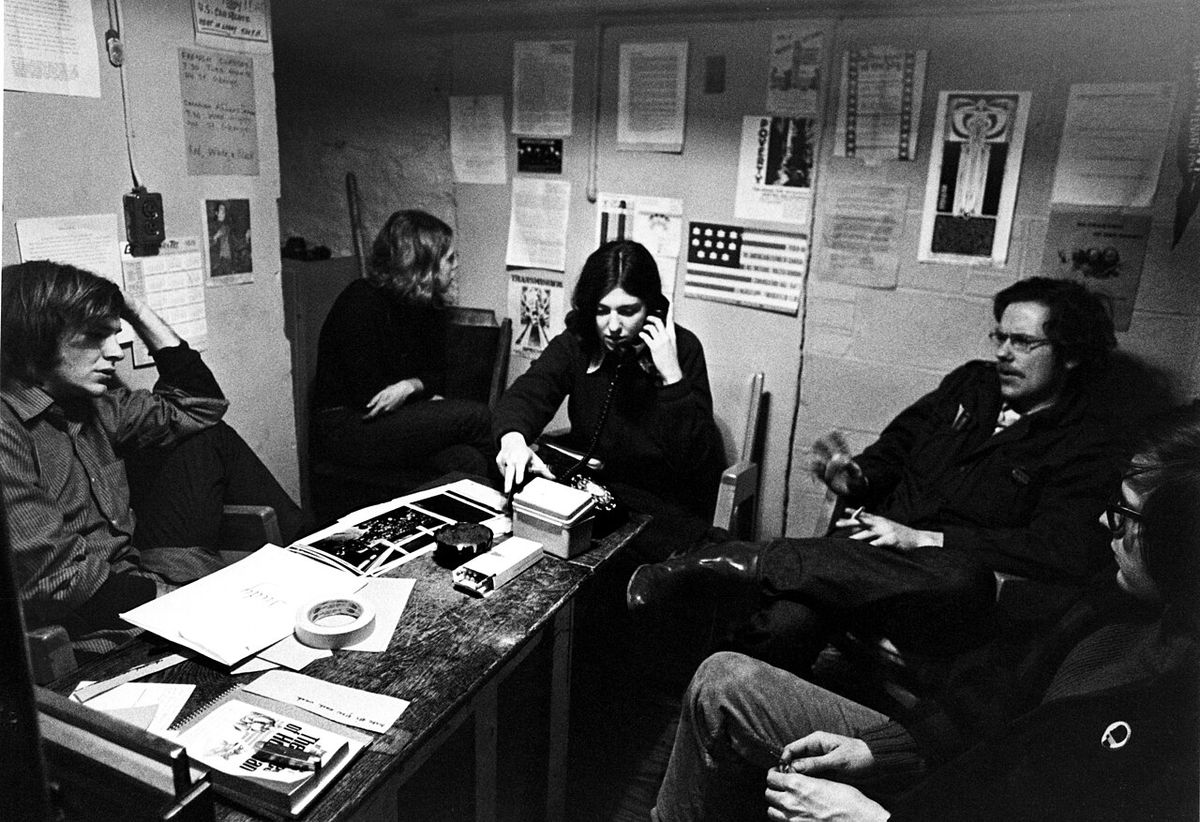
The new arrivals, often well-educated and from middle-class backgrounds, had a significant impact on Canadian society, helping to balance the brain drain of professionals moving to the United States. They formed distinct communities in Montreal, the Slocan Valley in British Columbia, and on Baldwin Street in Toronto. They were assisted by local anti-draft organizations like the Toronto Anti-Draft Programme, whose counsellor Mark Satin wrote the influential Manual for Draft-Age Immigrants to Canada in 1968, selling nearly 100,000 copies. While many returned to the United States after President Jimmy Carter's pardon for draft evaders in 1977, roughly half remained in Canada permanently, enriching the nation's academic, cultural, and political life.
Prominent draft evaders who stayed in Canada include science fiction author William Gibson, singer-songwriter Jesse Winchester, and musician Mike Fisher, a founding member of the band Heart. Deserters faced a different legal situation, as they were never pardoned and could theoretically still face arrest if returning to the United States, as cases in 2000 and 2006 demonstrated. Notable deserters who built lives in Canada include former CBC Radio host Andy Barrie and Montreal Gazette sports columnist Jack Todd. In February 2009, text describing Canada's welcome of these resisters was controversially removed from the Citizenship and Immigration Canada website, where it had been posted since 2000.
Political Relations and the Shift to Criticism
Canada's diplomatic relationship with the United States over Vietnam evolved from quiet support to public friction. Prime Minister Lester Pearson's government publicly backed U.S. objectives, with Pearson stating in a 1965 speech at Temple University that the government and great majority of people of my country have supported wholeheartedly the US peacekeeping and peacemaking policies in Vietnam. However, in that same speech, he called for a pause in the bombing of North Vietnam, a suggestion that reportedly provoked a furious reaction from President Lyndon B. Johnson. The political scene changed dramatically with the election of Pierre Trudeau in 1968. Trudeau's government adopted a posture of unrelenting criticism toward U.S. policy, called for immediate negotiations, and offered to serve as a mediator, much to the annoyance of President Richard Nixon.
Canada's final official military contribution to the Vietnam era was a peacekeeping one. Between January 28 and July 31, 1973, Canada contributed 240 troops to Operation Gallant, part of the International Commission of Control and Supervision established by the Paris Peace Accords. Alongside personnel from Hungary, Indonesia, and Poland, their role was to monitor the ceasefire in South Vietnam. Canada's departure from the commission later that year marked the end of its formal institutional involvement, though the war's aftermath continued to shape Canada through the subsequent admission of Vietnamese refugees, known as the boat people.
Cultural Legacy and Historical Reckoning
The Vietnam War left a deep imprint on Canadian culture and historical consciousness, despite the absence of Canadian combat troops. The conflict seized the Canadian imagination and contributed to a fertile period in Canadian literature, as explored in works like Robert McGill's War Is Here: The Vietnam War and Canadian Literature . Writers used the war to interrogate themes of American imperialism, Canadian complicity, and national identity. Historical scholarship has also revised the earlier narrative of Canadian innocence. The release of cabinet papers, diplomatic cables, and commission records has revealed the extent of Canada's covert support for U.S. counterinsurgency and espionage efforts. These actions, which included spotting for U.S. bombers and shielding the defoliant program, were justified by Ottawa as necessary to counterbalance Eastern bloc activities on the truce commissions. This more nuanced understanding acknowledges Canada not as a mere bystander but as a willing, if unofficial, ally in a controversial war, a complexity that continues to inform discussions about Canada's role in international conflicts and its relationship with the United States.
After the war, Canada admitted an estimated 60,000 Vietnamese boat people between 1979 and 1980, the highest number accepted by any nation during that period. This created a substantial Vietnamese community in Canada, concentrated especially in Montreal, Vancouver, and Toronto. The war was also an important cultural turning point in Canada. Coupled with Canada's centenary in 1967 and the success of Expo 67, Canada became far more independent and nationalistic. The public became more willing to oppose the United States and to move in a different direction socially and politically.
Questions about Canada and the Vietnam War
How many Canadians fought in the Vietnam War?
An estimated 30,000 Canadian citizens volunteered to serve in the United States armed forces during the Vietnam War. According to a 2015 CBC report, some historians put the number as high as 40,000. Of these volunteers, about 12,000 saw combat in Vietnam. At least 134 Canadians were killed in action or declared missing during the conflict.
Did Canada send troops to fight in Vietnam?
Canada did not send combat troops to fight in the Vietnam War. Its official stance was that of a non-belligerent. However, between January 28 and July 31, 1973, Canada contributed 240 peacekeeping troops to Operation Gallant under the International Commission of Control and Supervision. Their role was to monitor the ceasefire in South Vietnam as established by the Paris Peace Accords.
How did Canada help the United States during the war?
Canada helped the United States through substantial material support and diplomatic cooperation. Canadian industry sold over $12.5 billion in war materiel and supplies to the U.S. between 1965 and 1973, including ammunition, napalm, and aircraft engines. Diplomatically, Canada provided cover on international commissions like the ICC, and Canadian diplomat J. Blair Seaborn secretly exchanged messages between the U.S. and North Vietnam. The Canadian government also allowed the U.S. to use Canadian facilities for training and weapons testing under existing treaties.
What was Canada's official position on the Vietnam War?
Canada's official position was one of non-belligerence and public neutrality. It was a founding member of the International Control Commission in 1954 to oversee the Geneva Agreements. The government's public stance shifted from Prime Minister Lester Pearson's stated support for U.S. policy in 1965 to Prime Minister Pierre Trudeau's open criticism after 1968. Trudeau called for immediate negotiations and offered to serve as a mediator between the U.S. and North Vietnam.
Are there memorials in Canada for the Vietnam War?
Yes, there are several memorials in Canada related to the Vietnam War. A privately funded monument in Windsor, Ontario, is dedicated to Canadians killed while serving with U.S. forces. Another monument in Melocheville, Quebec, was funded by the Association Québécoise des Vétérans du Vietnam and dates from October 1989. These monuments honour the Canadians who served and died in the conflict.
Why did American draft dodgers come to Canada?
American draft evaders and military deserters came to Canada to avoid compulsory service in the U.S. military during the Vietnam War. Canada became a primary choice because its immigration policies made it relatively easy to obtain legal status. Under Prime Minister Pierre Trudeau, the government announced in 1969 that immigration officials could not ask applicants about their military status. These war resisters were admitted as regular immigrants.
Sources and further reading
- Canada and the Vietnam War (Wikipedia)
- Canada and the Vietnam War (johnboyko.com)
- Vietnam War (thecanadianencyclopedia.ca)
- War Is Here: The Vietnam War and Canadian Literature (robert-mcgill.com)
Checked by the Nosy Mag desk. Last updated 2026-10-26.