Spanish 21
Spanish 21 is a proprietary blackjack variant owned by Masque Publishing Inc., first introduced to casinos around 1995. The game is distinguished by its use of 48-card decks with all 10-spot cards removed, creating a unique mathematical foundation. To compensate for the missing tens, Spanish 21 offers players a suite of favourable rules, including the ability to double down on any number of cards and late surrender. It presents an alternative to classic blackjack, often with a complex basic strategy that appeals to players seeking a game with multiple bonus opportunities.
Core Rules and Gameplay
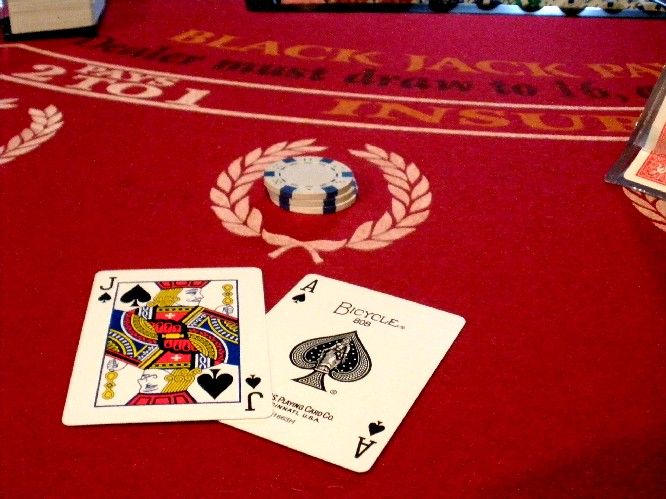
Spanish 21 follows the fundamental objective of blackjack: to achieve a hand total closer to 21 than the dealer's without exceeding it. The game is typically dealt from a shoe containing six or eight 48-card decks. All face cards (Jacks, Queens, Kings) count as 10, and Aces count as 1 or 11. The defining mechanical difference is the absence of all 10-value cards, which alters the deck composition and probabilities. Players compete only against the dealer, not each other, and must place their main wager before any cards are dealt. The dealer usually must stand on all 17s, both hard and soft, which is a standard rule in most jurisdictions.
After the initial two cards are dealt to each player and the dealer, with one dealer card face up, players act on their hands in turn. The standard actions of hit, stand, split, and double down are available but with expanded parameters compared to classic blackjack. A player may split any pair, including Aces, up to three times to create a maximum of four separate hands. Players are also allowed to draw additional cards on split Aces, which is typically prohibited in standard blackjack. Crucially, the double down rule is exceptionally liberal, permitting a player to double their bet on any total, even after drawing multiple cards or after splitting.
Two additional player options significantly affect strategy. First, late surrender allows a player to forfeit half their original bet after seeing their initial two cards, provided the dealer does not have a blackjack. Second, the double down rescue rule offers a unique recourse. If a player doubles down and is dissatisfied with their single drawn card, they may forfeit their original bet to reclaim the doubled portion, provided the hand has not busted. The dealer gets a hole card and peeks for blackjack if showing an Ace or face card before play commences. These rules collectively provide players with more avenues to mitigate losses and capitalize on strong positions during a round.

Bonus Payouts and Winning Conditions
The game offers several enhanced payouts for specific player achievements, designed to offset the disadvantage caused by the missing tens. The most fundamental bonus is that a player's blackjack, an Ace and a 10-value card, always beats a dealer's blackjack and is paid at 3 to 2. More broadly, any player hand totalling 21 automatically wins against a dealer's 21. Beyond the standard even-money payout for a winning 21, the game rewards players for making 21 with more cards through escalating bonus payouts.
- A 21 made with five cards pays 3 to 2.
- A 21 made with six cards pays 2 to 1.
- A 21 made with seven or more cards pays 3 to 1.
- A 21 composed of 6-7-8 or 7-7-7 of mixed suits pays 3:2, of the same suit pays 2:1, and of spades pays 3:1. These bonuses apply even after a split but are negated by doubling down.
The Match the Dealer Side Bet
An optional side wager, Match the Dealer, is a staple of Spanish 21 tables. Before the initial deal, a player may place a separate bet that one or both of their first two cards will match the numerical value of the dealer's upcard. Suits do not matter for a basic match. The payout structure rewards matches based on whether the player's card is the same suit as the dealer's card. A non-suited match typically pays 4 to 1 on a six-deck game and 3 to 1 on an eight-deck game. A suited match, or perfect match, pays 9 to 1 on six decks and 12 to 1 on eight decks. A player may win on both cards. This side bet is independent of the outcome of the main blackjack hand.
The house edge for the Match the Dealer side bet is approximately 3 percent, which is one of the lowest for any blackjack side bet. Some casinos offer a second Match the Dealer bet which wins when either or both of the player's initial two cards match the dealer's hole card. The maximum bet for Match the Dealer is often capped, such as at $50 in some implementations. This side bet adds an extra layer of anticipation to each round of Spanish 21.
House Edge and Strategic Implications
The removal of the 10s from the deck increases the house edge by approximately 2 percent in a raw comparison to a standard blackjack game. However, the suite of player-friendly rules in Spanish 21 works to counterbalance this disadvantage. With optimal play, the house edge of a Spanish 21 table is lower than that of a blackjack table with the same rules on hitting or standing on soft 17. The altered deck composition necessitates major strategic adjustments. For instance, because 10-value cards are less frequent, players should double down more aggressively on soft hands like Ace-7 and Ace-8 against a dealer's weak upcard. The late surrender rule becomes a vital tool. The ability to double after multiple cards also creates unique opportunities, such as doubling on a hard 11 even after hitting. Adherence to the correct Spanish 21 basic strategy is essential for minimizing the house advantage.
| Strategic Situation | Standard Blackjack Action | Spanish 21 Action |
|---|---|---|
| Player has Ace-7 vs. Dealer 3 | Stand | Double Down |
| Player has hard 11 after a hit | Not applicable (cannot double) | Double Down |
| Pair of 8s vs. Dealer 10 | Split | Surrender (if allowed) or Hit |
Player Rules and Table Conduct
Casinos enforce specific rules of play to ensure game integrity and smooth operation. Players are not permitted to touch or alter the cards in Spanish 21, which are dealt face up. Each player is responsible for the correct count of their own hand, and the dealer will not advise on totals. Once the first card of a round is dealt, no wager may be placed, increased, or withdrawn. This rule applies to both the main bet and any side bets like Match the Dealer. Insurance is offered as a separate wager when the dealer's face-up card is an Ace, allowing a player to bet up to half their original wager that the dealer has a blackjack. Insurance pays 2 to 1 despite the reduced ten density, resulting in a house edge of about 24.7 percent.
The insurance bet is unique because a player can take it even when they hold a blackjack themselves. Late surrender is allowed on the first two cards before any additional cards are drawn. If a player surrenders and the dealer has a blackjack, the entire wager is forfeited. These procedural rules create a structured environment for the game of Spanish 21.
- Players cannot touch the cards.
- Each player tracks their own hand total.
- No bets can be changed after the first card is dealt.
- Insurance is offered against a dealer Ace, paying 2:1.
- Late surrender is allowed on the first two cards.
- A dealer blackjack voids surrender and takes the full bet.
Availability in Canadian Casinos
Spanish 21 is widely available in land-based casinos across Canada, including major properties operated by Great Canadian Casino, Gateway Casinos, and Caesards Windsor. It is commonly found on the main gaming floor alongside traditional blackjack, pai gow poker, and other table games. The game's popularity stems from its perceived player advantages and the engaging bonus payouts. In many Canadian casinos, the minimum bet for Spanish 21 is lower than for the standard blackjack tables, making it an accessible entry point for adult players new to table games. Canadian gaming regulations, which are provincially controlled, ensure the game is offered with consistent rules regarding deck penetration, shuffle procedures, and payout validation. The game is also available at some online casinos that serve the Canadian market, though players must ensure they are playing on a licensed and regulated site. As with all casino games, Spanish 21 is intended for adult entertainment, and provincial bodies like the Responsible Gambling Council provide resources for healthy play.
Comparison with Classic Blackjack
While both games share a common goal, the differences between Spanish 21 and classic blackjack are substantial and influence the player experience. The most obvious distinction is the deck: Spanish 21 uses 48-card decks without 10s, while blackjack uses standard 52-card decks. This structural change is the catalyst for all other variations. In terms of player options, Spanish 21 is far more permissive, allowing doubling on any number of cards and after splitting, late surrender, and double down rescue. Classic blackjack typically restricts doubling to initial two-card totals of 9, 10, or 11 and often does not offer surrender at all.
The bonus structure is another major differentiator. Classic blackjack offers a standard 3 to 2 payout for a natural blackjack and even money for other winning hands, with no bonuses for multi-card 21s. Spanish 21 features a cascading bonus system for 21s made with five or more cards and the coveted Super Bonus. In Spanish 21, a player's 21 always wins against a dealer's 21, whereas in blackjack, a dealer's 21 ties with a player's 21 unless it is a blackjack. The house edge in Spanish 21 with optimal play can be lower than in classic blackjack under comparable rule sets. These rules make Spanish 21 a more volatile but potentially more rewarding game, with a different strategic rhythm that many players find engaging.
Key Rule Exceptions and Clarifications
Beyond the headline bonuses and common rules, several specific conditions and exceptions govern play. A player's blackjack always beats a dealer's blackjack, paying 3 to 2. A player's total of 21 always wins against a dealer's total of 21. When doubling down, players may make an additional wager up to their original amount and draw only one card. No bonus payouts above even money are paid on doubled hands, meaning a player cannot win a multi-card 21 bonus on a hand they have doubled.
The Super Bonus has strict conditions that void eligibility. A suited 7-7-7 in the player's initial hand against a dealer's 7 upcard pays $1000 for bets under $25 and $5000 for bets of $25 and over. Splitting or doubling a hand containing the three 7s invalidates the bonus. The Envy Bonus, a fixed $50 payment to all other players at the table when someone wins the Super Bonus, requires no side bet. In some casinos, players may redouble up to two times after doubling down, which is a player-advantageous rule when optimally executed. These detailed rules show the need for players to understand the specific parameters of each bonus and playing option before making strategic decisions at the table.
- Player blackjack beats dealer blackjack (3:2 payout).
- Player 21 beats dealer 21.
- Doubling allows one additional card and voids bonus payouts.
- Super Bonus requires three suited 7s in the initial hand, no splitting or doubling.
- Envy Bonus of $50 paid to all active players when any player wins the Super Bonus.
- Match the Dealer side bet payouts vary by deck count (4:1/3:1 for rank, 9:1/12:1 for suited).
- Insurance is a separate wager up to half the original bet, paying 2:1.
- Late surrender forfeits half the bet if dealer does not have blackjack.
Questions about Spanish 21
What is Spanish 21?
Spanish 21 is a blackjack variant where all 10-spot cards are removed from the deck, leaving 48 cards. Owned by Masque Publishing Inc., it was introduced around 1995. The game compensates for the missing tens with player-friendly rules like late surrender, doubling on any number of cards, and bonus payouts for multi-card 21s. It is a popular table game in casinos, offering a different strategic challenge from classic blackjack.
How do you play Spanish 21?
You play Spanish 21 by trying to beat the dealer's hand total without going over 21. After placing a main wager, you receive two cards and the dealer gets one face-up card and a hole card. You can hit, stand, split pairs including Aces up to four hands, or double down on any total, even after multiple cards. Key options include late surrender and a rescue option after doubling. A player's 21 always beats a dealer's 21, and special bonuses are paid for 21s made with five or more cards.
Can you double down after splitting in Spanish 21?
Yes, in Spanish 21, players are allowed to double down after splitting pairs. You may also double down on any hand total, even after having drawn multiple cards to that hand. However, if you double down or split a hand, you become ineligible for the multi-card 21 bonus payouts and the Super Bonus on that specific hand. Some casinos also allow redoubling up to two times after an initial double down.
What is the house edge in Spanish 21?
The removal of the 10s increases the house edge by about 2 percent compared to standard blackjack. However, the favourable player rules offset this. With optimal basic strategy, the house edge in Spanish 21 can be lower than in classic blackjack under comparable rule sets, such as both games using stand on soft 17. The exact figure depends on specific table rules like the number of decks and whether the dealer hits soft 17.
What is the Match the Dealer side bet?
Match the Dealer is an optional side bet where a player wagers that either or both of their initial two cards will numerically match the dealer's upcard. A rank match pays 4:1 on six decks or 3:1 on eight decks. A suited match pays 9:1 on six decks or 12:1 on eight decks. A player may win on both cards. The side bet has a house edge of about 3 percent, which is low for a blackjack side bet. It is independent of the main hand outcome.
Where can I play Spanish 21 in Canada?
Spanish 21 is available at many land based casinos across Canada, including properties by Great Canadian Casino and Gateway Casinos. It is commonly found on the main gaming floor alongside other table games. The game often features lower minimum bets than classic blackjack tables. It is also offered by some licensed online casinos serving the Canadian market. As a casino table game, it is intended for adult players who meet the legal gambling age in their province.
Sources and further reading
- How to Play Spanish 21 - Table Games (senecaniagaracasino.com)
- Spanish 21, Rivers Casino Philadelphia (riverscasino.com)
- Spanish 21, Rivers Casino Philadelphia (riverscasino.com)
- Comparing the Unique Rules of Spanish 21 and Blackjack (sycuan.com)
- How to Play Spanish 21 - Table Games (senecabuffalocreekcasino.com)
Checked by the Nosy Mag desk. Last updated 2026-11-20.