Durak
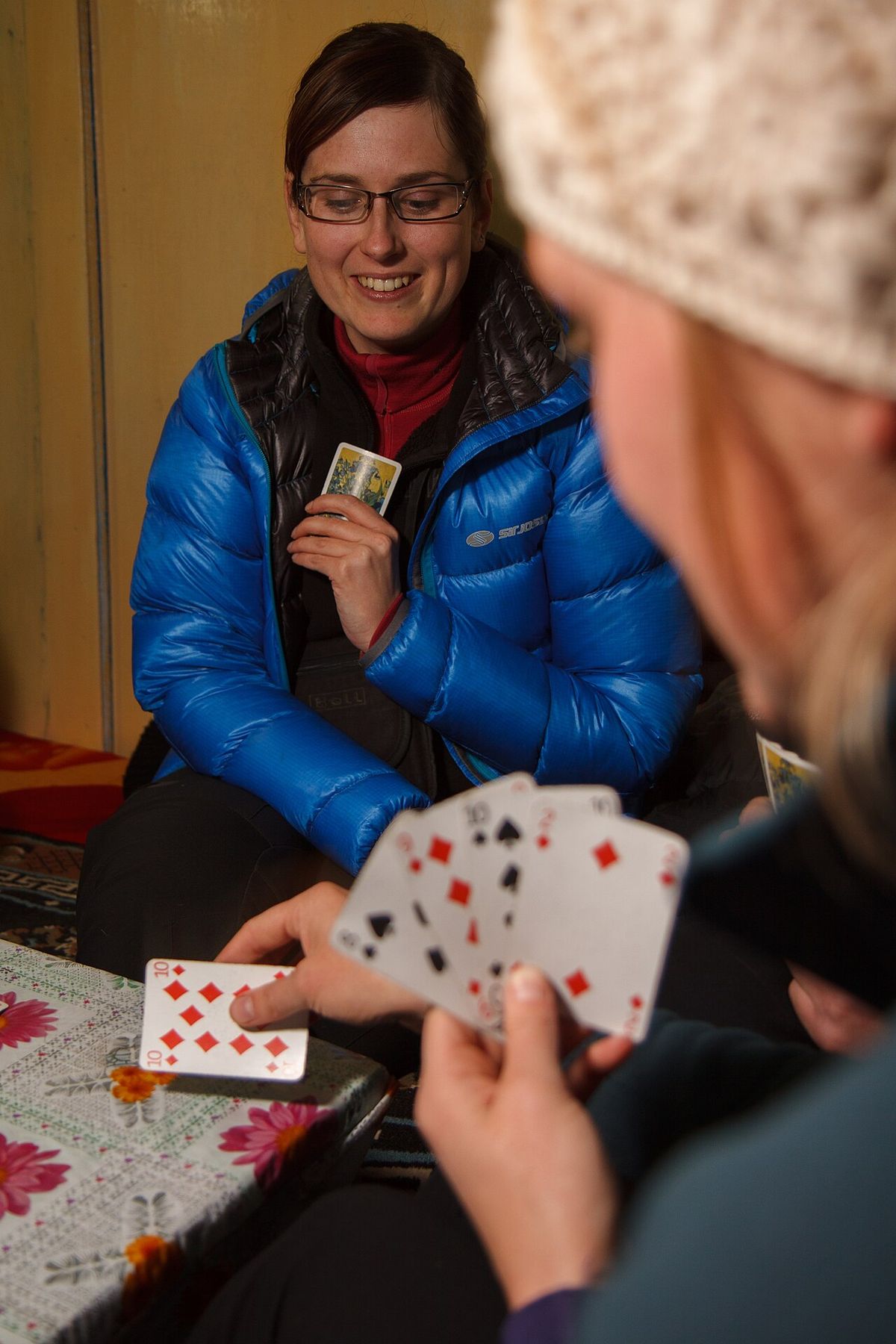
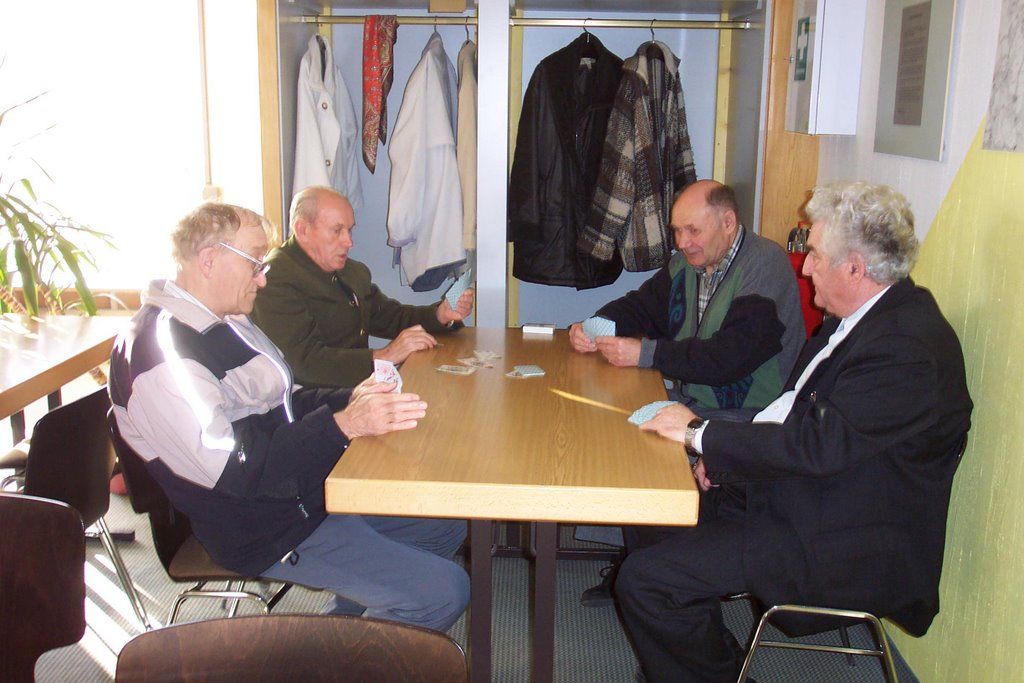
Durak is a traditional Russian card game of attack and defence that is the most popular card game in Russia and many other post-Soviet states. The objective is to shed all of one's cards, with the last player left holding cards declared the 'durak' or fool. In Canada, Durak is known within communities of Eastern European heritage, including Doukhobor families, where it serves as a staple of social gatherings. The game is typically played by two to five players, or six if desired, using a 36-card deck and is known for its fast-paced, strategic gameplay.
Origins and Historical Development
The game of Durak is attributed to having appeared in the late 18th-century Russian Empire. Historical accounts suggest it was popularized by Imperial Army conscripts during the 1812 Russo-French war. Initially a social pastime of uneducated peasants and industrial workers, after the October Revolution Durak spread to numerous social levels by the mid-20th century to become the most popular Soviet card game, displacing Preferans. This trajectory from a folk game to a national staple mirrors broader social changes. In Canada, the game arrived with waves of immigration, finding a particular home within Doukhobor communities where it is described as a family staple and a feature of every gathering, connecting generations.
Equipment, Setup, and Initial Deal
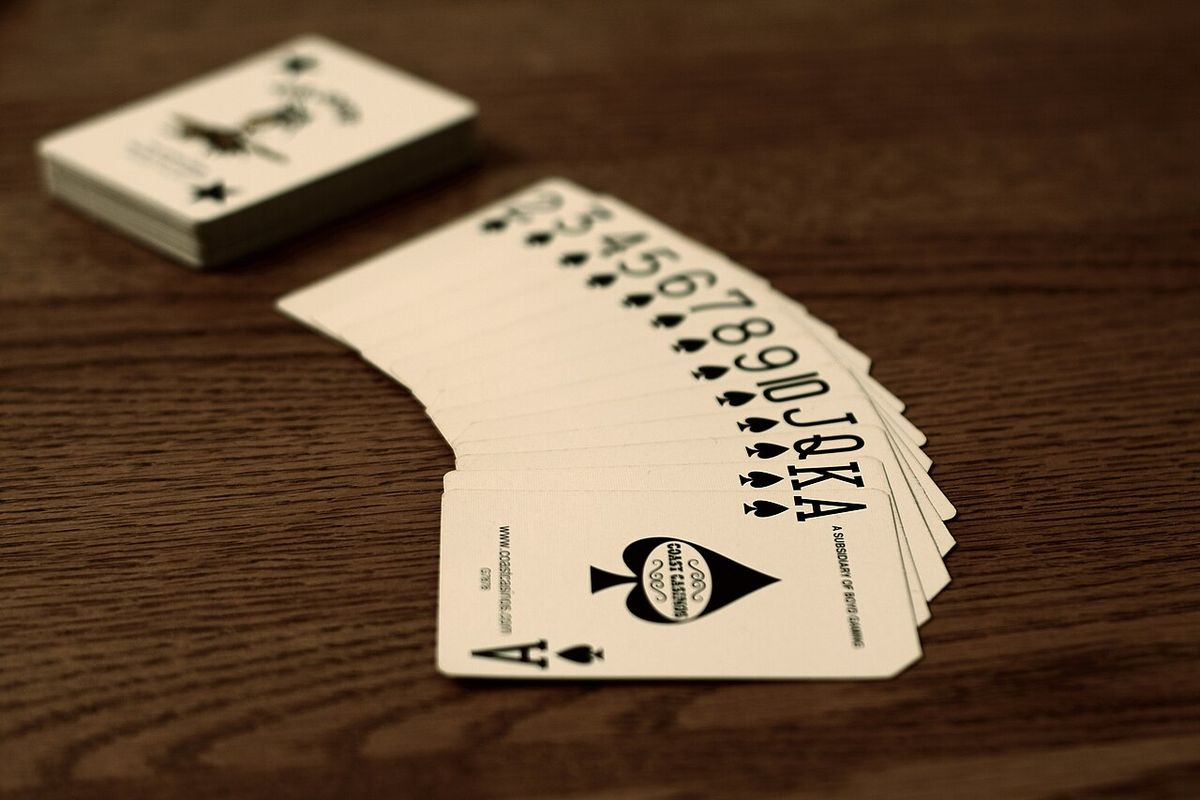
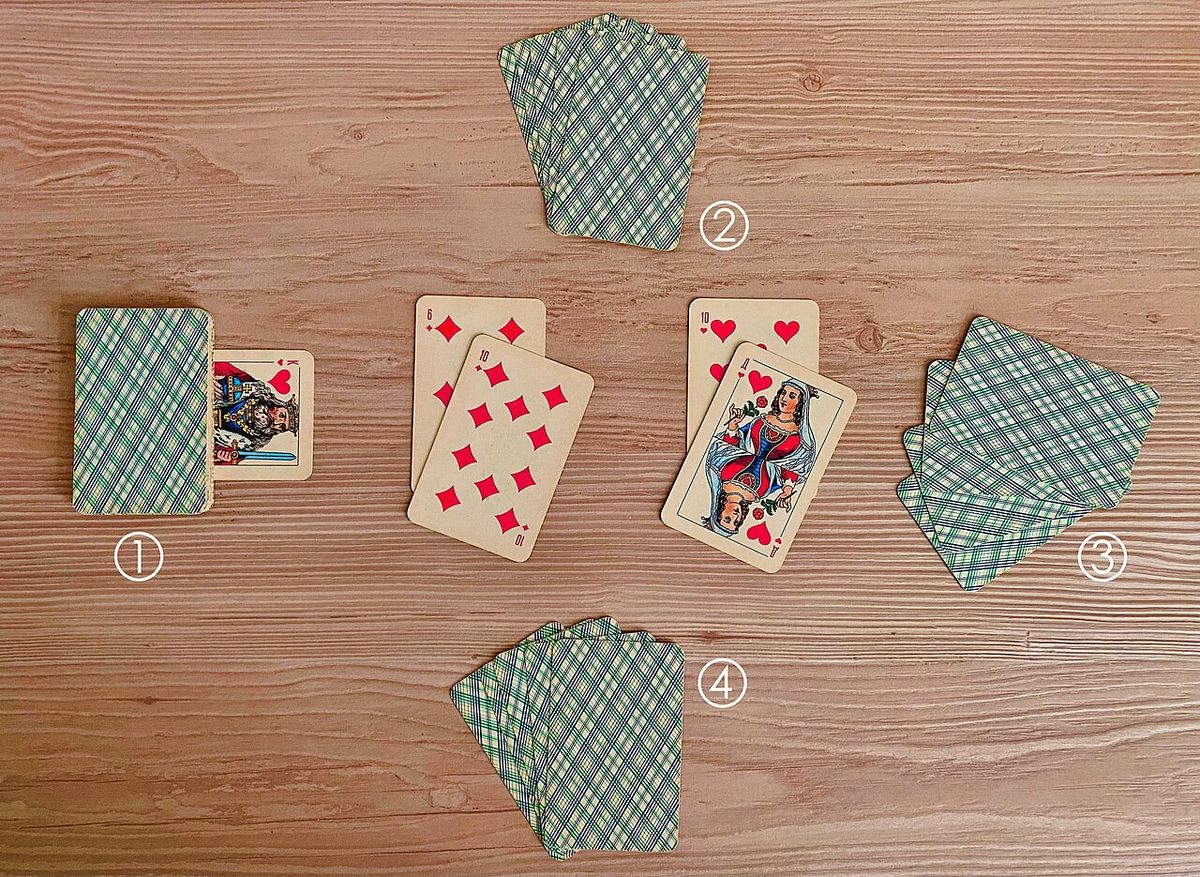
Durak requires a modified deck of 36 cards, which is created by removing all cards ranked 2, 3, 4, and 5 from a standard 52-card French deck. The game is typically played with two to five people, with six players if desired. Using a single deck with six players extends a considerable advantage to the player who attacks first and a disadvantage to the player who defends first. The setup begins with shuffling the deck. Each player is then dealt six cards. The dealer then turns the bottom card of the remaining stock face up on the table. This card's suit determines the trump suit for the entire deal. The rest of the deck is placed crosswise over this face-up card, forming the talon or prikup, with the trump card remaining visible until it is drawn as the last card. A separate discard pile is established next to the talon for cards from successfully defended rounds. Some house rules, noted in Canadian variations, call for a redeal if any player is dealt a hand consisting of all red cards, all black cards, or five cards of the same suit, ensuring a fair start.
Core Gameplay Mechanics
Card Rank and Trump Suit: The card ranking in Durak is ascending from 6 (low) to Ace (high). The trump suit, determined at setup, overrides this hierarchy, as any trump card beats any non-trump card regardless of rank. For example, the 6 of trumps defeats the Ace of spades if spades are not trump. The player who has the lowest trump card becomes the first attacker, though they are not obligated to play that card. The player to the attacker's left is always the defender. After each round of attack, play proceeds clockwise.
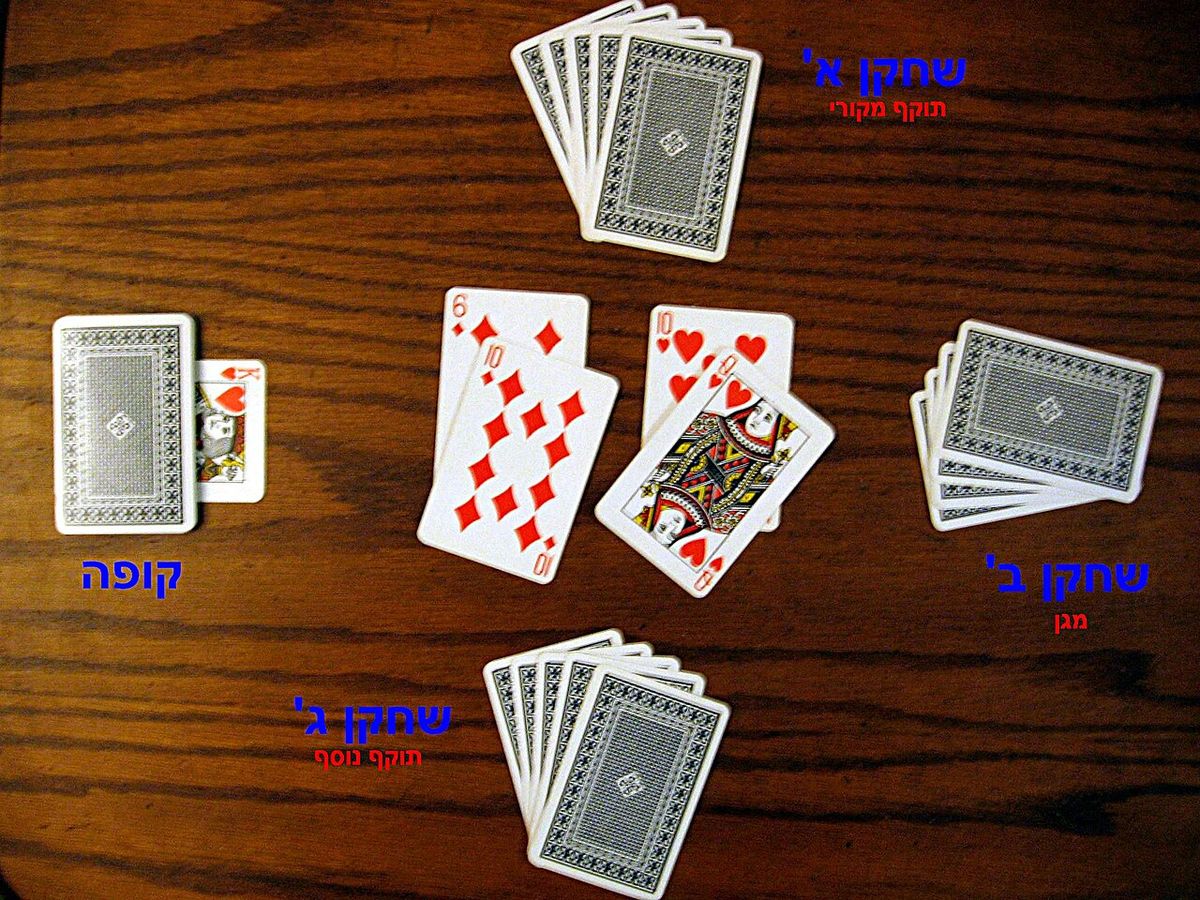
The Attack and Defence Cycle: The attacker begins by playing one card face up. The defender must beat this card by playing a higher-ranking card of the same suit or any card from the trump suit. If successful, the defending card is placed overlapping the attack card. Following a successful defence, the original attacker may launch a new attack, but each subsequent attack card must match the rank of any card already on the table during that round. Other players, moving clockwise from the defender's left, may also initiate new attacks under the same matching-rank rule. A maximum of six attacks are permitted per defensive round. The process of attacking and defending follows a strict sequence of priorities.
- The original attacker has priority to make a new attack after a successful defence.
- If the original attacker passes, the player to the defender's left may attack.
- Priority continues clockwise around the table among non-defending players.
- Each new attack card is placed to the left of the previous cards, forming a row.
- The defender must respond to each new attack individually.
- If a defender cannot or chooses not to beat an attack, they must pick up all cards from the round.
End of Round and Drawing: After a round concludes, players draw cards from the talon to replenish their hands to six. The main attacker draws first, followed by any other attackers in clockwise order, and finally the defender draws. This order can influence strategy, as the defender draws last. The game continues until the talon is exhausted. Players who successfully play all their cards exit the game, and the last player left with cards is the durak.
Major Game Variants
Several major variants of Durak significantly alter its dynamics and strategic depth. The most common is Perevodnoy durak, or transferable fool. In this version, a defender may transfer the defence to the next player if they hold a card of the same rank as the current attack card. They add this card to the pile, and the next player becomes the new defender who must beat all accumulated cards. The original defender then becomes the new attacker. Passing is not allowed if the new defender has fewer cards in hand than the number of cards in the passed attack. In games with four or fewer players, this can result in the attack passing full circle back to the original attacker. One variation of passing called proyezdnoy or pokaznoy allows a defender who holds the trump of the same rank to simply show the card to pass the attack on and become the new attacker. Team play is also a formal variant, where four players form two partnerships or six players form three teams of two or two teams of three, with teammates sitting opposite or alternating. In team play, players are forbidden from adding to attacks on their own teammates.
| Variant Name | Key Rule |
|---|---|
| Perevodnoy (Transferable) Durak | Defender can pass defence with a card of matching rank. |
| Proyezdnoy/Pokaznoy Durak | Defender can pass by showing a trump card of matching rank. |
| Team Durak | Played in partnerships, with opposing or alternating seating. |
- Perevodnoy (Transferable) Durak: Defender can pass defence with a card of matching rank.
- Proyezdnoy (Drive-by) Durak: Defender can pass by showing a trump card of matching rank.
- Team Durak: Played in partnerships, with opposing or alternating seating.
- Double-Backs: A common Doukhobor house rule allowing extra attacks with cards matching any rank in play.
- Fool with Epaulettes: A scoring variant where losing to specific low cards carries progressive penalties.
Scoring, Penalties, and the 'Fool with Epaulettes'
In its basic form, Durak does not use a point scoring system, the sole outcome being the identification of the fool. However, several traditions and variants introduce layered concepts of victory and penalty. The most colourful is the 'fool with epaulettes' (durak s pogonami) or 'fool with a necktie' (durak s galstukom). This occurs when the final, winning attack against a defender is made with a six. The loser is pronounced with this embellished title, and the six card may be symbolically placed on their chest. This is considered a greater disgrace than a simple loss. If the final attack involves two sixes, the loser is said to have 'epaulettes on both shoulders'. Some variants formalize this into a scoring system where opponents must subsequently score against the player using progressively higher cards.
| Tie Card That Caused Loss | Next Required Card to Score Against Player |
|---|---|
| Six | Seven |
| Seven | Eight |
| Eight | Nine |
| Nine | Ten |
| Ten | Jack |
| Jack | Queen |
| Queen | King |
| King | Ace |
To successfully score using this system, the winning individual or team must not only end the game with the correct tie card value but must also include at least one non-trump card in the final attack. This rule adds a ceremonial and extended competitive layer to the game. However, it is not universally adopted. In more casual settings, the loser may simply become the dealer for the next round. Alternatively, the player to the fool's right may become the first attacker for the next round.
Digital Evolution and Canadian Context
Durak has seen significant growth in digital formats, making it accessible to a global audience and facilitating online play. By 2026, multiple dedicated applications and platforms were active, including a Google Play app updated in August 2026, a Windows game released in June 2026, and a Steam version called SUPER DURAK launched in November 2026. These platforms often include features like matchmaking invites, rank tracking, and the ability to play against AI opponents. The digital version of the game saw rapid adoption, with one website reporting it had passed 1,000 rounds played in just 15 days during October 2026. In Canada, the game maintains a strong cultural presence beyond the screen. It is deeply embedded in family traditions, particularly within Doukhobor, Russian, and Ukrainian communities. Personal accounts describe it as a game played by grandparents and children alike, a constant at gatherings. Its fast pace and capacity for friendly competition make it a lasting social activity. The Canadian variation often includes house rules. Local community events, such as a Ukrainian card game tournament advertised for September 21, 2026, also demonstrate its active play in Canadian cities.
| Platform/Event | Release/Update Date | Key Feature |
|---|---|---|
| Durak, Google Play App | Updated August 14, 2026 | Configurable rules, Android & Windows |
| OGS Durak Card Game | Released June 18, 2026 | Online play vs. real players or AI |
| SUPER DURAK on Steam | Released November 16, 2026 | Adds 'Supercards' that break standard rules |
| Durak Card Game Website Milestone | October 2026 | Passed 1,000 rounds played in 15 days |
| Ukrainian Card Game Tournament | September 21, 2026 | Local community tournament with prizes |
Strategy and Tactical Considerations
Mastering Durak requires understanding nuanced tactics. A fundamental strategic pillar is trump management, conserving high trumps like the Ace and King for crucial defensive stands or for launching decisive attacks late in the game when the talon is thin. Careful card counting, or at least tracking which high cards and trumps have been played, is essential for assessing risk. When attacking, leading with a low card of a suit where you hold multiple cards can be effective, potentially forcing defenders to expend valuable resources. If you are defending, consider whether picking up cards might actually benefit you by giving you more options, especially if the attack contains several low cards. In team play, while explicit communication is often against the rules, implicit coordination is key. Avoid adding cards to an attack on your partner and focus collective pressure on opponents. Be mindful of the drawing order, as the defender draws last, a position that can leave you with a weak hand if the talon is depleted of good cards. Finally, understand the psychological aspect. The game often involves ganging up on a player who is close to winning, a dynamic that is central to its social and competitive nature.
Questions about Durak
What is the objective of the card game Durak?
The objective in Durak is to shed all the cards from your hand. The game continues until the draw pile is exhausted and only one player remains with cards. That last player is declared the 'durak' or fool, the loser of the game. In some variants, the first player to empty their hand is the winner, while in others there are no winners, only the loser. This simple objective of avoiding being the last player with cards drives the game's competitive and strategic nature.
How many cards are used to play Durak?
Durak is played with a deck of 36 cards. This is formed by taking a standard 52-card French deck and removing all cards with ranks of 2, 3, 4, and 5. The remaining cards rank from lowest to highest as 6, 7, 8, 9, 10, Jack, Queen, King, and Ace. One suit is designated as trump for each deal, making any card of that suit superior to cards of other suits. This modified deck is standard for most traditional play.
Can you play Durak with more than 6 players?
The theoretical maximum with one 36-card deck is six players, but this extends a considerable advantage to the first attacker. For larger groups, it is possible to add a second deck. However, many experienced players advise against playing with more than eight people, as it becomes difficult to see all the cards on the table. For big groups, other card games like Preferans are often suggested as more suitable alternatives.
What does 'durak s pogonami' mean?
'Durak s pogonami' is a Russian phrase meaning 'fool with epaulettes'. It is a title given to a player who loses a round where the final, winning attack card was a six. If the attack involved two sixes, the loser is said to have epaulettes on both shoulders. This is considered a greater dishonour than a regular loss, symbolizing defeat by the weakest card. The six card may be symbolically placed on the loser's chest as part of this ritual.
What is 'Perevodnoy' Durak?
Perevodnoy Durak, or transferable fool, is a major variant. A defender can pass the defence to the next player if they hold a card of the same rank as the attack card. They add this card to the pile, and the next player becomes the new defender who must beat all cards. The original defender then becomes the new attacker. This rule introduces a significant strategic layer of deflection and shared responsibility, altering the game's dynamics considerably.
Is Durak popular in Canada?
Yes, Durak has a notable presence in Canada, particularly within communities with Eastern European heritage such as Russian, Ukrainian, and Doukhobor families. It is often a staple at family gatherings and a game passed down through generations. Its popularity is also reflected in local community tournaments and the availability of digital versions played by Canadians online. There are specific references to its role in Doukhobor family life in the Pacific Northwest.
Sources and further reading
- Durak (Wikipedia)
- News | Durak Card Game (durakcardgame.com)
- How To Play Durak (A Doukhobor Card Game) - Berries & Barnacles (berriesandbarnacles.com)
- How To Play Durak (A Doukhobor Card Game) - Berries & Barnacles (berriesandbarnacles.com)
- Rules of Durak (playjoy.com)
Checked by the Nosy Mag desk. Last updated 2026-11-10.