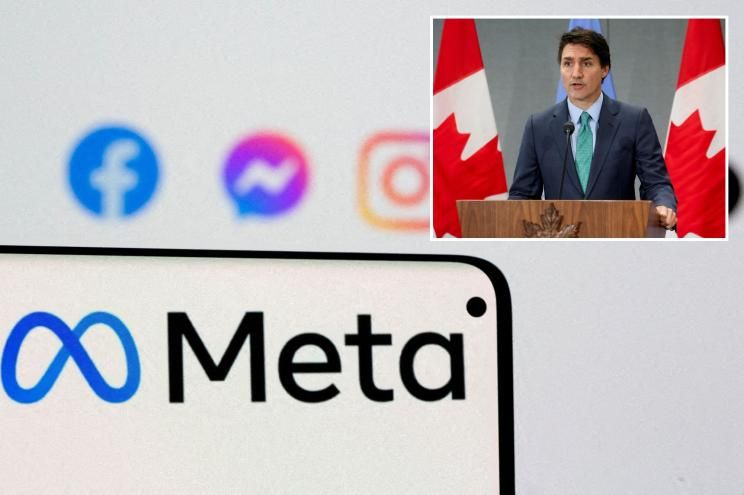
Meta and Google Begin Blocking News Content for Canadians Under Bill C-18, Impacting Publishers Like Narcity
Canadian digital publisher Narcity confirms its Instagram content is already being blocked for some users as Meta and Google implement news restrictions in response to Bill C-18, with broader implications for news distribution and democratic engagement.
Canadian digital media outlet Narcity has become one of the first publishers to publicly confirm the real-world impacts of Meta and Google's decision to restrict news content for Canadian users following the implementation of the Online News Act (Bill C-18). The social-first publisher, which built its audience through platforms like Instagram and Facebook, reports that some readers are already losing access to its journalism through these channels. This development marks a significant moment in the ongoing global debate about the relationship between technology platforms and news organizations.
Immediate Platform Restrictions Take Effect
The technology giants began implementing their restrictions last month after Bill C-18 became law, with Narcity now observing concrete effects on its ability to reach audiences. The company reports that some users are finding its Instagram pages completely blocked, cutting off a primary discovery channel for its local journalism. The full implementation timeline remains uncertain, leaving publishers unsure whether these restrictions will expand to other Meta platforms like Threads and Facebook, or affect how their content appears in Google Search results.
This development strikes at the core of Narcity's operational model. The publisher has cultivated a strong social media presence where audiences traditionally discover its hyperlocal stories.
"We've always been a socially-driven company, and have loved bringing the audiences on these platforms stories that connect them to the cities they live in and love,"the company stated, highlighting how its journalism thrives on platform-based engagement. Many Canadians first encounter Narcity's content through algorithmic recommendations in their social feeds rather than through direct visits to the publisher's website.
The Business Model Challenge for Digital Publishers
The situation presents an existential challenge for publishers who built their distribution strategies around social media algorithms. Narcity's experience demonstrates how digital-native outlets that successfully leveraged platform dynamics now face fundamental questions about audience reach. For years, publishers optimized content for social platforms, training audiences to expect news within their feeds rather than seeking it directly from news organizations. This shift created efficient distribution channels but also made publishers dependent on platforms they don't control.
The current restrictions reveal the fragility of this model. Narcity noted how frequently users report discovering its content through organic social feeds, making these platform blocks particularly disruptive. Unlike traditional media companies that maintained direct subscriber relationships, many digital publishers focused on platform-driven growth now find themselves vulnerable to sudden policy changes. This moment forces a reexamination of whether social platforms can remain reliable partners for news distribution.
Broader Implications for Digital Journalism
Beyond business implications, Narcity framed the issue as having democratic consequences.
"We remain hopeful that Meta and Google will work to find common ground with the government... to champion what local news means to our democratic society,"the publisher stated, connecting platform access to broader civic engagement. This perspective reflects growing concerns about how information ecosystems function when major distribution channels restrict news content.
The restriction raises questions about how Canadians will stay informed about local issues that traditionally reached them through social feeds. Hyperlocal publishers like Narcity often rely on these platforms to surface community-specific stories that might not gain attention through traditional news distribution methods. Without these discovery mechanisms, some fear citizens may become less aware of important local developments, potentially weakening community engagement.
The Legislative Context Behind the Conflict
The Online News Act represents Canada's attempt to address power imbalances between technology platforms and news organizations. The legislation requires digital platforms to compensate Canadian publishers for content shared on their services, aiming to create a more sustainable economic model for journalism. However, Meta and Google have chosen to block news content entirely rather than comply with the payment requirements.
This standoff mirrors similar conflicts in other countries, most notably Australia's 2021 showdown with platforms over news compensation. However, the Canadian implementation appears to be moving faster, with Narcity already seeing impacts just weeks after the law took effect. The publisher described itself as needing to
"ride waves of change"in digital media, but the current situation represents one of its most significant challenges to date.
The rapid implementation suggests platforms may be applying lessons learned from previous regulatory battles. In Australia, platforms initially resisted but eventually negotiated agreements with publishers. In Canada, they appear to be taking a harder line from the outset, possibly hoping to set a precedent that discourages other countries from pursuing similar legislation.
Alternative Distribution Strategies Emerge
Facing uncertain access through primary social platforms, Narcity is directing audiences to alternative channels. The publisher emphasized its website, email newsletter, and presence on platforms including TikTok, Twitter, YouTube, Apple News and Flipboard as stable access points. The company also encouraged readers to follow individual creators directly, acknowledging that personal connections may prove more resilient than institutional pages during platform disruptions.
This push toward diversified distribution reflects an industry-wide recognition that over-reliance on any single platform creates vulnerability. Narcity's approach combines owned channels (like its website and newsletter) with alternative third-party platforms that haven't yet restricted news content. The publisher framed ongoing reader support as essential during this transition.
"We don't just love what we do, we live and breathe it, and to say we couldn't do it without you is an understatement,"the statement emphasized, while inviting direct communication through its editorial leadership at [email protected]. This outreach reflects how publishers are increasingly seeking direct relationships with audiences amid platform instability.
Industry-Wide Concerns About Implementation
The news blocking has sparked broader debates about how to balance journalism funding with information accessibility. Some publishers strongly support the law's intent to secure revenue from platforms that benefit from news content, while others worry about losing vital traffic that sustains their operations. Smaller digital-native outlets like Narcity appear particularly vulnerable, having built distribution models around social platforms now restricting their content.
Narcity's statement reflects this tension, advocating both for fair compensation and continued platform access. The publisher's position illustrates how many media organizations find themselves caught between supporting journalism sustainability measures while still needing social media's distribution power to fulfill their public service missions. There are no easy answers, platforms do benefit from professional journalism that keeps users engaged, but publishers have also benefited from free distribution on these massive networks.
Long-Term Implications for News Consumption
This development may accelerate shifts in how Canadians discover and engage with news. As platforms implement restrictions, audiences accustomed to encountering journalism organically through social feeds may need to develop new habits around direct publisher relationships. This could reshape consumption patterns toward more intentional news-seeking through websites, newsletters and other owned channels.
The outcome may also influence global approaches to platform regulation. As governments worldwide consider similar legislation, Canada's experience could demonstrate whether mandatory payment frameworks can work without causing widespread news blocking. How various stakeholders handle this conflict could set important precedents affecting journalism's digital future internationally.
For now, publishers like Narcity face the immediate challenge of maintaining audience connections amid unpredictable platform changes. The company's proactive outreach to readers suggests many digital media organizations recognize the need to diversify their distribution strategies while continuing to advocate for solutions that support both journalism sustainability and information accessibility. The coming months will test whether alternative channels can compensate for lost social media reach and whether the government and platforms can find a compromise that preserves public access to news while fairly compensating those who produce it.