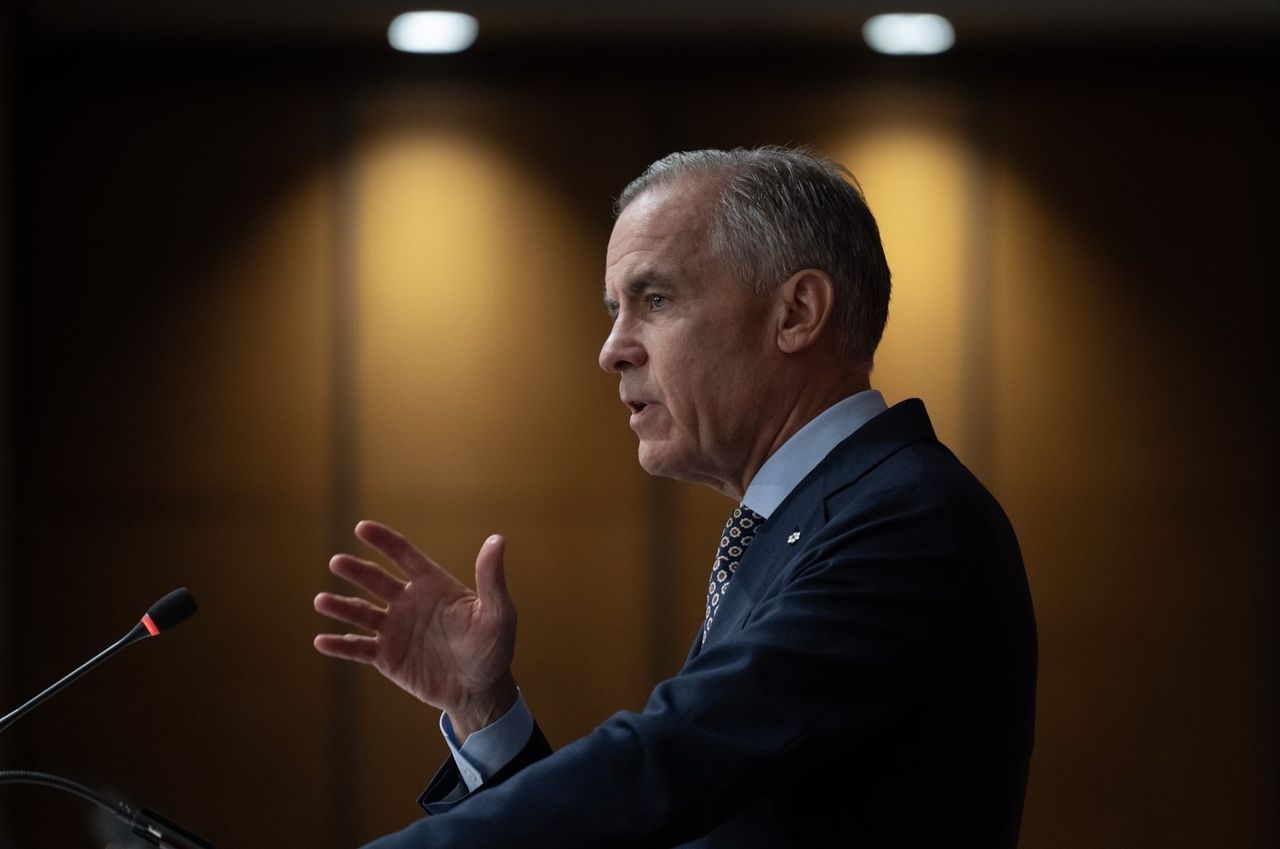
Carney to attend UN General Assembly amid global tensions and Trump's trade threats
Prime Minister Mark Carney will engage in high-stakes diplomacy at the UN General Assembly while handling Trump's escalating trade war and pushback on Canada-EU ties.
Prime Minister Mark Carney will arrive in New York next week for the 81st United Nations General Assembly, where geopolitical tensions, trade conflicts with the United States, and UN reform efforts will dominate discussions. The Canadian leader's participation comes at a critical juncture for international cooperation, with the multilateral system facing unprecedented challenges from shifting power dynamics and nationalist movements worldwide. While not scheduled to deliver a formal address, the prime minister plans to participate in key diplomatic meetings and multilateral initiatives during the three-day summit from September 23-25, representing Canada's continued commitment to global engagement despite growing isolationist trends.
Diplomatic priorities at the UN
Carney's agenda includes co-hosting a high-profile event with France and the United Kingdom to advance the two-state solution for Israel and Palestine. This follows last year's joint recognition of Palestinian statehood by the three nations, a move that marked a significant shift in Western policy toward the conflict. Senior officials describe the gathering as an opportunity to demonstrate continued support for the framework while assessing implementation progress and addressing recent developments in the region.
The visit comes weeks after Canada joined European nations in banning imports from Israeli settlements in the occupied West Bank, aligning with international law that views these territories as illegally occupied. This policy shift has drawn sharp criticism from the Centre for Israel and Jewish Affairs, which called Canada's approach a "dangerous double standard." The organization argues the UN unfairly targets Israel while ignoring human rights violations by other nations, pointing to what it sees as systemic bias within the international body.
READ MORE: Quebec City man charged with threatening Prime Minister Mark Carney
READ MORE: David Suzuki Expresses Disillusionment with Prime Minister Mark Carney's Climate Policy Reversals
Multilateral partnerships under pressure
Carney will participate in two significant partnership events that highlight Canada's strategic priorities on the global stage. He joins European Commission President Ursula von der Leyen for the OceanEye International Alliance meeting, focused on sustainable ocean investment and data sharing. This initiative reflects growing concerns about marine ecosystem preservation and the economic potential of responsible ocean resource management.
The prime minister will also convene a roundtable with European Council President António Costa and Kenyan President William Ruto to strengthen multilateral cooperation, particularly focusing on development challenges and security issues affecting both Africa and Western nations. These engagements occur as the UN undergoes major reform efforts amid financial instability caused by withheld U.S. funding and broader questions about the organization's effectiveness in addressing contemporary global challenges.
Canada-EU relations draw Trump's ire
Recent overtures between Canada and the European Union have escalated tensions with Washington, creating a complex diplomatic landscape for Carney to handle. Von der Leyen recently proposed Canada could become the EU's first "associate member," a concept that would formalize the already close economic and political ties between the two partners. This potential alignment has drawn sharp criticism from the Trump administration, with the U.S. president labeling the idea a possible "hostile act" and threatening additional tariffs on European goods in response.
Trade relations between Canada and the U.S. continue deteriorating after the collapse of negotiations last month, with Trump imposing 50% tariffs on various Canadian products and planning to ban select imports later this month. In a symbolic move underscoring the tensions, the president signed an executive order renaming Lake Ontario as "Lake America," while a new memorandum directs U.S. federal agencies to eliminate Canadian products from government procurement. These actions represent the most significant trade dispute between the two neighbors in decades, threatening supply chains and economic integration that have developed over generations.
UN reform challenges
The General Assembly convenes as the United Nations faces existential questions about its role and structure. The Trump administration has withdrawn from multiple UN agencies, including WHO and UNESCO, while demanding structural changes to the international body. This withdrawal has created financial instability for the organization and raised questions about its ability to address global challenges without full U.S. participation. The selection process for the next UN secretary-general adds another layer of complexity to this year's gathering, with member states divided on the future direction of the institution.
Canadian officials emphasize that Carney will work with partners to help build a more effective UN that is better equipped to deliver on its core priorities of peace and security, development and human rights. This aligns with Canada's historical role as a bridge builder within the international community, though the current polarized environment presents unprecedented challenges for this traditional approach.
No planned U.S. meetings
Canadian officials confirm no meetings are scheduled between Carney and Trump or other U.S. administration members during the General Assembly, though the leaders could cross paths at the large-scale event. The absence of planned bilateral discussions reflects the strained relationship between the two governments, contrasting with the traditionally close coordination between Canadian and American leaders at such international forums. Foreign Affairs Minister Anita Anand will deliver Canada's formal address to the assembly, outlining the country's positions on key global issues.
The prime minister framed his participation as part of Canada's broader strategy to shape the evolving international order. "At a moment when the international order is being remade, Canada intends to help shape it," Carney stated. "We will sit down with partners old and new, defend the rules that protect our sovereignty, and turn co-operation into real opportunity for Canadian workers and businesses." This statement underscores Canada's attempt to position itself as a constructive player in a rapidly changing global landscape, even as traditional alliances face unprecedented strain.
Strategic implications for Canada
Carney's UN visit represents a critical test of Canada's ability to handle an increasingly fractured global landscape. The prime minister must balance principled multilateral engagement with pragmatic economic realities as U.S. hostility toward international institutions grows. His efforts to deepen ties with Europe could either provide crucial counterbalance to American protectionism or provoke further retaliation from the Trump administration, requiring careful calibration of diplomatic messaging and policy positions.
The assembly also serves as a platform for Canada to demonstrate independent foreign policy positions, particularly regarding Middle East peace, while managing domestic political sensitivities. As traditional alliances strain under geopolitical pressures, Carney's diplomacy could help determine whether middle powers like Canada can sustain influence through coalition-building rather than relying on U.S. leadership. The outcomes of these engagements will have lasting implications for Canada's role in global affairs and its ability to protect national interests in an era of great power competition and institutional uncertainty.