BMO Steps In to Rescue Air Miles Program After Parent Company Bankruptcy
Bank of Montreal moves to acquire Air Miles loyalty program as parent company Loyalty Ventures Inc. files for bankruptcy, assuring customers their points remain safe while outlining the regulatory process ahead.
Canadian Air Miles collectors received reassuring news this week as the Bank of Montreal announced plans to acquire the loyalty program following the bankruptcy filing of its Texas-based parent company, Loyalty Ventures Inc. This proposed deal would preserve all accumulated reward points while transferring ownership of the iconic Canadian rewards brand to domestic banking control, marking a significant shift in the loyalty program landscape.
The Bankruptcy Filing and Swift BMO Response
Loyalty Ventures Inc., the corporate entity that owns the Air Miles program, recently filed for Chapter 11 bankruptcy protection in the United States. This legal maneuver, typically used by companies to reorganize debts while continuing operations, immediately raised concerns among Canadian consumers about the security of their banked reward points. The bankruptcy filing represented potential uncertainty for a program that has been part of Canadian consumer life since 1992, with millions relying on it for travel rewards and everyday savings.
Within this context, the Bank of Montreal emerged as a stabilizing force with its acquisition offer. While specific financial terms of the proposed transaction remain undisclosed, the move represents a strategic play by BMO to strengthen its position in the competitive loyalty rewards market. The bank's intervention comes at a critical juncture for Air Miles, ensuring business continuity during the parent company's financial restructuring while maintaining public trust in the program's reliability.
Customer Protection at the Forefront
Air Miles President Shawn Stewart moved quickly to address customer concerns in a statement obtained by Narcity.
"BMO's agreement to purchase the Air Miles business has no impact on AIR MILES collectors' Reward Miles balances or on collectors' ability to collect and redeem AIR MILES Reward Miles,"Stewart emphasized. This official confirmation provides crucial peace of mind for program participants who have accumulated points through major retail partners including Metro grocery stores, Shell gas stations, and IGA supermarkets across Canada.
The protection of existing points balances represents a key commitment in the transition plan. For nearly three decades, Canadians have integrated Air Miles into their shopping routines, making the program's stability a matter of significant public interest. BMO's assurances maintain continuity for what has become Canada's most widely recognized loyalty program, with millions of active collectors nationwide relying on their accumulated points for future redemptions.
The Regulatory Road Ahead
While the acquisition has been publicly announced, the deal remains subject to several approval processes before becoming final. The transaction requires authorization from U.S. bankruptcy courts overseeing Loyalty Ventures' Chapter 11 proceedings, where creditors and other stakeholders may weigh in on the proposed sale. Additionally, Canadian regulators will review the deal to ensure it complies with financial services and competition laws before giving final approval.
Industry analysts following the situation suggest the acquisition will likely receive necessary approvals given BMO's established position in Canadian banking and the program's importance to national consumers. However, the exact timeline for completion remains fluid as legal teams work through bankruptcy protocols and regulatory requirements. This interim period creates a watch-and-wait scenario for both program members and retail partners who have built their marketing strategies around the Air Miles ecosystem.
Historical Context of Air Miles
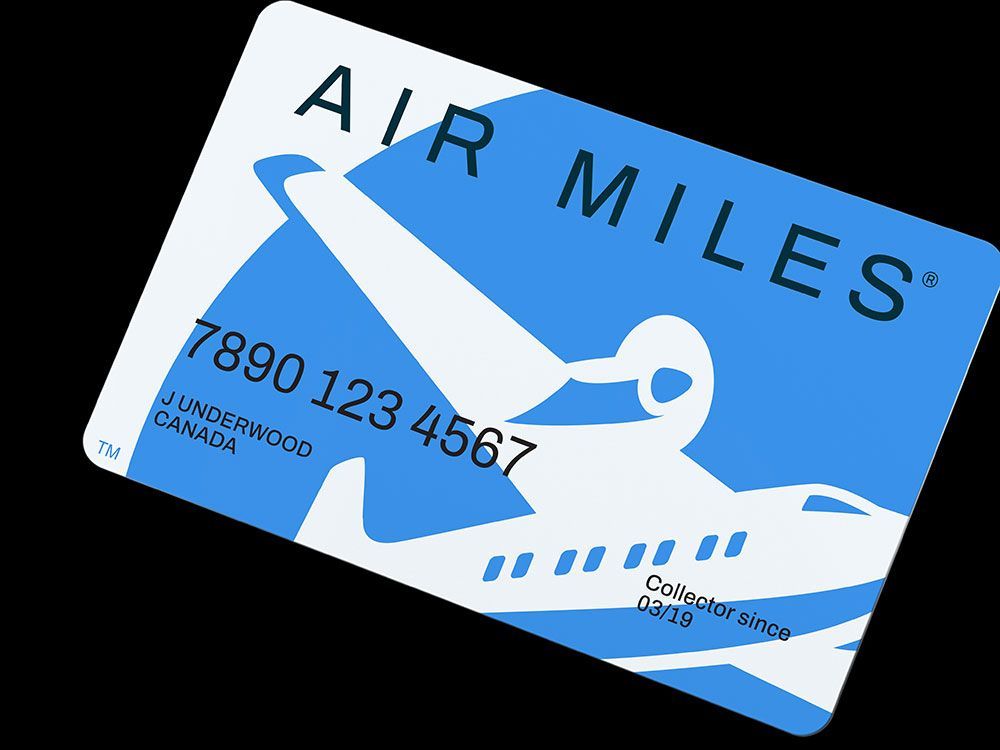
The Air Miles program holds a unique place in Canadian consumer history since its 1992 launch by the Loyalty Group. The program pioneered coalition loyalty marketing in Canada, allowing consumers to earn rewards across multiple retailers through a single account. Its distinctive plastic collector cards became ubiquitous in Canadian wallets, with the program expanding over the years to include travel rewards, merchandise redemptions, and cash options that appealed to diverse consumer segments.
BMO's acquisition would mark a return to full Canadian ownership after more than a decade under U.S. corporate control. The program previously operated under Alliance Data Systems Corporation before being spun off as LoyaltyOne in 2011, later becoming part of Loyalty Ventures. This transition comes at a time when traditional loyalty programs face mounting challenges from digital payment platforms and evolving consumer expectations about rewards flexibility and instant gratification.
Broader Impacts on Loyalty Marketing
The Air Miles transition occurs during a period of transformation across the loyalty program sector. Many traditional rewards platforms are grappling with rising operational costs and technological disruption while consumers increasingly expect smooth digital integration from loyalty offerings. Retailers and financial institutions alike are reevaluating their rewards strategies in this shifting landscape where digital wallets and app-based rewards are gaining prominence.
BMO's acquisition signals that major Canadian banks still see strategic value in operating proprietary loyalty programs, even as some competitors shift toward partnerships with third-party platforms. The deal positions BMO to potentially enhance Air Miles by integrating it more deeply with the bank's financial products and digital banking ecosystem. This could lead to new ways for customers to earn and redeem points through everyday banking activities, creating synergies between traditional banking and loyalty rewards.
Future of Consumer Loyalty Programs
The Air Miles situation highlights broader trends in consumer loyalty programs, where traditional point systems compete with emerging digital alternatives. Many consumers now expect mobile-friendly interfaces, instant redemptions, and personalized offers that go beyond traditional point accumulation models. The challenge for BMO will be modernizing Air Miles while maintaining its core value proposition that has resonated with Canadian consumers for decades.
As younger consumers enter the market with different expectations about loyalty rewards, the program may need to evolve its offerings to remain competitive. Potential innovations could include integration with mobile payment systems, dynamic pricing for rewards, or partnerships with digital-first brands that appeal to younger demographics. The transition to BMO ownership provides an opportunity to refresh the program while retaining its established customer base.
Why This Transaction Matters
The preservation of Air Miles under BMO ownership carries significance beyond the immediate protection of customer points. First, it maintains stability for millions of Canadians who have come to rely on the program for travel rewards and everyday savings. Second, it demonstrates the enduring value of trusted consumer brands in an era of rapid digital transformation. Finally, the Canadian banking sector's willingness to step in reflects confidence in the long-term viability of coalition loyalty models when properly adapted to modern consumer expectations.
As the deal progresses through regulatory channels, consumers can continue collecting and redeeming Air Miles as usual through all existing retail partners. The transition represents a new chapter for one of Canada's most recognizable consumer programs, with BMO positioned to steward the brand into its next phase of development while maintaining public trust in the program's reliability and longevity. The successful completion of this acquisition could serve as a model for how traditional loyalty programs can handle the challenges of digital disruption while preserving value for existing members.