US Sports Leagues Propose Lifetime Bans for Bettors Who Harass Athletes
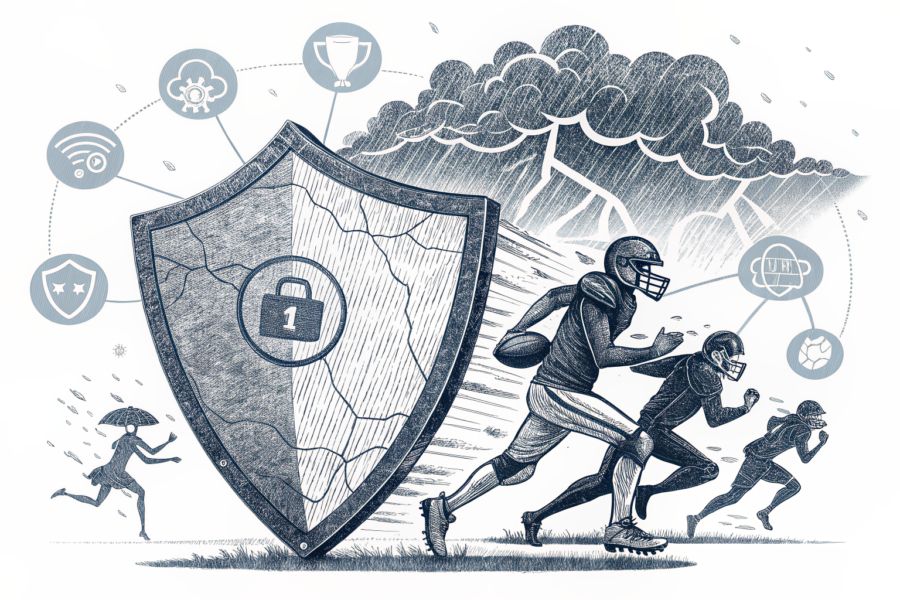
Major US sports leagues and player unions have urged state regulators to implement lifetime bans for bettors who harass athletes, citing rising threats linked to legal sports betting. The unprecedented coalition includes the NBA, NFL, NHL, MLB and MLS, proposing standardized reporting systems and stricter enforcement against abusive bettors.
A coalition of major US professional sports leagues and player unions has issued a forceful call for lifetime bans against bettors who harass athletes, marking a watershed moment in addressing abuse tied to legal sports wagering. In a comprehensive memo sent to 35 state gaming authorities on 15 September, the leagues proposed mandatory exclusions for individuals found to have 'abusively harassed or issued threats of violence' against players, coaches, officials or team personnel. This coordinated action represents the most significant collective effort by sports organizations to combat harassment since the 2018 Supreme Court decision to overturn PASPA, which legalized sports betting nationwide and coincided with a documented rise in athlete threats.
Unprecedented Coalition Takes Stand
The National Basketball Association (NBA), National Football League (NFL), National Hockey League (NHL), Major League Baseball (MLB) and Major League Soccer (MLS) formed a united front in endorsing these policy recommendations. While the NCAA notably abstained from signing, the memo explicitly urged protections for amateur athletes, reflecting growing concerns about threats permeating all levels of competition. 'Threatening the safety of an athlete or their family members over a sports bet crosses a bright ethical and criminal line, and it is entirely unacceptable,' the leagues declared, establishing an unambiguous standard for behavior. The timing aligns with Senator Ted Cruz's push for federal legislation through the Protect College Sports Act, though the current bill focuses on preventing student-athlete participation in prediction markets rather than addressing harassment.
Escalating Threats Demand Response
The proposal follows a disturbing pattern of harassment cases that have exposed vulnerabilities in athlete protection systems. Former Houston Astros pitcher Lance McCullers endured menacing threats from an overseas bettor, while convicted gambler Benjamin 'Parlay' Patz escalated matters by sending explicit death threats to four Tampa Bay Rays players in 2019. Federal investigators later discovered Patz had targeted over 300 professional and college athlete accounts before pleading guilty in 2021 to transmitting interstate threats. Despite the severity, Patz avoided prison time through court-ordered mental health treatment and gambling abstinence. College athletes face comparable dangers, exemplified when former North Carolina basketball star Armando Bacot received more than 100 social media threats during March Madness after missing a rebounds prop bet, despite his 18-point, 7-rebound performance in a winning effort.
Legislative Attention Intensifies
The December 2024 Senate Judiciary Committee hearing marked the first federal examination of sports betting issues in six years, with lawmakers citing athlete harassment as a pressing concern. Senator Dick Durbin's opening anecdote about Bacot's experience underscored how prop bets and individual performance markets have created new vectors for harassment. The National Council of Legislators From Gaming States dedicated substantial panel time to the issue during its July conference, where Mid-American Conference Commissioner Jon Steinbrecher joined other college sports leaders in analyzing systemic causes. On the sidelines, a state representative revealed how a Football Championship Subdivision kicker faced violent threats after missing a crucial field goal, demonstrating how even lower-profile college athletes face betting-related harassment.
Operators Back Technological Solutions
The leagues' proposal includes creating a standardized, cross-operator reporting platform to streamline threat documentation - a concept resembling the NFL's suggestion to the Commodity Futures Trading Commission regarding prediction markets. Sports Betting Alliance President Joe Maloney confirmed major operators like DraftKings, FanDuel, Fanatics and Bet365 are investing in advanced monitoring tools and information-sharing networks. 'We welcome efforts by leagues, players and regulators to build on that work and make clear that harassment has no place in sports,' Maloney stated, signaling industry support for stronger protections. NBA Commissioner Adam Silver had previously hinted at collaborative approaches during his Summer League press conference in Las Vegas, suggesting openness to coalition-building on betting integrity issues and potential support for federal oversight mechanisms.
Prediction Markets Add Complexity
Senate subcommittee members raised alarms about prediction markets during a May hearing at the Russell Senate Building, warning these emerging products could exacerbate harassment risks. These concerns prompted the CFTC to solicit feedback on event contract regulations, with leagues including the NFL providing input. The intersection between novel betting products and athlete safety remains poorly understood, particularly as Cruz and Senator Maria Cantwell's Protect College Sports Act focuses narrowly on preventing student-athlete market participation without addressing harassment. The senators' separate October 2023 inquiry into league interactions with integrity monitors reflects persistent concerns about betting's unintended consequences.
Implementation Challenges Loom
While Senator Cruz expresses confidence about passing college sports betting legislation, the current framework lacks harassment-specific provisions. The absence of league commissioners from Congressional testimony leaves critical questions about enforcement and jurisdictional coordination unanswered. These developments unfold against the backdrop of the annual Sports Equinox on 26 October, when four major leagues play concurrently - an event that has historically correlated with spikes in betting activity and related scrutiny. The case of Benjamin Patz, who avoided incarceration despite extensive threats, illustrates the difficulties in crafting effective deterrents, particularly when dealing with international actors or individuals with demonstrated mental health issues.
Toward Comprehensive Solutions
The sports industry faces a complex balancing act between fostering responsible betting markets and ensuring participant safety. While lifetime bans and standardized reporting represent significant steps forward, questions persist about cross-state enforcement, operator accountability, and whether punitive measures alone can reshape bettor behavior. As state regulators evaluate the leagues' proposals, the coming months will reveal whether these measures gain traction or if more holistic approaches emerge to safeguard athletes across professional and amateur competitions. The unified stance by major leagues suggests a growing recognition that athlete welfare cannot be compromised amid the rapid expansion of legal sports betting.