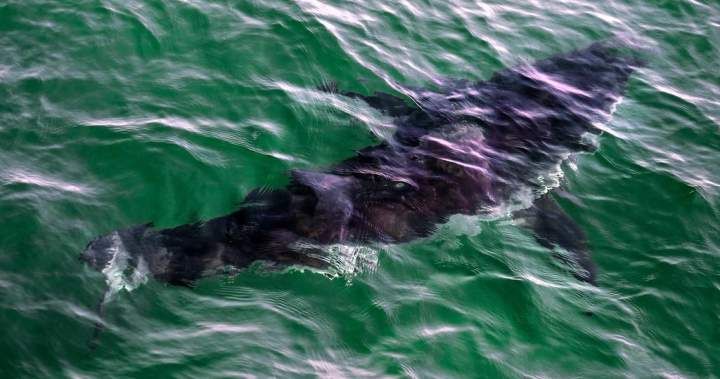
Diver Hospitalized After Rare Shark Bite Incident Off Quebec's Gaspé Peninsula
A diver was transported to hospital following an apparent white shark encounter in Percé, Quebec, marking an exceptionally rare incident in Canadian waters that has prompted suspension of local diving operations.
A diver required emergency medical treatment after being bitten by a shark during an excursion off the coast of Percé, Quebec on September 16, 2026. The incident, which occurred near the eastern tip of the Gaspé Peninsula, represents one of only a handful of confirmed shark attacks in Canadian history according to marine experts. The attack has drawn attention to changing marine conditions in Atlantic Canada that may be influencing shark behavior and distribution patterns.
Details of the Attack
The Canadian Coast Guard received notification of the marine emergency at 10:27 a.m. local time. According to official reports, the diver sustained injuries significant enough to require hospitalization. Plongée Percé, the local diving company operating the excursion, administered first aid to the victim before transferring care to waiting paramedics upon docking in Percé. The company made the immediate decision to suspend all diving operations for the remainder of the season as a precautionary measure following the incident. This response highlights the seriousness with which local operators are treating this unusual event, despite the statistical rarity of shark encounters in the region.
Historical Context of Shark Encounters
The Canadian Shark Attack Registry, maintained by the independent St. Lawrence Shark Observatory, provides critical perspective on this unusual event. Their records document only 30 reported shark incidents in Canadian waters spanning more than 300 years, with just half of those cases verified as confirmed attacks. This statistical rarity makes the Percé incident particularly notable for marine biologists and coastal safety officials. The registry serves as an important scientific resource for understanding marine wildlife behavior and assessing public safety risks in Canadian waters.
Emergency Response and Protocols
The coordinated response between the Coast Guard and local emergency medical services demonstrated established procedures for marine emergencies. While authorities have not disclosed the diver's medical condition, the rapid deployment of paramedics to meet the returning vessel suggests proper protocols were followed. The diving company's decision to halt operations reflects standard industry practice following any significant wildlife encounter, allowing time for investigation and procedure review. This cautious approach indicates the professionalism of local operators despite the unprecedented nature of the incident in these waters.
Changing Marine Ecology
Marine researchers have documented shifting patterns in shark populations along Canada's Atlantic coast in recent years. The St. Lawrence Shark Observatory specifically noted increased white shark sightings and acoustic detections in Atlantic Canadian waters. While scientists continue to study the causes, potential factors include warming ocean temperatures altering fish migration patterns and changing prey availability drawing sharks further north than historically recorded. These environmental changes may be creating conditions that bring sharks into closer proximity with human activities in areas where such encounters were previously unheard of.
Safety Implications for Water Recreation
This incident has prompted the local diving industry to reassess safety measures, despite the extreme rarity of such events. Quebec's diving operators typically focus safety protocols on more common risks like strong currents or equipment failure rather than shark encounters. The Percé attack may lead to updated training for dive masters and revised emergency response plans across the region, though marine experts emphasize the continued statistical safety of diving in Canadian waters. The challenge for operators will be balancing necessary precautions without creating undue alarm about what remains an exceptionally uncommon occurrence.
Scientific Monitoring Efforts
The St. Lawrence Shark Observatory's tracking programs have become increasingly important for understanding changing shark behaviors. Their research methods include acoustic tagging, visual surveys, and analysis of environmental data to monitor shark movements. These scientific efforts help contextualize isolated incidents like the Percé attack within broader ecological patterns rather than suggesting any emerging public safety threat. The organization's work provides valuable data that can inform both conservation efforts and public safety planning along Canada's coasts.
Broader Environmental Significance
Marine biologists view this incident as part of larger discussions about climate change impacts on ocean ecosystems. The apparent northward expansion of some shark species' ranges corresponds with documented changes in water temperatures and marine food webs. Researchers emphasize that such isolated encounters, while dramatic, represent normal wildlife behavior rather than increased aggression, and should be understood within the context of broader environmental changes affecting marine species distribution. This perspective helps maintain a balanced understanding of shark behavior as ecosystems evolve under changing climatic conditions.
Public Perception and Education
The incident serves as an opportunity for marine educators to address public understanding of shark behavior and ocean safety. While shark attacks capture public attention, they remain extremely rare events in Canadian waters. Experts stress that sharks play vital roles in marine ecosystems and that human-shark conflicts are typically cases of mistaken identity rather than predatory behavior. Public education efforts can help maintain perspective about the minimal risks posed by sharks while promoting responsible ocean use and conservation awareness.
Future Research Directions
Scientific organizations are likely to increase monitoring efforts following this incident to better understand shark movements in Atlantic Canadian waters. Researchers may expand tagging programs and environmental DNA sampling to gather more comprehensive data about shark populations in the region. This information will be valuable for both conservation planning and public safety initiatives as marine ecosystems continue to change. The incident underscores the importance of ongoing marine research to track ecological changes and inform human interactions with ocean wildlife.