White House Misrepresents Sapporo's Limited Production Shift Amid Escalating U.S.-Canada Trade Tensions
The White House inaccurately portrayed Sapporo Breweries' potential relocation of just 0.5% of its Canadian production as a major manufacturing victory, as new Trump tariffs specifically target non-alcoholic beer imports between the two nations.
The White House ignited a diplomatic controversy last week by misrepresenting Sapporo Breweries' production plans amid growing trade tensions between the United States and Canada. The incident reveals how minor business decisions can become politicized in an era of economic nationalism, with potential consequences for cross-border relations and public trust in official communications.
The Anatomy of a Misleading Claim
On September 8, the official White House X account posted a photo of silver Sapporo beer cans alongside a reproduced Bloomberg News headline that falsely claimed the Japanese brewer would move all Canadian production to the United States. The caption "Made in America" suggested a significant manufacturing win, though the original September 7 Bloomberg report had already created confusion with its initial phrasing. The White House version highlighted the "moving production to U.S. from Canada" portion in yellow, amplifying the misleading impression. This social media post quickly gained traction, amassing 358,000 views and over 1,000 reposts within days. Public reaction split along political lines, with Trump supporters celebrating the perceived victory while critics pointed out the exaggeration.
Sapporo's Detailed Clarifications
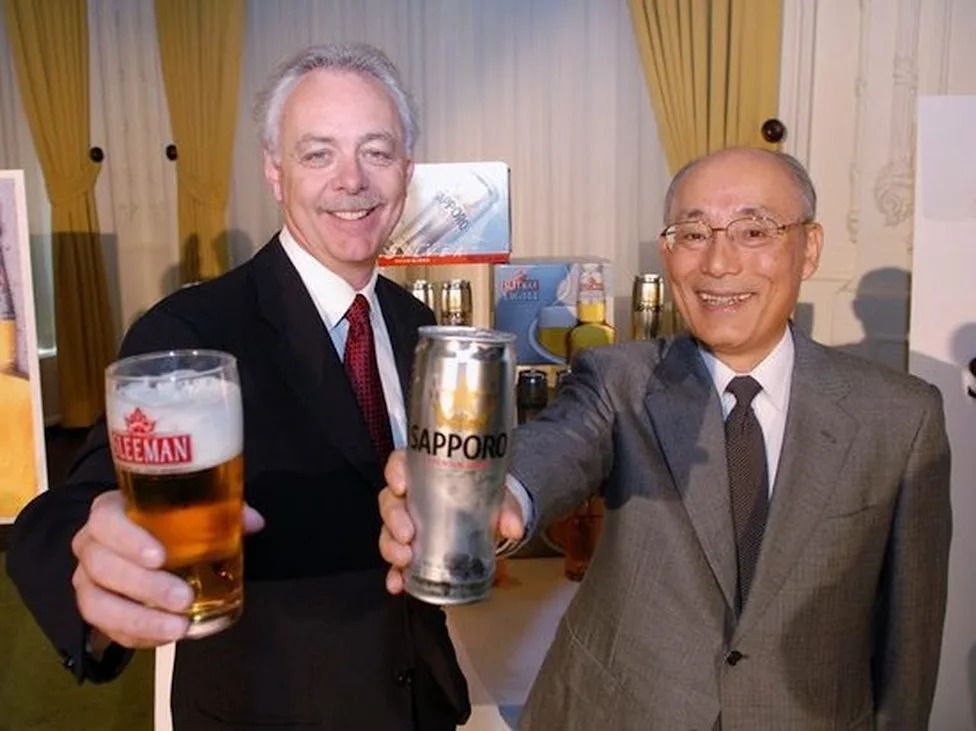
Sleeman Breweries, Sapporo's Canadian operation, issued two formal statements to correct the record. The September 8 release provided specific context: "To clarify recent media reports, the potential relocation of Sapporo 0.0% production for the U.S. market from Sleeman Breweries' Canadian facilities to Sapporo USA's U.S. facilities is not imminent or finalized." The company emphasized that non-alcoholic beverages constitute approximately 0.5% of its total Canadian production volume, making any potential move economically insignificant. A follow-up statement on September 10 made clear: "We are aware that certain media reports have created the impression that Sapporo is moving its production from Canada to the United States. Sapporo clarifies that no such action will be taken." When contacted by CityNews about the White House post, Sleeman declined further comment beyond these published statements, maintaining a neutral corporate position.
Media Corrections and Ongoing Misinformation
Bloomberg acknowledged its initial headline misrepresented Sapporo's plans and updated the phrasing to better reflect the article's content. The news organization appended a correction note stating the headline was changed "to clarify that some production is being shifted to the U.S. from Canada, not all production." A Bloomberg spokesperson explained the corrected headline now aligned with the story's first paragraph, which accurately described the potential movement of some production. However, the White House never updated or corrected its social media post, allowing the original misleading claim to remain in circulation despite Sapporo's clear statements. This demonstrates how quickly misinformation can spread through official channels before facts are fully verified.
Tariff Timeline and Trade Escalation
The misinformation coincided with significant escalations in U.S.-Canada trade restrictions. On the same day as the White House post, President Trump signed executive orders banning imports of selected Canadian goods, including non-alcoholic beer, effective September 29. This built upon August tariffs that imposed a 50% duty on Canadian non-alcoholic beer and other products, directly affecting the very product line Sapporo was considering relocating. The White House's framing of Sapporo's potential partial production shift as a tariff success came despite the company's clear statements that no final decision had been made about even the limited relocation under consideration. Trade analysts note this pattern of using corporate announcements to justify protectionist policies, regardless of their actual economic impact.
Broader Trade War Context
This episode represents just one front in expanding U.S.-Canada trade tensions under the Trump administration. In a separate but related development, Trump warned that Canada seeking associate membership in the European Union would constitute a "hostile act," signaling potential future conflicts. Economic experts observe that these trade disputes increasingly target symbolic rather than substantive economic sectors. The Sapporo case demonstrates how minor production considerations in niche markets like non-alcoholic beer can become political flashpoints, despite their minimal actual impact on overall trade flows or employment in either country. These developments occur against a backdrop of ongoing trade disputes affecting various Canadian industries.
Implications for Corporate Communications
The incident highlights challenges facing multinational corporations operating in politically sensitive sectors. Sapporo's Canadian subsidiary found itself needing to correct misinformation amplified by a foreign government, requiring careful balancing between corporate transparency and diplomatic considerations. The brewery's measured responses - issuing clear factual statements without political commentary - demonstrate how businesses handle such situations. However, the case also shows limitations of corporate communications when confronting misinformation spread through official channels, as the White House's uncorrected post continues to influence public perception.
Looking Ahead
While Sapporo's potential production shift would have negligible economic consequences, the political fallout from this incident continues. Trade policy experts warn that such cases risk normalizing the exaggeration of minor business developments for political gain, potentially undermining public trust in both corporate announcements and government communications. For Canadian policymakers, the episode highlights the need for clearer mechanisms to challenge misinformation about cross-border business operations. Meanwhile, industry observers will be watching whether the Trump administration's tariffs actually achieve their stated goals of boosting U.S. manufacturing, or simply create temporary political victories while disrupting North American supply chains. The Sapporo case serves as a cautionary tale about the intersection of corporate operations, media reporting, and political messaging in contemporary trade relations.