From Booking Blunders to Pricey Groceries: Key Stories Shaping Canada This Week
A comprehensive analysis of March 22's most significant Canadian stories, examining travel mishaps, grocery inflation concerns, fast food rivalries, and consumer rights victories in depth.
This week's developments across Canada reveal telling patterns about consumer behavior, corporate strategies, and how Canadians adapt to both economic pressures and unexpected situations. From grocery aisles to airline cabins, these stories collectively illustrate the evolving relationship between businesses and consumers in today's economic climate.
The Budapest-Bucharest Travel Mixup: More Than Just a Funny Story
The case of two travelers accidentally booking flights to Bucharest instead of Budapest goes beyond a simple anecdote about similar-sounding city names. This incident exposes vulnerabilities in online booking systems that don't adequately flag potential destination confusions between major European capitals separated by nearly 900 kilometers. The travelers' decision to embrace their accidental Romanian vacation rather than incur cancellation fees speaks to a broader Canadian tendency toward pragmatic problem-solving.
Transylvania's unexpected inclusion in their itinerary highlights how travel mishaps can lead to discovering less conventional tourist destinations. The region, often associated with Dracula mythology, represents precisely the kind of authentic cultural experience many travelers seek, just not usually by accident. Their experience suggests travel operators might benefit from implementing more robust verification steps for bookings between commonly confused destinations.
No Name Brand Crisis: A Symbol of Wider Grocery Inflation
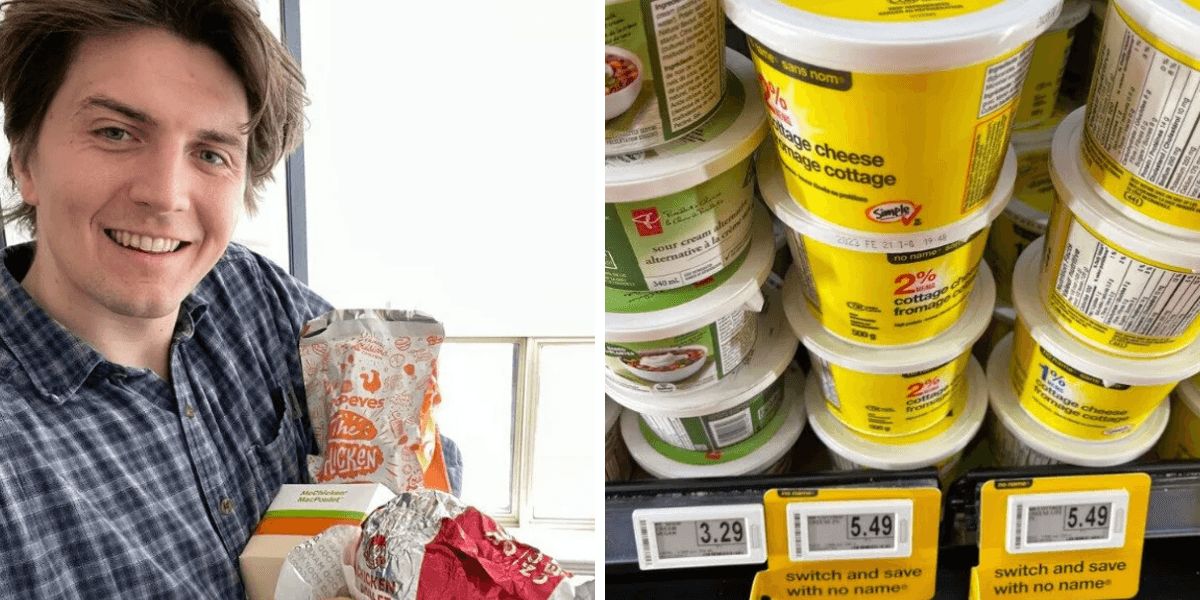
The erosion of No Name's budget-friendly reputation represents a significant shift in Canadian grocery retailing. When a Loblaw's house brand becomes more expensive than national brands like Black Diamond - as evidenced by the 50-cent cheese slice price difference - it signals fundamental changes in pricing strategies. The speculation about artificial inflation before sales indicates deteriorating consumer trust, a serious problem for a brand built on straightforward value propositions.
This pricing trend reflects broader inflationary pressures where even discount-oriented retailers can't maintain traditional price gaps. The situation raises questions about whether grocers are adequately protecting their price-sensitive customer base during economic turbulence. As consumers document these price discrepancies on social media, it creates visible challenges for Loblaw's marketing narrative around No Name products.
Fast Food Chicken Sandwich Wars: A Cultural Phenomenon
Tristan Wheeler's chicken sandwich comparison between McDonald's, A&W, Wendy's and Popeyes represents more than just a food review - it taps into Canada's passionate fast food culture. The meticulous evaluation process, despite its humorous gastrointestinal toll, provides valuable consumer insights about what distinguishes market leaders in this competitive segment.
The fact that one chain's offering clearly stood out in Wheeler's assessment suggests significant quality variation in what many assume to be similar products. This taste test methodology could influence how consumers evaluate value propositions in an era of rising fast food prices. The public's fascination with such comparisons reflects how comfort foods have become cultural touchstones during economically uncertain times.
Netflix's Password Crackdown: A Strategic Misstep?
The backlash against Netflix's account sharing restrictions on Reddit's r/AskACanadian forum reveals potential flaws in the streaming giant's Canadian strategy. The comment about maintaining a subscription "for years despite barely using it" suggests many accounts existed primarily for occasional or shared use. By eliminating this flexibility, Netflix may have underestimated how many marginal subscribers would cancel rather than upgrade.
This situation highlights the delicate balance streaming services must maintain between revenue protection and user experience. The strong negative reaction indicates Netflix may have misjudged Canadian consumers' willingness to pay full price for what many considered a supplementary entertainment option. As competition in the streaming market intensifies, such policy decisions could have lasting impacts on subscriber loyalty.
A Landmark Passenger Rights Decision
The $12,000 USD tribunal award to passengers misled about Emirates business class accommodations establishes an important precedent in Canadian consumer protection law. This case demonstrates that airlines can be held accountable for significant discrepancies between marketed and actual premium cabin experiences. The ruling reinforces that high ticket prices create correspondingly high expectations for service delivery.
The decision's magnitude suggests tribunals are taking a stronger stance against misleading airline marketing practices. It may prompt carriers to review how they present premium cabin features in advertising and booking systems. For consumers, it validates the complaint process as a viable recourse for substantial service failures.
Zellers' Nostalgia-Driven Reboot
Economic and Cultural Undercurrents
These stories collectively reveal Canadians grappling with inflationary pressures while maintaining their characteristic adaptability. From making the most of travel mishaps to carefully evaluating fast food value propositions, the narratives show consumers becoming more discerning in how they spend limited dollars. The strong reactions to Netflix's policy changes and No Name's pricing suggest Canadians are increasingly willing to voice dissatisfaction when perceived value diminishes.
At the institutional level, the airline tribunal decision indicates strengthening consumer protections in key sectors. Meanwhile, Zellers' unconventional revival attempts show how brands must innovate to reconnect with nostalgic customers. Together, these developments paint a portrait of a consumer landscape where value perception, authenticity and fairness increasingly drive purchasing decisions across multiple industries.