UK Gambling Market Hits £17.5bn GGY in 2025-26 as Online Growth Outpaces Retail Decline
The Gambling Commission's annual report reveals a 4.4% rise in UK gambling yield to £17.5bn, with remote sectors driving growth while retail premises continue shrinking. The data highlights shifting consumer preferences and regulatory challenges facing the industry.
The UK gambling industry reached £17.5 billion in gross gambling yield (GGY) during the 2025-26 financial year, according to the Gambling Commission's comprehensive activity report. This 4.4% year-on-year increase reflects the continued transformation of the sector, with digital channels accounting for an ever-larger share of revenue while traditional gambling premises face ongoing contraction. The figures provide crucial insights into consumer behavior and market dynamics at a time when regulatory scrutiny remains intense.
Remote Gambling Solidifies Market Dominance
Online gambling activities generated £8.3 billion in GGY, representing a substantial 6.9% increase from the previous year and accounting for approximately 63% of non-lottery industry revenue. This growth trajectory confirms the remote sector's position as the driving force behind the UK gambling market's expansion. Within this category, remote casino operations proved particularly lucrative, producing £5.7 billion in GGY. Slots alone contributed £4.8 billion to this total, demonstrating their continued popularity among digital gamblers.
Remote betting reached £2.4 billion, with football betting (£1.2 billion) and horse racing wagers (£769.3 million) remaining the dominant sports betting markets. The relatively small but stable remote bingo sector generated £147.8 million, maintaining its niche position within the digital gambling ecosystem. First quarter 2026 data reinforced these trends, with online verticals collectively generating £2.2 billion between January and March. Remote casino alone accounted for £1.5 billion (68.3%) of this quarterly total, underscoring its central role in the industry's digital transformation.
READ MORE: UK Machine Gaming Duty hike could hit Rank Group hardest, Deutsche Bank warns
READ MORE: Supreme Court hears challenge to Ontario's plan for international online gambling
Structural Shifts in Gambling Participation
The Gambling Survey for Great Britain revealed stable participation patterns among the 5,277 adults surveyed between January and May 2026. Approximately 49% reported gambling activity within the past four weeks, maintaining consistency with previous years' findings. This figure includes 21% who exclusively participated in lottery draws, while 28% engaged in other forms of gambling. The survey illuminates how different demographic groups interact with gambling products, with notable disparities between genders and age cohorts.
Online gambling participation reached 39% of adults (16% excluding lottery players), compared to 29% for in-person gambling (18% excluding lottery players). These figures demonstrate how digital channels have become the primary access point for most gamblers. Among non-lottery activities, scratchcards (13%), betting (10%), and online instant win games (8%) emerged as the most popular choices. The survey found betting participation heavily skewed male (16% of men versus 4% of women), while overall gambling activity peaked among 45-64 year-olds (56-59% participation).
Retail Sector Faces Continued Challenges
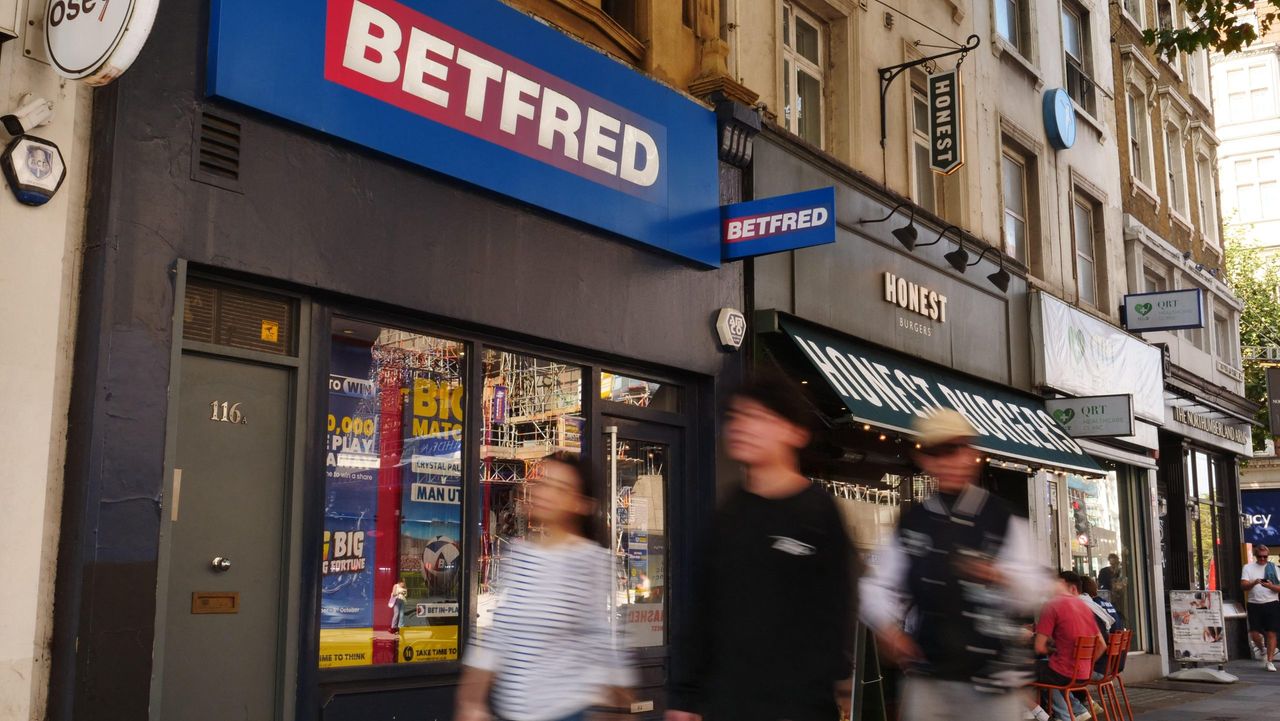
The land-based gambling sector generated £4.9 billion in GGY, showing modest 1.1% annual growth despite significant structural contraction. The UK's total licensed gambling premises decreased by 2% to 8,081 locations, continuing a long-term trend of retail consolidation. Betting shops declined for the twelfth consecutive reporting period, falling to 5,617 outlets - a 3.6% reduction representing 208 closures year-on-year. Major operators including William Hill and Betfred have implemented widespread shop closures as part of strategic adjustments to changing market conditions.
Non-remote betting declined 3.3% to £2.4 billion, while traditional casinos saw marginal 0.4% growth to £933.9 million. Bingo halls provided a rare bright spot for the retail sector with an 8.2% GGY increase to £703.8 million, demonstrating the resilience of this social gambling format. The contrasting fortunes of different retail segments highlight how consumer preferences continue to evolve, with some traditional formats maintaining appeal while others face sustained pressure.
Gaming Machines and Regulatory Uncertainty
Gaming machines across all venues contributed £2.7 billion to industry GGY, marking a 4.3% annual increase. Arcade machines performed particularly well, generating £800.1 million (up 10.7%), with adult gaming centres accounting for £761.4 million (up 11.3%) of this total. As of March 2026, there were 191,804 gaming machines operating in licensed premises across the UK, representing a significant infrastructure investment by operators.
These figures emerge against a backdrop of potential regulatory changes that could significantly impact the retail sector. Prime Minister Andy Burnham has proposed repealing the 'aim to permit' rule for betting shops and 24-hour slot machine arcades, which would remove the presumption in favor of granting permission for such venues. The government is also considering increased taxation on gaming machines, based on proposals from the Social Market Foundation, with possible implementation in the upcoming autumn budget. These developments could accelerate the retail sector's restructuring in coming years.
Lottery Sector Maintains Steady Performance
The National Lottery reported £7.9 billion in ticket sales, representing 0.9% growth, while prize payouts decreased slightly by 0.6% to £4.5 billion. Contributions to good causes grew 2.8% to between £1.6 billion and £1.7 billion, maintaining the lottery's position as a significant funding source for charitable and community initiatives. Large society lotteries also experienced growth, with ticket sales increasing 5.7% to £1.2 billion and contributions rising 2.8% to £498.5 million.
These figures demonstrate the lottery sector's stability compared to other gambling segments, with relatively modest but consistent growth patterns. The data suggests lottery products continue to occupy a distinct position in the gambling landscape, appealing to a broad demographic that includes many consumers who don't participate in other forms of gambling.
Industry Structure Reflects Market Evolution
As of 31 March 2026, the UK gambling market comprised 2,154 licensed operators (down 1.1%) but 3,097 separately licensed gambling activities (up 0.4%). This apparent contradiction reflects ongoing market consolidation alongside product diversification, particularly in the online sector where operators frequently hold multiple licenses for different verticals. The figures suggest that while some smaller operators may be exiting the market or being acquired, remaining businesses are expanding their service offerings to capture more value from existing customer bases.
The Gambling Commission's comprehensive dataset provides crucial evidence for policymakers and industry stakeholders handling the UK gambling market's ongoing transformation. With remote gambling now firmly established as the dominant sector and retail facing continued challenges, the industry appears poised for further structural changes in coming years, particularly as new regulatory measures take effect.