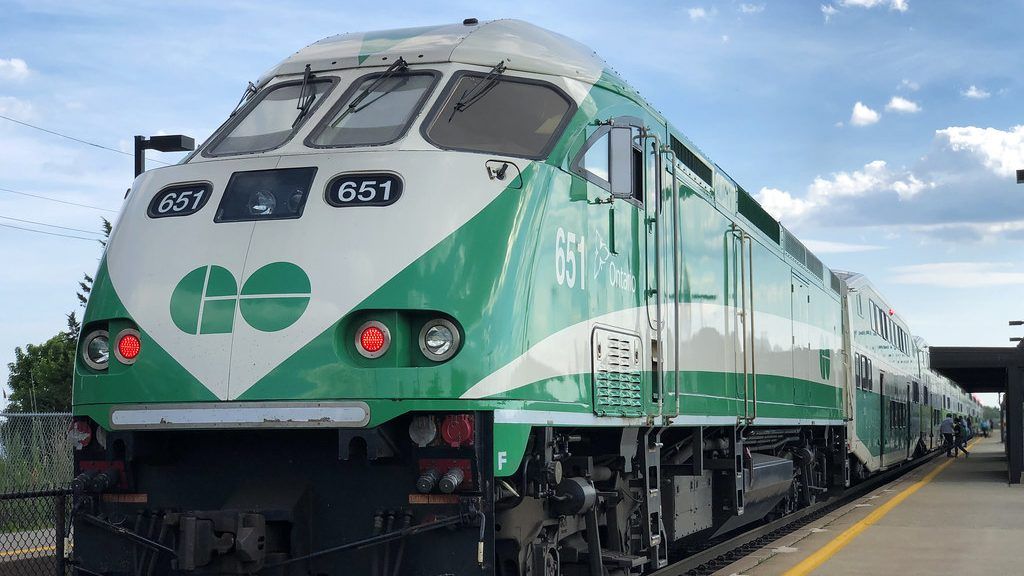
Toronto transit disruptions this weekend: TTC Line 1 and two GO train lines face service adjustments
Major service disruptions will affect TTC Line 1 and two GO Transit lines this weekend due to planned construction and signal work, impacting travel to major downtown events.
Toronto residents and visitors heading to major events this weekend will need to plan extra travel time as significant transit service adjustments take effect on TTC Line 1 and two GO Transit lines. The disruptions coincide with multiple high-profile events drawing crowds to the downtown core, including Blue Jays games at Rogers Centre and concerts at Scotiabank Arena and RBC Amphitheatre. Thousands of people are expected to travel into the city center for these events, making the transit disruptions particularly impactful during this busy weekend period.
Line 1 subway service suspension details
The TTC will suspend service on Line 1 between Finch and Sheppard-Yonge stations from 11:59 p.m. on Friday, September 25 through the end of service on Sunday, September 27. This 48-hour closure allows crews to conduct critical signal system upgrades along this northern section of the Yonge-University line, which serves as a major artery for commuters traveling from North York into downtown Toronto. While subway trains won't operate through this stretch, all stations will remain open for fare transactions and connections to surface routes, enabling passengers to load PRESTO cards or purchase tickets.
Shuttle buses will replace subway service between the affected stations, operating along parallel surface routes. However, transit officials caution that these road-based alternatives typically add 15-30 minutes of additional travel time compared to regular subway service. The TTC strongly advises passengers to build extra time into their schedules, particularly those attending weekend events downtown who would normally transfer from Line 1 to other routes at major hubs like Bloor-Yonge station.
READ MORE: Thanksgiving Monday brings varied hours for malls, transit and services
READ MORE: Thanksgiving Monday brings transit changes, closures and holiday events in Calgary and Ottawa
GO Transit Lakeshore East line construction impacts
GO Transit's Lakeshore East line will see no service between Rouge Hill and Danforth GO stations on both Saturday and Sunday due to planned construction work in the area. This affects a key corridor serving commuters from Scarborough and Durham Region. Trains will operate on an hourly schedule between Durham College Oshawa and Ajax stations during this period, representing reduced frequency compared to normal weekend service.
For travel beyond Ajax toward Toronto's Union Station, passengers must transfer to replacement buses at Pickering GO that will run directly to downtown without intermediate stops. This bus bridge service aims to minimize delays for through passengers while accommodating the construction work. Friday night service will also see some late-night adjustments before full service resumes early Monday morning. While GO Transit hasn't specified the exact nature of the construction, such weekend closures typically involve track maintenance, bridge work, or signal upgrades on this heavily used commuter line.
Stouffville line complete bus replacement
GO Transit's Stouffville line will experience a complete suspension of train service on September 26-27, with buses replacing all trains along the entire route. This more extensive disruption affects commuters traveling from Markham and northern Scarborough into downtown Toronto. Replacement buses will stop at all stations from Old Elm to Unionville GO before running express to Union Station, potentially saving time for passengers making the full trip downtown.
Three stations - Milliken, Agincourt and Kennedy GO - will have no service during this period, significantly impacting local commuters. GO Transit advises these passengers to use parallel TTC options, including Line 2 subway service and connecting bus routes. The agency recommends passengers check schedules in advance and consider alternative routes, particularly those traveling to weekend events in the city. These service changes come during a busy period for Toronto tourism and entertainment, potentially affecting thousands of concertgoers and sports fans who rely on GO Transit from suburban areas.
Major events amplifying transit pressures
The transit disruptions coincide with an unusually busy weekend of events across Toronto's downtown core. The Blue Jays host critical games at Rogers Centre, while Scotiabank Arena welcomes major performances by Weezer and Rahat Fateh Ali Khan. At the RBC Amphitheatre, concerts by Shaboozey, Logic and G-Eazy will draw additional crowds. Numerous festivals and cultural events are also scheduled throughout the city, creating multiple competing demands on the transit network.
These events typically generate significant transit ridership, particularly on subway and GO train routes serving suburban areas where many attendees originate. The combination of regular weekend travel patterns with concentrated event traffic may create particularly crowded conditions on replacement bus services and unaffected transit routes. Transit planners anticipate increased pressure on the system's capacity during peak event times, especially in the hours before and after major performances and games.
Passenger guidance and alternatives
Transit agencies are issuing specific recommendations to help passengers handle the disruptions. They advise allowing at least 30-45 minutes of extra travel time for affected routes and considering alternative transportation options where possible. Those using shuttle buses should anticipate longer trip durations than regular subway service, especially during peak event times when road congestion may further slow buses.
Passengers can use PRESTO cards on both TTC and GO Transit services during the disruptions, with all affected subway stations remaining open for fare transactions. Transit officials encourage checking service alerts through official channels for last-minute updates before traveling. For those attending time-sensitive events, leaving early and building in substantial buffer time will be crucial to avoid missing performances or game starts.
Infrastructure challenges and future implications
These coordinated transit disruptions highlight the ongoing maintenance requirements of Toronto's aging transit infrastructure during a period of growing ridership demands. While weekend closures minimize impact on weekday commuters, they test the system's ability to handle major events that drive significant economic activity in the city. The signal work on Line 1 represents part of the TTC's multi-year modernization program to improve reliability and capacity on its busiest subway line.
The simultaneous work on multiple transit lines demonstrates the complex challenge of scheduling necessary infrastructure improvements while maintaining service reliability for a growing city. As Toronto continues to grow as an entertainment and sports destination, attracting more major events and visitors, balancing maintenance needs with passenger convenience will remain an ongoing challenge for transit planners. These weekend disruptions offer a preview of the trade-offs required to keep Toronto's transit system functional while preparing for future growth.