Winnipeg advocacy groups push for independent oversight of water and sewer rates
A coalition of Manitoba organizations is urging Winnipeg's next city council to subject water and sewer rates to provincial regulatory approval for greater transparency and accountability in municipal utility pricing.
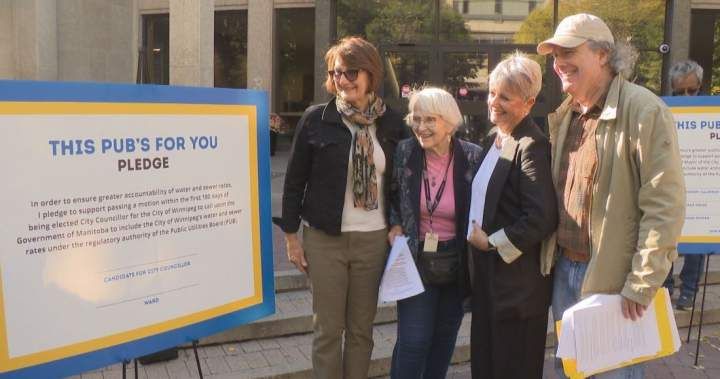
A coalition of Manitoba advocacy groups has launched a concerted campaign to reform how Winnipeg regulates its water and sewer utilities, demanding that future rate increases undergo independent provincial review. The initiative, titled the "This PUB's For You Pledge," represents a direct challenge to Winnipeg's long-standing exemption from Manitoba Public Utilities Board oversight that governs all other municipal utilities across the province.
Growing coalition demands change
Several influential organizations have united behind this push for regulatory reform, including the Manitoba Seniors Equity Action Coalition, the Manitoba chapter of the Canadian Association of Retired Persons, the Consumer Association of Canada's Manitoba branch, and Harvest Manitoba. These groups represent diverse constituencies with shared concerns about municipal accountability and utility affordability. Their joint news conference in front of Winnipeg City Hall marked a strategic effort to raise the issue during an election year, putting pressure on candidates to take a position.
Lucille Bruce, co-chair of the Manitoba Seniors Equity Action Coalition, framed the issue as one of basic fairness and accountability.
"We think that in order to have greater accountability, regarding our water and sewer bills, that it is only fair that the City of Winnipeg's water utility rates be approved by the PUB,"Bruce told reporters. The October 13 pledge deadline creates urgency for candidates to declare their stance, allowing voters to consider this issue when casting ballots.
READ MORE: Transcona councillor Russ Wyatt runs for re-election amid unresolved sexual assault charges
READ MORE: N.S. seafood processor appeals court decision in $10M lobster lawsuit, citing lack of specifics
Winnipeg's exceptional regulatory status
Winnipeg occupies a unique position in Manitoba's utility regulation landscape. The city's exemption from Public Utilities Board oversight stems from specific provisions in The Public Utilities Board Act and the City of Winnipeg Charter. These legislative frameworks grant Winnipeg autonomy not afforded to other Manitoba municipalities, creating what critics describe as a two-tier regulatory system for public utilities.
The City of Winnipeg Charter contains particularly consequential language regarding utility revenues. It explicitly permits the city to use utility income for general municipal purposes rather than restricting funds exclusively to utility operations. This provision effectively allows Winnipeg to treat utility revenues as a supplementary revenue stream, a practice that would be prohibited under PUB regulation. The PUB's strict breakeven requirement for other municipalities ensures ratepayers only pay for the actual costs of service provision.
Affordability concerns drive campaign
Marnie Strath, chair of the Manitoba chapter of the Canadian Association of Retired Persons, articulated the coalition's concerns about the current system's impact on residents.
"Seniors, along with all citizens of Winnipeg, need to be assured that decisions about water and sewer rates are evidence-based, taking into consideration issues of affordability, financial and environmental sustainability, and transparency,"Strath emphasized during the news conference. Her remarks highlight how utility regulation intersects with broader concerns about economic fairness and governance.
The groups point to recent rate increases as evidence supporting their call for reform. The 6% increase in water rates between 2024 and 2026 and the substantial 30% jump in sewer charges during the same period have occurred without the independent scrutiny applied to other Manitoba utilities. These increases have outpaced general inflation, raising questions about whether they reflect actual service costs or serve as indirect taxation.
City defends current oversight mechanisms
Winnipeg Councillor Ross Eadie, who chairs the standing policy committee on water, waste and environment, offered a robust defense of the existing regulatory framework. His perspective reflects the city administration's position that current accountability measures suffice. Eadie highlighted how the city's exemption enabled faster progress on critical projects like the North End Waste Management Treatment Plant, suggesting regulatory oversight could create unnecessary delays.
"It would take the Public Utilities Board a long time to review that project. And it would slow it down, and we wouldn't meet the regulators' date. And then, we get penalized for that,"
Eadie explained in an interview with Global News. His comments reveal the tension between regulatory oversight and municipal operational flexibility, particularly for time-sensitive infrastructure projects.
The city employs an owner's advocate to monitor major projects, a mechanism Eadie describes as providing sufficient accountability. However, this internal oversight differs significantly from the PUB's independent, transparent rate-setting process applied elsewhere in Manitoba. Eadie's acknowledgment that his views on PUB oversight have evolved suggests this debate may continue developing within council.
Historical context of Winnipeg's exemption
Winnipeg's special status regarding utility regulation has deep roots in the city's historical relationship with provincial authorities. The City of Winnipeg Charter, which grants these unique powers, reflects a longstanding recognition of the city's size and complexity compared to other Manitoba municipalities. This special arrangement was originally intended to provide Winnipeg with the flexibility needed to manage its substantial infrastructure needs without excessive bureaucratic hurdles.
However, as public expectations for transparency and accountability have grown, this historical exception has come under increasing scrutiny. The current campaign reflects shifting public attitudes toward municipal governance, where citizens demand clearer justification for rate increases and more independent oversight of essential services. This tension between historical precedent and modern governance expectations forms the backdrop for the current debate.
Financial implications of potential reform
The fiscal consequences of subjecting Winnipeg's utilities to PUB oversight could be significant. Currently, the city can use utility revenues to support general municipal operations, providing budget flexibility that helps keep property taxes lower than they might otherwise be. Under PUB regulation, this cross-subsidization would end, potentially creating budget shortfalls that would need addressing through other revenue sources or service reductions.
This financial reality explains much of the city's resistance to changing the status quo. The ability to allocate utility revenues broadly provides municipal leaders with important fiscal tools, particularly during periods of budgetary stress. However, critics argue this system lacks transparency and may lead to inefficient pricing signals that don't properly reflect the true cost of water and sewer services.
Election year timing amplifies debate
The coalition's strategic decision to launch this campaign during an election year ensures water and sewer rates will feature prominently in municipal debates. By establishing a concrete pledge with a specific implementation timeline, the groups have created a clear test for candidates to demonstrate their commitment to utility transparency. This approach mirrors successful advocacy strategies used in other jurisdictions to push for policy changes during electoral cycles.
The October 13 deadline for signing the pledge comes well before the election, giving advocacy groups time to publicize which candidates have committed to their cause. This transparency initiative about transparency creates an interesting dynamic in the campaign, forcing candidates to weigh the benefits of supporting a popular reform against potential future constraints on municipal budgeting flexibility.
Broader implications for municipal governance
This debate extends beyond water and sewer rates to fundamental questions about how cities should be governed. The campaign raises important issues about the appropriate balance between municipal autonomy and independent oversight, between flexibility and accountability. As cities across Canada face growing infrastructure challenges and financial pressures, Winnipeg's experience may offer lessons about the trade-offs inherent in different regulatory approaches.
The outcome of this initiative could influence similar discussions in other municipalities considering reforms to their utility governance models. Regardless of the election results, the campaign has succeeded in raising public awareness about Winnipeg's unique regulatory framework and the mechanisms through which essential service rates are determined. This increased scrutiny may lead to greater transparency in municipal decision-making, even if the formal regulatory structure remains unchanged.