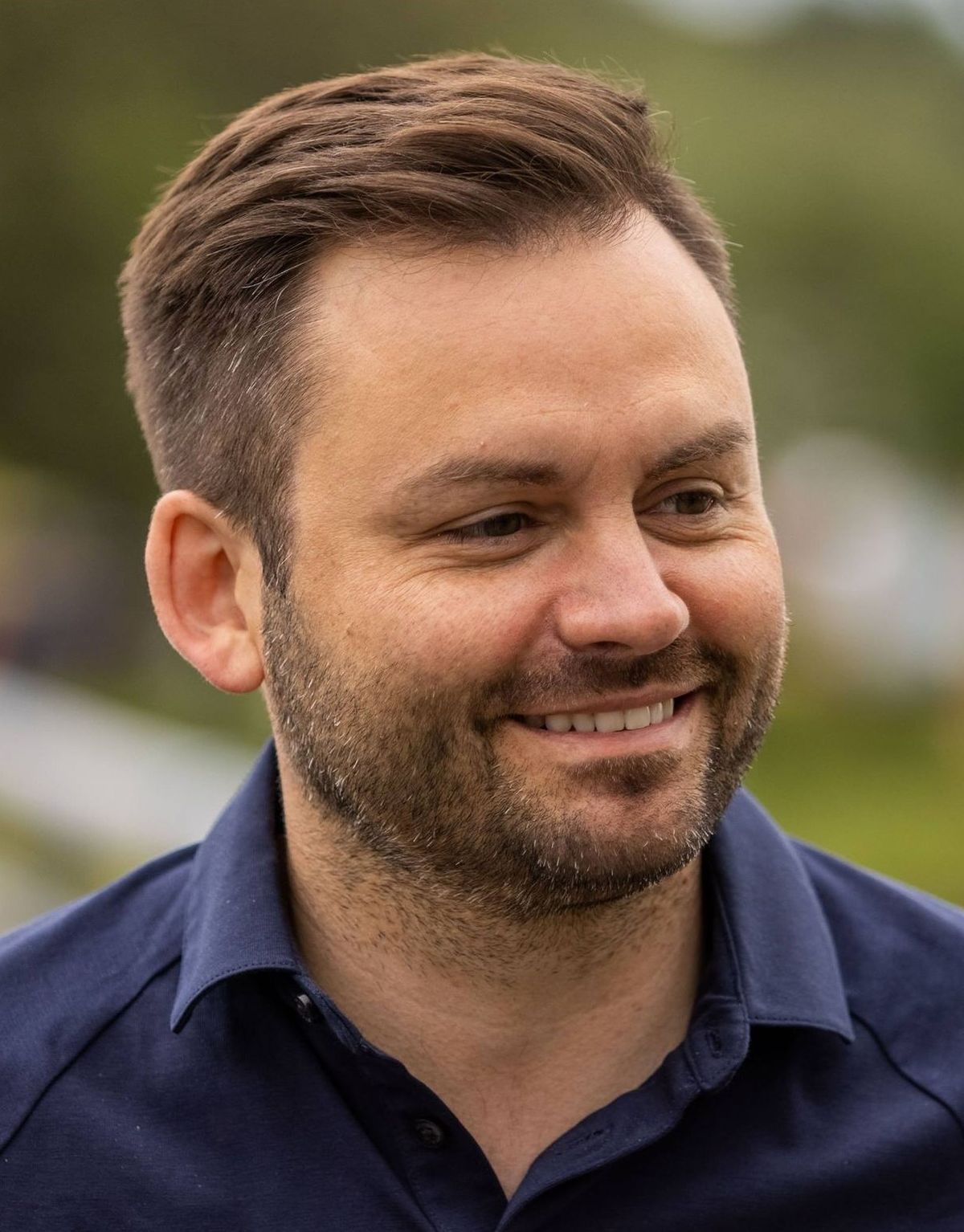
Bruno Marchand
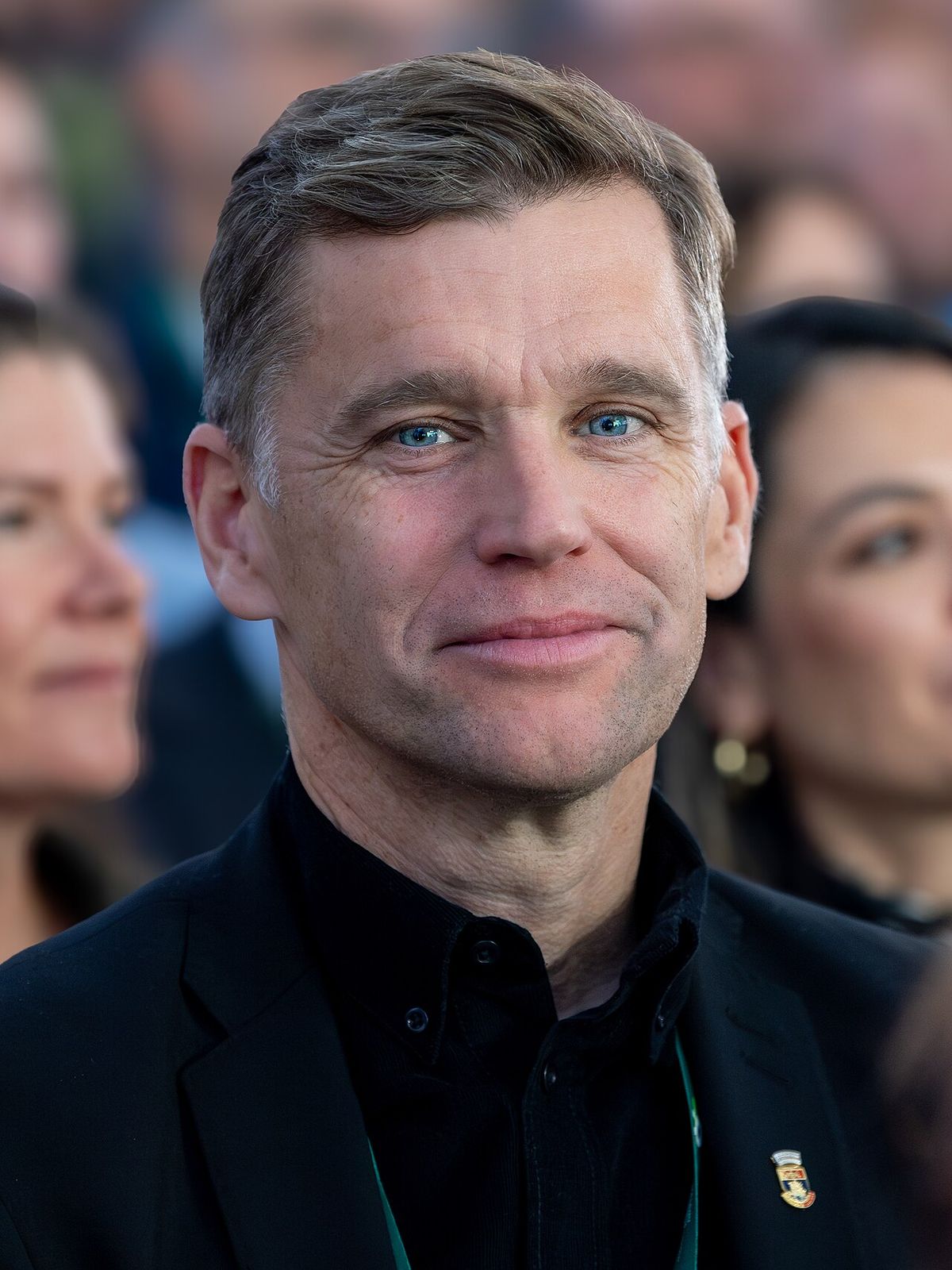
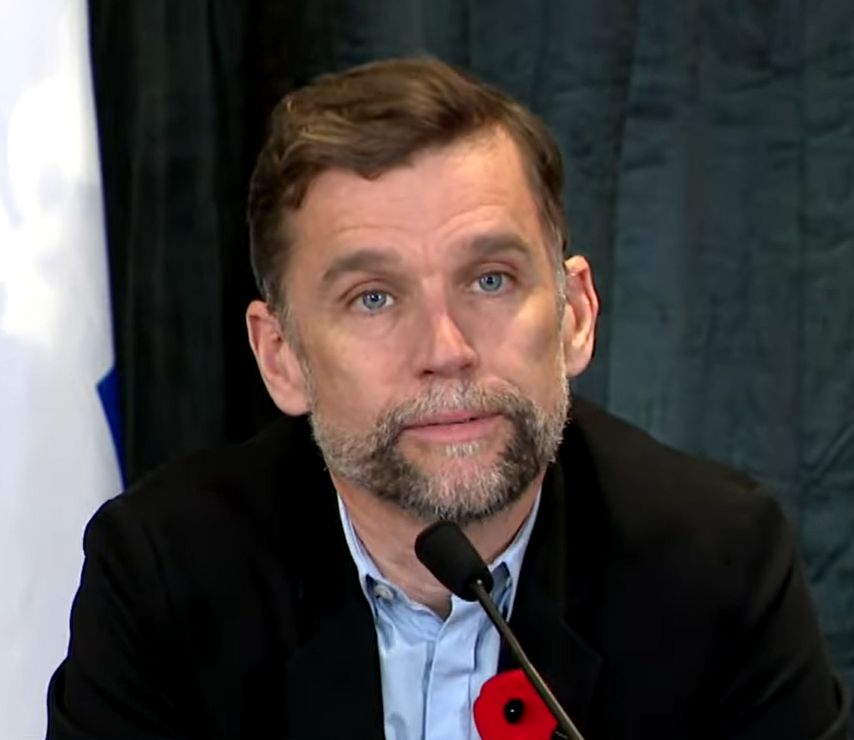
Bruno Marchand is a Canadian politician who has served as the mayor of Quebec City since November 2021. Elected as the 38th mayor of the capital, he succeeded Régis Labeaume and was re-elected to a second term in November 2025. Marchand's career prior to politics was defined by leadership roles in major community and social service organizations, including the United Way and the Quebec Association for the Prevention of Suicide. His administration focuses on addressing homelessness, securing infrastructure funding, and advocating for Quebec City's interests on the provincial and federal stages, including support for a potential CFL expansion.
Early Life and Community Roots
Bruno Marchand was born on May 22, 1972, and raised in Quebec City, growing up in the Lairet neighbourhood of the central La Cité-Limoilou district. His upbringing in a devout Catholic family instilled a strong sense of community service. As a child, an elementary school activity where students exchanged lunches provided his first direct encounter with poverty and social inequality. He continued to live in Limoilou into his early twenties, and his identity was deeply shaped by the Patro Roc-Amadour community centre, which served the neighbourhood's most vulnerable members. The values of mutual aid, inclusiveness, integrity, and personal development he learned there became foundational to his future career path and political outlook. He received a degree in philosophy from Université Laval in 1995 and a certification in social work from Cégep de Sainte-Foy in 1998.
Career in the Community Sector
Marchand's professional life before entering politics was entirely dedicated to the community and social services sector. After completing a diploma in social work in 1998, he served as the coordinator of student life at Cégep de Sainte-Foy from 1999 to 2008, a role that involved advising and supporting students. He then moved to the Quebec Association for the Prevention of Suicide, where he worked from 2008 to 2014, receiving a Tribute Award from the association in 2014 for his contributions. His most significant role began in 2014 when he became the President and CEO of Centraide (United Way) Québec, Chaudière-Appalaches et Bas-Saint-Laurent. Under his leadership, the organization's annual fundraising campaign reached a record $17 million in 2020. Prior to his executive role, he had already contributed a decade of service on the organization's board of directors.
Throughout this period, Marchand was a prominent figure in Quebec City's civic life, holding hundreds of conferences for all sectors of the city's socio-economic community from 2008 onward. He also pursued leadership training at the Ivey School of Business at Western University in London, Ontario. This extensive background in managing charitable organizations, fundraising, and public advocacy provided him with a deep understanding of local social issues and a broad network of community contacts, which later formed the bedrock of his political support. His success in significantly growing charitable donations demonstrated managerial skill and an ability to mobilize resources for public good, assets he later translated to the municipal political arena.
Entry into Politics and the 2021 Election
Bruno Marchand's entry into municipal politics was a carefully considered leap following speculation throughout 2020 and early 2021. A Léger-Le Journal de Québec poll in November 2020 had shown him with 1 percent support as a potential mayoral candidate. He formally left his position at Centraide in March 2021 and founded a new municipal political party, Québec forte et fière, registering it with Élections Québec on March 25, 2021. He officially launched his candidacy on April 15, 2021, at a community centre in Limoilou, grounding his campaign in his home neighbourhood. The 2021 Quebec City municipal election on November 7 became one of the most dramatic in the city's recent history. As polls closed on election night, around 8:30pm, local television networks declared his main opponent, Marie-Josée Savard, the victor, with a 14 percent lead over Marchand, prompting Savard to deliver a victory speech.
However, as more ballots were counted, the margin narrowed dramatically, leading TVA to reverse its prediction around 10:00 p.m. By approximately 10:40 p.m., Marchand had taken the lead, and he ultimately won the election by a narrow margin of 834 votes. This surprise comeback led Savard's campaign to initially consider a recount before conceding defeat the following day. On November 14, 2021, Marchand was sworn in as the 38th Mayor of Quebec City at the Quebec City Armory in the presence of all city councillors, becoming the first mayor since Lucien Borne in 1938 to hail from the city's downtown core.
First Term and Policy Priorities
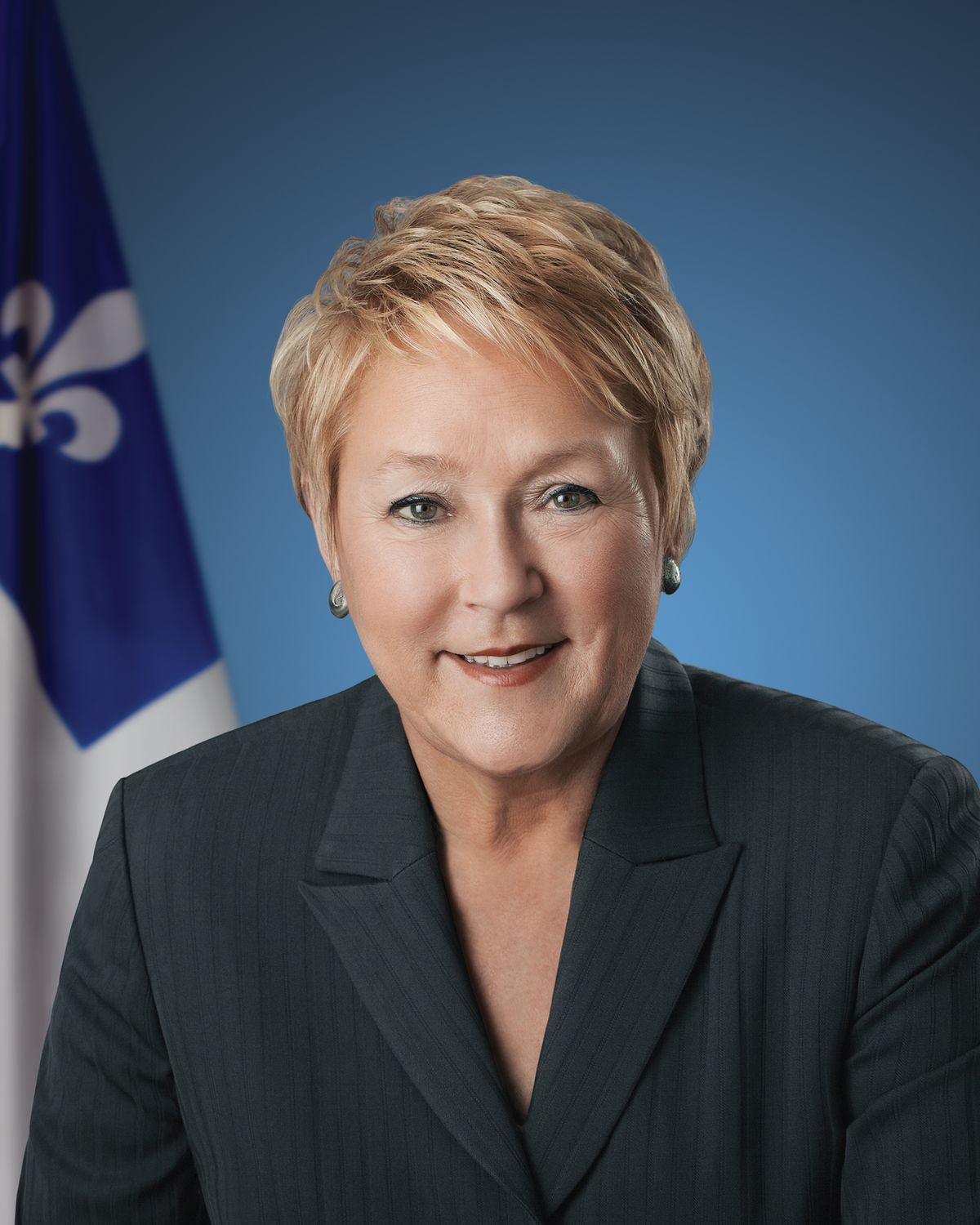
Mayor Marchand's first term was marked by a focus on social issues, infrastructure, and giving Quebec City a stronger voice internationally and within Canada. In September 2022, he was elected President of the Organization of World Heritage Cities, giving the city an international platform. Domestically, he consistently advocated for the needs of the capital region to higher levels of government. A central and ongoing priority for his administration has been the homelessness crisis. In 2026, alongside former Premier Pauline Marois, he challenged provincial party leaders to make addressing homelessness a top priority during the election campaign.
His key demands for provincial support include a predictable funding strategy for municipal infrastructure. He has specifically sought $120 million over four years to protect Lac Saint-Charles, the city's drinking water source, and $27 million for repairs to the Joseph-Samson dam. The city estimates it needs to invest over $7 billion in the next 20 years to maintain, adapt, and modernize its essential infrastructure. Other major projects he champions are the conversion of the Laurentian Autoroute into an urban boulevard, the redevelopment of the northeast sector of ExpoCité, and the completion of the fourth phase of the Samuel-De Champlain Promenade.
- Advocated for a national strategy to reduce homelessness and requested funding for 1,000 new affordable social housing units per year.
- Sought a $40 million provincial investment over four years, matched by the city, to revitalize the Saint-Roch district.
- Pushed for provincial action on redeveloping the Place D'Youville parking lot in Old Quebec.
- Emphasized the need for cultural and tourism investments in Old Quebec to strengthen the city's appeal.
Re-election and Second Term Agenda
In the November 2025 municipal election, Bruno Marchand secured a second term as mayor, receiving over 49 percent of the vote. His party, Québec forte et fière, also won a strong majority on the city council, solidifying his mandate for another four years. The re-election allowed him to continue pursuing his long-term infrastructure and social development plans with renewed authority. A prominent issue that emerged early in his second term was the potential for Canadian Football League expansion into Quebec City. In October 2026, Marchand publicly stated his support for constructing a new multi-purpose stadium, likely on the site of the old Colisée near ExpoCité, to host a potential CFL franchise.
He stipulated that such a major project would require significant financial contributions from both the provincial and federal governments, asserting that Quebec City could not shoulder the burden alone. He envisioned a domed, multi-sport facility that could operate year-round, host multiple sports, and help transform the surrounding neighbourhood. This position aligned with his broader goal of redeveloping the ExpoCité sector, which he noted should also include housing. Following the October 2026 Quebec provincial election, Marchand expressed that the capital region was in a good mood. He noted that PQ leader Paul St-Pierre Plamondon had already pledged positive support for a CFL stadium project prior to the election.
Political Profile and Advocacy for Major Projects
Bruno Marchand leads the municipal party Québec forte et fière, which he founded in March 2021. His political identity is that of a pragmatic manager with deep roots in the social fabric of Quebec City. His electoral performances demonstrate his ability to build and maintain a coalition, first through a dramatic come-from-behind victory and then through a decisive re-election where his party secured council control. His approach to governance involves publishing detailed lists of financial requests for provincial parties during elections, ensuring Quebec City's priorities are clearly articulated for housing, homelessness, infrastructure, and economic development.
| Election Year | Vote Share | Result | Margin of Victory | Council Result |
|---|---|---|---|---|
| 2021 | Not Stated | Elected Mayor | 834 votes | Party founded for election |
| 2025 | Over 49% | Re-elected Mayor | Majority | Strong majority for Québec forte et fière |
Marchand has been a vocal advocate for major sports infrastructure projects he believes can drive economic development and civic pride. His support for a CFL stadium and franchise is the most prominent example, and he has detailed his conditions for the project, emphasizing the need for a multi-functional, domed stadium. Reports have suggested a proposed 25,000-seat venue could be completed by 2030, with a CFL team potentially launching earlier and temporarily using the Telus Stadium at Laval University. Should the stadium be built and expansion proceed, reports indicated Quebec City could host two Grey Cup games in the first decade of the franchise's existence.
Personal Life and Governing Philosophy
Bruno Marchand's personal life is centred in the Sainte-Foy area of Quebec City, where he lives with his partner and their two children. His parents died in 2007 and 2013 respectively. The community-oriented values they embodied continue to influence his public service and his view that civic duty is a personal responsibility. As mayor, he has positioned himself as the primary advocate for the capital. His governing philosophy is deeply informed by his social work background and his belief in the strength of community organizations. This is evident in his administration's persistent focus on homelessness, social housing, and inclusive development, aiming to ensure economic growth benefits all residents. Marchand's career trajectory from community organizer to mayor reflects a consistent application of the values learned in Limoilou and the Patro Roc-Amadour to the highest office in his city.
Questions about Bruno Marchand
How did Bruno Marchand become mayor of Quebec City?
Bruno Marchand became mayor by winning the 2021 Quebec City municipal election in a dramatic, come-from-behind victory. On election night, early vote counts from advance ballots showed his opponent, Marie-Josée Savard, with a 14 percent lead, leading broadcasters to declare her the winner and her to give a victory speech. As more ballots were counted, the gap closed and Marchand eventually took the lead, winning the election by a margin of 834 votes after the TVA network reversed its prediction. He was sworn in as the 38th mayor on November 14, 2021, after founding his own municipal party, Québec forte et fière, earlier that year.
What did Bruno Marchand do before becoming mayor?
Before politics, Bruno Marchand had a lengthy career in Quebec City's community sector. He worked as a student life coordinator at Cégep de Sainte-Foy from 1999 to 2008. He then served the Quebec Association for the Prevention of Suicide from 2008 to 2014, receiving a Tribute Award in 2014. His most prominent role was as President and CEO of Centraide (United Way) Québec, Chaudière-Appalaches et Bas-Saint-Laurent from 2014 to 2021. Under his leadership, the organization's fundraising reached a record $17 million in 2020. He also served on Centraide's board of directors for a decade prior to becoming its CEO.
Is Bruno Marchand in favour of a CFL team for Quebec City?
Yes, Mayor Bruno Marchand is in favour of a CFL expansion franchise for Quebec City. He publicly stated his support in October 2026. However, he requires substantial financial support from provincial and federal governments, as Quebec City cannot fund the project alone. He envisions a multi functional domed stadium built on the site of the old Colisée near ExpoCité, capable of hosting multiple sports year round. This infrastructure would transform the neighbourhood. Reports suggest a 25,000-seat venue could be ready by 2030.
When was Bruno Marchand re-elected?
Bruno Marchand was re-elected as mayor of Quebec City in the municipal election held in November 2025. He secured his second term with a strong mandate, receiving over 49 percent of the popular vote. His municipal political party, Québec forte et fière, also won a strong majority of seats on the city council. This electoral victory provided him with a stable platform to continue his work on infrastructure and social priorities.
What international role does Bruno Marchand hold?
Bruno Marchand holds the position of President of the Organization of World Heritage Cities. He was elected to this international role in September 2022. As the mayor of Quebec City, which is a UNESCO World Heritage site, this role gives him a platform to collaborate with leaders from other historic cities. Their work focuses on addressing shared challenges in cultural heritage preservation and sustainable urban development.
Sources and further reading
- Bruno Marchand (Wikipedia)
- Lack of PQ MNAs, tension with Conservatives force ... (cbc.ca)
- Quebec City mayor Bruno Marchand in favour of CFL ... (3downnation.com)
- Bruno Marchand (thecanadianencyclopedia.ca)
- Les six priorités du maire de Québec pour les partis (ici.radio-canada.ca)
Checked by the Nosy Mag desk. Last updated 2026-10-26.