Raffle
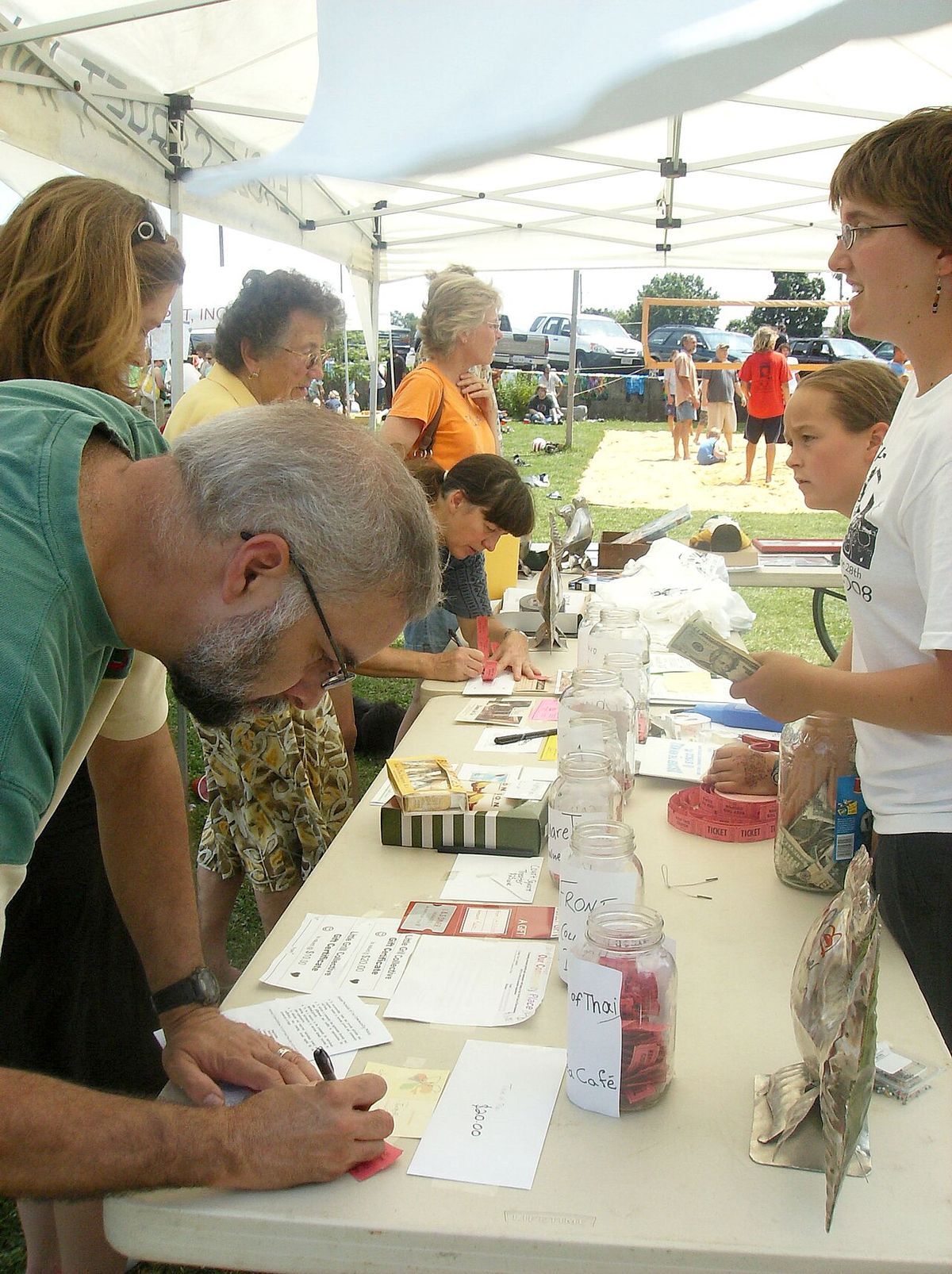
A raffle is a gambling competition in which people obtain numbered tickets, each of which has an equal chance of winning a prize. At a set time, the winners are drawn at random from a container holding a copy of each number. In Canada, raffles are a popular fundraising mechanism for charities, sports teams, and community organizations, governed by provincial and territorial gaming authorities. They range from simple 50/50 draws at local events to large-scale, licensed lotteries. The practice is used to raise funds for specific causes and is often held at special events with many onlookers.
Definition and Basic Mechanics
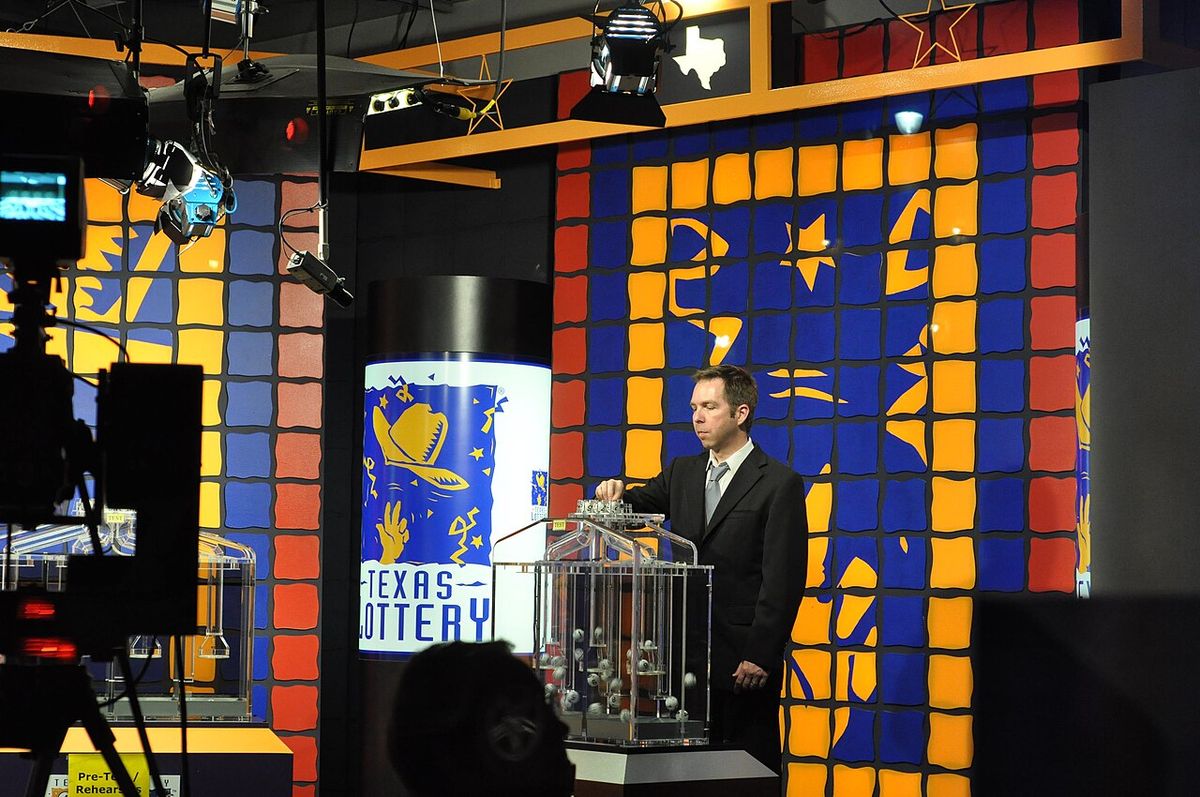
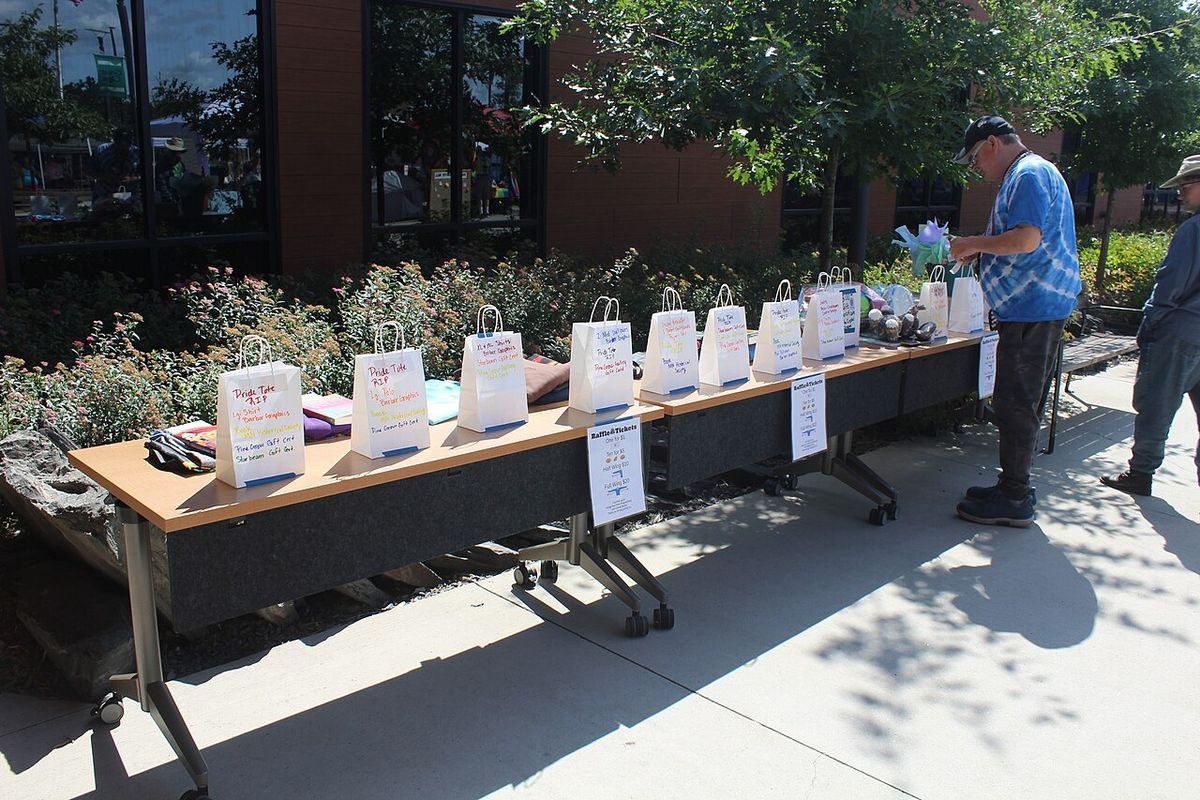
A raffle operates as a gambling competition where people obtain numbered tickets, each having an equal chance of winning a prize. The draw is conducted by pulling tickets at random from a container holding a copy of each number. The drawn tickets are checked against a collection of prizes with numbers attached to them. The holder of the winning ticket receives the prize. A raffle may involve several separate prizes, possibly donated, with a different ticket drawn for each prize. This means a purchaser may be attracted to the possibility of winning any of those offered. In the draw, one ticket is drawn for the initial prize and that ticket is then left out of the container. A second ticket is then drawn for the next prize, and that ticket also is discarded. This continues until all prizes have been awarded. The draw for prizes may be held at a special event, overseen by a club official or well-known person.
Raffle Formats and Common Variations
Raffles appear in several common formats, each with distinct characteristics for players and organizers. The 50/50 draw is a widespread format where the prize is a portion of the total ticket sales revenue, with the remainder going to the organizing charity. Such raffles are sometimes referred to as cash raffles. Prize raffles offer specific, often donated, items such as vehicles or travel packages. Tombola is a variation where tickets are placed in a barrel and tumbled before drawing, commonly seen at local fetes in the UK. With the Italian mass emigration of the 19th and 20th centuries, the tombola game which originated in Southern Italy was exported abroad and it took different forms and names such as Bingo. A common practice for increasing revenue is to offer bulk sales of tickets, such as three tickets for a bundled price, which is also known as a Chinese auction. This practice is illegal in some countries. Private raffles may be used to dispose of high-value items like a horse, car or real estate. Where the prize is a valuable work of art, the process may be termed an art union. Australian artists who have disposed of their works in this way include Alfred Felton, James Ashton, and E. H. Baggs.
- 50/50 Draw: Prize is a percentage of the total ticket sales pool, sometimes half.
- Prize Raffle: Specific goods or experiences are awarded.
- Tombola: Tickets are drawn from a tumbled barrel, often at community events and Christmas time.
- Cash Raffle: All prizes are cash, and may be illegal in some places like California.
- Bulk Sales/Chinese Auction: Discounted pricing for multiple ticket purchases to increase revenue.
- Private/Art Union Raffle: Used to raffle off high-value property or artwork.
Regulation and Licensing in Canada
In Canada, raffles are classified as lottery schemes and are regulated by provincial and territorial governments. Each province has its own gaming authority, such as the Alcohol and Gaming Commission of Ontario (AGCO) or the British Columbia Lottery Corporation (BCLC), which issues licences for raffles. These licences are primarily granted to eligible charitable or religious organizations for fundraising purposes. The legal age for purchasing a raffle ticket is generally 19 years old across Canada, with the exceptions of Alberta, Manitoba, and Quebec where the age is 18. Regulations often mandate that tickets can only be sold and purchased within the province where the licence is issued. Licensees must adhere to rules governing ticket sales, prize management, draw procedures, and financial reporting. The proceeds from licensed raffles must be used for the charitable purposes outlined in the licence application. In some countries like Australia, raffles are regulated and require a permit, or may only be legal for registered nonprofits.

Major Raffle Examples and Scale
Raffles operate at vastly different scales, from local community events to large state or province-wide games. The Minnesota Millionaire Raffle is a prominent annual cash raffle in the United States. The Maryland Lottery's Holiday Raffle for 2026 offers a $1 million top prize from a maximum of 325,000 available tickets. In Canada, conservation lotteries like the Backcountry Bound Conservation Lottery in British Columbia raffle off prizes such as pickup trucks to fund fish, wildlife, and habitat programs. The Jays Care 50/50 raffle operated by the Toronto Blue Jays' foundation is a recognizable example in Canada, having set a Major League Baseball record. Smaller-scale examples are common worldwide. In New Zealand and Australia, meat raffles are commonplace in pubs and registered clubs. Trays of meat or seafood are raffled to raise money for a cause, often a local sporting club. Similar meat raffles are held in Minnesota, Wisconsin and Rhode Island. An early example of a private raffle was American-Australian photographer Townsend Duryea's raffling off his yacht Coquette in 1858.
| Raffle Name | Jurisdiction | Top Prize (2026) | Notes |
|---|---|---|---|
| Minnesota Millionaire Raffle | Minnesota, USA | $1,000,000 | Annual cash raffle with multiple top prizes. |
| Maryland Holiday Raffle | Maryland, USA | $1,000,000 | Features early bird draws and a final draw. |
| Backcountry Bound Conservation Lottery | British Columbia, CA | 2026 F-150 Truck | Funds conservation and outdoor programs. |
| Jays Care 50/50 | Across Canada | Variable jackpot | MLB record jackpot near $4 million. |
| Local Meat Raffle | Australia/NZ pubs | Tray of meat/seafood | Common fundraiser for sports clubs. |
The Jays Care 50/50 Raffle: A Canadian Case Study
The Jays Care 50/50 raffle is operated by the Toronto Blue Jays' charitable arm, the Jays Care Foundation. It functions as a traditional 50/50 draw where half of the total ticket sales from designated games forms the jackpot prize, with the other half supporting the foundation's programs. This raffle has created several winners and holds the record for the largest 50/50 jackpot in Major League Baseball history, a prize nearing $4 million won by a resident of Kitchener, Ontario. The foundation uses the proceeds to fund initiatives including the Field of Dreams grants for baseball infrastructure, the Challenger Baseball program for athletes with disabilities, and youth camps. The Jays Care Foundation is the charitable arm of the Toronto Blue Jays Major League Baseball club. Ticket sales have expanded to allow participation from fans in multiple provinces through online platforms and at Rogers Centre. The draw is conducted electronically, with winners announced during Blue Jays games. The foundation's work includes specific projects such as the Girls At Bat program and support for First Nation communities through infrastructure grants.
Operational Procedures and Rules
Conducting a licensed raffle requires adherence to operational procedures to ensure fairness, security, and regulatory compliance. The process begins with an organization obtaining a licence from its provincial gaming authority, which outlines the approved purpose, ticket pricing, sales period, and draw date. Ticket sales are conducted through approved methods, which can include online platforms with age and location verification to restrict sales to eligible provincial residents. The draw itself must be conducted at the approved time and location, often using a provincially certified random number generator or a physical draw witnessed by independent parties. All ticket purchasers must be provided with a receipt or ticket number, and the licensee must securely maintain the list of all sold numbers. Following the draw, winners are notified according to the licence terms and may be required to consent to the release of their names. Raffle organizers must maintain all financial records and report them to the gaming authority to show proceeds were used for the stated purpose. In some places, bulk ticket sales or Chinese auctions are illegal. Players tend to spend more money on bulk tickets believing they have a much better chance of winning.
- Licensing: A permit or licence is required from the relevant gaming authority.
- Sales Jurisdiction: Tickets may be sold and purchased only within the licensed province or territory.
- Age Requirement: Ticket purchasers must be of legal age (generally 19, or 18 in Alberta, Manitoba, Quebec).
- Sales Deadline: Final ticket sales occur by a specified deadline before the draw.
- Draw Details: The draw is held at a set time and location, often overseen by an official.
- Draw Method: The winning ticket is drawn using a random method from a container or RNG.
- Winner Contact: Winners are contacted by the licensee, often by phone.
- Conflict of Interest: Restrictions often apply to tickets purchased by board members or employees managing the raffle.
Prize Structures and Ticket Pricing Models
Raffle prize structures vary widely, from a single grand prize to many thousands of smaller awards, directly influencing ticket pricing and sales strategy. Cash raffles like the Minnesota Millionaire Raffle offer a tiered prize pool with values from $50 to $1,000,000. The Maryland Holiday Raffle for 2026 featured a multi-draw structure with early bird prizes of $50,000. Ticket pricing often includes bulk purchase discounts to encourage higher sales volume, a practice known as a Chinese auction. Since the tickets cost little to produce, and the prize expense has been set, the number of tickets sold creates little or no additional cost for the raffle holders. These pricing models are designed to maximize total revenue for the cause while providing participants with flexible entry points. In a prize draw, one ticket is drawn for the initial prize and that ticket is then left out of the container. A second ticket is then drawn for the next prize, and that ticket also is discarded. This continues until all prizes have been won. Prizes can be of symbolic value, as often seen in tombolas played at Christmas time.
- Grand Prize: A high-value item such as a vehicle, large cash sum, or real estate.
- Second Prize: A significant but lesser prize, such as a travel package or charter.
- Third Prize: A gift card, hunting package, or valuable merchandise.
- Additional Prizes: Multiple smaller cash prizes or goods to increase the odds of winning.
- Consolation Prizes: Sometimes offered in tombolas, often of symbolic value.
Raffles as a Fundraising and Community Tool
Raffles serve as a critical fundraising tool for charities and nonprofit organizations worldwide, providing a relatively simple method to generate significant revenue. The model is effective because the prize is directly funded by the participants, minimizing upfront costs for the organization. Many community groups, from local sports clubs to women's resource societies, rely on raffles to fund core programs. Conservation organizations use raffles to finance habitat protection, wildlife programs, and outdoor education. The social aspect of raffles, particularly at events like hockey games or community fetes, also helps raise awareness for the cause beyond mere fundraising. In New Zealand and Australia, meat raffles in pubs are a traditional community event supporting local sports. Similar traditions exist in parts of the United States. The raffle is a popular game in many countries. This combination of community engagement, entertainment, and financial support solidifies the raffle's enduring role in the philanthropic landscape. Related concepts include fundraising, lotteries, sweepstakes, and lucky dip games.
Responsible Gambling and Consumer Information
Given that raffles are a form of gambling, responsible play and clear consumer information are integral components, especially for large-scale licensed draws. Provincial regulations require licensees to ensure participants are of legal age, and many raffle websites prominently display age restrictions and responsible gambling messages. Some lotteries provide helplines for gambling problems. Raffle administrators are also responsible for providing accurate information about the draw process, odds, and prize claims. Official winning numbers are those actually drawn, and participants are directed to verify numbers through official channels. For winners, there are established procedures for claiming prizes, including requirements for prizes won in a minor's name. These frameworks ensure that while raffles are fun fundraising tools, they operate within a context that acknowledges and mitigates the risks associated with games of chance. Such raffles are illegal in some places, such as California with limited exceptions. In places where they are legal, they are often held to raise funds for a specific charity or event.
Questions about Raffle
What is a 50/50 draw?
A 50/50 draw is a specific type of raffle where the prize is a portion of the total revenue collected from ticket sales, with the remainder going to the organizing charity. The jackpot amount is not fixed and grows with each ticket sold. The winning ticket is drawn at random from all tickets sold. Such draws are sometimes referred to as cash raffles and may be illegal in some jurisdictions like California.
How does the Toronto Blue Jays 50/50 raffle work?
The Toronto Blue Jays 50/50 raffle is operated by the Jays Care Foundation. Fans purchase tickets online or at Rogers Centre during selected games. Proceeds are split between the jackpot winner and the foundation's programs supporting youth baseball. The raffle set a Major League Baseball record with a jackpot near $4 million. The Jays Care Foundation is the charitable arm of the Toronto Blue Jays. Ticket sales have expanded to multiple Canadian provinces.
Are raffles legal in Canada?
Yes, raffles are legal in Canada but are strictly regulated as lottery schemes under provincial and territorial jurisdiction. They can only be conducted by licensed charitable or religious organizations for fundraising purposes. Each province has a gaming authority that issues licences. Individuals must be of legal age, generally 19, to purchase tickets. In some countries, raffles require a permit and are only for nonprofits.
What are the odds of winning a raffle?
The odds of winning a raffle depend directly on the number of tickets sold versus the number of prizes available. Some large cash raffles publish overall odds. The fundamental calculation is the number of winning chances divided by the total number of tickets in the draw. In a draw with several prizes, a different ticket is drawn for each prize, and tickets are discarded after being drawn.
Where can I check 50/50 winning numbers?
Winning numbers for 50/50 draws are posted by the organizing body after the draw is conducted. For large public raffles, numbers are announced during the event and posted on the official website. Provincial lottery corporations often provide winning number checkers on their websites or apps. For smaller community raffles, winners are contacted directly and names may be published as required by the licence.
Can you buy raffle tickets online in Canada?
Yes, many licensed raffles in Canada offer online ticket sales through secure platforms. This is common for large charitable lotteries. Online sales are often restricted to residents of the province where the raffle is licensed due to regulatory boundaries. Purchasers must verify they are of legal age and provide accurate information for winner notification. The draw date and sales deadline are listed on the portals.
Sources and further reading
- Raffle (Wikipedia)
- 2026 Raffle, The Minnesota Lottery (mnlottery.com)
- Order tickets for the 2026 Side by Side Raffle | Raffle Nexus (sidebysideraffle.fsjwrs.ca)
- Order tickets for the Backcountry Bound Conservation Lottery | Raffle ... (bcwflottery.com)
- Lottery Launches Holiday Raffle Offering $1 Million Top Prize (mdlottery.com)
- Jays Care | In The News | Toronto Blue Jays (mlb.com)
Checked by the Nosy Mag desk. Last updated 2026-11-08.