Chase the Ace
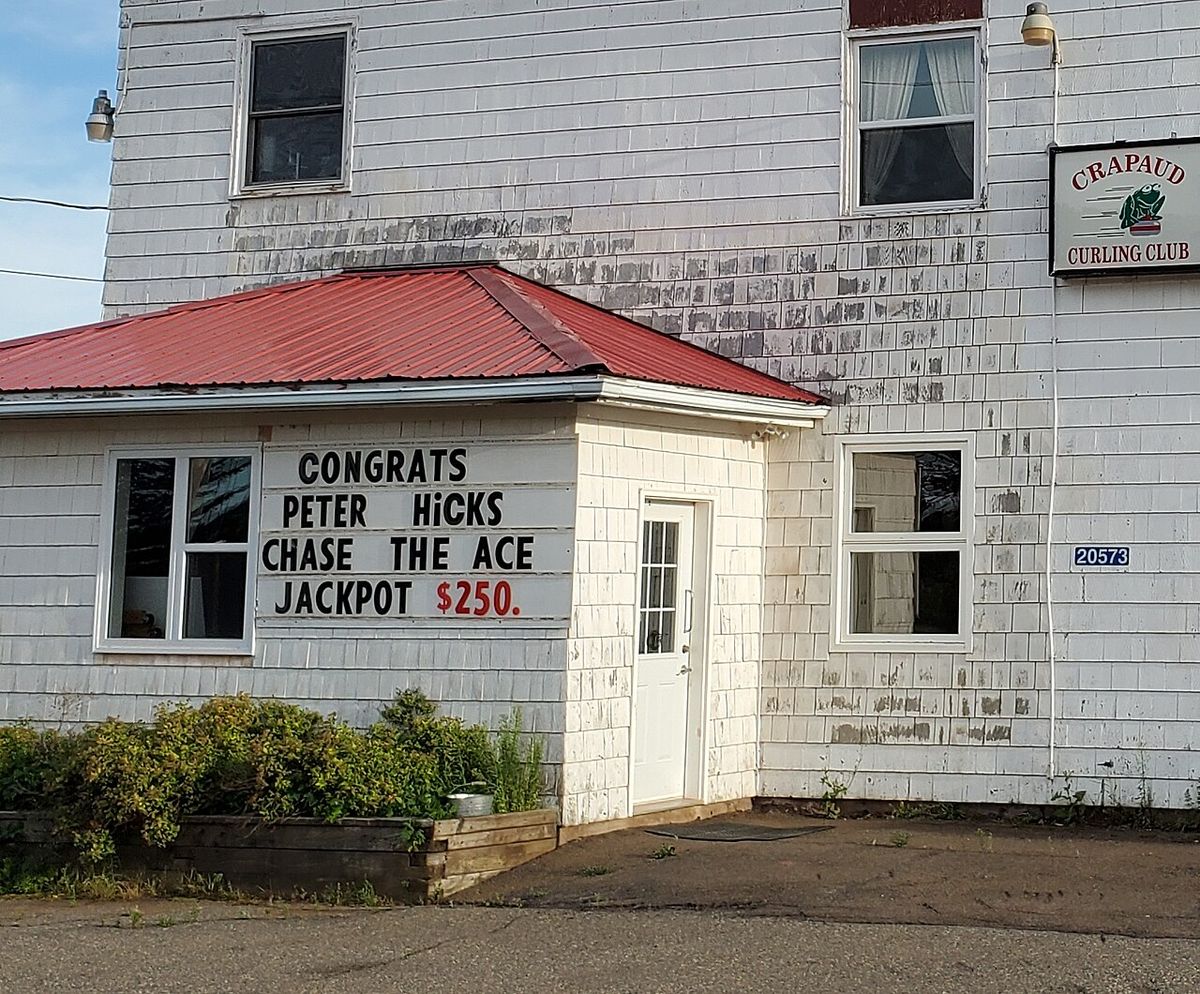
Chase the Ace is a progressive raffle lottery game that has become a popular fundraising phenomenon in Canada, particularly in Atlantic Canada, since gaining prominence in 2013. The game combines a weekly cash draw with a suspenseful card draw from a diminishing deck, where the ultimate goal is to reveal the Ace of Spades to win a life-changing, accumulating jackpot. It is widely used by charities, community groups, and fire departments to generate significant revenue for local projects through licensed events. The game's simplicity, coupled with the potential for massive jackpots that can reach into the millions of dollars, has drawn large crowds and created notable news stories across the country and internationally.
Game Mechanics and Rules
Chase the Ace operates as a multiple-draw lottery where participants purchase tickets for a chance to win two distinct prizes each week. Ticket sales for a weekly draw typically close on a specific day, such as Monday at 6:00 PM in some Alberta-based raffles, with the draws occurring shortly thereafter. The first prize is a Weekly Cash Prize, usually amounting to 20% of that week's total ticket sales, awarded to a single ticket drawn via Random Number Generation. The winner of this cash prize does not need to be present to claim this portion of the winnings.
Following the cash draw, that week's winner is invited to participate in the progressive card draw, which is the core of the Chase the Ace game. Each card is sealed inside an individual envelope. The weekly winner, or a designated proxy if the winner is unavailable, selects one sealed envelope from the remaining deck. If the card revealed is the Ace of Spades, that winner claims the entire accumulated progressive jackpot and the raffle concludes.
If any other card is drawn, it is permanently removed from play, the jackpot rolls over, and the game continues the following week with a smaller deck. This mechanic means the odds of drawing the ace improve each week as cards are eliminated, adding to the game's suspense. The progressive jackpot grows because a set percentage, typically 30%, of each week's ticket sales is added to it. In Australia, the game is a popular weekly sales promotion in hospitality venues such as pubs and taverns, with participants receiving tickets with a food or alcoholic drink purchase.
- Participants purchase raffle tickets during the sales period, which closes before the draw.
- At the designated draw time, one winning ticket is selected for the Weekly Cash Prize (20% of sales).
- The cash prize winner is contacted and invited to select a sealed envelope for the progressive card draw.
- At the card draw event, the winner or a proxy chooses one envelope from the remaining deck.
- If the Ace of Spades is revealed, the winner claims the full progressive jackpot and the game ends.
- If any other card is drawn, it is removed, the jackpot rolls over, and a new weekly cycle begins.
Fundraising Structure and Revenue Split
The financial structure of Chase the Ace is designed to maximize fundraising for the organizing charity or community group while offering attractive prizes to participants. Revenue from ticket sales is commonly divided into three portions according to a standard formula. Organizers typically retain 50% of the sales to support their charitable cause or community project, such as installing floodlights at a ball field or funding fire departments. The remaining 50% is allocated to the prize pool, which is itself split into two parts.
A fixed 20% of total weekly sales is awarded as the immediate Weekly Cash Prize to the holder of the drawn ticket. The other 30% of weekly sales is funneled into the progressive jackpot, which continues to grow until the Ace of Spades is found. This clear and predictable split helps organizations project potential revenue and has been a key factor in the game's adoption as a major fundraising tool. All fundraising revenue is typically kept within the local community, funding projects that directly benefit residents.
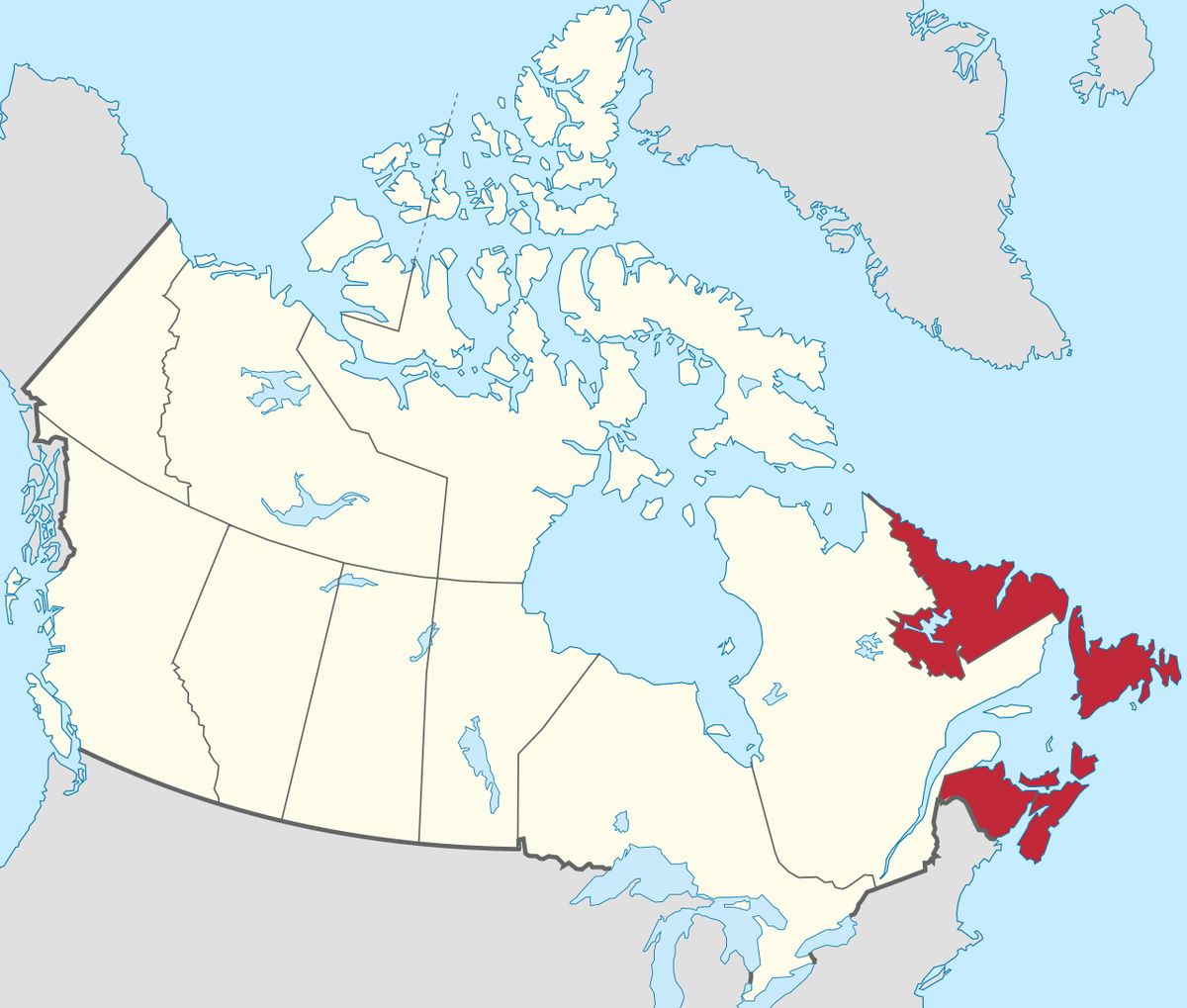
In September 2015 about 300 lottery licences for Chase the Ace games had been issued in Nova Scotia during the previous twelve months. Similarly successful lotteries have taken place in Newfoundland and Labrador and Prince Edward Island. The fundraising model has proven highly successful since gaining popularity in Canada in 2013. It has raised millions of dollars for various community initiatives across the country through these lottery games.
Historical Development and Major Games
Chase the Ace first emerged as a licensed lottery in Canada in 2013, when the community of Noel, Nova Scotia, copied the idea from a fundraiser in Inuvik to raise money for ball field floodlights. Their game ended with a jackpot of $209,752.50, demonstrating the model's potential and sparking widespread interest. By September 2015, approximately 300 lottery licences for Chase the Ace had been issued in Nova Scotia alone over the preceding twelve months. Similarly successful games launched in Newfoundland and Labrador and Prince Edward Island during this period.
The game's capacity to draw crowds far exceeding a host community's population became evident in the summer of 2015 in Inverness, Nova Scotia. A game that started in 2014 attracted audiences roughly ten times the village's resident population. This necessitated extra venues, parking, and even a temporary cellphone tower. Several games have achieved national attention due to their record-breaking jackpots and associated stories.
The Inverness game faced public safety concerns when the jackpot neared $1.5 million with only six cards left in September 2015. Organizers declared a final draw date with modified rules to ensure a winner. The ace was finally drawn from a deck of three cards, awarding a $1.7 million jackpot. An even larger record was set in Sydney, Nova Scotia, where the jackpot reached $2.6 million by May 2016 with five cards remaining.
On May 7, 2016, Kathy McPherson won the $2.9 million jackpot in Sydney. She and the organizers pledged donations to Fort McMurray wildfire relief efforts. Not all major wins were without controversy. A 2018 $1.2 million win in Margaree Forks, Cape Breton, led to a family dispute and lawsuit between an aunt and nephew over ticket ownership, which was eventually settled out of court with the aunt receiving $872,639 and the nephew $350,000.
- 2013, Noel, Nova Scotia: The first licensed game in the province, raising funds for floodlights, with a final jackpot of $209,752.50.
- 2014 to 2015, Inverness, Nova Scotia: Drew crowds ten times the local population, jackpot reached $1.7 million, won from a deck of three cards.
- May 7, 2016, Sydney, Nova Scotia: Kathy McPherson won the record $2.9 million jackpot.
- 2018, Margaree Forks, Cape Breton: A $1.2 million jackpot for fire departments led to a family legal dispute settled out of court. The total prize was $1,222,639.
- 2021, South Dakota, United States: Examples of Chase the Ace games were highlighted by the West Central Tribune.

Operational and Logistical Considerations
Organizing a Chase the Ace lottery involves significant planning and risk management, particularly as jackpots grow and events scale. The game is often structured as an event-based lottery, meaning tickets are sold and the draw occurs on the same day. This can require winners to be present to collect their prize for the card draw portion. Managing large crowds, as seen in Inverness, requires attention to facilities like washrooms, parking, and communications infrastructure.
Some events necessitating temporary cellphone towers. The decision to end a game after a certain period or upon reaching a specific threshold, as was done in Inverness, is a critical risk mitigation strategy. This addresses public safety and logistical limits. Organizers must also handle the mechanics of the card draw transparently, using sealed envelopes and a verifiable process to maintain trust.
The administrative tasks include securing a provincial lottery licence, managing ticket sales, conducting the draws, and ensuring the secure growth and payout of the progressive jackpot. After the event on 26 September 2015 in Inverness, the jackpot had reached nearly $1.5 million with six cards left. Organizers declared the following Saturday the final date, with rules changed to ensure the jackpot would be won. If the initial winner did not draw the ace, another ticket would be selected for a consolation prize and a chance to draw.
- Crowd Management: Events in Inverness, NS, required extra venues and parking for crowds ten times the local population.
- Infrastructure: The same Inverness event required the installation of a temporary cellphone tower.
- Public Safety: Organizers in Inverness terminated the game on a set date in September 2015 due to concerns over safety and lack of facilities like washrooms.
- Rule Modifications: To ensure a conclusion, the final Inverness draws included consolation prizes of $25,000 and multiple draws until the ace was found.
- Ticket & Prize Administration: Organizers must manage co-winner disputes, as seen in the 2018 Margaree Forks case where two cheques were issued for a total prize of $1,222,639.
Contemporary Examples and Ongoing Popularity
The game has spread beyond its Atlantic Canadian roots, with notable examples in Alberta and even internationally in places like Australia and the United States. In Australia, it functions as a weekly sales promotion in pubs and taverns, where participants receive tickets with food or drink purchases. In Canada, modern iterations often leverage online ticket sales and detailed weekly updates. For instance, the SCARS (Second Chance Animal Rescue Society) Chase the Ace raffle in Alberta for 2026 features a clear schedule. Ticket sales close on Mondays, the cash prize is drawn Monday evening, and the progressive card draw happens live on Tuesday at noon. These contemporary games maintain the core mechanics while adapting to digital tools for ticket sales and public tracking of the diminishing deck. The enduring appeal lies in the game's dual incentive structure, offering both an immediate weekly cash prize and the tantalizing chance at a multi-million dollar jackpot that grows with community participation.
| Event | Schedule |
|---|---|
| Ticket Sales Close | Every Monday at 6:00 PM (Alberta time) |
| Weekly Cash Prize Draw | Every Monday at 7:00 PM |
| Progressive Card Draw | Every Tuesday at 12:00 PM |
| Winner Contact | Cash prize winner contacted on Tuesday |
This structured weekly approach allows for consistent and predictable operation of the raffle. It builds anticipation within the community as participants await the weekly ticket sales closure and the subsequent draws. The clear timeline creates a regular cycle of excitement leading up to the Progressive Card Draw. This consistency helps maintain community engagement throughout the fundraiser until the Ace of Spades is finally drawn.
- Ticket Sales Close: Every Monday at 6:00 PM (Alberta time).
- Weekly Cash Prize Draw: Every Monday at 7:00 PM, using Random Number Generation.
- Progressive Card Draw: Every Tuesday at 12:00 PM at a designated venue like the Morinville Rescue Centre.
- Winner Contact: The cash prize winner is contacted on Tuesday and invited to select the card or appoint a proxy.
- Jackpot Growth: 30% of each week's ticket sales are added to the progressive jackpot.
- Deck Tracking: Drawn cards are removed and publicly displayed so participants can track the remaining deck week by week.

Key Variations and Alternative Names
While the fundamental chase for a hidden ace remains constant, regional and organizational variations exist in the game's naming and specific rules. The game is known by several alternative names, including Crown the King and Jig the Joker, which may imply a different target card. Some versions, as indicated in one set of rules, hide the Ace of Diamonds among a deck that also includes two jokers. The game is also frequently called Catch the Ace, particularly in official lottery guidelines and by some organizing bodies.
The prize split can also vary slightly depending on the licence and organizing group, though the 50/30/20 model is widely referenced. Regardless of the name or minor rule differences, the essential progressive raffle structure defines the game and its fundraising power. This structure involves a weekly draw coupled with a card draw from a shrinking deck. Chase the Ace is a form of lottery that initially gained popularity in parts of Canada in 2013, with the game later spreading internationally.
Questions about Chase the Ace
What are the basic rules of Chase the Ace?
Participants buy tickets for a weekly draw. One ticket wins a cash prize, typically 20% of that week's sales. That winner then selects one sealed envelope from a deck of playing cards. If the card is the Ace of Spades, they win the entire accumulated progressive jackpot. If not, that card is removed, the jackpot rolls over, and the game continues the next week with a smaller deck. The game ends when the ace is drawn. The jackpot accumulates from draw to draw until it is won, and the game is then over or restarts with a new jackpot.
How is the money from ticket sales divided?
The funds from ticket sales are usually divided into three parts. Typically, the organizers keep 50 percent of the ticket sales. The winner of the weekly lottery draw takes 20 percent of the total weekly sales. The remaining 30 percent of weekly sales goes into the progressive jackpot, which accumulates until it is won. This financial structure ensures the progressive jackpot grows each week as 30 percent of ticket sales are added to it. Simultaneously, the organizing charity receives a reliable 50 percent of sales to fund its community operations or projects.
What was the largest Chase the Ace jackpot ever won?
The largest Chase the Ace jackpot ever won was $2.9 million. This record jackpot was won in Sydney, Nova Scotia, by Kathy McPherson on May 7, 2016. Another very large jackpot was a $1.7 million prize won in Inverness, Nova Scotia, in September 2015. A $1.2 million jackpot was also won in Margaree Forks, Cape Breton, in the summer of 2018, with the total prize being $1,222,639. The organizers, as well as McPherson, announced intents to donate portions of their earnings to relief efforts for the Fort McMurray wildfire.
Do you have to be present to win Chase the Ace?
The requirement to be present depends on the specific raffle rules. For the weekly cash prize draw, you do not need to be present to win that portion. However, for the progressive card draw to chase the ace, the weekly winner is typically invited to select the card in person. If the winner cannot attend the card draw, they can usually appoint a designated proxy to select a card on their behalf. This is a common feature in event-based lotteries where the draw occurs on a specific day.
Is Chase the Ace only played in Canada?
No, Chase the Ace is not only played in Canada. The game initially gained massive popularity in parts of Canada starting in 2013, particularly in Atlantic provinces like Nova Scotia. However, it has since spread internationally. In Australia, it is a popular weekly sales promotion in hospitality venues such as pubs and taverns. Examples of the game have been noted in the United States, such as in the state of South Dakota in 2021, indicating its reach beyond Canadian borders.
How do the odds change as the game progresses?
The odds of drawing the Ace of Spades improve each week as the game progresses. This is because after each weekly draw, if the ace is not revealed, the selected card is permanently removed from the deck. The reduced deck is then kept for the next week's card draw. As more non-ace cards are removed, the deck gets progressively smaller. Consequently, the chances of the weekly winner selecting the single Ace of Spades from the diminishing number of remaining cards increase significantly over time. The game continues with a diminishing deck each week until the Ace of Spades is finally drawn.
Sources and further reading
- Chase the Ace (Wikipedia)
- SCARS Chase the Ace Raffle 2026 (scarscare.ca)
- About Chase the Ace (bracebridgerotary.ca)
Checked by the Nosy Mag desk. Last updated 2026-11-10.