2026 Ontario Liberal Party leadership election
The 2026 Ontario Liberal Party leadership election is the process by which the party will select a permanent leader to succeed interim leader John Fraser. Party members will cast ranked ballots online during the voting period from November 9 to November 20, 2026. The results of this election are scheduled to be announced on November 21, 2026. This contest follows the resignation of former leader Bonnie Crombie, which occurred after a mandatory leadership review vote held during the party's 2025 annual meeting.
Background and electoral decline
The leadership contest is set against a backdrop of the Ontario Liberal Party's ongoing efforts to recover from its historic defeat in the 2018 provincial election. Under premiers Dalton McGuinty and Kathleen Wynne, the party governed from 2003 to 2018 before losing official party status by winning only seven seats and less than 20 percent of the popular vote. Accepting responsibility for the defeat, Wynne resigned as leader on election night in 2018. Subsequent leaders Steven Del Duca and Bonnie Crombie, neither of whom were sitting MPPs when elected leader in 2020 and 2023 respectively, helped the party regain official status by winning 14 seats in the 2025 election. The party regained four percentage points of popular vote in the 2022 election and six percentage points in the 2025 election under their leadership, though neither leader secured a seat for themselves in the legislature. Dissatisfaction with the party's trajectory led to the formation of the New Leaf Liberals group, which advocated for a high threshold in Crombie's mandatory leadership review. At the party's 2025 annual general meeting from September 12 to 14, only 57 percent of delegates voted in support of Crombie continuing as leader, a result above the constitutional threshold of 50 percent plus one but below the 66 percent benchmark pushed by critics. Crombie initially stated she would remain and fight the next election but reversed course hours later after meetings with the caucus and executive council, announcing her intention to resign once a leadership election was held. She officially resigned on January 14, 2026, and the party's caucus nominated John Fraser, the parliamentary leader since 2018, as interim leader on January 19, a selection confirmed by the party executive on January 22.
Rules and voting procedures
The contest is governed by the party's constitution, specifically Article 9 on leadership contests which was substantially amended in 2023, and Chapter 8 of the Rules of Procedure enacted by the executive council on February 7, 2026. The Election Finances Act of Ontario regulates candidate registration, financial reporting, and donation limits, with candidates unable to fundraise officially until registered with Elections Ontario. A key change from past contests is the use of a universal membership vote via online preferential ballot, ending the delegated convention system after a March 2023 constitutional amendment. All party members registered by the September 7, 2026 deadline are eligible to vote, with a special membership deadline of 5 p.m. on September 25, 2026, set for members of student clubs. The winner is determined through a weighted points system where 100 points are allocated to each of Ontario's provincial electoral districts, distributed proportionally based on first-preference votes. An additional 50 points are allocated per recognized student club and 5 points per recognized women's club. If no candidate secures 50 percent of total points on the first count, the lowest-ranked candidate is eliminated and their supporters' subsequent preferences are redistributed until one candidate achieves a majority. The party reported on October 1, 2026, that approximately 55,000 individuals were eligible to vote, a number lower than the 2023 contest due to a more stringent two-step verification process designed to confirm active participant choice rather than passive inclusion on a membership list.
Candidate field and declarations
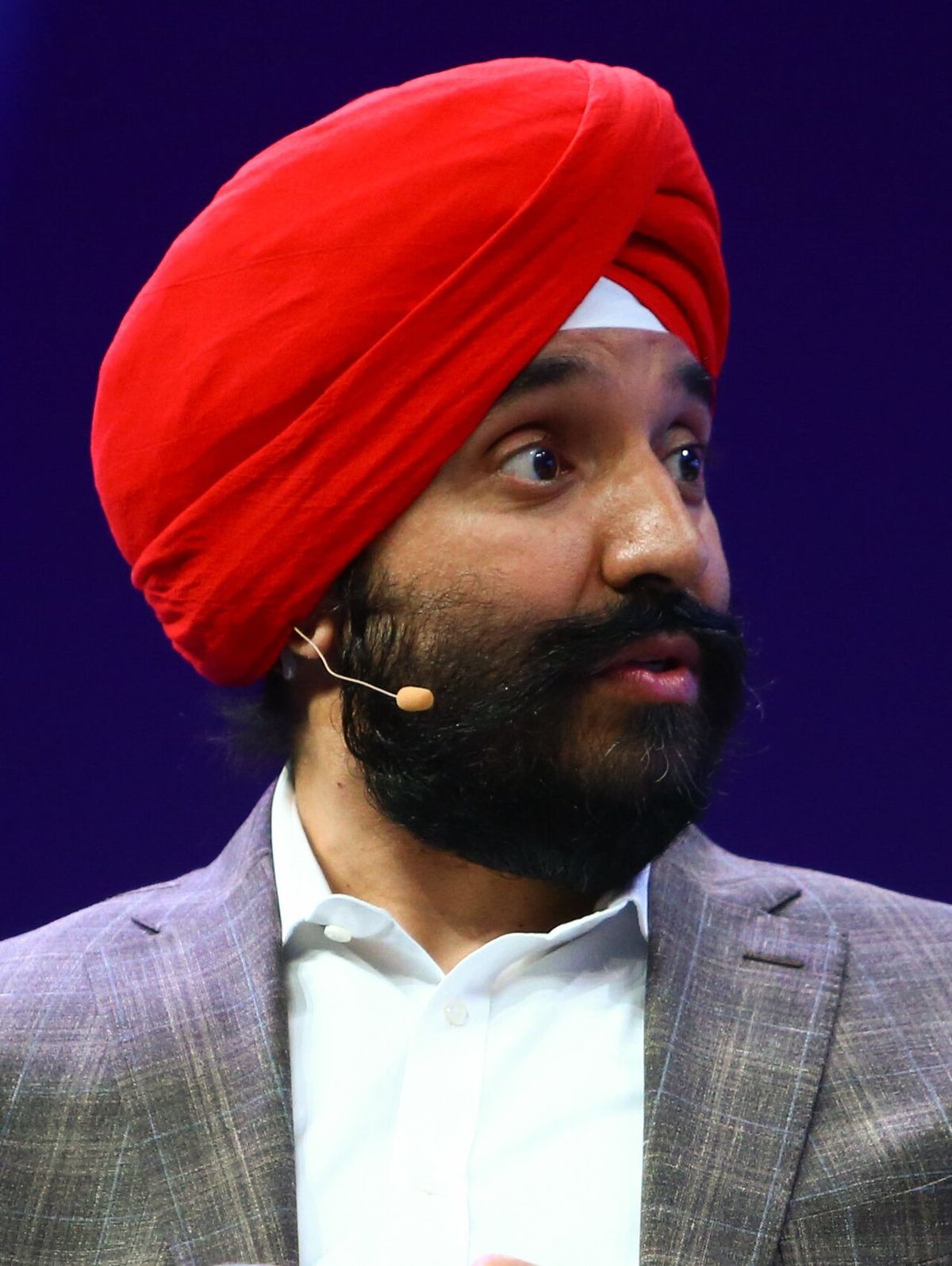
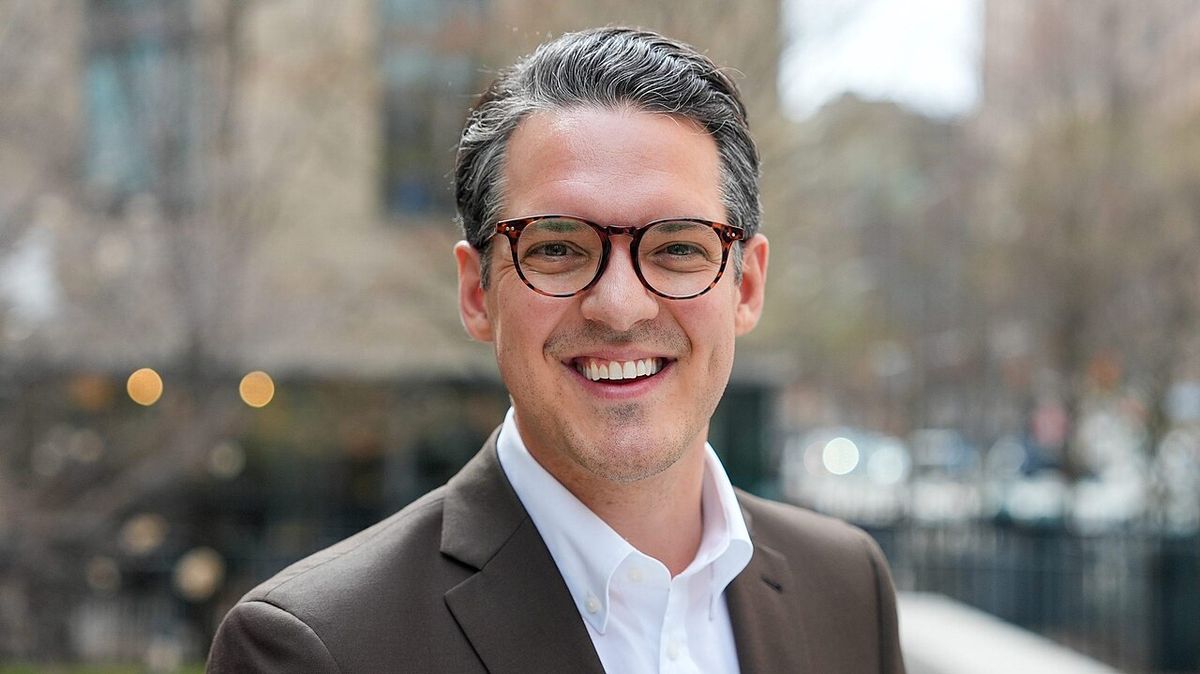
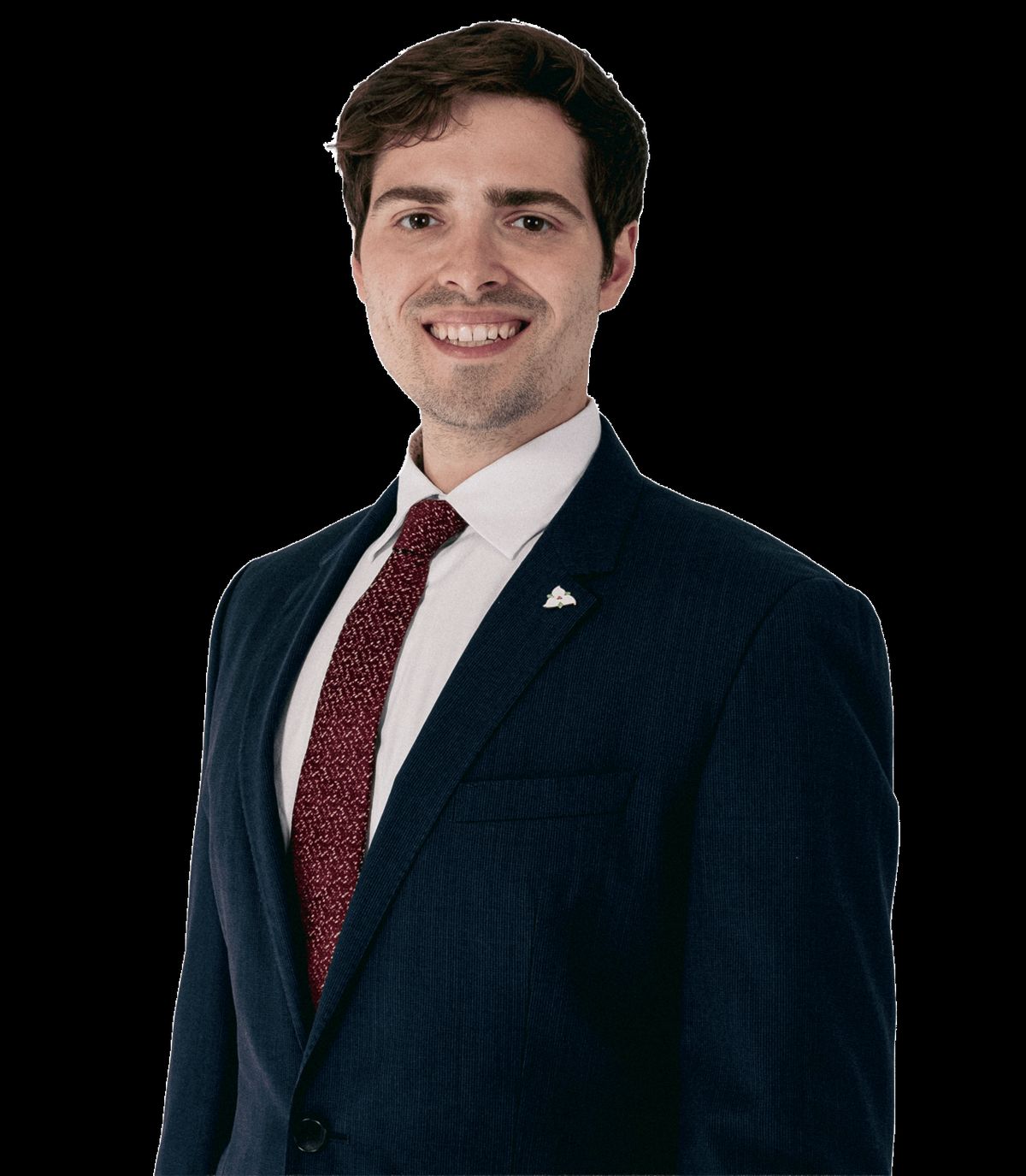
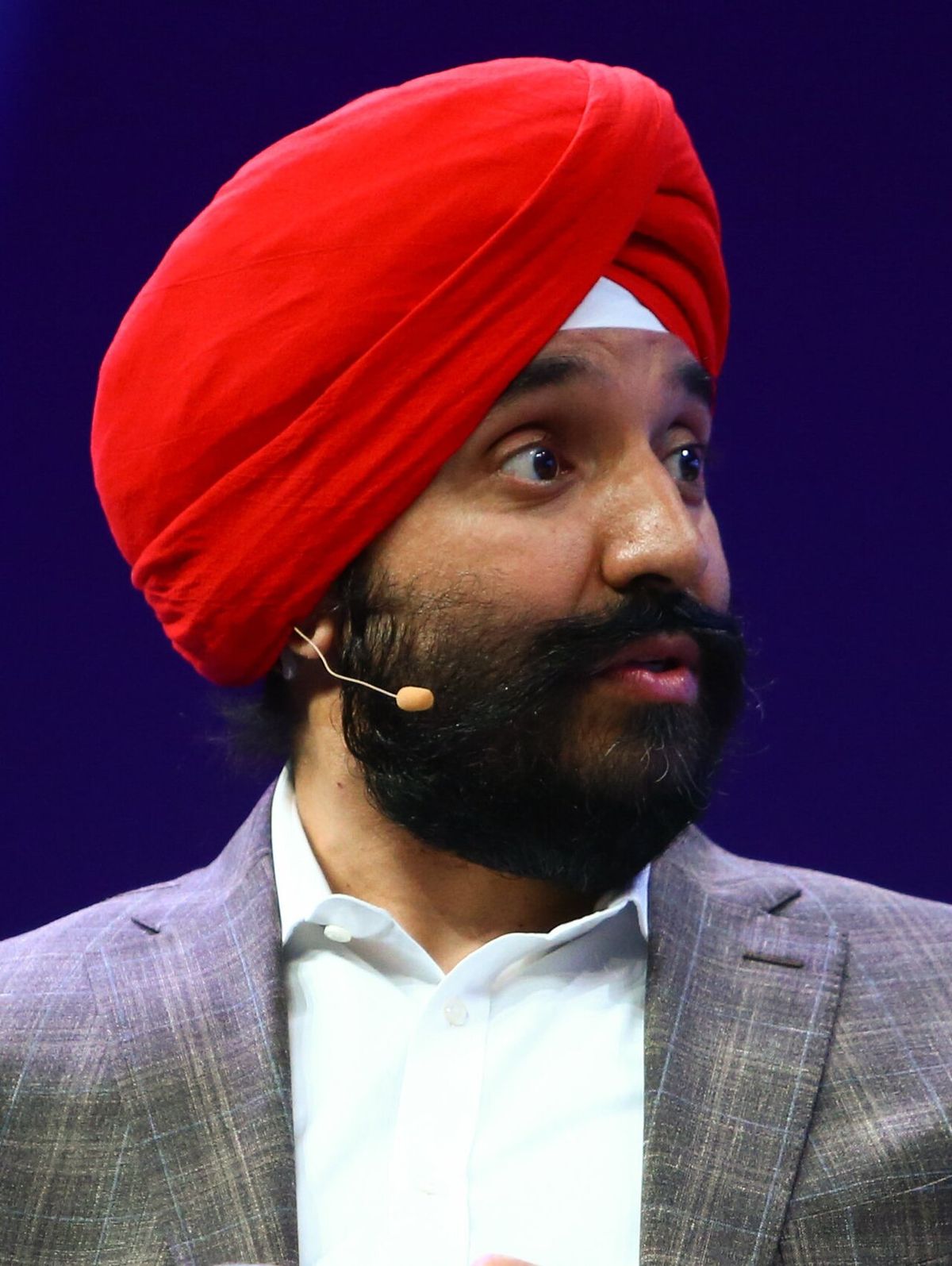
The candidate field saw several entries and withdrawals over the spring and summer of 2026, shaped by a $150,000 registration fee and a final deadline of July 31. Dylan Marando was the first to announce his candidacy on April 21, followed by MPP Lee Fairclough on May 8. Former federal cabinet minister Navdeep Bains declared on May 25, and MPP Rob Cerjanec announced on May 28 before suspending his campaign on July 5. Eric Lombardi entered the race on June 9 but withdrew on September 30. MPP Stephanie Bowman and Vikram Handa both declared on the July 31 deadline, though Handa had not been officially qualified by the party at that time and withdrew on August 7. Several high-profile figures declined to run, including MP Nate Erskine-Smith, who said his candidacy became 'much less likely' after losing a Scarborough Southwest by-election nomination to Ahsanul Hafiz on May 9, and formally announced he would not run on June 25. Other notable declinations included MPPs Ted Hsu, Adil Shamji, and Tyler Watt, MPs Yvan Baker, Vince Gasparro, Karina Gould, Danielle Martin, Yasir Naqvi, and Marco Mendicino, as well as physician Andrew Boozary, former party president Mike Crawley, former Barrie mayor Jeff Lehman, and Toronto city councillor Josh Matlow. John Fraser, the incumbent interim leader, also declined to run for the permanent position.
Campaign platforms and policy debates
Early campaign messaging focused heavily on economic and affordability issues, with candidates putting forward distinct policy frameworks. Navdeep Bains promoted an 'Ontario Deal' focused on regional economic development, job creation, and housing access, drawing on his background in federal industrial policy. Stephanie Bowman prioritized youth employment, productivity growth, and fiscal management, while Dylan Marando advocated for expanding OHIP coverage and restoring needs-based OSAP grants. Eric Lombardi released the contest's first fully costed platform before his withdrawal, focusing on economic growth, housing supply, post-secondary tuition relief, and structural reforms to public service delivery including competitive incentives within the publicly funded healthcare system. Lee Fairclough emphasized the need for the next leader to be a sitting MPP ready to confront the government immediately in the legislature, and focused her policy on healthcare access, mental health services, and restoring decision-making authority to municipal governments. Governance and electoral reform also emerged as themes, with Fairclough's platform including assigning a caucus Advocate for Democratic Reforms to examine electoral system changes through multi-party cooperation. Bowman's platform proposed convening a party policy conference to examine proportional representation, though she expressed a preference for any change to go to a referendum.
Electoral reform as a defining issue
The topic of electoral reform, specifically proportional representation, gained significant attention during the campaign, driven by external advocacy groups like Fair Vote Canada which tracked candidate positions. Candidates' positions on the issue varied and were scrutinized as part of their platforms. Lee Fairclough's platform did not commit to proportional representation but acknowledged shortcomings in the first-past-the-post system and pledged to assign a caucus Advocate for Democratic Reforms to advance work through multi-party cooperation, a stance advocates viewed as open to collaboration. Stephanie Bowman's platform proposed acknowledging the system's flaws and convening a party policy conference to examine proportional representation, though her team's responses indicated she was undecided on change and believed it should go to a referendum. The contrast between seeking multi-party agreement versus a referendum framed a part of the policy debate, with advocates noting that proportional representation internationally is typically enacted by legislative agreement rather than public vote.
Detailed timeline of key events
The path to the leadership election was set in motion by events in 2025 and early 2026, establishing a clear sequence from the general election to the vote. The Ontario general election on February 27, 2025, returned a third consecutive majority Progressive Conservative government while the Liberals won 14 seats and official party status, though leader Bonnie Crombie lost her own seat. The party's annual general meeting was held from September 12 to 14, 2025, where the mandatory leadership review vote took place, resulting in the 57 percent support figure for Crombie. On September 28, 2025, the party's executive council approved the creation of the Leadership Vote Committee chaired by treasurer Gabriel Sékaly and including president Kathryn McGarry to consult on best practices. After Crombie's resignation on January 14, 2026, and Fraser's confirmation as interim leader, party president Kathryn McGarry announced the full contest details including voting dates and entrance fee on February 7, 2026. The campaign period saw candidate announcements and withdrawals throughout the spring and summer, culminating in the membership deadline on September 7 and the final candidate withdrawal by Eric Lombardi on September 30. The party scheduled all-candidate debates and events, including a key event on October 16, 2026, for candidates to share their visions. The voting period runs from November 9 to 20, 2026, with the leader announcement scheduled for November 21, 2026, concluding the process.
- February 27, 2025: 2025 Ontario general election held, Liberals win 14 seats.
- September 14, 2025: Crombie announces intention to resign after leadership review results.
- September 28, 2025: Executive council creates Leadership Vote Committee.
- January 14, 2026: Bonnie Crombie officially resigns as leader.
- January 19, 2026: Caucus nominates John Fraser as interim leader.
- February 7, 2026: Party announces voting dates, $150,000 fee, and timeline.
- July 31, 2026: Candidate registration deadline.
- September 7, 2026: Deadline for members to join and be eligible to vote.
- November 9-20, 2026: Online voting period.
- November 21, 2026: Results announced.
Organizational structure and party oversight
The leadership election is administered under the authority of the Ontario Liberal Party's executive council and a specially constituted committee. The Leadership Vote Committee, established on September 28, 2025, is chaired by party treasurer Gabriel Sékaly and includes party president Kathryn McGarry. Its mandate was to consult with members, research best practices, and provide recommendations for the election process, leading to the enactment of Chapter 8 Leadership Contest Rules on February 7, 2026. The party's headquarters, located at Suite 404, 344 Bloor Street West in Toronto, serves as the central administrative hub for the contest. The party framed the election as a member-driven choice under the theme 'Our Choice,' emphasizing that the process was about setting direction and building a stronger team beyond just selecting a leader. This organizational effort reflects the logistical challenge of managing a province wide online membership vote with stringent verification, a task complicated by the constitutional shift away from delegated conventions.
Endorsements and internal party dynamics
Endorsements from prominent party figures and elected officials played a role in shaping the internal dynamics of the campaign, though comprehensive public lists were not fully detailed. Several individuals who declined to run for leader themselves publicly supported other candidates, indicating early factional alignments. Ted Hsu, the MPP for Kingston and the Islands who finished fourth in the 2023 leadership election, endorsed Lee Fairclough for the 2026 contest. Similarly, MPP Tyler Watt of Nepean, first elected in 2025, also endorsed Fairclough's candidacy. In contrast, Yasir Naqvi, the MP for Ottawa Centre who finished third in the 2023 race, endorsed Navdeep Bains. These endorsements from sitting parliamentarians with their own leadership histories provided credibility and organizational support to the respective campaigns. The pattern of endorsements also highlighted the ongoing influence of figures from the 2023 leadership contest within the party's internal politics, as both Naqvi and Hsu were recent contenders. The support from sitting MPPs was particularly valuable for Fairclough's argument that the next leader must be a sitting member capable of immediate legislative confrontation.
Comparison of candidate policy positions
The policy platforms of the candidates revealed distinct priorities and approaches to Ontario's major challenges, providing members with clear alternatives. Navdeep Bains centred his campaign on a comprehensive economic strategy, the 'Ontario Deal,' which aimed to stimulate regional development and job creation while improving housing access. Stephanie Bowman's platform emphasized fiscal management and youth employment, linking economic productivity to responsible government spending. Dylan Marando focused on social policy, advocating for an expansion of public healthcare coverage and the restoration of financial aid for post-secondary students based on need. Eric Lombardi, before his withdrawal, distinguished himself by releasing a fully costed platform that proposed structural reforms to public service delivery, including introducing market-style incentives within the publicly funded healthcare system to improve efficiency. Lee Fairclough uniquely stressed the importance of having a leader who is already an MPP, arguing for immediate legislative readiness, and paired this with policy focuses on healthcare, mental health, and empowering municipal governments. On democratic reform, Fairclough proposed a collaborative, multi-party approach to examining electoral changes, while Bowman favoured a member-driven policy conference and a potential referendum, creating a substantive divide on how such a significant change should be pursued.
Questions about 2026 Ontario Liberal Party leadership election
When is the 2026 Ontario Liberal leadership election and how do I vote?
Voting takes place online from November 9 to 20, 2026. To be eligible to vote, individuals must have been registered as a member of the Ontario Liberal Party by the deadline of September 7, 2026, with a special deadline of 5 p.m. on September 25, 2026, for members of student clubs. The party uses a ranked preferential ballot system, where members rank candidates in order of preference. The results will be announced on November 21, 2026. Members will receive voting instructions electronically from the party, which conducted a stricter two-step verification process for this contest.
Who are the candidates running for Ontario Liberal leader?
As of October 2026, declared candidates include MPP Lee Fairclough, former federal cabinet minister Navdeep Bains, MPP Stephanie Bowman, and Dylan Marando. Several individuals entered the race but later withdrew, including Eric Lombardi and Rob Cerjanec. Notable figures who declined to run include MPs Nate Erskine Smith, Karina Gould, and Yasir Naqvi, as well as MPPs Ted Hsu and Adil Shamji. Candidates had to pay a $150,000 registration fee and submit their applications by July 31, 2026, with Vikram Handa declaring but withdrawing before official qualification.
How is the winner of the leadership election determined?
The winner is chosen through a weighted points system, not a simple popular vote. Each of Ontario's provincial electoral districts is allocated 100 points, which are distributed proportionally to candidates based on first preference votes in that district. Additional points are allocated for recognized student clubs and women's clubs. A candidate must secure 50 percent of the total points to win. If no one reaches that threshold on the first count, the lowest ranked candidate is eliminated and their voters' next choices are redistributed in subsequent rounds until one candidate achieves a majority of points.
Why did Bonnie Crombie resign as Liberal leader?
Bonnie Crombie resigned following a mandatory leadership review held at the party's annual general meeting in September 2025. Only 57 percent of voting delegates supported her continuing as leader, which was above the constitutional threshold of 50 percent plus one but below the 66 percent benchmark advocated by the internal New Leaf Liberals group. After initially stating she would stay on, Crombie met with the party's caucus and executive council and announced her intention to resign later the same day. She officially resigned on January 14, 2026, and was succeeded by interim leader John Fraser, who had served in that role twice before.
What is the Ontario Liberal Party's stance on electoral reform?
Electoral reform, particularly proportional representation, emerged as a discussion point in the leadership campaign. Candidate Lee Fairclough's platform proposes assigning a caucus advocate to examine democratic reforms through multi party cooperation without a specific commitment to proportional representation. Candidate Stephanie Bowman's platform suggests convening a party policy conference to examine proportional representation but indicates a preference for a referendum on any change, referencing the 2007 referendum under Premier Dalton McGuinty. The party itself has not adopted a formal new policy on the issue as of the campaign period.
How many people are eligible to vote and why is the number lower than 2023?
Approximately 55,000 party members are eligible to vote in the 2026 leadership election. This number is lower than the eligible voter count in the party's 2023 leadership race. The party attributes the reduction to a more stringent two step verification process implemented for this contest, which required members to actively confirm their participation in two steps to ensure they genuinely intended to be part of the leadership election process rather than simply having their names on a membership list. This was designed to ensure an engaged electorate.
Sources and further reading
- 2026 Ontario Liberal Party leadership election (Wikipedia)
- Ontario Liberal Leadership 2026 - Ontario Liberal Party (leadership.ontarioliberal.ca)
- Ontario Liberal Leadership 2026 - where do they stand on ... (fairvote.ca)
Checked by the Nosy Mag desk. Last updated 2026-10-21.