Rideau Carleton Raceway
The Rideau Carleton Raceway was a Standardbred harness racing track in Ottawa, Ontario, which operated from 1962 until its closure in March 2026. The site, originally conceived by Member of Parliament James William Baskin, was a central part of the local horse racing community and also hosted the annual Capital Fair from 1998 to 2024. Following a redevelopment, the property now operates as the Hard Rock Hotel & Casino Ottawa, an entertainment destination featuring gaming, dining, and live music. The transition marks the end of harness racing in the National Capital Region while ushering in a new phase of resort operations under the Hard Rock brand.
Origins and Early History
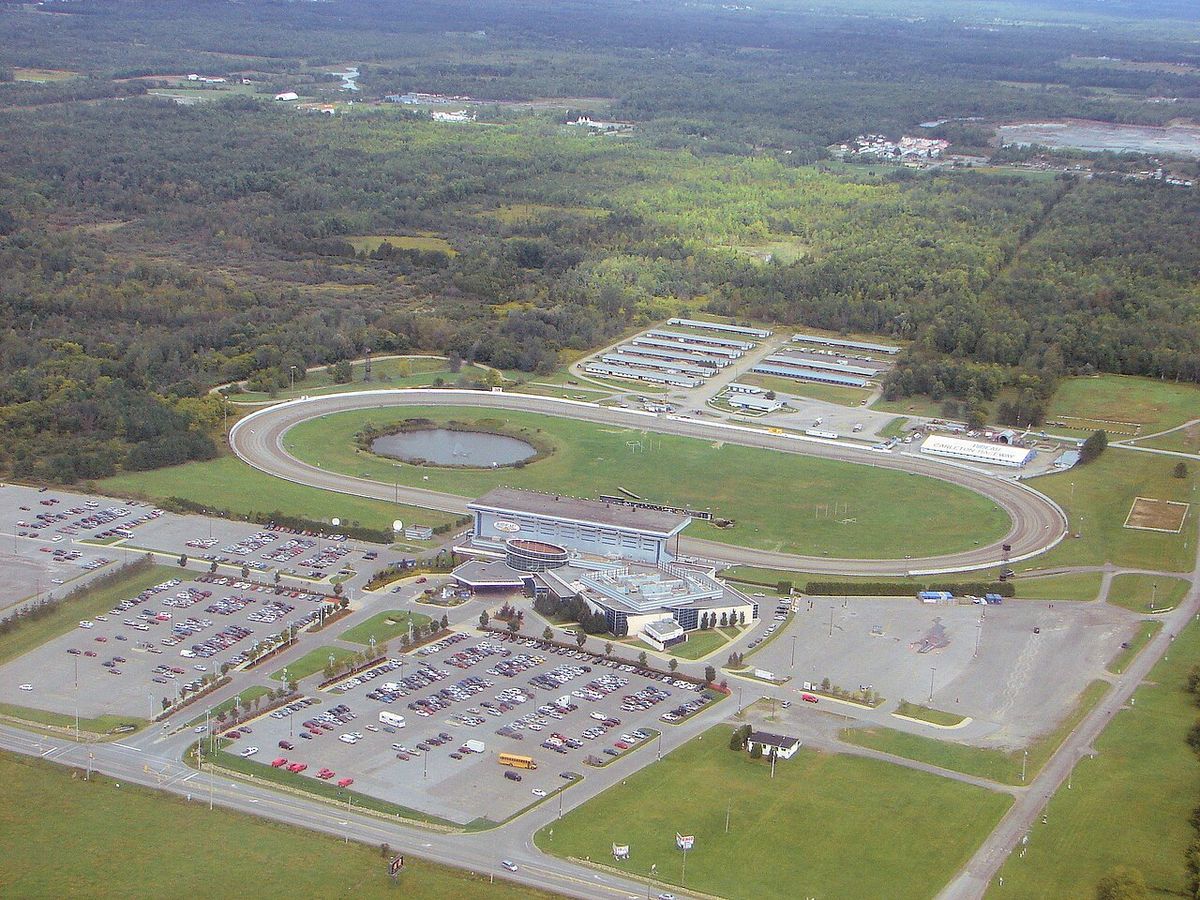
The Rideau Carleton Raceway was the brainchild of James William Baskin, a local Member of Parliament, who saw the project to its opening on 1 September 1962. The facility was constructed on approximately 300 acres of land in Gloucester Township, just two miles from Ottawa's international airport. Architect D'Arcy Helmer, who had previously designed hospitals and schools in the Ottawa Valley but had never visited a racetrack, was tasked with the design. Helmer drew his main inspiration from Scioto Downs in Columbus, Ohio, to create the layout. The grandstand and clubhouse were completed at a cost of CA$841,000, while the track itself cost $750,000. The facilities also included 12 fireproof barns plus 96 tack rooms and a restaurant for the horsepeople. Despite a successful opening day, the raceway's first season was financially troubled due to persistent bad weather, which contributed to the operation going into receivership by the end of 1962. The track later recovered to celebrate its fiftieth anniversary in 2012.
Harness Racing Operations and Records
The racetrack at Rideau Carleton was a five eighths mile oval with a track speed rating of 1:57.4. In 2017, the track had 91 live race dates scheduled, run on Sunday evenings year round except Christmas Eve and on Thursday evenings from April through October. While most races featured modest purses under $10,000, the track hosted significant events each August as part of the Ontario Sires Stakes program. It was also the former home of the Des Smith Classic, a premier event where notable track records were set before the race was discontinued after 2012. In the 2006 renewal, the pacer Lis Mara set a Canadian record for a five eighths mile track with a time of 1:49.3. That record was broken in the 2011 renewal by Lisagain, Lis Mara's brother, who paced the mile in 1:49.2, which remains the all time track record for Rideau Carleton Raceway.
Transition to Gaming and the Racino Model
A significant shift in the venue's operations began in February 2000 with the introduction of slot machines under the authority of the Ontario Lottery and Gaming Corporation. This move created a racino model, where gaming revenue was expected to generate about $130 million annually. The gaming operations brought substantial economic benefits to the City of Ottawa, which has received over $115 million in payments from the casino since its opening. In September 2017, Hard Rock International acquired a 51 percent stake in the facility, marking the beginning of a deeper corporate involvement. The partnership with OLG meant the site demonstrated a daily commitment to responsible gambling with full implementation of OLG’s PlaySmart program.
The Hard Rock Redevelopment and Resort Features
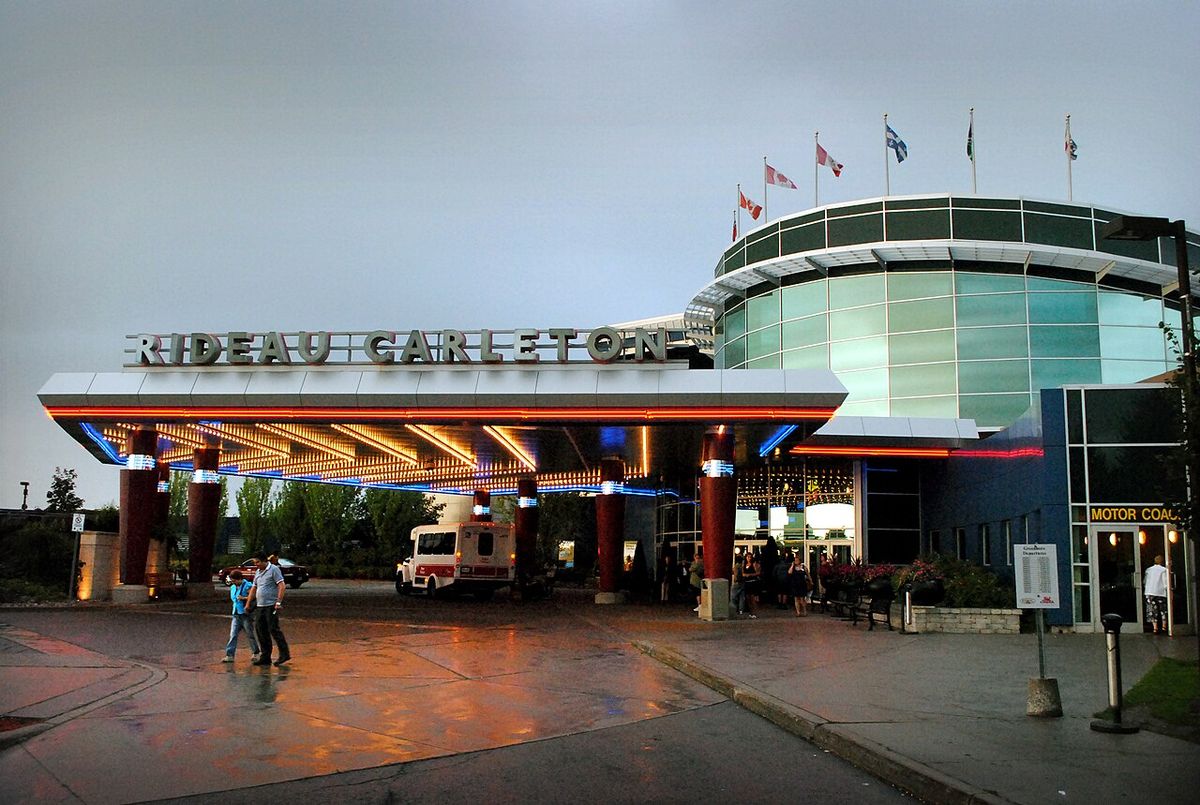
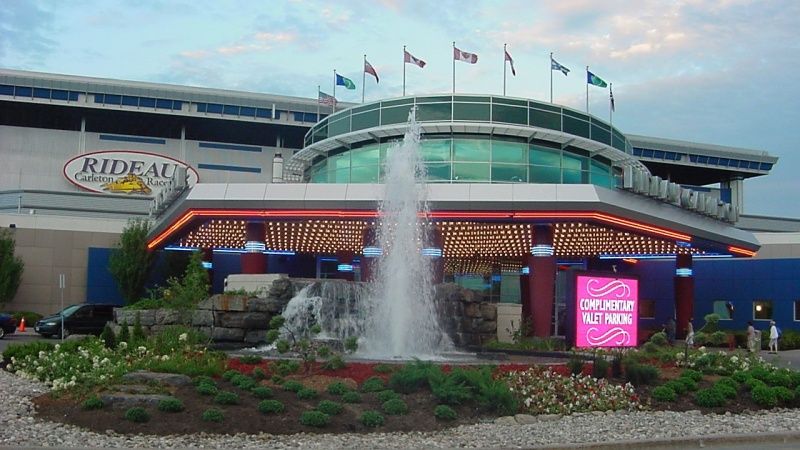
Following the acquisition by Hard Rock, the site underwent a complete $350 million redevelopment to become the Hard Rock Hotel & Casino Ottawa, which opened after the raceway's closure. The new resort is Canada's first Hard Rock Hotel & Casino. It features a 150 room hotel with 22 suites and an expansive gaming floor with approximately 1,500 slot machines and 40 live table games, including a high limit gaming area. Dining and entertainment options are central to the experience, with six unique restaurants including the Hard Rock Cafe and Council Oak Steaks & Seafood, alongside three bars, and the Rock Shop retail store. The crown jewel of the entertainment offerings is Hard Rock Live, a 23,000 square foot, 1,900 seat performance venue that hosts world class concerts and events. The property is decorated with authentic music memorabilia from a global collection, with a special emphasis on celebrating Canadian music legends.
The resort operates several distinct amenities and services for its guests. These include the Hard Rock Live theatre for concerts, the premium Council Oak Steaks & Seafood restaurant, and the globally recognized Hard Rock Cafe. Guests can also visit the Rock Shop for branded merchandise, participate in the Unity by Hard Rock global loyalty program for rewards, and use a taxi ride exchange program available for Unity Points members. The resort employs over 1,000 team members across its multiple bars, hotel, and gaming operations. Hard Rock International holds investment grade ratings from S&P Global Ratings, Moody's Investors Service, and Fitch Ratings. Hard Rock International has venues in nearly 80 countries spanning more than 300 venues including owned, licensed or managed hotels, casinos, and cafes.
- Hard Rock Live theatre hosting concerts and special events.
- Council Oak Steaks & Seafood, a premium dining restaurant.
- The Hard Rock Cafe, a globally recognized restaurant chain.
- The Rock Shop, selling branded merchandise and memorabilia.
- Unity by Hard Rock global loyalty program for rewards.
- Taxi ride exchange program for Unity Points members.
- Multiple bars located throughout the property.
- Over 1,000 team members employed at the resort.
Closure of Horse Racing and Community Impact
The long chapter of harness racing at the site ended definitively in March 2026. The decision was announced jointly by Hard Rock Hotel & Casino Ottawa and Ontario Racing on 2 April 2026, stating that racing would conclude starting with the 2026 season. Hard Rock, which had operated three race seasons under its ownership, cited the long term unsustainability of the racing program despite investing millions to rebuild the paddock and upgrade legacy infrastructure. Christine Crump, President of Hard Rock Hotel & Casino Ottawa, noted that consumer preferences had changed, making a sustainable path forward impossible. The closure directly impacted the local horse racing community, represented by the National Capital Region Harness Horse Association, which had been actively engaged in funding agreement renewal activities throughout 2025.
In response to the closure, Ontario Racing and Hard Rock established a multi point plan to support the transition for workers and the horse racing industry. This plan was designed to mitigate the impact on employees and ensure the continuity of the sport elsewhere in Ontario. The measures included offering all affected raceway team members alternative employment within the Hard Rock organization and providing necessary skills training to support their career transitions. Ontario Racing also created a relocation support program using a portion of the funding previously allocated to Rideau Carleton, while redirecting the balance to boost purses for live horse racing at other Ontario Standardbred racetracks. Transitional funding was announced to assist Standardbred horses from the Ottawa area to travel to southwestern Ontario to continue racing. Ontario Racing encouraged Ottawa area horsepeople to continue racing at any of the 11 other Standardbred tracks in the province.
- All raceway team members affected were offered alternative employment opportunities within the Hard Rock organization.
- Necessary skills training was provided to support career transitions for employees.
- Ontario Racing created a relocation support program using a portion of the funding previously allocated to Rideau Carleton.
- The balance of the traditional funding was redirected to boost purses for live horse racing at other Ontario Standardbred racetracks.
- Transitional funding was announced to assist Standardbred horses from the Ottawa area to travel to southwestern Ontario to continue racing.
- Ontario Racing encouraged Ottawa area horsepeople to continue racing at any of the 11 other Standardbred tracks in the province.
Community Role, Events and Economic Contributions
Beyond racing and gaming, the Rideau Carleton site served as an important community hub for the Ottawa region for decades. It was the home of the Capital Fair, formerly the Gloucester Fair, from 1998 to 2024. The venue also regularly hosted numerous charitable fundraisers and was the site of annual events for several embassies located in the national capital. This community function has been carried forward by the Hard Rock resort, which maintains a commitment to local partnerships, sponsorships, and charitable initiatives as part of its operations. The economic contribution of the gaming facility has been substantial, with the City of Ottawa receiving over $115 million in payments since the slots opened in 2000, funding local programs and services.
| Feature | Hard Rock Hotel & Casino Ottawa Era |
|---|---|
| Primary Use | Gaming & Entertainment Resort |
| Opening Year | Post 2026 Redevelopment |
| Site Size | ~300 acres (redeveloped) |
| Key Attraction | 1,500 slots, 40 table games |
| Live Event Capacity | Hard Rock Live (1,900 seats) |
| Accommodation | 150 room hotel (22 suites) |
| Total Community Payment | Over $115M since 2000 |
| Operator | Hard Rock International / OLG |
Questions about Rideau Carleton Raceway
Did the site host events other than horse racing?
Yes, the site was a multifunctional community venue. It was the home of the Capital Fair, formerly the Gloucester Fair, from 1998 to 2024. The venue also regularly hosted numerous charitable fundraisers and was the location for annual events organized by several embassies in Ottawa. The Hard Rock resort continues this tradition with community partnerships and events at its Hard Rock Live venue, which hosts concerts and promotions.
When did Rideau Carleton Raceway close?
Rideau Carleton Raceway closed in March 2026. The official announcement that the racing program would conclude with the 2026 season was made on 2 April 2026 by Hard Rock Hotel & Casino Ottawa and Ontario Racing. This decision ended over six decades of Standardbred harness racing at the Ottawa site, which had first opened on 1 September 1962. The final three race seasons were operated under the ownership of Hard Rock International.
What is there now at the old Rideau Carleton Raceway site?
The site now operates as the Hard Rock Hotel & Casino Ottawa, an entertainment destination. This $350 million resort features a 150 room hotel, an expanded gaming floor with up to 1,500 slot machines and 40 live action table games, and six unique dining options including the Hard Rock Cafe. The property also includes Hard Rock Live, a 1,900 seat performance venue hosting concerts and events. Operated by Hard Rock International under the Ontario Lottery and Gaming Corporation, it is Canada's first Hard Rock Hotel & Casino and employs over 1,000 team members.
What was the track record at Rideau Carleton Raceway?
The all time track record for pacing at Rideau Carleton Raceway is 1:49.2 for one mile, set by the horse Lisagain in 2011. This record was established during the Des Smith Classic, a prestigious harness race hosted at the track until 2012. Lisagain's time broke the previous track and Canadian record of 1:49.3, which had been set by his brother Lis Mara in the 2006 renewal of the same race. These records were achieved on the raceway's five eighths mile oval track, which had a track speed rating of 1:57.4.
When did slot machines come to Rideau Carleton?
Slot machines were introduced at the Rideau Carleton site in February 2000 under the authority of the Ontario Lottery and Gaming Corporation. This gaming expansion was expected to generate annual revenue of approximately $130 million. The introduction of slots established the location as a racino, where gaming revenue supported both provincial initiatives and the horse racing industry. Since their introduction, the City of Ottawa has received over $115 million in payments from the casino operation, contributing significantly to local programs and services.
What happened to the workers and horses after the raceway closed?
Hard Rock Hotel & Casino Ottawa offered alternative employment opportunities within its organization to all directly impacted raceway team members, along with any necessary skills training to support career transitions. For the horse racing community, Ontario Racing established a relocation support program using a portion of the funding traditionally provided to Rideau Carleton Raceway. The balance of that funding was redirected to purses for live horse racing at other Ontario Standardbred racetracks. Transitional funding was also announced to help Standardbred horses from the Ottawa area travel to southwestern Ontario to continue racing.
Sources and further reading
- Rideau Carleton Raceway (Wikipedia)
- Newsroom (casino.hardrock.com)
- Racing Ends At Rideau Carleton Raceway. NCRHHA Responds (standardbredcanada.ca)
Checked by the Nosy Mag desk. Last updated 2026-11-11.