How slots work
A slot machine is a casino game where players wager money on the random outcome of spinning reels, aiming to match symbols along predefined paylines to win prizes. In Canada, slots are a dominant form of gambling entertainment, available in both physical casinos and regulated online platforms. The core of their operation is a computer program called a Random Number Generator (RNG), which ensures every spin's result is independent and unpredictable. Understanding how slots work, from their basic mechanics to concepts like Return to Player and volatility, is essential for Canadian adults who choose to play these games of chance.
The Random Number Generator: The Heart of the Machine
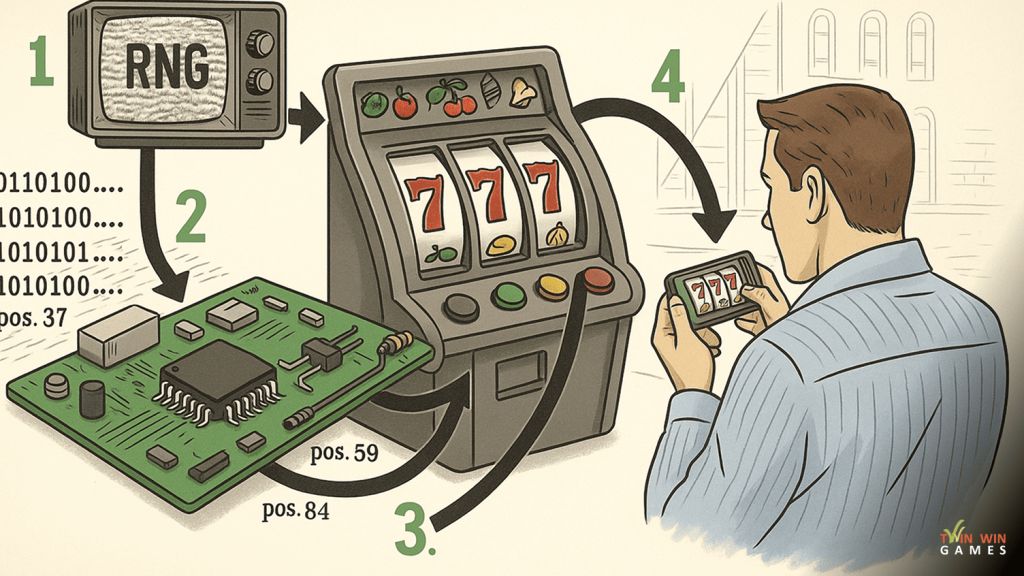
The fundamental technology behind every modern slot machine, whether physical or digital, is the Random Number Generator (RNG). This is a computer algorithm that constantly generates thousands of random numbers per second, even when the machine is not being played. When a player presses the spin button, the RNG freezes on a specific set of numbers at that exact instant. These numbers correspond directly to the symbols that will appear on the reels. The outcome of the spin is determined the moment the button is pressed, making the subsequent spinning animation purely for entertainment. This system guarantees that each spin is entirely independent, with no connection to previous or future results. There are no hot or cold streaks, and the timing of the spin or use of a stop button does not influence the RNG's selected result. The RNG is the definitive answer to what triggers a win, as it selects the outcome before the reels even begin to stop spinning.

Basic Game Mechanics: Reels, Rows and Paylines
Slot machines present their game on a grid defined by reels and rows. Reels are the vertical columns that spin, traditionally three in classic machines but commonly five or more in modern video slots. Rows are the horizontal positions on each reel where symbols can land. Winning combinations are formed along paths called paylines, which are specific patterns across the reels where matching symbols must land. Early machines often had a single horizontal payline, but contemporary games can feature dozens, hundreds, or even thousands of ways to win. Players typically choose how many of these available paylines to activate per spin. It is crucial to understand that a winning symbol combination on a payline that was not bet on does not result in a payout for that spin.
The arrangement of symbols on these paylines dictates wins. Most slots require a minimum of three matching symbols on an active payline, starting from the leftmost reel, though some games may allow wins with only two. The specific symbols and their required positions are detailed in the game's paytable. The number of reels and rows often signals the style of gameplay, with smaller layouts like 3x3 grids offering a classic experience and larger, more complex grids indicating modern features and bonus rounds. Before playing, reviewing the game rules or on-screen help menu is advised to understand the specific payline structures and winning patterns. The playing field typically consists of 3 to 5 reels in the central part of the interface, where game symbols are installed to form profitable chains through the action of the RNG.
Understanding Return to Player and Volatility
Two critical mathematical concepts that describe a slot machine's behaviour are Return to Player (RTP) and volatility. RTP is the theoretical percentage of all money wagered on a game that is expected to be paid back to players over an extended period, often hundreds of thousands of spins. For example, a slot with a 96% RTP would, on average, return $96 for every $100 wagered over time. The average RTP for online slots is around 96%, while noted averages for physical casino slots in jurisdictions like British Columbia are approximately 92%. It is vital to recognize that RTP is a long-term statistical average and does not predict the outcome of any single session or guarantee individual results. Reputable online casinos ensure game fairness by having independent experts audit the RNG and check the return of slots.
Volatility, also called variance, describes the risk and reward profile of a slot. It refers to the frequency and size of payouts. Low volatility slots tend to award smaller wins more frequently, which can help a player's bankroll last longer. High volatility slots offer the opposite experience, with less frequent but potentially much larger payouts, which can deplete a bankroll quickly between wins. Medium volatility slots aim for a balance between the two. The choice of volatility affects the gameplay experience more than the odds of winning in the long run, as both high and low volatility games are built around their published RTP. Playing high-volatility slots could mean a bankroll lasts less time, while low-volatility slots could result in longer play sessions on a budget due to higher odds of winning smaller prizes.
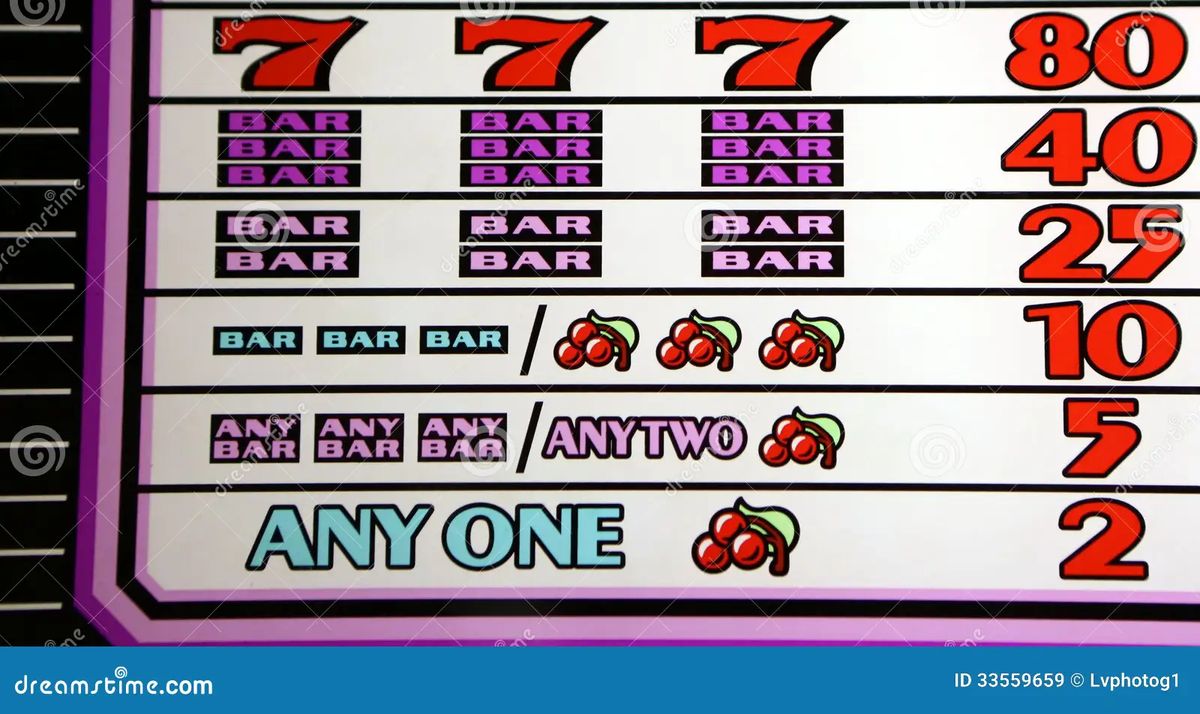
Common Symbols, Features and Slot Types
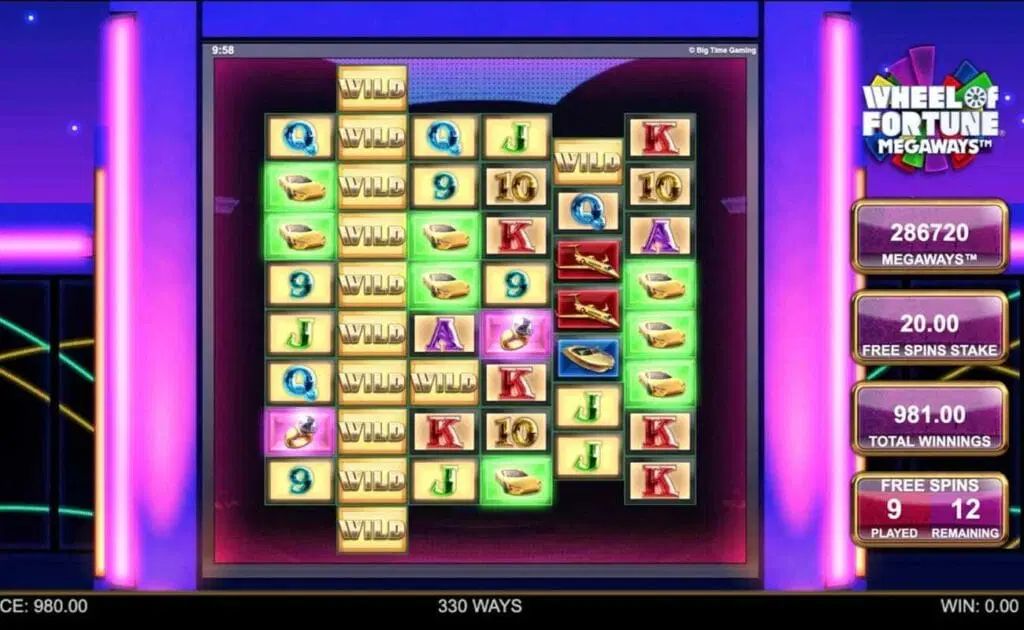
Beyond standard symbols, slots incorporate special symbols and features to enhance gameplay. The most common are wild symbols, which act as substitutes for other regular symbols to help complete winning combinations. Scatter symbols typically trigger bonus rounds or free spins and often do not need to land on a specific payline. Free spins rounds are a popular feature where a set number of spins are awarded without deducting from the player's balance, often including additional modifiers like multipliers. Other prevalent mechanics include cascading or tumbling reels, where winning symbols disappear and are replaced by new ones, creating chain reaction wins. Expanding symbols can grow to cover entire reels, while mystery symbols may transform into a random higher-value symbol. Modern slots also feature mechanics like symbol upgrades, where low symbols can upgrade into higher ones, and hold-and-spin or lock-and-spin features where values are locked for additional chances.
- Wild Symbols: Substitute for other symbols to form wins.
- Scatter Symbols: Trigger bonus features like free spins, landing anywhere on the reels.
- Free Spins: Awarded rounds played at no cost, often with multipliers or other enhancements.
- Cascading Reels: Winning symbols vanish and new ones drop in, allowing consecutive wins.
- Multipliers: Increase the value of a win by a specified factor (e.g., 3x).
- Bonus Games: Separate interactive rounds often with different mechanics like picking games or progressive stages.
- Expanding Symbols: Symbols that grow to cover multiple reel positions.
- Mystery Symbols: Symbols that transform into a random higher-value symbol.
Slots also come in distinct structural types. Three-reel slots mimic traditional fruit machines with limited paylines. Five-reel video slots are the most popular, offering immersive graphics and numerous features. Progressive jackpot slots have a prize pool that grows with each bet until won. Megaways slots use a dynamic system where the number of symbols per reel changes each spin, creating up to hundreds of thousands of ways to win. Each type uses the same underlying RNG but offers a different style of play and potential reward structure.
Practical Play: Betting, Budgeting and Game Selection
Playing slots begins with funding the machine, either with cash or a Ticket-in/Ticket-out (TITO) voucher from a previous session. Players then set their wager, which involves selecting the number of active paylines and the credit value per line. The total cost per spin is calculated by multiplying the number of active paylines by the bet per line. It is a misconception that penny or nickel machines are always the lowest cost option, as betting on multiple paylines can make the cost per spin comparable to higher-denomination games. Before spinning, consulting the game's paytable is essential to understand symbol values, bonus triggers, and the rules for any special features. A step-by-step guide to setting a bet involves noting the machine's credit value (e.g., pennies, nickels), choosing how many paylines to bet on, and calculating the cost.
| Betting Component | Example Value | Calculation |
|---|---|---|
| Paylines Bet | 9 lines | Player choice |
| Credits Per Spin | 45 credits | 9 lines x 5 credits/line |
Responsible play starts with setting a strict entertainment budget before beginning and using only cash or predetermined funds. Treating slot play as a form of paid entertainment, like going to a movie, rather than an investment, is a key mindset. Experts recommend limiting play on too many different machines in a single session and deciding in advance a winning goal at which to stop playing. When finished, pressing the cash-out button generates a TITO ticket with any remaining credit, which can be redeemed for cash or used on other machines. These tickets are typically valid for 30 days at the issuing casino. To make sure you only spend what you bring, use cash and leave debit and credit cards at home.
Dispelling Myths and Understanding Real Odds
A widespread misunderstanding about slots is that they can be beaten or that outcomes follow predictable patterns. The RNG ensures this is false. Each spin is an independent event, meaning past results have no bearing on future ones. There is no such thing as a machine being 'due' for a win after a losing streak, nor are there 'hot' or 'cold' machines. Strategies like changing bet sizes after losses, using the stop button, or playing at certain times of day do not influence the RNG's selection. The notion of a guaranteed 'slot machine hack' is mathematically impossible given the random nature of the game. Common myths include the belief that a losing streak increases the chance of a win, that the stop button changes the result, or that bet size can persuade the RNG to deliver wins.
The odds of winning are fixed by the game's programming and are reflected in its RTP and volatility. While players cannot change the underlying odds, they can make informed choices. Selecting games with a higher published RTP can offer better theoretical value over the long term. Understanding volatility helps choose a game that matches one's bankroll and tolerance for risk. Reputable online casinos and game providers have their RNGs and game math regularly audited by independent testing agencies to ensure fairness and compliance with stated return percentages. The focus for players should be on managing their bankroll and expectations, not on finding non-existent loopholes in the game's randomness. There are simply no strategies to beat a slot machine, as the RNG makes every win purely random.
Responsible Gambling and Player Resources in Canada
Slot play is intended as a form of entertainment for adults, and responsible gambling practices are critical. Players should always set a budget in advance, treat that money as part of their entertainment spending, and stick to their limits. It is recommended to decide on a win goal and a loss limit before starting to play. Operators like BCLC in British Columbia emphasize that slots are random and encourage players to visit resources like GameSense.com for more information on odds and responsible play. If gambling ceases to be fun or causes concern, help is available through provincial problem gambling helplines and self-exclusion programs offered by casinos.
- Set a Budget: Decide how much to spend in advance and use only that amount.
- Use Cash: Leave debit and credit cards at home to avoid spending beyond your limit.
- Set a Win Goal: Decide in advance when you will stop playing if you are winning, such as when you double your money.
- Take Breaks: Limit play and avoid playing too many different machines in a single visit.
- Understand the Game: Check the paytable and game rules to know the payouts and how features work.
- Know When to Stop: Treat slots as entertainment, not a way to make money, and walk away when your budget is spent.
- Seek Help if Needed: Utilize provincial helplines and casino self-exclusion programs if gambling becomes a problem.
For players engaging with online slots, choosing reputable and licensed casinos is paramount. Trusted online casino groups operating in Canada, such as the Casino Rewards Group with brands like Luxury Casino and Yukon Gold Casino, often subject their games to additional fairness checks. Some guarantee they offer the highest available win rate or RTP version of games from their software providers. This does not change the randomness of outcomes but ensures the underlying game mathematics provides the best available theoretical return as designed by the provider.
Questions about How slots work
How do you win on slot machines?
A win on a slot machine is triggered when a matching combination of symbols lands on an active payline, as determined by the game's Random Number Generator (RNG). The specific combinations required for a payout, and their corresponding values, are detailed in the game's paytable. Wins can also be triggered by landing special symbols like scatters, which may activate bonus features such as free spins. The outcome is purely random and decided the instant the spin button is pressed.
Are there strategies to win at slots every time?
No, there are no strategies or tricks that guarantee a win on slot machines. Because each spin's outcome is determined by a Random Number Generator (RNG), the results are completely random and independent. Claims of 'hacks' or systems to beat the slots are mathematically false. Informed play involves understanding game mechanics like RTP and volatility, setting a budget, and managing your bankroll, but these practices do not influence the odds of any single spin.
What is the best way to choose a slot machine to play?
Choosing a slot machine involves considering several factors. Review the game's Return to Player (RTP) percentage, with higher percentages (e.g., 94% and above) offering better theoretical long-term value. Consider the game's volatility: low volatility for more frequent, smaller wins, or high volatility for less frequent but larger potential payouts. Select a theme and bonus features you enjoy, and always ensure the betting denominations fit your predetermined budget. Trying a game in free-play mode first can help you understand its mechanics.
Do penny slots have better odds than dollar slots?
The denomination of a slot machine (penny, nickel, dollar) does not inherently determine its odds. The key factors are the game's programmed Return to Player (RTP) percentage and volatility. A penny slot can have the same or even a lower RTP than a dollar slot. Betting on multiple paylines on a penny machine can make the total cost per spin similar to a single line on a higher-denomination machine. The odds are built into the game's mathematics, not its coin size.
What do RTP and volatility mean for a player?
Return to Player (RTP) is the theoretical percentage of wagered money a slot pays back over a vast number of spins. A 96% RTP means, on average, $96 is returned for every $100 wagered. Volatility describes the risk profile: low volatility means frequent, smaller wins. High volatility means infrequent but potentially larger wins. RTP indicates long-term expected value, while volatility affects the short-term experience of bankroll fluctuations. Both are fixed for a given game and cannot be changed by player action.
How can I play slots responsibly in Canada?
Responsible slot play starts with setting a strict entertainment budget before you begin and using only that amount. Treat the money as spent on leisure, not an investment. Decide in advance when you will stop playing, whether you are winning or losing. Use cash or pre-loaded cards and leave credit cards at home. Take regular breaks and avoid chasing losses. Remember that slots are games of chance with a built-in house edge. If gambling ceases to be fun or causes concern, provincial helplines and self-exclusion programs are available.
Sources and further reading
- How Do Online Slot Machines Work? - BetMGM Casino (betmgm.ca)
- How to Play Slots (playsmart.ca)
- How Slots Work In Online Casinos In Canada (gravenoisemedia.com)
- How To Play Slots (casinosbc.com)
- How to Win More at Online Slots: Strategy Tips for Canadian Players (livescore.com)
- What triggers a slot machine to win? - TechNut (blogs.ubc.ca)
Checked by the Nosy Mag desk. Last updated 2026-11-11.