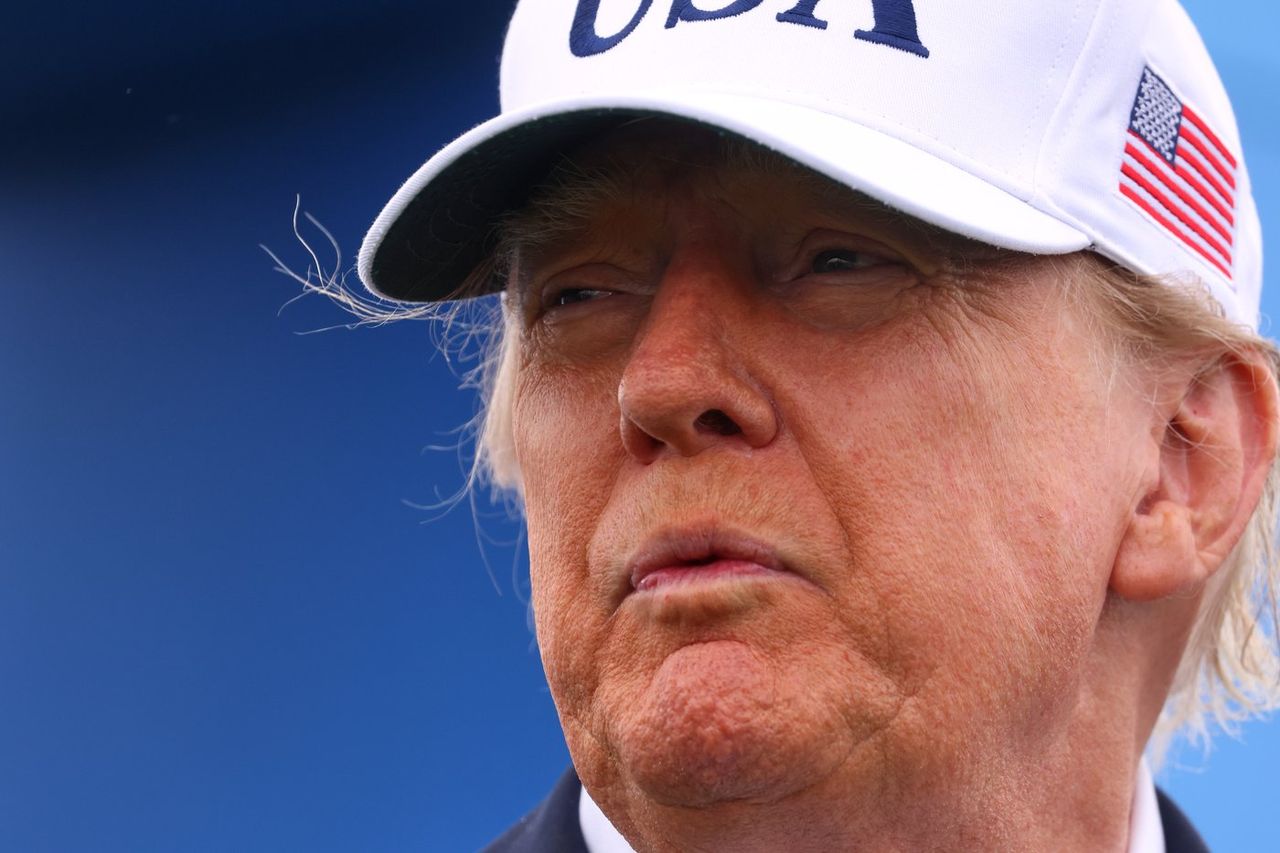
Trump Prioritizes AI Competition Over Regulation, Citing U.S.-China Rivalry
Former U.S. President Donald Trump downplays calls for AI regulation during Ireland visit, emphasizing maintaining America's lead over China in the technology race while industry leaders warn of unchecked development risks.
Former U.S. President Donald Trump has dismissed urgent calls to regulate artificial intelligence development during his visit to Ireland, framing advanced AI as a geopolitical battleground where America must maintain dominance over China. His remarks highlight the growing tension between technological competition and safety concerns in the rapidly evolving AI landscape.
Trump’s Resistance to AI Regulation
Trump rejected suggestions from prominent tech leaders that AI development should be slowed to allow safety measures to catch up, characterizing such concerns as driven by unnamed "negative forces." While acknowledging that some guardrails might be necessary, he offered no specific policy proposals during his remarks at the Irish Open golf tournament. His repeated assertion that "whoever wins with AI wins" underscores his view of the technology as a strategic competition rather than an area requiring immediate oversight.
The former president's comments came just one day after Anthropic CEO Dario Amodei joined other industry pioneers including Elon Musk and OpenAI’s Sam Altman in advocating for more measured development. Trump dismissed these warnings during his flight back to Washington, insisting AI’s benefits would significantly outweigh potential risks. This stance creates a clear divide between technology experts urging caution and political leaders focused on maintaining competitive advantage.
Geopolitical Context of AI Development
The timing of Trump’s comments carries diplomatic significance, with Chinese President Xi Jinping scheduled to visit the White House later in September. AI is expected to feature prominently in discussions between the two leaders, given its growing importance in economic and military applications. Trump framed the technology as a zero-sum contest during his remarks: "We are leading China... and frankly, I want to keep it that way."
This perspective finds support from House Speaker Mike Johnson, who emphasized the national security implications of the AI race during an appearance on NBC’s Meet the Press. While acknowledging the need for safety measures, Johnson echoed Trump's concerns about maintaining U.S. leadership. The Republican leader proposed convening industry representatives and lawmakers for urgent discussions, though neither he nor Trump provided detailed regulatory proposals during their public statements.
Political Divisions on AI Policy
Former President Barack Obama has urged Democrats to make AI a central campaign issue, emphasizing the need for safety protocols and addressing economic impacts like job displacement. At a recent event with House Democratic leader Hakeem Jeffries, Obama outlined a potential Democratic approach focused on protecting citizens: "Here’s our plan for safety, here’s our plan for making sure our kids are not corrupted by this."
Jeffries criticized Republican leadership for delaying congressional action during an interview on ABC’s This Week, asserting that Democrats would prioritize AI policy when Congress reconvenes. However, the historical inability of lawmakers to reach consensus on technology regulation suggests significant challenges ahead, despite growing bipartisan recognition of AI's potential risks.
Industry Whistleblower Raises Alarm
Jacob Coxon, a former employee at AI company Anthropic who resigned over safety concerns, provided a stark warning during an NBC interview about uncontrolled superintelligence development. He described the current trajectory as creating "a human-level or superhuman-level mind" without understanding its motivations or thought processes - a scenario he views as inherently dangerous.
Coxon's call for unprecedented cooperation between the U.S. and China to mutually slow development represents a dramatic contrast to Trump’s competitive framing. His appeal reflects deepening ethical divisions within the tech community itself, where some developers are questioning whether rapid advancement should continue without better safeguards.
Administration and Industry Responses
David Sacks, a White House science advisor and technology investor, challenged the notion that government intervention is required to regulate AI development. In a social media post directed at Anthropic's CEO, Sacks argued that AI companies already control the pace of progress: "The easiest way not to build superintelligence is for you to agree not to build it."
National Economic Council Director Kevin Hassett confirmed that administration officials would hold meetings to discuss AI policy, though he provided no specific timeline for potential executive actions. These mixed signals from different branches of government highlight the tension between regulatory urgency and political considerations during an election year.
The Broader Implications
Trump’s dismissal of AI regulation concerns reflects how geopolitical rivalries are increasingly shaping technology governance debates. The emphasis on competition over collaboration risks accelerating development without implementing corresponding safeguards - a pattern observed with previous emerging technologies like social media platforms and biotechnology.
The absence of detailed policy proposals from either major political party suggests that positioning for electoral advantage may be overshadowing substantive policymaking. This leaves technology companies to self-regulate despite significant internal disagreements about appropriate development speeds and safety protocols. With China showing no signs of voluntarily slowing its AI programs, the current trajectory points toward an intensified technological competition with far-reaching societal consequences that remain difficult to predict.
The Road Ahead
As the White House prepares for President Xi's visit, the contrasting approaches to AI development between the U.S. and China will likely emerge as a key discussion point. The upcoming congressional discussions and administration meetings may provide more clarity about potential regulatory frameworks, though the fundamental tension between innovation and oversight remains unresolved.
The technology sector continues to grapple with its own ethical dilemmas, as evidenced by the public disagreements between company leaders and concerned former employees like Coxon. These developments suggest that the debate over AI's future will only intensify in coming months, with significant implications for national security, economic competitiveness, and societal wellbeing.