Saskatoon construction snarls commutes for university students, hospital staff amid bridge reopening
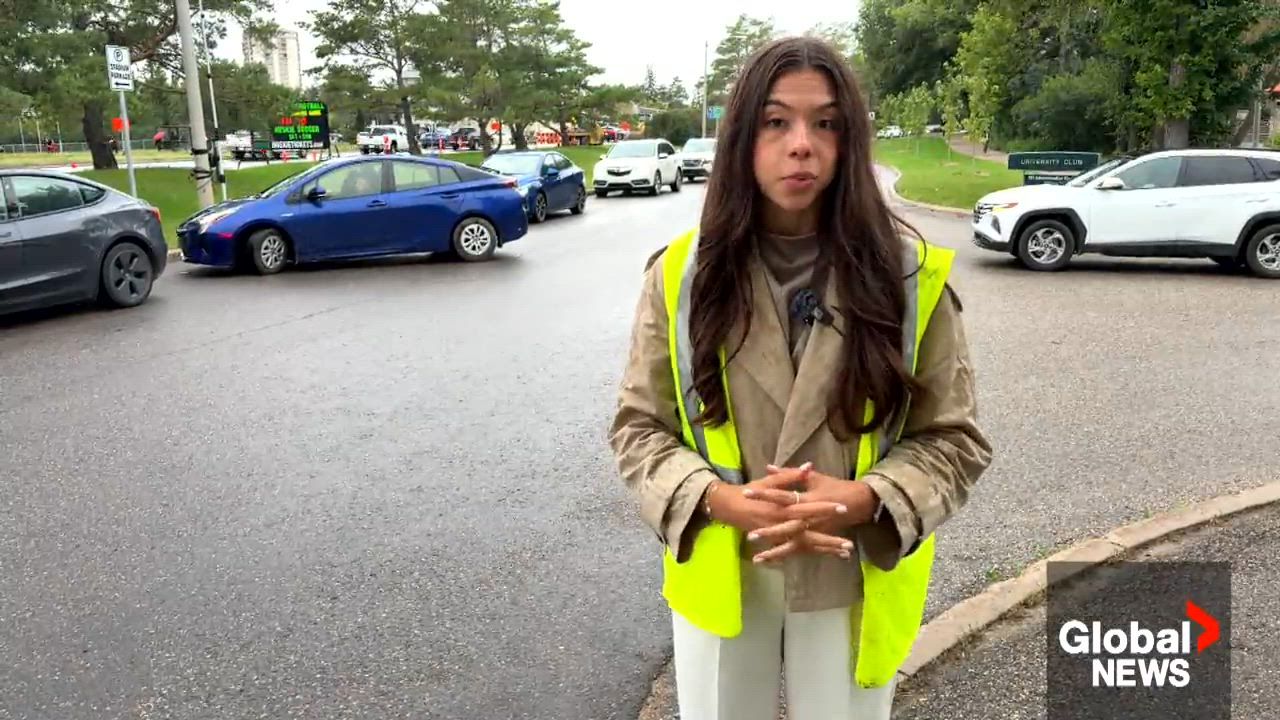
Traffic gridlock along College Drive near the University of Saskatchewan has significantly lengthened commutes as bridge repairs and transit project construction converge with the return of students.
A convergence of infrastructure projects and seasonal traffic patterns has created major transportation challenges in Saskatoon's core, particularly affecting daily commutes along the crucial College Drive corridor. The recent reopening of University Bridge after extensive repairs has combined with both the return of university students and ongoing construction for the city's ambitious bus rapid transit system, creating what city officials acknowledge as significant but temporary congestion issues.
Construction projects create perfect storm
The most severe traffic impacts are concentrated along College Drive between Clarence and Cumberland Avenues, where crews are actively building platforms for the Link bus rapid transit project. This critical work has reduced roadway capacity to just one lane in each direction, with additional intersection modifications and traffic restrictions exacerbating delays. Global News conducted real-world testing that revealed a normally brief drive from Campus Drive near the student centre to the Campus and College Drive intersection now takes approximately 30 minutes during peak periods.
Rob Dudiak, Saskatoon's special projects manager, explained that while the city anticipated some congestion, the situation has been compounded by drivers adjusting to the University Bridge reopening. "We're not in control, obviously, of everything that people do as they commute," Dudiak told Global News. "I think that we're starting to see people who maybe heard that the bridge was open and wanted to try taking that route again, making that attempt and coming into those restrictions."
University community bears brunt of delays
University of Saskatchewan students report their daily routines have been substantially disrupted, with exiting parking lots near Campus Drive adding about 30 minutes to their travel times. The university administration has acknowledged these transportation challenges in a formal statement, characterizing them as short-term inconveniences that will yield long-term benefits for campus infrastructure. University officials are urging students experiencing significant delays to proactively communicate with their instructors about potential accommodations.
"While construction may create temporary inconveniences, these projects will provide long-term improvements to campus infrastructure, accessibility and transportation access," the university stated. This measured response reflects the institution's focus on the eventual advantages of the infrastructure upgrades rather than the current transportation difficulties.
Healthcare access maintained despite challenges
Remarkably, emergency services report maintaining normal operations despite the widespread congestion. Medavie Health Services West, which oversees Saskatoon's ambulance system, stated that its flexible deployment model has allowed it to adapt to the changing traffic conditions. "Our zone-based deployment model allows us to adapt to changing circumstances which allows us to continue to operate safely and effectively with no impact to patient care," the organization said in a statement.
The Saskatchewan Cancer Agency has implemented specific protocols to accommodate patients delayed by traffic when arriving at the Cancer Centre adjacent to Royal University Hospital. The agency will either adjust schedules for late arrivals or reschedule appointments as necessary, ensuring continued access to vital cancer treatment services during this period of transportation disruption.
Construction timeline and future phases
City officials project the current phase of College Drive construction will continue through October, with paving operations expected to conclude by month's end. Dudiak stressed the importance of completing critical work before winter conditions make construction more challenging. "When we reach winter we don't want to be in a situation where there's still temporary traffic controls in place over the course of the winter," he said.
The College Drive improvement project is structured in two distinct phases, with the second phase between Cumberland and Preston Avenues scheduled for completion next year. Additional traffic restrictions remain active, including lane reductions on College Drive east of Hospital Drive and temporary closures affecting the University Bridge exit to Saskatchewan Crescent, though city staff indicate this exit should reopen shortly.
Bridge repairs faced complications
The University Bridge rehabilitation project encountered several obstacles during its implementation. Originally budgeted at $1.487 million with a June completion target, the project experienced weather-related delays that pushed reopening to mid-to-late July. Unforeseen repair requirements added $213,000 to the project cost, bringing the total expenditure to $1.7 million. The bridge finally reopened to vehicular traffic last Friday after being closed since April 6.
Dudiak noted the city dedicated over a year to planning the construction sequencing but acknowledged the gap between theoretical planning and on-the-ground realities. "Obviously, there's a difference in looking at it as part of a planned sequence and then what we see in reality day to day, which then we try and monitor and make adjustments as we can in order to reduce the pressure and frustration for everyone," he said.
Broader transportation context
The current transportation challenges in Saskatoon underscore the complex coordination required when implementing multiple infrastructure projects in densely developed urban corridors. While the short-term disruptions create genuine hardships for students, healthcare workers, and other commuters, these projects represent essential investments in the city's evolving transportation network. The situation demonstrates how even carefully orchestrated construction plans can be affected by external variables including weather patterns, driver behavior changes, and seasonal traffic fluctuations.
Long-term benefits justify short-term pain
As Saskatoon continues its growth trajectory, these infrastructure improvements will become increasingly vital to support efficient movement through the city's core. The current difficulties serve as a reminder that urban development often requires temporary inconveniences to achieve lasting benefits. The city's capacity to monitor real-time conditions and implement responsive adjustments will prove critical in minimizing disruptions throughout the remaining construction timeline.
The completed projects promise to enhance transportation options and accessibility for the university community, healthcare facilities, and downtown commuters. The bus rapid transit system in particular represents a forward-looking investment in sustainable urban mobility that will serve Saskatoon residents for decades to come.