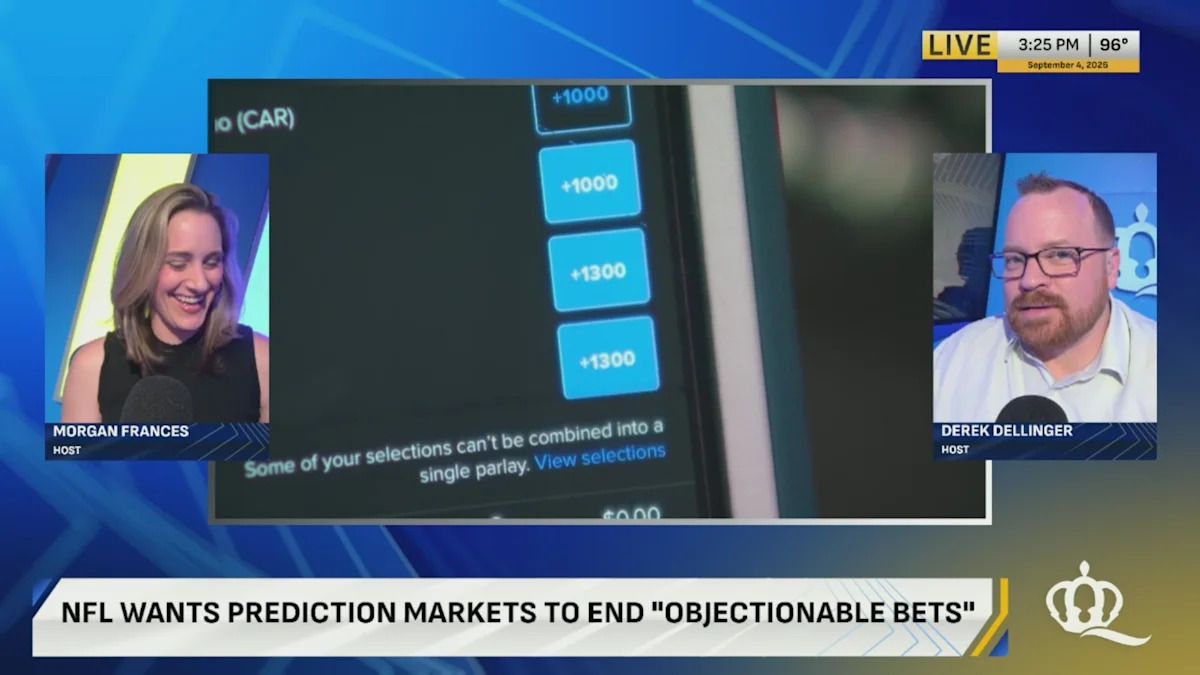
Prediction Markets Face Intensified Regulatory Scrutiny During NFL Season Advertising Boom
Prediction market operators are deploying celebrity-driven marketing campaigns while confronting heightened regulatory actions and significant legal challenges as the NFL season begins, with billions in wagers at stake.
The annual launch of the NFL season has become a pivotal moment for prediction market operators, who leverage this period for aggressive customer acquisition through lavish advertising campaigns and celebrity endorsements. This year's marketing push represents one of the most substantial efforts since the 2018 PASPA decision, fueled by significant capital injections from recent funding rounds. Operators have blanketed media channels with high-profile ads featuring athletes like LeBron James and Marshawn Lynch alongside entertainment figures including Emmy-nominated actress Sydney Sweeney and actor Jeremy Piven.
The Celebrity Endorsement Arms Race
The competition for celebrity partnerships has reached new heights in the prediction market space. Polymarket secured major sports figures including LeBron James, Derek Jeter and Eli Manning, while Novig's campaign with Sydney Sweeney generated comparable attention. The Novig advertisement, titled "Just Sports," explicitly criticized competitors offering markets on non-sporting events like political outcomes, emphasizing Novig's sports-only approach. By Friday afternoon, the social media post featuring Sweeney had amassed at least 9 million views.
Beyond traditional endorsements, celebrities are increasingly taking equity positions in these companies. During the 2025-26 NBA season, Kalshi made headlines by granting an equity stake to two-time MVP Giannis Antetokounmpo. Similarly, Sweeney's representatives approached Novig about potential investment opportunities, ultimately resulting in the actress receiving an undisclosed equity stake. This trend toward deeper celebrity involvement beyond simple sponsorship deals suggests a strategic shift in how operators are building long-term brand equity.
Connecticut's Aggressive Regulatory Response
As prediction markets gain mainstream traction, regulatory scrutiny has intensified significantly. On September 10, Connecticut Governor Ned Lamont addressed the rapid growth of these platforms during a speech in Hartford, coinciding with the state Department of Consumer Protection issuing cease-and-desist orders to nine unregulated operators including Polymarket, Robinhood and Underdog Predict. Governor Lamont stated, "Prediction markets have branded themselves as legal and safe, but the reality is they are not adhering to Connecticut's consumer protection standards."
Connecticut's regulatory action went beyond typical enforcement measures by issuing nearly 30 subpoenas to licensed gaming service providers and media organizations. Recipients included payment processors like PayPal and Plaid along with data provider Sportradar Solutions. While these companies aren't currently under investigation, the subpoenas represent an unprecedented move against service providers that facilitate prediction market operations. This aggressive stance by Connecticut officials may signal a new phase of regulatory pressure that could reshape the industry's operational landscape.
Critical Legal Challenges and Judicial Pathways
The legal foundation of prediction markets faces significant tests following an August 28 ruling by the US Court of Appeals for the Ninth Circuit. In a unanimous 3-0 decision, the court determined that sports event contracts don't qualify as federally regulated swaps under the Commodity Exchange Act. This ruling prompted divergent responses from major operators - Kalshi filed for an en banc rehearing before an expanded panel of 11 Ninth Circuit judges, while Robinhood opted to petition the Supreme Court directly through a writ of certiorari.
Legal observers suggest the conflicting interpretations between the Ninth Circuit and earlier Third Circuit decisions may create the necessary circuit split to attract Supreme Court review. The outcome could fundamentally determine whether prediction markets fall under existing financial regulations or require new legislative frameworks. These judicial proceedings occur alongside continued state-level challenges, with New York Governor Kathy Hochul among prominent critics of prediction market expansion.
Strategic Partnerships and Market Growth
Despite regulatory headwinds, prediction markets continue expanding through innovative partnerships and product enhancements. Real App, a social sports platform featuring live play-by-play content, named FanDuel as its inaugural prediction market partner, integrating FanDuel's odds directly into its live sports experience. Meanwhile, Fanatics Sports & Casino upgraded its Fair Play offering with new protections including first-half injury coverage for player props - a feature that proved immediately valuable when Seattle Seahawks quarterback Sam Darnold exited the season opener after just five plays.
The American Gaming Association estimates $40 billion will be wagered on NFL games through prediction markets this season, demonstrating the massive economic scale of this emerging sector. Kalshi's report of nearly $250 million in college football trading activity on the season's first day further underscores the markets' rapid growth. These figures suggest prediction markets are capturing significant market share from traditional sportsbooks while appealing to a different demographic of users interested in the trading-like aspects of these platforms.
The Evolving Future of Prediction Markets
The prediction market industry stands at a critical juncture, balancing explosive growth against mounting regulatory and legal challenges. Operators are deploying increasingly sophisticated marketing strategies, moving beyond simple celebrity cameos to deeper equity partnerships that align star power with corporate success. However, the sector's long-term viability may depend on handling the complex patchwork of state regulations and potentially transformative federal court decisions.
As the NFL season progresses, the interplay between aggressive customer acquisition efforts and regulatory constraints will likely define the next phase of development for prediction markets. The outcomes of pending legal actions, particularly the potential Supreme Court review, could either validate the current operational model or force significant restructuring across the industry. In this high-stakes environment, operators must balance ambitious growth strategies with compliance measures that satisfy increasingly vigilant regulators.